
A helicopter transfer from Nadi to the islands is the fastest and most scenic method to reach Mamanuca and Yasawa resorts, reducing travel time from several hours by boat to just 10–30 minutes. Departing directly from Nadi International Airport, major operators like Island Hoppers and Pacific Island Air offer seamless door-to-door service, strict safety protocols, and breathtaking aerial views of Fiji’s coral reefs.
For New Zealand travelers escaping the winter chill for the tropical warmth of Fiji, the journey doesn’t end when your Air New Zealand or Fiji Airways flight touches down at Nadi International Airport. The final leg of your journey—getting to your specific island resort—can either be a long, arduous boat ride or a spectacular aerial highlight of your trip.
Opting for a helicopter transfer Nadi to islands is not merely a logistical decision; it is a transactional upgrade that buys you time, comfort, and an unforgettable entrance. Whether you are heading to the luxury of Likuliku Lagoon Resort or the remote beauty of the Yasawas, understanding the nuances of helicopter travel in Fiji is essential for a seamless booking experience.
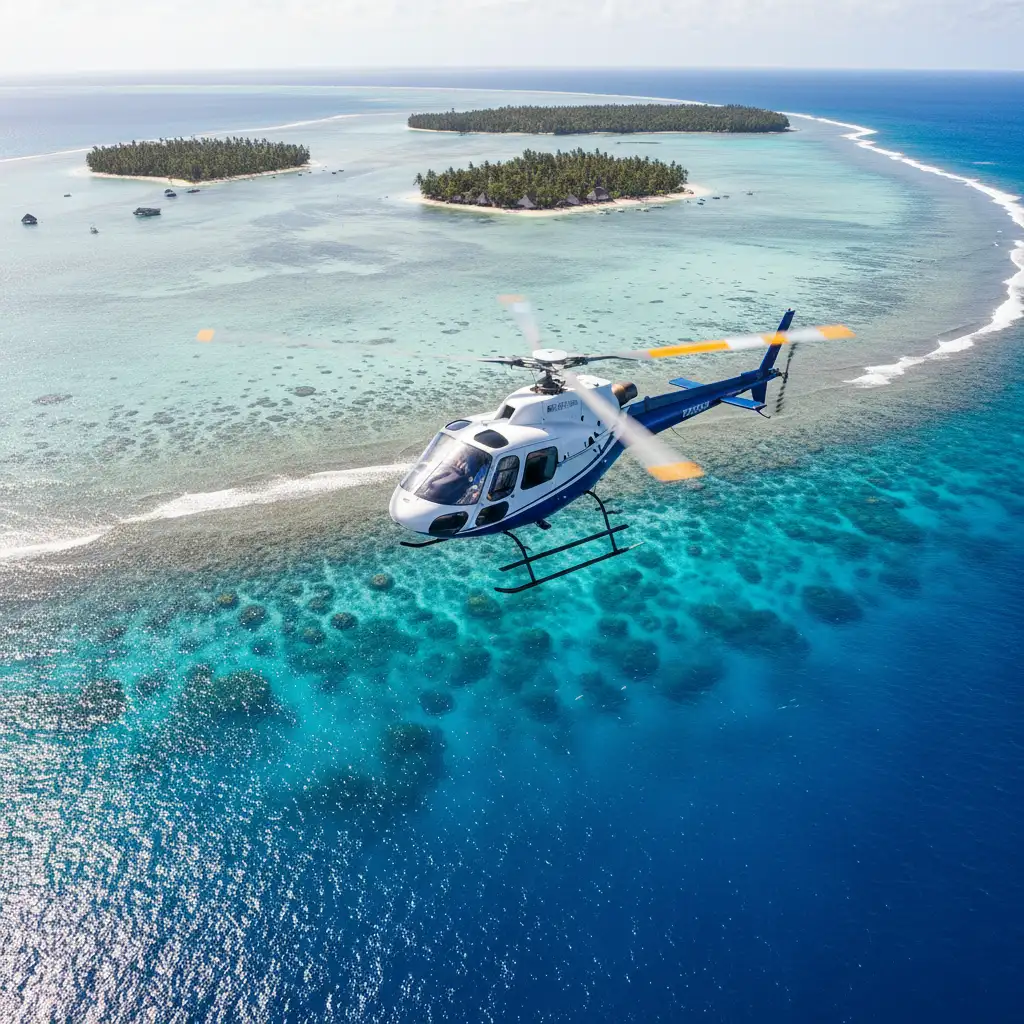
Why Choose a Helicopter Transfer Nadi to Islands?
The primary driver for booking a helicopter transfer is time efficiency. The standard alternative—the South Sea Cruises catamaran—requires a bus transfer from the airport to Port Denarau (20–30 minutes), followed by a check-in process, and finally a boat ride that can last anywhere from 45 minutes to 4 hours depending on your resort’s location in the archipelago chain.
By contrast, a helicopter transfer operates directly from the airport zone. You are met at the arrivals hall and whisked away to the hangar. Within minutes, you are airborne. For Kiwis on a short 5-day break, saving 4 hours of transit time each way effectively gains you an entire extra day of holiday.
The “Wow” Factor
Beyond logistics, the visual experience is unparalleled. Fiji’s geography is best appreciated from above. The transition from the mainland’s sugar cane fields to the vibrant blues of the reefs and the white sands of the Mamanucas creates a “holiday mode” mindset instantly. It turns a commute into a scenic tour.
Major Operators: Island Hoppers vs. Pacific Island Air
When searching for a “helicopter transfer Nadi to islands,” you will primarily encounter two dominant operators: Island Hoppers and Pacific Island Air. Both are reputable, safety-certified, and cater heavily to the New Zealand and Australian markets. However, there are subtle differences in their fleets and service offerings.
Island Hoppers
Island Hoppers has been operating in Fiji for over 40 years. They have a substantial fleet and a dedicated terminal at Nadi Airport.
- Fleet: Primarily utilizes Bell Jet Rangers and Bell Long Rangers. These are workhorses of the aviation industry, known for reliability.
- Service Area: Extensive coverage of the Mamanuca and Yasawa groups. They have exclusive landing rights at certain resorts.
- Convenience: They offer a courtesy van that picks you up directly from the international arrivals curb and drives you the short distance to their private lounge/hangar.
- Vibe: Often viewed as the “premium” legacy carrier with a very polished ground service experience.
Pacific Island Air
Pacific Island Air offers a diverse mix of helicopters and seaplanes, providing flexibility if weather conditions favor fixed-wing aircraft.
- Fleet: Utilizes modern Eurocopter (Airbus) helicopters alongside Beaver and Otter seaplanes. The Eurocopters often provide slightly better visibility due to window configurations.
- Dual-Option: Because they operate seaplanes as well, they can sometimes offer a backup option if a helicopter isn’t available, or offer a “fly/boat” combo package.
- Pricing: Generally competitive with Island Hoppers; occasionally slightly cheaper for shared charters depending on the season.
Verdict: Both operators provide exceptional safety standards regulated by the Civil Aviation Authority of Fiji (CAAF). Your choice often depends on which resort you are visiting, as resorts often have a preferred partner agreement that simplifies booking.
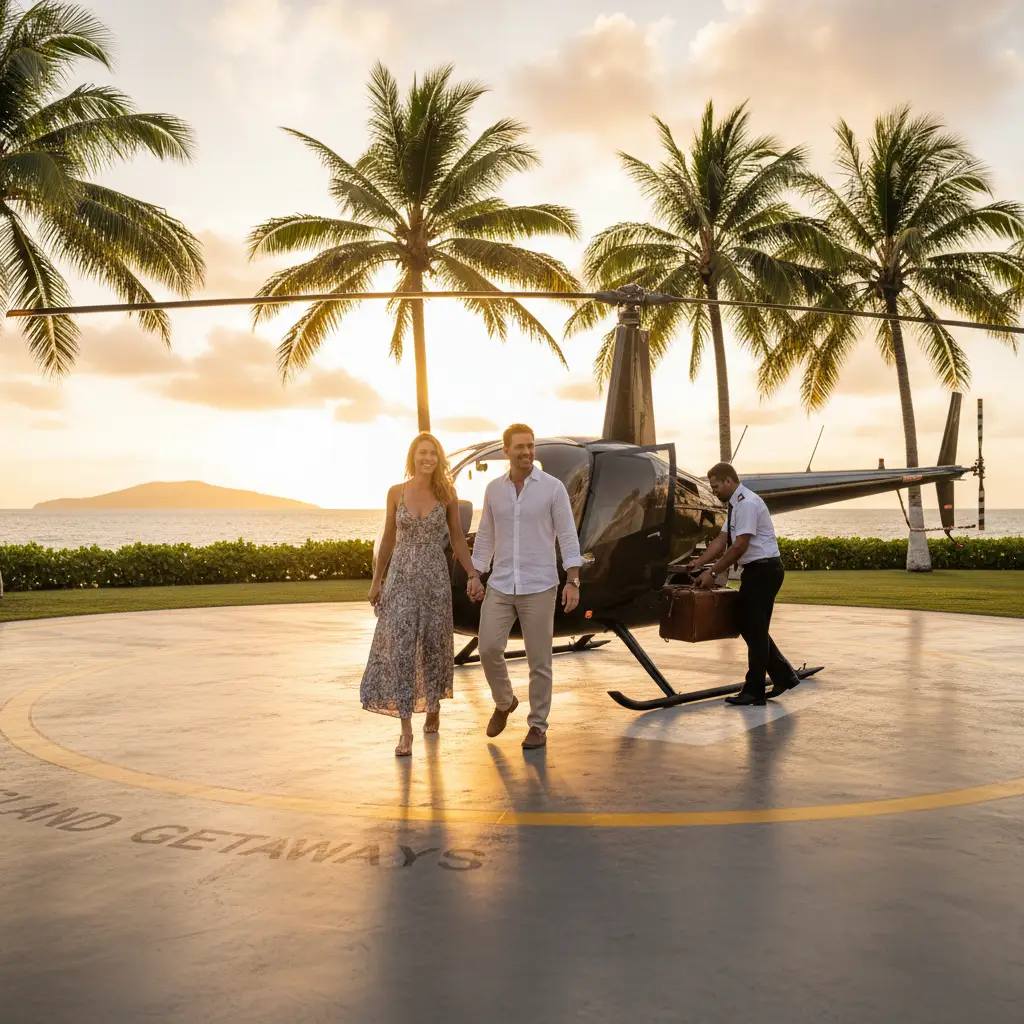
Cost vs. Speed: Is the Upgrade Worth It?
For the New Zealand market, where budget is often balanced against value, the cost analysis is critical. A helicopter transfer is significantly more expensive than the boat, but the speed differential is massive.
Travel Time Comparison
- Nadi to Plantation Island (Mamanucas):
- Boat: 50 minutes (plus 30 min bus to port). Total: ~1.5 hours.
- Helicopter: 10 minutes.
- Nadi to Turtle Island (Yasawas):
- Boat: 4.5 hours (The Yasawa Flyer makes many stops).
- Helicopter: 30–35 minutes.
Price Estimation (NZD)
Note: Prices fluctuate with exchange rates and fuel surcharges.
- Shared Charter (One Way): Expect to pay between $350 NZD and $600 NZD per person depending on the distance (Mamanucas are cheaper, Yasawas are more expensive).
- Private Charter: If you are traveling as a family or group of golfers, chartering the whole machine (approx. $2,500 – $4,000 NZD) can sometimes be cost-effective and allows for schedule flexibility.
The Value Proposition: If you are traveling to the Yasawas, the helicopter saves you nearly half a day. If you arrive in Nadi at 3:00 PM, you will miss the last boat to the Yasawas. A helicopter is your only option to reach the resort that same day, avoiding an overnight stay in a Nadi airport hotel.
Luggage Restrictions for Golfers and Divers
This is the most critical logistical hurdle for Kiwi travelers, who are renowned for bringing their own gear. Helicopters have strict payload limits based on weight and balance safety calculations.
Standard Weight Allowances
Most shared transfer tickets include a baggage allowance of 15kg (33lbs) per person. This is significantly less than the 23kg standard economy flight allowance from Air New Zealand.
Handling Excess Baggage
If you bring 23kg, you will likely be charged for the excess, or the luggage may not fly on the same chopper as you. In some cases, if the helicopter is full (passengers + fuel + heat impact on lift), your bags simply won’t fit.
Golf Clubs and Surfboards
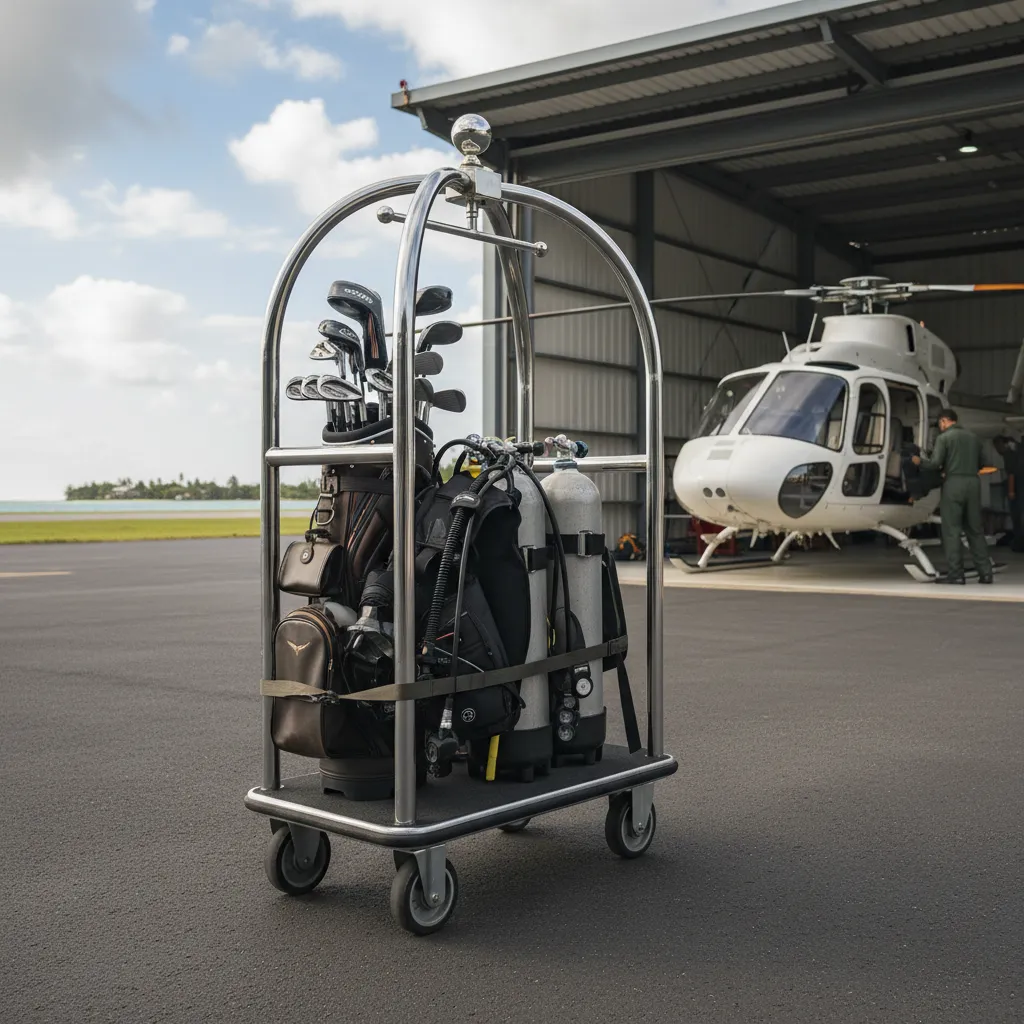
Large items like golf clubs and surfboards are generally not permitted on shared helicopter transfers due to the size of the cargo hold. The internal compartments of a Eurocopter or Bell Jet Ranger cannot accommodate a longboard or a full tour bag without compromising passenger space.
The Solution:
- Secure Storage: Leave heavy gear at the Nadi Airport luggage storage if you are only island hopping for a few days.
- Luggage Transfer Service: Operators can arrange for your heavy bags and sports gear to be transported via the ferry (South Sea Cruises) while you fly. Your bags will arrive at the resort a few hours after you. This is a common and reliable service.
- Private Charter: If you charter the whole aircraft, you have control over the payload. If there are only two of you in a six-seater helicopter, there is ample weight allowance for golf clubs.
The Nadi Airport Arrival Experience
Understanding the “meet and greet” process alleviates anxiety upon arrival.
- Customs & Immigration: Clear customs as usual.
- The Arrivals Hall: Once you exit into the public arrivals area, look for the dedicated counters. Island Hoppers and Pacific Island Air have marked desks.
- Check-In: Present your booking voucher. They will weigh you and your bags. Important: Be honest about your body weight during booking; they verify this for safety balance.
- Transfer to Hangar: You will be escorted to a courtesy van for a 2-minute drive to the domestic/helicopter side of the airfield.
- Lounge: Both operators offer air-conditioned lounges with cold water and restrooms while you wait for your pilot.
Scenic Flight Options and Add-Ons
Since you are already paying for the aircraft, many travelers choose to extend the flight slightly for a scenic detour. A standard transfer takes the most direct route (a straight line). However, for an additional fee, you can request a scenic detour.
Heart Island (Tavarua): The famous heart-shaped island is near the flight path for many Mamanuca resorts. Asking the pilot to circle Tavarua offers one of the most Instagrammable moments in the South Pacific.
Day Trips: If you are staying on the mainland (Denarau) but want to visit an island for lunch, “Heli-Lunch” packages are popular. You fly out, enjoy a 3-course meal at a resort like Castaway or Musket Cove, and fly back. This is a fantastic option for those who want the island experience without the overnight commitment.
Weather Policies and Safety Protocols
Fiji is a tropical destination, meaning sudden downpours and trade winds are common. New Zealanders, accustomed to variable weather, should understand how this affects aviation.
Visual Flight Rules (VFR)
Helicopters in Fiji generally operate under Visual Flight Rules. This means the pilot must be able to see the ground and horizon. They do not fly in heavy storms or at night (after sunset). Daylight hours are strictly adhered to.
What happens if it rains?
Light rain is fine. However, low cloud ceilings or tropical cyclones will ground the fleet. If your helicopter is cancelled due to weather:
- The operator will usually attempt to transfer you to a boat transfer (if safe).
- If no transport is possible, you may need to stay in Nadi overnight.
- Travel Insurance: Ensure your policy covers “travel disruption” to recoup costs of missed resort nights or hotel stays in Nadi.
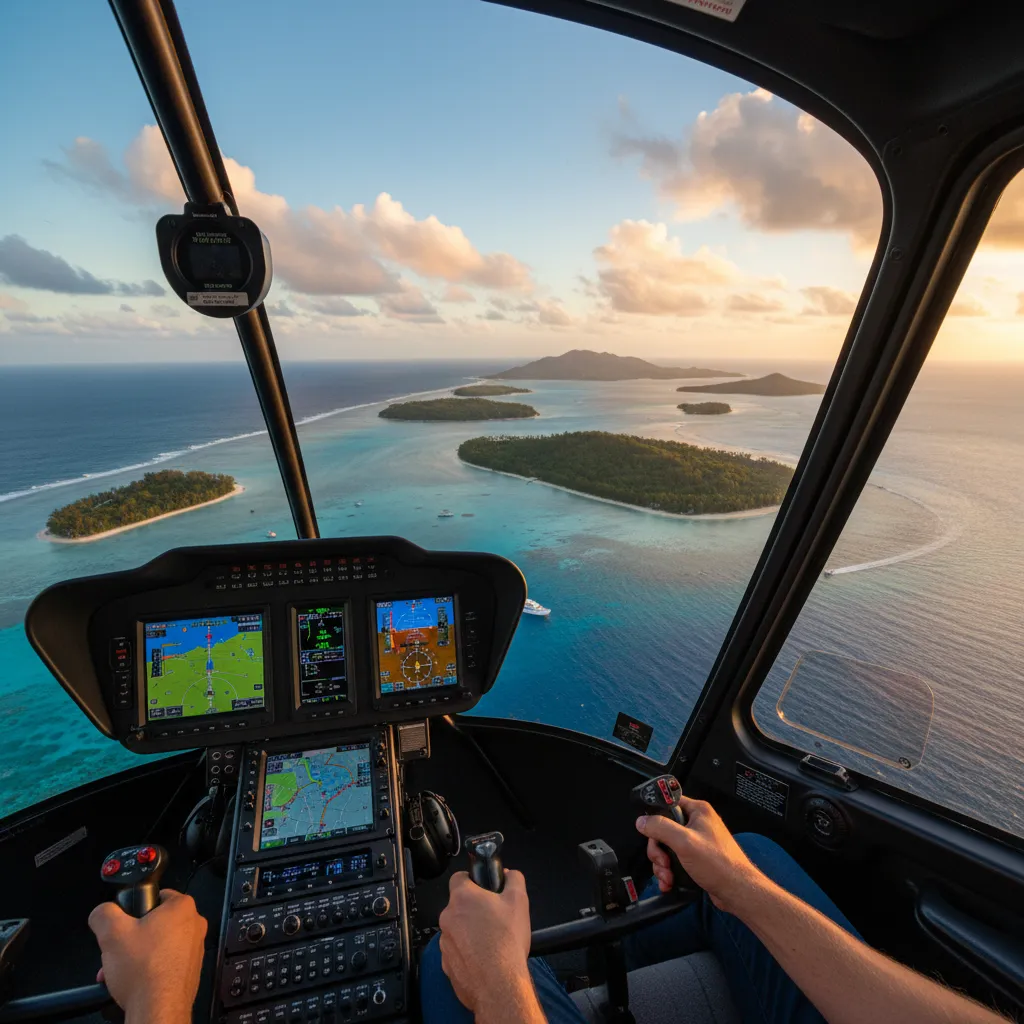
People Also Ask
How much is a helicopter from Nadi to the islands?
Prices typically range from $350 NZD to $600 NZD per person for a one-way shared transfer to the Mamanuca or Yasawa islands. Private charters start around $2,500 NZD depending on the aircraft size and destination distance.
What is the luggage allowance for Fiji helicopters?
The standard luggage allowance is strictly 15kg (33lbs) per person. Soft bags are preferred over hard-shell suitcases. Excess luggage or bulky items like golf clubs usually need to be transported separately via boat transfer.
How long is the helicopter ride to Yasawa Islands?
A helicopter flight to the Yasawa Islands takes between 25 and 35 minutes, depending on the specific resort (e.g., Kuata is closer, while Nanuya Island is further north). This saves hours compared to the 4+ hour boat ride.
Can helicopters fly at night in Fiji?
Generally, no. Most helicopter transfers in Fiji operate under Visual Flight Rules (VFR), meaning they only fly during daylight hours (roughly 6:00 AM to 6:00 PM). You must land in Nadi well before sunset to catch a connecting heli-transfer.
Is Island Hoppers or Pacific Island Air better?
Both are excellent, safety-certified operators. Island Hoppers is often preferred for Mamanuca transfers and has a large fleet of Bell helicopters. Pacific Island Air offers both helicopters and seaplanes, providing more flexibility for certain routes. Check which operator your specific resort partners with.
Do helicopters fly in the rain in Fiji?
Helicopters can fly in light rain, provided visibility remains good. However, heavy tropical storms, low cloud ceilings, or high winds will ground flights for safety. In these cases, operators usually assist in arranging boat transfers or ground accommodation.