
Group travel Fiji logistics refers to the strategic coordination of transportation, accommodation, and scheduling for large parties, particularly sports teams traveling from New Zealand. It involves securing bulk twin-share lodging, arranging private heavy-load transport for equipment, and pre-booking venues to ensure a seamless, cost-effective tour experience.
For New Zealand sports teams, the allure of Fiji goes far beyond the pristine beaches and tropical climate. It represents the perfect training ground, a venue for international friendlies, and a bonding environment that can define a season. However, moving a squad of 20 to 50 athletes, along with coaching staff and equipment, requires military-grade precision. From Nadi International Airport transfers to pitch-side management, group travel Fiji logistics is the backbone of a successful tour.
Whether you are organizing a rugby preseason camp, a netball tournament, or a corporate golf retreat, understanding the commercial nuances of Fijian infrastructure is vital. This guide provides a professional roadmap for Kiwi organizers to master the logistics of island sports travel.
Accommodation Logistics: Maximizing Budget and Comfort
The foundation of any group trip is where the team sleeps. In the context of group travel Fiji logistics, selecting the right accommodation involves balancing proximity to sporting venues, budget constraints, and the necessity of twin-share configurations.
Why is Twin-Share Essential for Sports Groups?
For commercial sports tours, the twin-share model is the industry standard for cost efficiency. It effectively halves the accommodation budget per head, allowing funds to be reallocated toward better training facilities or excursions. When negotiating with Fijian resorts, it is crucial to confirm the specific bed configurations. Many “twin” rooms in standard leisure hotels may consist of a double and a rollaway, which is unsuitable for two large rugby forwards. You must specify “split king” or dedicated dual-bed setups to ensure athlete recovery is not compromised.
Strategic Locations for Sports Teams
Logistics dictate that your base of operations should minimize travel time. For New Zealand groups, three primary zones offer the best infrastructure:
- Denarau Island: Ideal for golf groups and teams requiring high-end gym facilities. It is 20 minutes from the airport and serves as the hub for maritime transfers.
- The Coral Coast: Offers a more secluded environment conducive to focused training camps. Resorts here often have their own fields or partnerships with local villages for friendlies.
- Nadi Town Periphery: Best for budget-conscious school groups needing quick access to Prince Charles Park or local netball courts.

Mastering Private Transport and Equipment Transfers
Transport is often the single biggest point of failure in group logistics. Relying on public transport or hailing multiple taxis is not an option for a commercial sports tour. The logistics of moving a First XV rugby squad or a touring golf club requires heavy-duty solutions.
How to Manage Heavy Equipment Logistics?
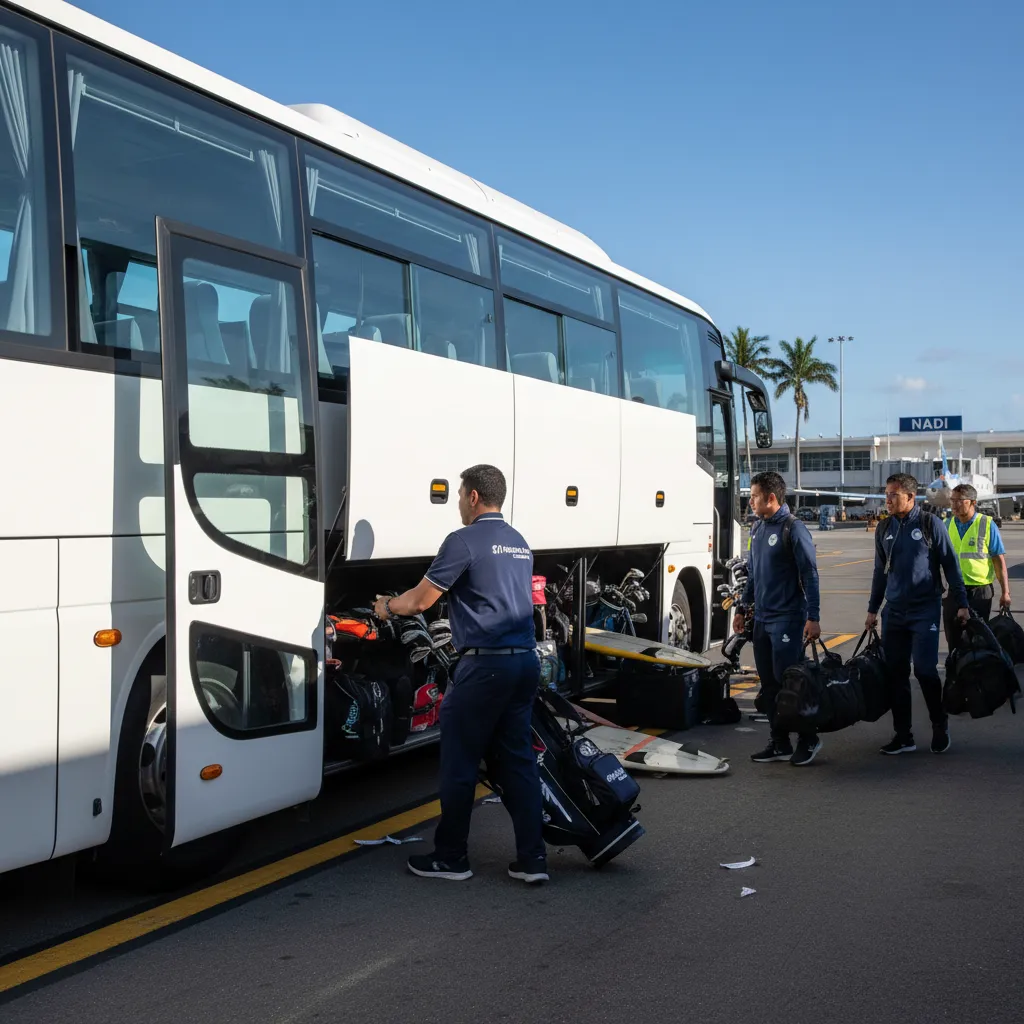
Standard shuttle buses in Fiji generally do not have the luggage capacity for 30 golf travel bags or 20 oversize kit bags plus medical equipment. When booking group travel Fiji logistics services, you must explicitly request:
- Dedicated Luggage Trucks: For groups over 20, it is often more efficient to hire a separate luggage van that follows the passenger coach.
- 50-Seater Coaches: Even if your group is only 35 people, the extra seats are necessary for personal day bags and comfort during longer drives (e.g., Nadi to Suva).
- Air-Conditioning Reliability: Ensure the charter company guarantees A/C performance. In the Fijian humidity, a broken A/C unit can lead to dehydration and heat stress before a match.
Airport Transfer Protocols
Arrival at Nadi International Airport can be chaotic. A managed logistical approach involves a “meet and greet” service where the transport coordinator handles the porters. This prevents team members from getting separated or losing gear immediately upon arrival. Pre-arranged priority loading ensures the team is on the bus and hydrating while the logistics manager oversees the equipment loading.
Pre-booking Tee Times and Sporting Venues
Spontaneity is the enemy of large group travel. To secure the best slots—whether that be a morning tee time before the heat peaks or a prime-time pitch allocation—booking months in advance is mandatory.
Securing Premier Golf Tee Times
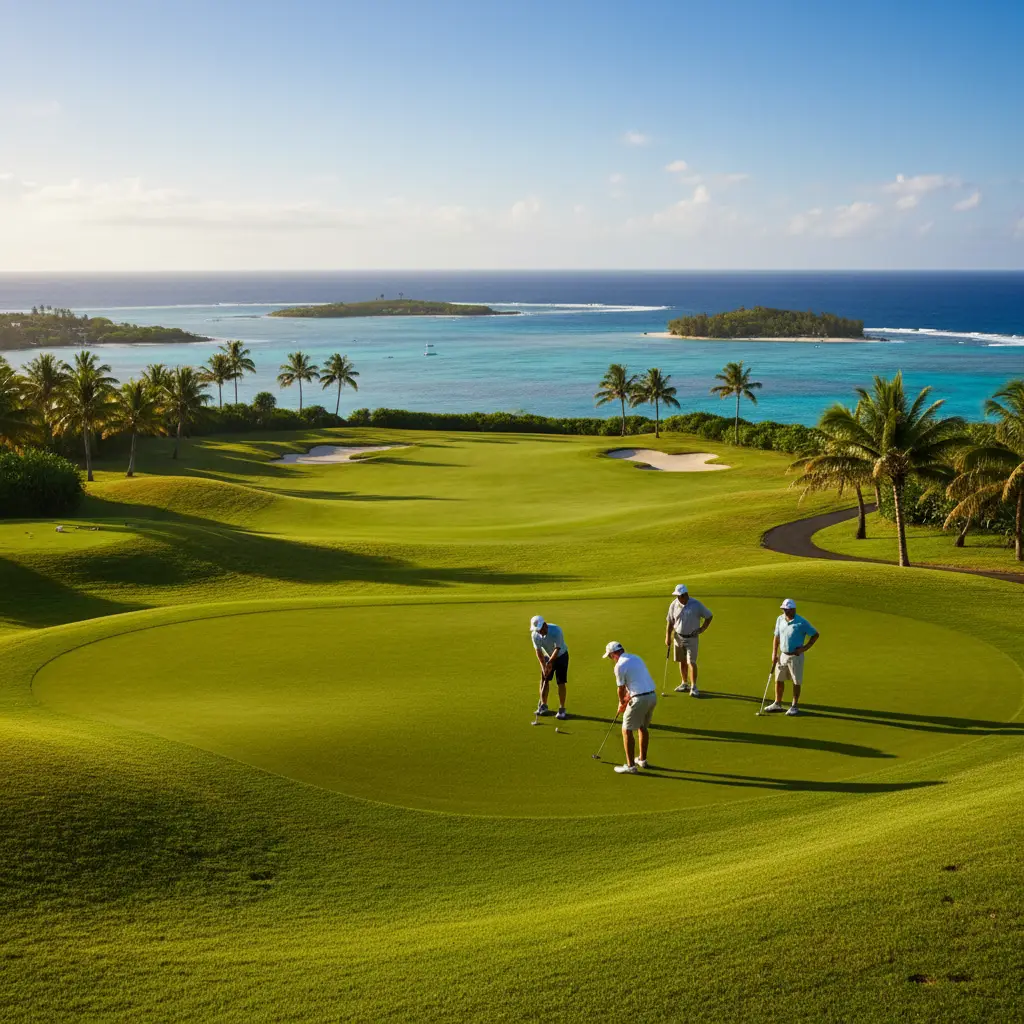
Fiji boasts championship courses like Natadola Bay and the Denarau Golf & Racquet Club. For a group of 12 to 24 golfers, showing up without a reservation is impossible. Logistics managers must coordinate:
- Shotgun Starts: Requesting a shotgun start (starting on different holes simultaneously) keeps the group finishing together, facilitating joint post-game dining.
- Cart Allocation: Ensuring enough carts are reserved and charged.
- Club Hire: Pre-listing left-handed players or specific shaft requirements if clubs are being hired locally to save on freight.
Arranging International Friendlies
For rugby, netball, and soccer teams, the highlight is often playing against local Fijian talent. This requires significant logistical groundwork. You are not just booking a field; you are coordinating with the local Fiji sporting unions. This involves securing referees, medical support on the sidelines, and ensuring the pitch meets safety standards acceptable to NZ regulations. It is highly recommended to use a specialized sports tour operator who has existing relationships with Fijian clubs to manage these fixtures.
Culinary Logistics: Group Dining and Dietary Management
Feeding an active sports team is a logistical challenge that revolves around volume, timing, and nutrition. A hungry team is an unhappy team, and resort à la carte service is often too slow for groups of 30+.
Buffet vs. Set Menu Strategies
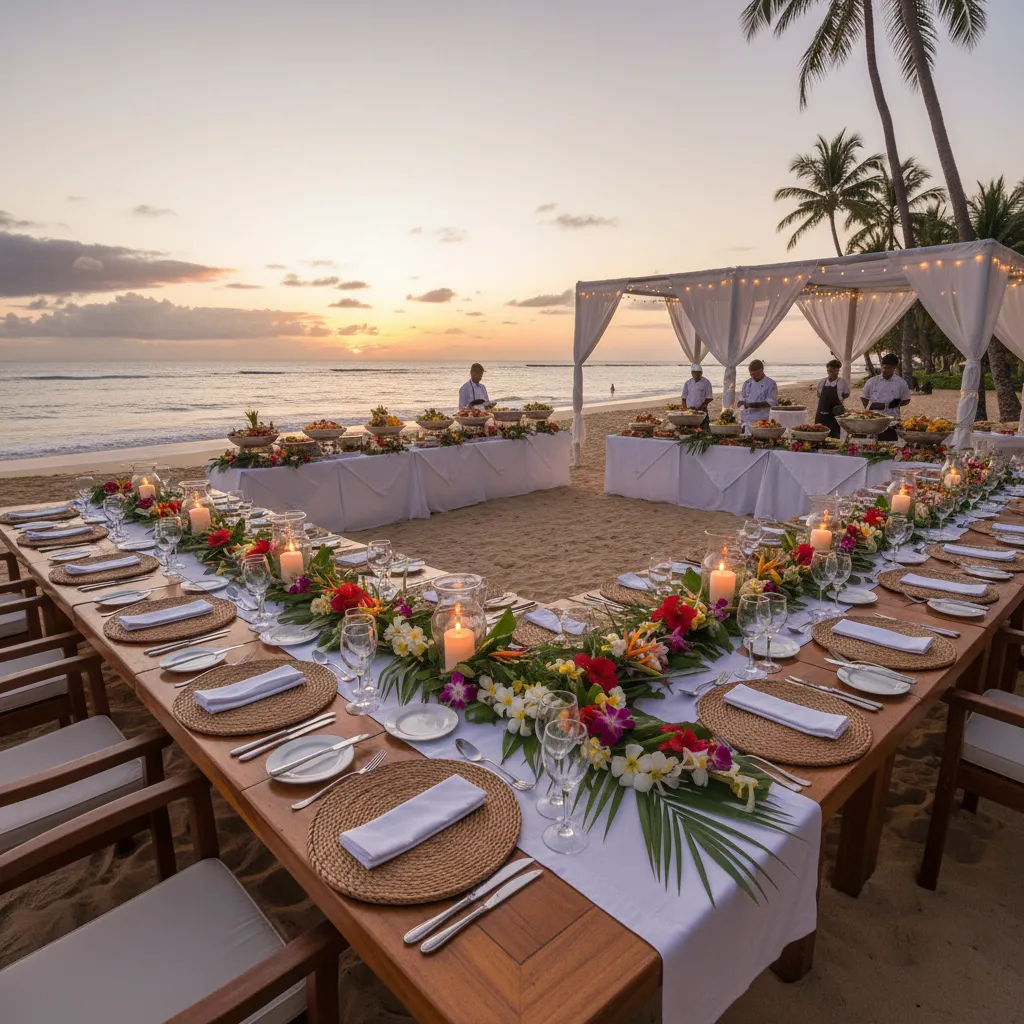
To streamline dining, pre-negotiated buffet packages are the gold standard for group travel Fiji logistics. This allows athletes to eat immediately upon arrival at the venue and control their own portion sizes (carb-loading). If a buffet isn’t available, a “feasting menu” served family-style is the next best option to ensure speed of service.
The Cultural Lovo Experience
No trip to Fiji is complete without a Lovo (earth oven feast). However, this takes hours to prepare. Logistically, this must be booked at least 48 hours in advance. It serves as an excellent team-building finale. Ensure that the venue is aware of all dietary requirements (Gluten-Free, Vegetarian, Halal) well before the fire is lit.
Hydration Logistics
Water is a critical commodity for sports teams in the tropics. Relying on hotel room mini-bars is cost-prohibitive. Smart logistics planning involves pre-purchasing bulk water (5L bottles) and ice from local supermarkets upon arrival, or negotiating a “sports water package” with your accommodation provider to ensure coolers are constantly restocked at training sessions.
Flight Coordination and Customs for Equipment
Getting to Fiji from New Zealand is relatively short (approx. 3 hours), but group ticketing requires expertise. Airlines like Fiji Airways and Air New Zealand offer specific group booking desks. The advantage here is not always a cheaper price, but flexibility—allowing name changes up to 48 hours before departure (crucial for sports teams dealing with last-minute injuries).
Navigating Biosecurity and Customs
Fiji has strict biosecurity laws, similar to New Zealand. Sports teams often bring dirty boots or equipment with soil traces, which is a major red flag.
Logistics Tip: Organize a “boot cleaning session” at the NZ airport or before leaving the club. All outdoor equipment must be scrubbed clean of soil and seeds. Failure to do so can result in hours of delays at Nadi customs while the entire team’s gear is fumigated. Furthermore, if you are bringing donation gear (old jerseys, balls) for local villages, prepare a packing list and a letter of donation to present to customs officers to avoid commercial import taxes.
Health, Safety, and Insurance Logistics
Commercial group travel requires a duty of care. The tropical environment brings specific risks, from heat exhaustion to coral cuts.
Medical Preparedness
Every sports group should travel with a dedicated medical kit that includes supplies not readily available in remote Fijian villages. Logistics planning should include mapping out the nearest medical centers to your accommodation and training grounds. For serious injuries, evacuation to Nadi or Suva is necessary.
Group Travel Insurance
Never rely on individual credit card insurance for a sports tour. Secure a comprehensive group travel insurance policy that specifically covers “amateur sports participation.” Many standard policies exclude injuries sustained during organized contact sports. Ensure the policy includes provisions for emergency air evacuation back to New Zealand.
Frequently Asked Questions
What is the best time of year for NZ sports teams to visit Fiji?
The best time for sports tours is during the Fijian dry season, from May to October. This coincides with the New Zealand winter, offering a warm escape. The humidity is lower, making high-intensity sports like rugby and netball more manageable, and the risk of tropical cyclones is minimal.
How far in advance should we book group accommodation in Fiji?
For groups requiring 10+ rooms, booking 9 to 12 months in advance is recommended, especially if traveling during NZ school holidays. Early booking secures twin-share availability and allows time to negotiate group rates and payment plans.
Can we hire sports equipment in Fiji or must we bring our own?
While golf clubs and tennis racquets are easily hired at resorts, specialized equipment for rugby, cricket, or netball (bibs, balls, cones) should be brought from NZ. The quality and availability of specific training gear cannot be guaranteed locally.
Do we need a visa for a sports tour to Fiji from New Zealand?
New Zealand passport holders do not need a visa for stays up to 4 months. However, passports must be valid for at least 6 months beyond the intended period of stay. Non-NZ passport holders within the team should check their specific visa requirements.
How do we handle money and payments for the group?
It is logistically best to pre-pay as much as possible (accommodation, transfers, activities) via bank transfer from NZ. For on-ground expenses, the team manager should carry a corporate credit card or a pre-loaded travel card. Carrying large amounts of cash is not recommended.
Is it possible to organize matches against local Fijian teams?
Yes, playing local teams is a highlight of Fiji tours. This requires coordination with local sports unions or a specialized tour operator. It is customary to present a gift (kava or equipment) to the hosting team as a sign of respect and gratitude.