
Fishing charters Nadi refer to professional, guided marine excursions departing primarily from Port Denarau, the main maritime hub near Nadi International Airport. These charters offer access to Fiji’s deep waters within minutes, targeting pelagic game fish such as Blue Marlin, Yellowfin Tuna, and Mahimahi. Services range from shared share-boat experiences to exclusive private vessels, providing all necessary heavy tackle, bait, and local expertise for anglers.
Why Nadi is a World-Class Fishing Destination
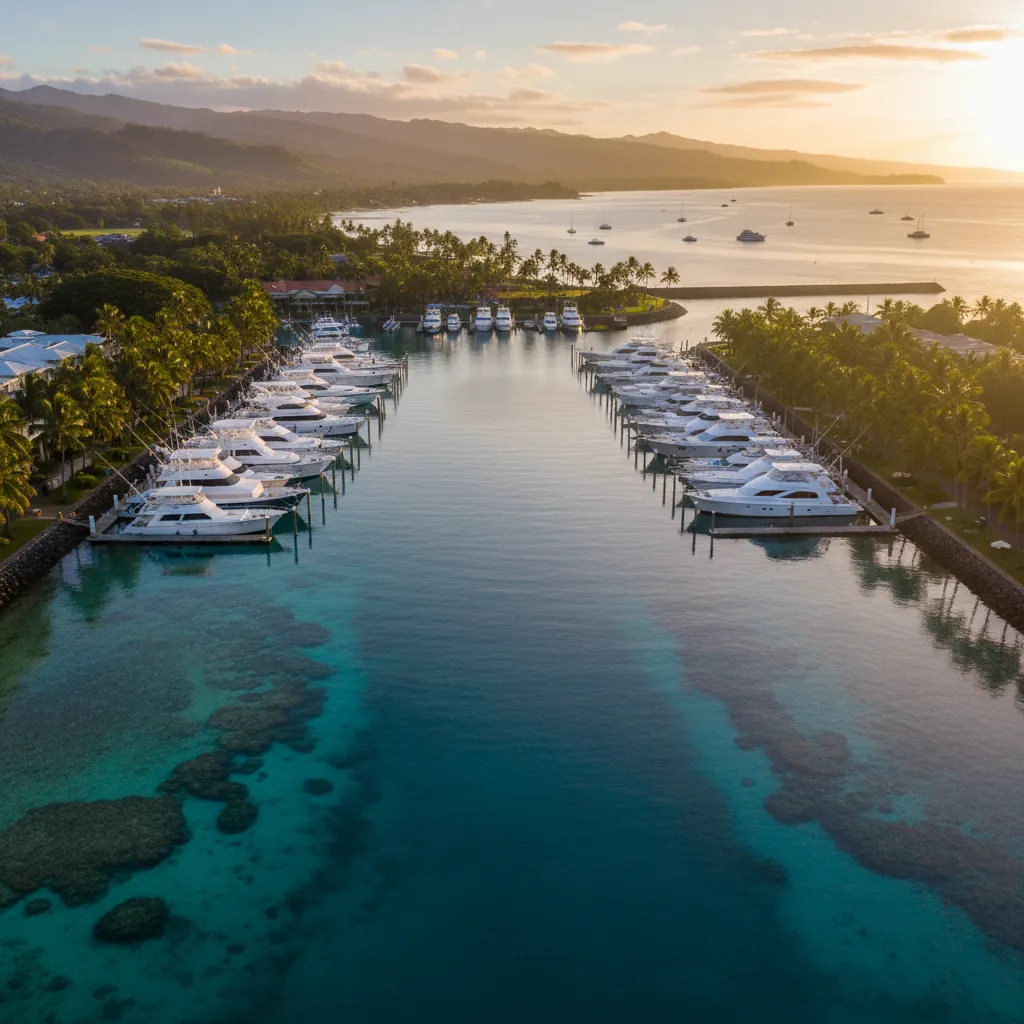
For New Zealand anglers accustomed to the cooler waters of the Hauraki Gulf or the Bay of Islands, Fiji offers a tropical heavy-tackle paradise just a three-hour flight away. While Nadi is the gateway to the country, the true hub for fishing charters Nadi is Port Denarau. Located just 20 minutes from the international airport, this marina serves as the launchpad for the majority of Fiji’s game fishing fleet.
The geography surrounding Nadi is uniquely suited for big game fishing. Unlike many global destinations where you must travel hours to reach deep water, the ocean floor drops off dramatically just outside the barrier reef in the Mamanuca group. This means lines are often in the water within 15 to 20 minutes of leaving the dock. For Kiwis looking to maximize their fishing time during a short holiday, this accessibility is unbeatable.
Furthermore, the waters off Nadi are protected from the prevailing trade winds by the main island of Viti Levu and the Mamanuca island chain, often resulting in calmer sea conditions compared to the rugged NZ coastline. Whether you are a seasoned sport fisher chasing an IGFA record or a family looking for a fun day on the water, the infrastructure and marine biodiversity here are world-class.
Target Species: What Can You Catch?
When booking fishing charters in Nadi, understanding the target species is crucial for selecting the right gear and the right time of year. While the Snapper and Kingfish back home in New Zealand are formidable, Fiji offers a step up in terms of speed, size, and power.
The Billfish: Blue and Black Marlin
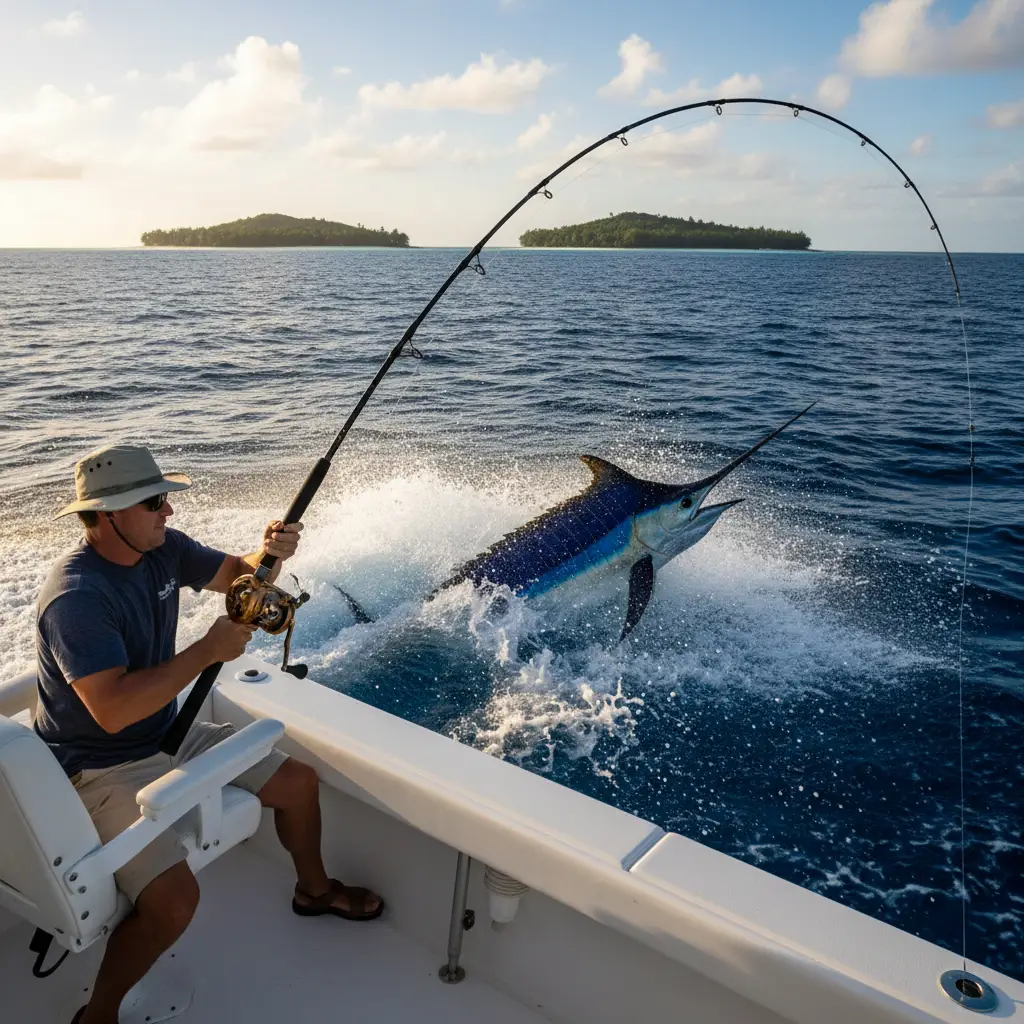
Fiji is renowned for its Marlin population. The Blue Marlin is the most coveted prize, patrolling the deep trenches (often 1,000 meters plus) just past the reef drop-offs. These fish are present year-round but peak during the warmer months. Black Marlin are also frequently caught, often closer to the reef edges. Catching a Marlin here is typically strictly catch-and-release to preserve the fishery, a practice widely supported by reputable charter operators.
Yellowfin and Skipjack Tuna
For anglers who want a battle that ends with sashimi, Yellowfin Tuna are the primary target. Ranging from “footballs” (small 5-10kg fish) to massive barrels over 60kg, Yellowfin are abundant in the waters accessible by Nadi charters. They fight hard, sounding deep and testing the endurance of any angler. Skipjack Tuna are also plentiful and, while smaller, provide excellent sport on light tackle and serve as prime bait for Marlin.
Mahimahi (Dolphinfish)
A favorite for both their acrobatic fights and their table quality, Mahimahi are a staple of Fiji fishing. Recognizable by their vibrant green and gold colors and blunt heads, they are often found near floating debris or current lines. For NZ travelers, Mahimahi represents the ultimate tropical catch—fast, beautiful, and delicious.
Giant Trevally (GT)
While most Nadi charters focus on trolling, many operators offer popping excursions for Giant Trevally. Known as the “gangsters of the reef,” GTs require heavy spinning gear and immense physical strength to pull away from the coral structures. If you want to cast poppers rather than troll lures, you must specify this when booking, as it requires a different boat setup and location.
Private vs. Shared Charters: Choosing Your Boat
One of the most common decisions travelers face is choosing between a private charter and a shared (share-boat) charter. Your choice will dictate the cost, the target species, and the overall experience.
Private Charters
A private charter gives you exclusive use of the vessel, captain, and crew. This is the recommended option for serious anglers, families, or groups of friends (like a stag do).
Pros:
- Control: You decide what to fish for. If you want to chase Marlin all day, you can. If you want to stop and snorkel, you can.
- Flexibility: Departure times can often be adjusted to suit your schedule.
- Gear: You have first rights to the fighting chair and all rods.
Shared Charters
Shared charters are sold on a per-person basis, where you join a group of strangers on a boat. This is popular for solo travelers or couples who cannot justify the cost of a private boat.
Pros:
- Cost-Effective: Significantly cheaper than hiring a whole boat.
- Social: Great for meeting other travelers.
Cons:
- Limited Strategy: The captain will usually stick to general trolling to ensure everyone gets a turn on the rod. Targeting specific species like GTs is rarely possible.
- Rotation: You must take turns reeling in fish. If a Marlin strikes when it’s not your turn, you are a spectator.
Cost Breakdown: Half-Day vs. Full-Day Pricing
Pricing for fishing charters Nadi varies based on the size of the boat, the season, and the prestige of the operator. Below is a general guide to help you budget for your trip. Note that prices are typically quoted in Fijian Dollars (FJD), so New Zealand travelers should check current exchange rates.
Half-Day Charters (4-5 Hours)
Half-day charters usually depart at 7:00 AM or 1:00 PM. These are excellent for families or those who want to fish in the morning and relax by the resort pool in the afternoon.
Estimated Cost (Private): $1,200 – $2,000 FJD (Approx. $850 – $1,400 NZD).
Share-Boat Per Person: $350 – $500 FJD (Approx. $250 – $350 NZD).
What to expect: You will likely fish the waters around the Mamanuca Islands. You can catch Tuna, Mahimahi, and Spanish Mackerel. Marlin are possible but less likely due to the limited time to reach deep water and troll effectively.
Full-Day Charters (8-9 Hours)
A full day is required for serious game fishing. This allows the captain to travel further to “The Trenches” or offshore seamounts where the trophy fish live.
Estimated Cost (Private): $2,500 – $4,500 FJD (Approx. $1,750 – $3,200 NZD).
Share-Boat Per Person: $600 – $800 FJD (Approx. $420 – $560 NZD).
What to expect: This is a heavy tackle adventure. You will have the time to hunt Blue Marlin and large Yellowfin. Lunch and drinks are typically included in the price.
Cooking Your Catch: Policies and “Hook and Cook”
For many Kiwis, the highlight of a fishing trip is the feed afterwards. However, policies regarding the catch can vary significantly in Fiji compared to New Zealand.
Who Keeps the Fish?
In Fiji, the general custom on many charter boats is that the catch belongs to the boat. The crew sells the fish to local markets to supplement their wages. However, almost all operators are happy to fillet enough fish for the guests to enjoy a few meals. Crucial Tip: Always clarify the catch policy before you book. If you want to keep a whole Tuna, you must negotiate this in advance.
“Hook and Cook” Options
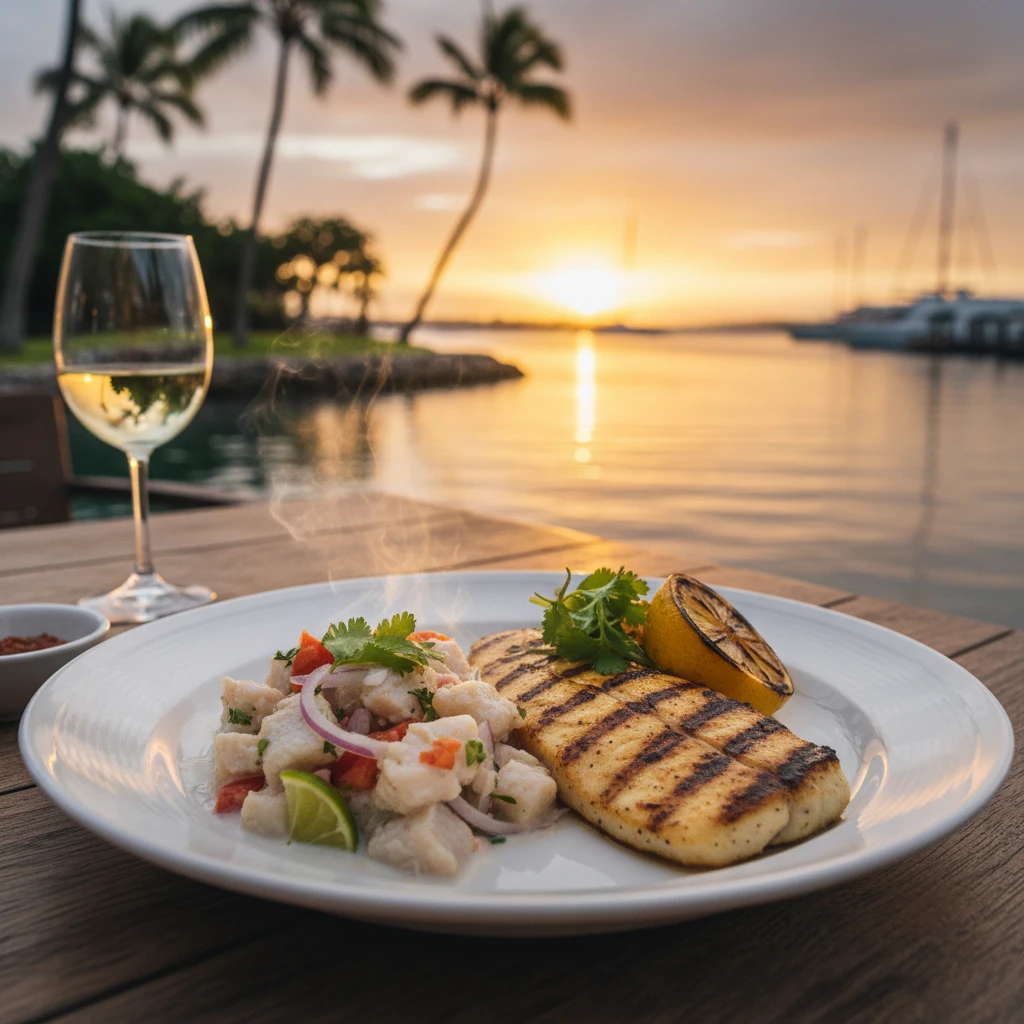
Port Denarau is famous for its “Hook and Cook” services. Several restaurants at the marina and nearby resorts will cook your fresh catch for a fee (usually around $25-$40 FJD per person). They will prepare it in various styles—Fijian Kokoda (raw fish in coconut cream), grilled, or battered and fried.
Ask your charter captain to fillet a Mahimahi or Tuna for you upon return to the dock. They will bag it up, and you can walk it straight to a participating restaurant like The Cardo’s Steakhouse or similar venues in the Denarau complex. It is the freshest seafood meal you will ever have.
Seasonal Calendar for NZ Anglers
Fiji is a year-round fishing destination, but seasonality dictates what you are most likely to catch. For New Zealanders planning a winter escape, the timing is often perfect.
- June to August (NZ Winter): This is the Fijian “winter” (dry season). The trade winds can be stronger, but this is prime time for Wahoo and Spanish Mackerel. Yellowfin Tuna are also present. It is a great time to escape the NZ cold, though the ocean can be a bit choppier.
- September to November: The winds die down, and the water warms up. This is the start of the heavy tackle season. Large Yellowfin Tuna runs occur during this period.
- December to March (Summer): This is the peak season for Blue Marlin. The water is warmest (28°C+), attracting the big predators. However, this is also cyclone season, so travel insurance is essential. Mahimahi are abundant during these wet season months.
Essential Gear and Preparation
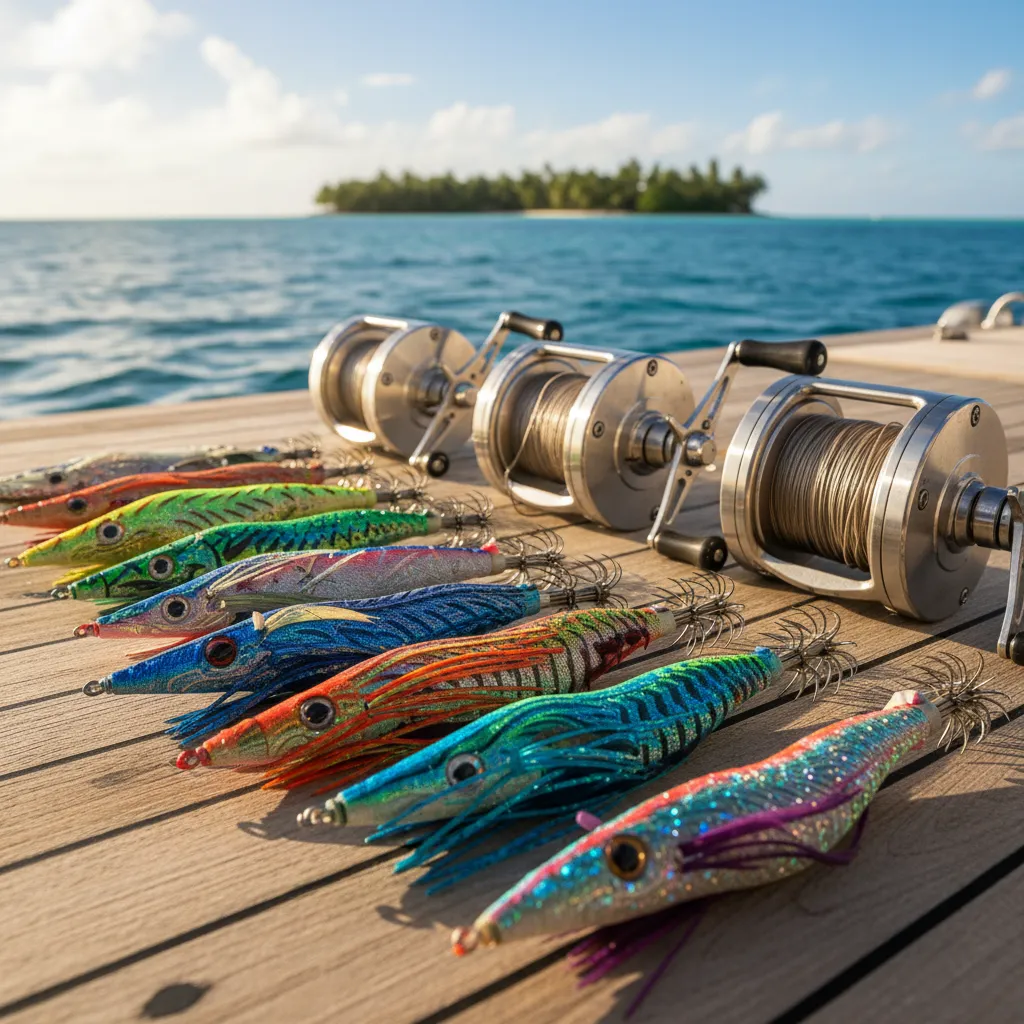
When packing for fishing charters Nadi, you generally do not need to bring your own rods or reels. The charter boats are equipped with high-quality Shimano or Penn international gear (usually 50w to 130w class). However, there are a few items Kiwis should pack:
- Polarized Sunglasses: Essential for spotting fish and protecting eyes from the intense tropical glare.
- Sun Protection: The Fiji sun is far more intense than in New Zealand. Bring high SPF sunscreen, a long-sleeve UV fishing shirt, and a wide-brimmed hat.
- Motion Sickness Medication: Even if you are fine on the Hauraki Gulf, the Pacific swell can be different. Take medication the night before and the morning of the trip.
- Snacks/Alcohol: While most full-day charters provide lunch and soft drinks, alcohol is usually BYO (Bring Your Own). Cans are preferred over glass bottles for safety on deck.
Frequently Asked Questions
What is the best month for fishing in Nadi?
The best month depends on the species. For Blue Marlin, the summer months of January to March are peak. For Yellowfin Tuna and Wahoo, the winter months (June to August) offer excellent action, making it ideal for Kiwis escaping the cold.
Do I need a fishing license in Fiji?
No, recreational anglers do not currently need a fishing license to fish on charter boats in Fiji. The charter operator covers all necessary permits for the vessel.
Can I keep all the fish I catch?
Policies vary by boat. Traditionally, the catch belongs to the boat to support the crew, but they will almost always fillet enough fish for you to enjoy several meals. Always confirm this policy before booking if you intend to keep a large amount of meat.
How much does a fishing charter cost in Nadi?
A private half-day charter typically costs between $1,200 and $2,000 FJD ($850-$1,400 NZD). A full-day private charter ranges from $2,500 to $4,500 FJD ($1,750-$3,200 NZD). Shared options are cheaper, averaging $350-$500 FJD per person.
Are kids allowed on fishing charters?
Yes, most private charters are family-friendly and welcome children. Crews are generally very helpful with kids. However, shared charters may have age restrictions, so it is best to book a private vessel for family trips.
How far out do the boats go?
Boats typically travel past the Malolo Barrier Reef. Deep water (1,000m+) is accessible within 10 to 15 miles of Port Denarau, meaning you don’t have to travel for hours to reach the fishing grounds.