
Fiji vs Samoa Holiday: Which South Pacific Paradise is Better?
For New Zealand travelers deciding between a Fiji vs Samoa holiday, the choice depends on travel style. Fiji offers a highly developed tourism infrastructure with world-class luxury resorts, extensive kids’ clubs, and polished hospitality perfect for families and relaxation. Conversely, Samoa provides a raw, authentic cultural immersion with untouched landscapes, traditional open-air fales, and a slower, rustic pace ideal for adventurers seeking genuine connection.
Planning a tropical getaway from New Zealand often boils down to two heavyweights of the South Pacific: Fiji and Samoa. Both archipelagos offer stunning turquoise waters, warm climates, and short flight times from Auckland. However, the on-ground experience differs significantly.
Fiji is the polished titan of tourism, boasting hundreds of islands, 5-star multinational hotel chains, and a service industry fine-tuned over decades. Samoa, often described as “The Treasure Island,” feels untouched by time, offering a deeply traditional Polynesian experience where life revolves around the family, the church, and the village.
Infrastructure and Roads: Getting Around
When comparing a Fiji vs Samoa holiday, the ease of travel and the state of infrastructure is a major differentiator, particularly for families traveling with young children or seniors.
How developed is the tourism infrastructure in Fiji?
Fiji is the most developed tourism destination in the South Pacific. Nadi International Airport is a major hub, and the infrastructure supports mass tourism efficiently. The main island, Viti Levu, has paved roads connecting major hubs like Denarau, the Coral Coast, and Suva. Transportation options are vast, ranging from air-conditioned coaches and private transfers to seaplanes and helicopters that whisk guests to the Mamanuca and Yasawa islands.
However, outside of the main tourist corridors, roads can become rugged. Yet, the existence of Port Denarau as a maritime hub makes island hopping incredibly streamlined. You can check into your resort on the mainland and easily take a high-speed catamaran to an island day club like Cloud 9.
Is it easy to drive in Samoa?
Samoa feels much more rustic. The two main islands, Upolu and Savai’i, are circled by sealed ring roads that are generally in good condition, offering scenic drives through villages and along coastlines. Traffic is significantly lighter than in Fiji. Like New Zealand, Samoa drives on the left side of the road (a permanent switch made in 2009), making it very comfortable for Kiwi travelers to rent a car and explore independently.
The infrastructure in Samoa is less commercialized. You won’t find the massive marinas or the fleet of seaplanes typical of Fiji. Travel between Upolu and Savai’i requires a ferry ride, which is an adventure in itself but requires scheduling. If you prefer a self-drive holiday where you can explore waterfalls and swimming holes at your own pace without crowds, Samoa wins.
Resort Variety: Luxury vs. Authenticity
The type of accommodation you desire is perhaps the biggest deciding factor in the Fiji vs Samoa debate.
What kind of resorts does Fiji offer?
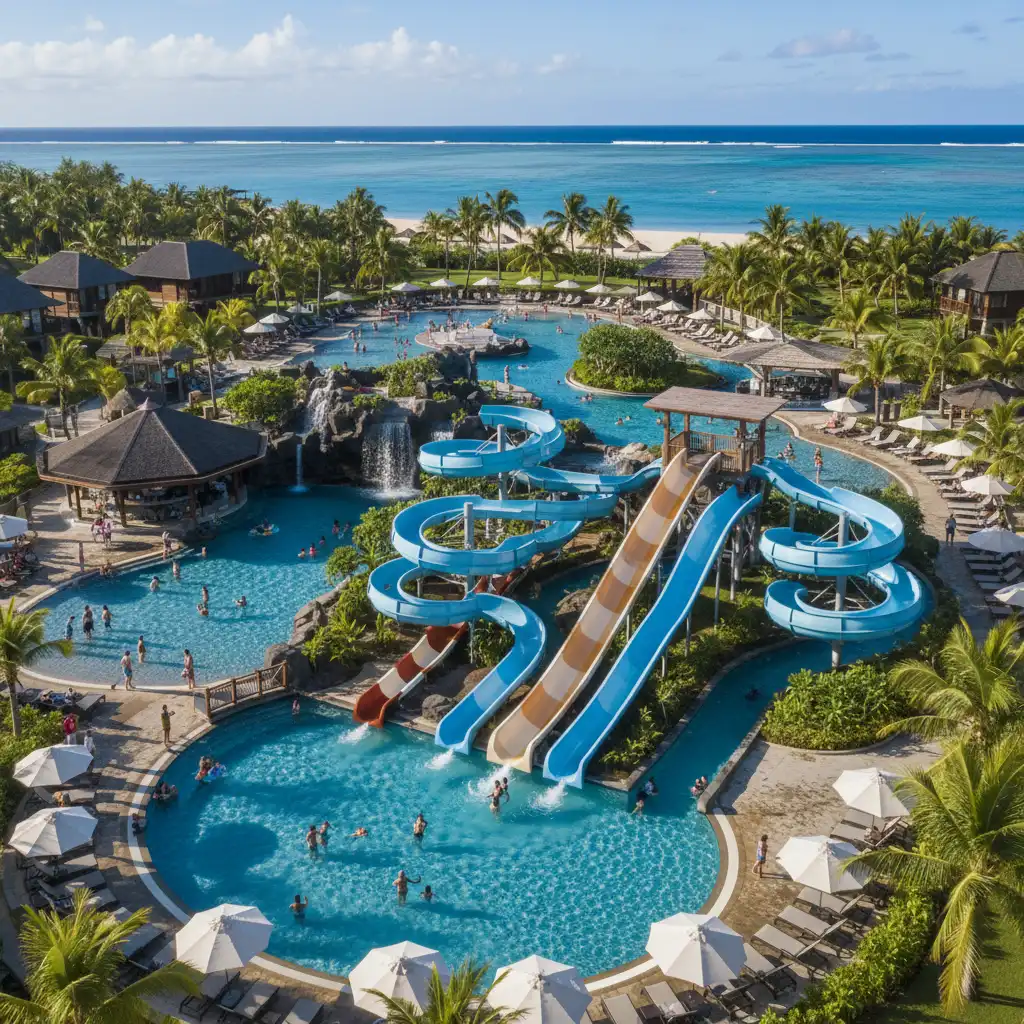
Fiji is synonymous with “resort life.” It caters exceptionally well to two distinct markets: families and luxury honeymooners. Areas like Denarau Island feature integrated 5-star resorts (Sheraton, Hilton, Radisson) with massive lagoon pools, multiple restaurants, and world-class kids’ clubs. If you want a holiday where you don’t need to leave the property, Fiji is the superior choice.
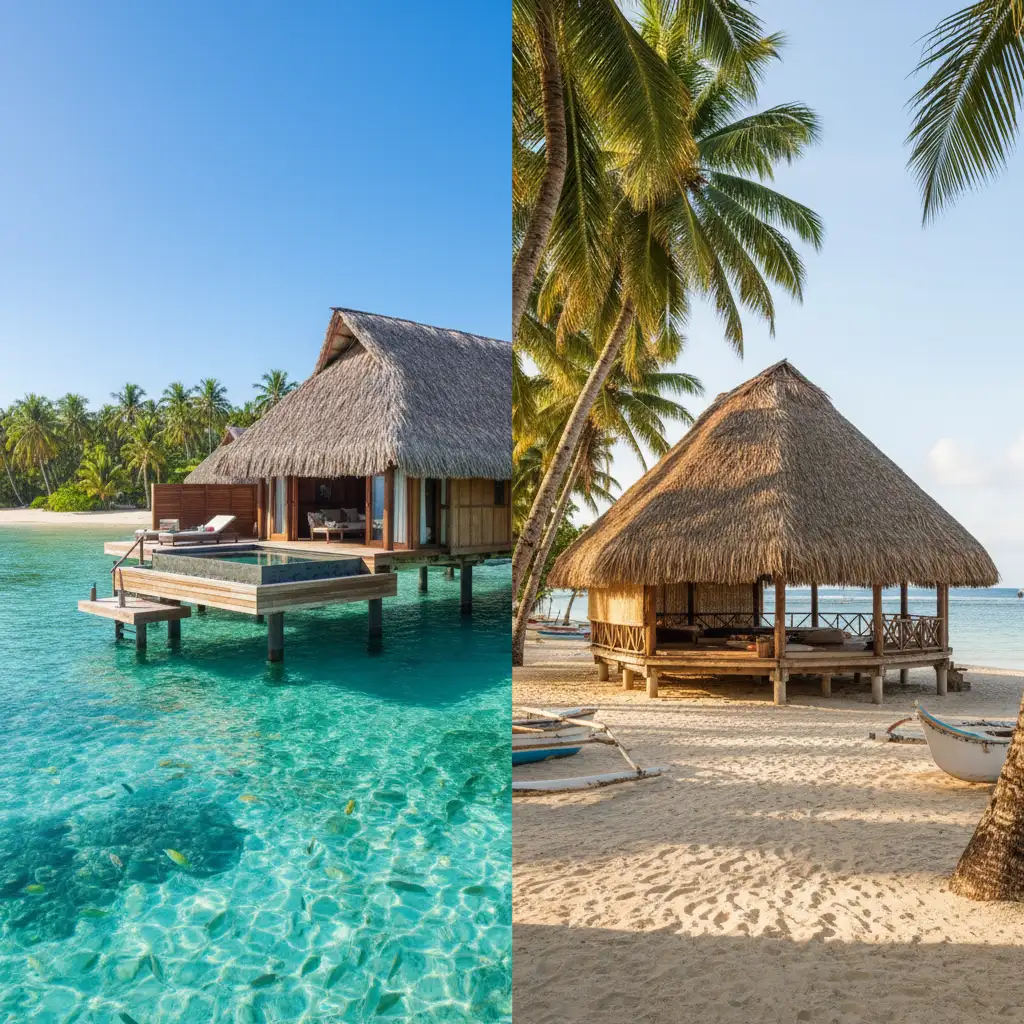
Furthermore, Fiji offers private island resorts in the Mamanucas and Yasawas that provide the quintessential overwater bungalow experience, rivaling the Maldives but much closer to New Zealand.
What is accommodation like in Samoa?
Samoa offers a more boutique and traditional accommodation style. While there are a few upscale resorts (like Sheraton Samoa Beach Resort or Saletoga Sands), the scale is smaller and more intimate. You won’t find the mega-resorts of Denarau here.
The unique selling point of Samoa is the beach fale. These are open-air, thatched-roof huts situated directly on the sand. Staying in a fale is a cultural immersion; you sleep under a mosquito net listening to the waves crash just meters away. It is a budget-friendly and deeply authentic way to experience the islands, favored by backpackers and adventurous couples. For those wanting comfort, enclosed fales with air conditioning are available, but the vibe remains distinctly low-rise and integrated with nature.
Cultural Experiences: Bula vs. Fa’a Samoa
Both nations are incredibly friendly, but the cultural expression differs. Fiji is a melting pot, while Samoa is deeply traditional.
How does Fijian culture impact the holiday?
The “Bula Spirit” is legendary. Fijians are renowned as some of the happiest people on earth, and their hospitality is effusive. Fiji is also a multicultural society with a significant Indo-Fijian population. This blend influences the food (amazing curries), the festivals (Diwali is celebrated), and the architecture.
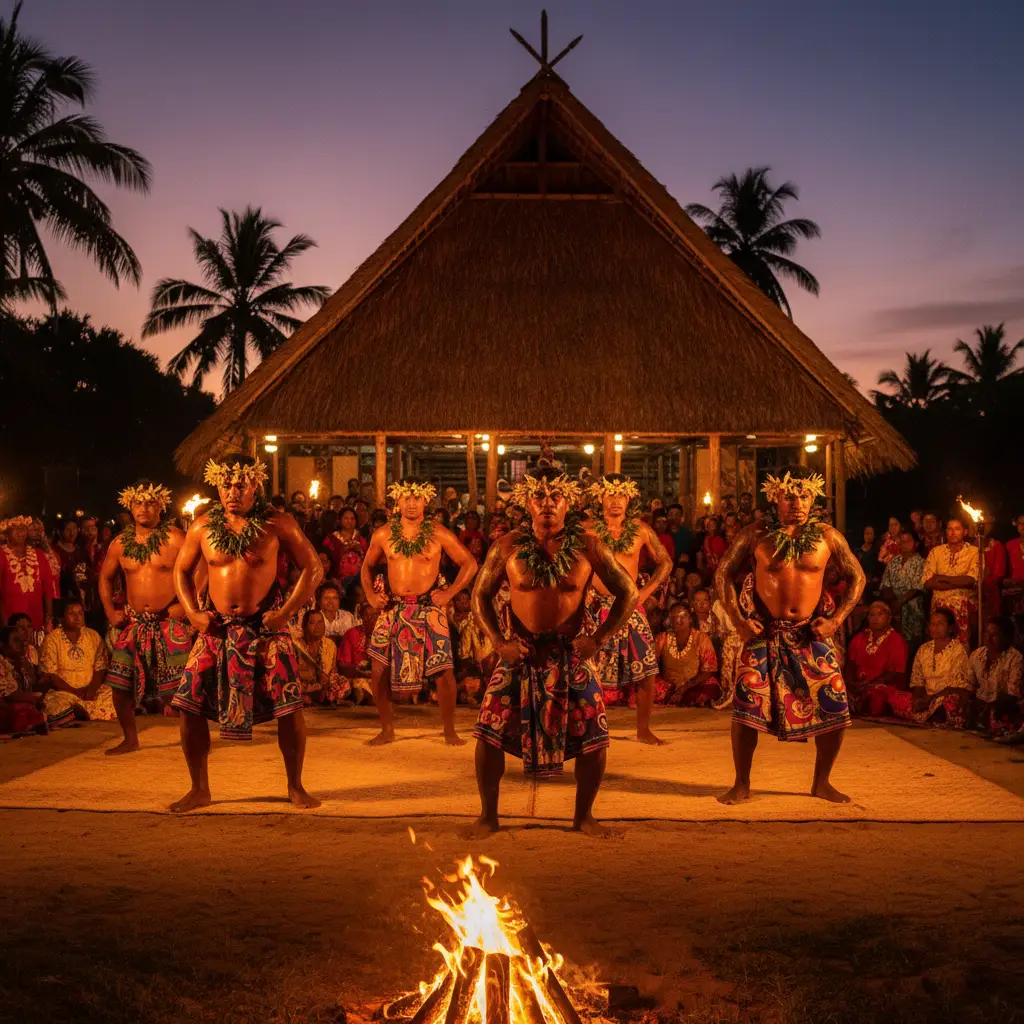
Cultural experiences in resorts are often curated—think Meke dance nights and fire walking shows. To see “real” Fiji, you need to leave the resort enclave and visit a local village or market in Nadi or Suva.
What is Fa’a Samoa?
Samoa is one of the most traditional societies in the Pacific, governed by Fa’a Samoa (The Samoan Way). This ancient code of conduct emphasizes respect for elders, the church, and the extended family. The culture here feels less “put on” for tourists and more like a window into daily life.
Sunday is sacred in Samoa. Most activities cease, and the islands go quiet as locals attend church in their finest white attire. Visitors are often welcome to attend these services, which are filled with incredible choral singing. If you are looking for a culture that hasn’t changed much in centuries, Samoa is the destination. However, travelers must be respectful of local customs, such as asking permission before swimming in a village lagoon and dressing modestly outside of beach areas.
Cost Comparison for NZ Travelers
For Kiwis, budget is often a primary driver. Both destinations use their own currency (Fijian Dollar – FJD and Samoan Tala – WST), and exchange rates with the NZD are generally favorable.
Is Fiji or Samoa cheaper for a holiday?
Flights: Flight prices from Auckland are often comparable, though Fiji has more frequency and competition (Air New Zealand and Fiji Airways), which can lead to better sale fares. Samoa is serviced by Air New Zealand and Fiji Airways (via Nadi), but direct options are slightly more limited.
Accommodation: Fiji has a wider price bracket. You can spend $5,000 NZD a night on a private island or $150 NZD at a backpacker lodge. However, the “standard” family holiday in Fiji at a 4-5 star resort with meal plans can get expensive quickly due to high resort taxes and food costs inside the hotels.
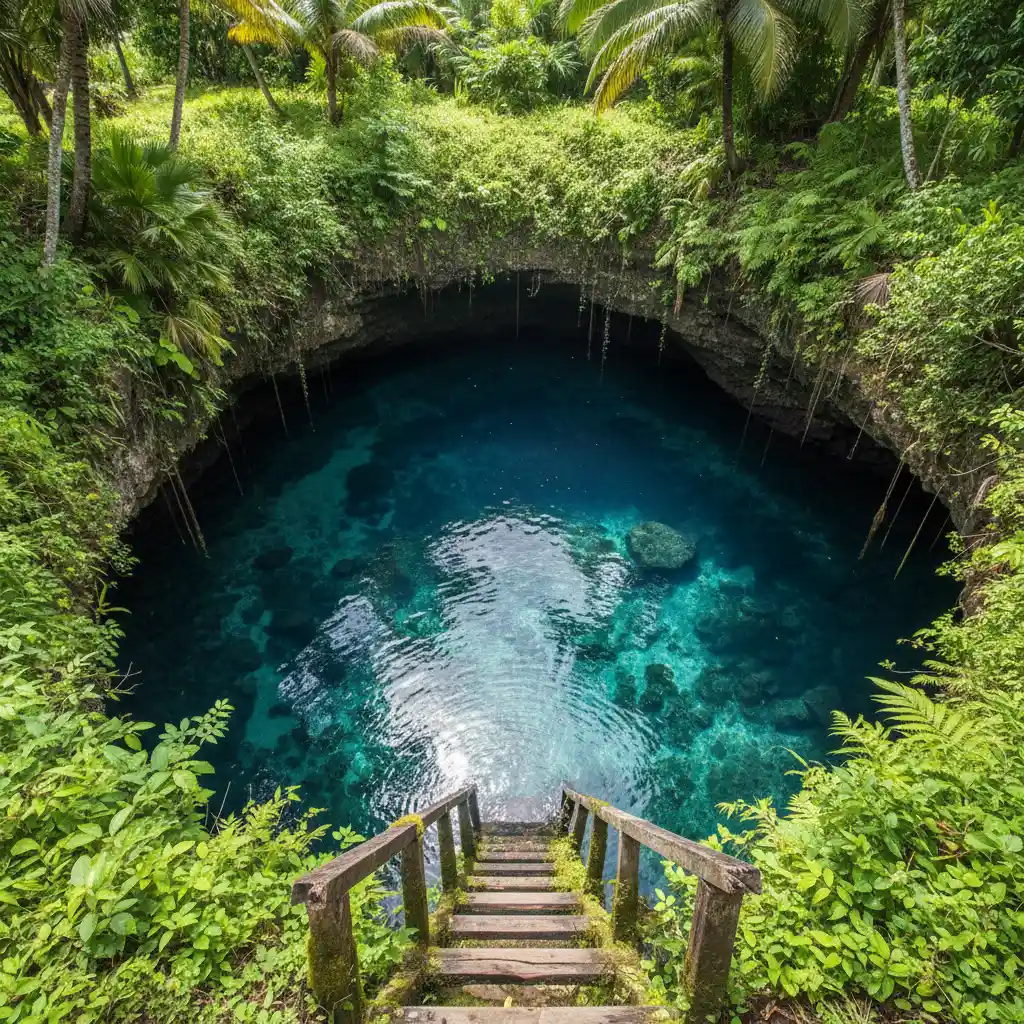
On the Ground: Samoa is generally cheaper for on-the-ground spending. Local food, beer (Vailima), and transport are very affordable. Because there are fewer “tourist trap” restaurants, you often pay prices closer to what locals pay. Entry fees to major attractions like the To Sua Ocean Trench are nominal (around $20 WST) compared to the high cost of day trips in Fiji (e.g., $200+ FJD for island day cruises).
Summary: If you want a luxury resort experience, Fiji offers better value for high-end inclusions. If you are a budget traveler or self-caterer, your NZD will stretch further in Samoa.
Beaches, Snorkeling, and Activities
The geography of the islands dictates the activities available.
Who has better beaches: Fiji or Samoa?
Fiji: The main island (Viti Levu) actually has darker sand beaches that aren’t the postcard white you might expect. To get the blinding white sand and electric blue water, you must go to the Mamanuca or Yasawa islands. Snorkeling in Fiji is world-class, known as the “Soft Coral Capital of the World.” The marine life is vibrant and accessible.
Samoa: Upolu and Savai’i are volcanic islands, but they boast stunning white sand beaches directly on the main islands. Lalomanu Beach on Upolu is frequently voted one of the best beaches in the world. You don’t need a boat transfer to find paradise in Samoa; you just drive there. The snorkeling is excellent, particularly at the Palolo Deep Marine Reserve, though the currents can be stronger.
Adventure Activities
- Fiji: Zip-lining, jet boating, shark diving in Beqa Lagoon, surfing world-class breaks like Cloudbreak, and river safaris.
- Samoa: Swimming in the To Sua Ocean Trench (a giant swimming hole formed by a lava tube), sliding down the Papase’ea Sliding Rocks, exploring lava fields on Savai’i, and hiking to waterfalls.
The Final Verdict: Which Should You Choose?
Making the final call on a Fiji vs Samoa holiday comes down to what you value most in your escape.
Choose Fiji If:
- You are traveling with kids: The kids’ clubs and nanny services are unbeatable.
- You want luxury: You prefer 5-star service, swim-up bars, and fine dining.
- You want convenience: You want a direct flight and a seamless transfer to a resort where you don’t have to lift a finger.
- You love water sports: You want easy access to diving, surfing, and island hopping.
Choose Samoa If:
- You want adventure: You prefer renting a car and finding hidden waterfalls and empty beaches.
- You are on a budget: You want to experience paradise without the 5-star price tag.
- You want culture: You want to see a Polynesian way of life that hasn’t been commodified for tourists.
- You hate crowds: You want to feel like you’ve discovered a secret island.
People Also Ask
Is Fiji or Samoa warmer in July?
Both Fiji and Samoa are tropical, but Samoa is closer to the equator. In July (NZ winter), Samoa is generally slightly warmer and more humid, with average highs around 29°C, whereas Fiji can be slightly cooler and drier, averaging 26°C, which many Kiwis find more comfortable.
Which is safer for tourists, Fiji or Samoa?
Both destinations are considered very safe for tourists. Samoa has a very low crime rate due to the strong village structure. Fiji is also safe in tourist areas, though standard precautions should be taken in urban centers like Suva at night. The biggest danger in both is usually the sun and ocean currents.
Can you fly direct from New Zealand to Samoa?
Yes, Air New Zealand offers direct flights from Auckland to Faleolo International Airport (APW) in Samoa. The flight time is approximately 3 hours and 45 minutes. Fiji Airways also connects via Nadi.
Is the food better in Fiji or Samoa?
This is subjective. Fiji offers a wider variety of international cuisine and exceptional Indian-Fijian fusion curries. Samoa offers more traditional Polynesian staples like Oka (raw fish in coconut cream), Palusami (taro leaves with coconut cream), and roast pork. Fiji wins on fine dining; Samoa wins on fresh, local soul food.
Do I need a visa for Fiji or Samoa as a New Zealander?
New Zealand passport holders do not need a visa for tourist visits to either Fiji or Samoa (usually up to 60 or 90 days), provided you have a return ticket and at least 6 months of validity remaining on your passport.
Which island is better for a honeymoon?
Fiji is generally considered the top honeymoon destination due to its adults-only private island resorts (like Likuliku or Tokoriki) designed specifically for romance. Samoa offers a more rustic, secluded romance, perfect for couples who want to escape the world in a beachfront fale.