
Suva food tour booking involves reserving guided culinary experiences in Fiji’s capital, ranging from immersive walks through the Suva Municipal Market to tasting authentic Indo-Fijian street food and participating in farm-to-table cooking classes. Travelers can secure spots via specialized travel operators, with prices typically ranging from $50 to $180 FJD depending on tour exclusivity, duration, and inclusion of transport.
Why Prioritize a Suva Food Tour Booking?
Suva is not merely the administrative capital of Fiji; it is the culinary heartbeat of the South Pacific. Unlike the resort-heavy areas of Nadi or the Coral Coast, Suva offers a gritty, authentic, and sensory-rich environment where the multicultural history of the islands is best experienced through taste. A specialized Suva food tour booking is your gateway to understanding the complex fusion of indigenous Fijian (iTaukei), Indo-Fijian, Chinese, and European influences that define modern Fijian cuisine.
For the discerning traveler, navigating this landscape without a guide means missing out on the hidden gems—the hole-in-the-wall curry houses, the specific vendors with the freshest sea grapes (nama), and the etiquette required when entering local culinary spaces. Professional tours provide the context, safety, and access necessary to transform a simple meal into a cultural immersion.
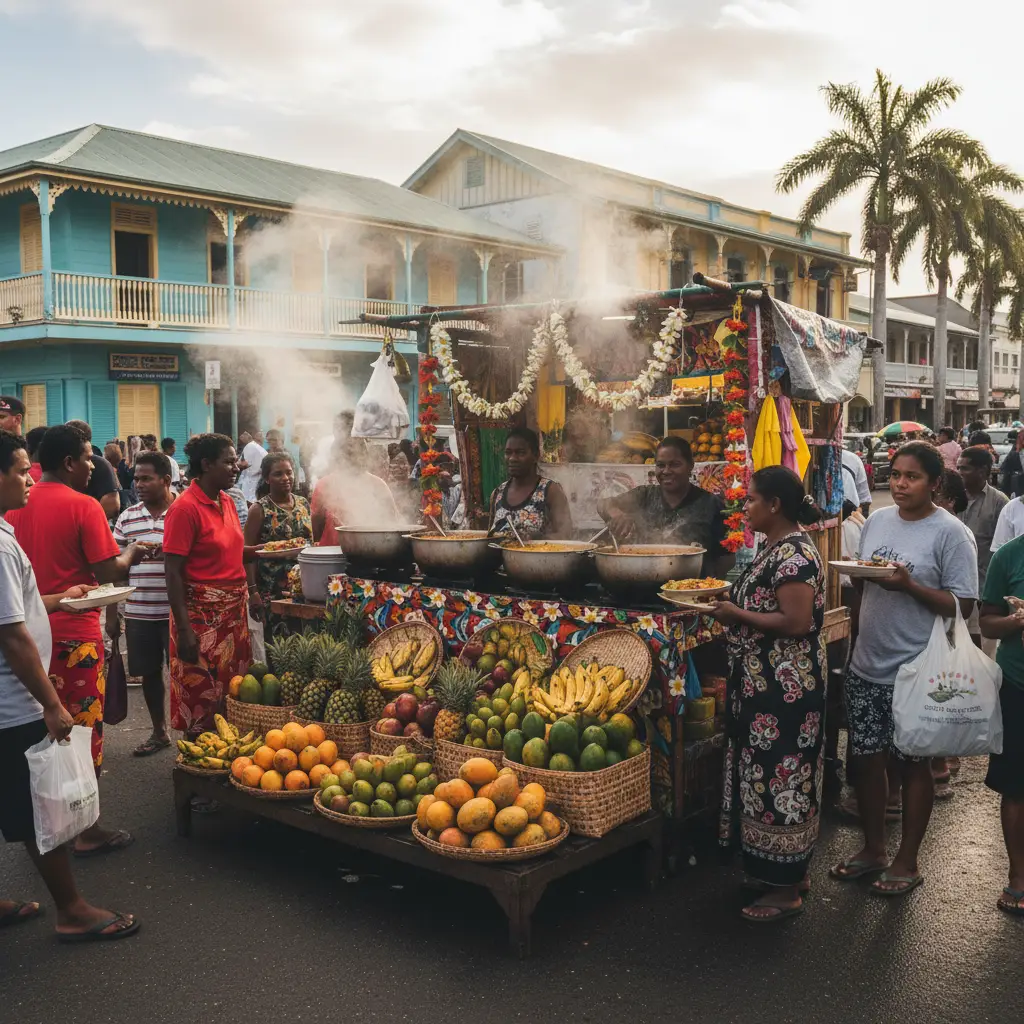
What to Expect from Suva Municipal Market Tours?
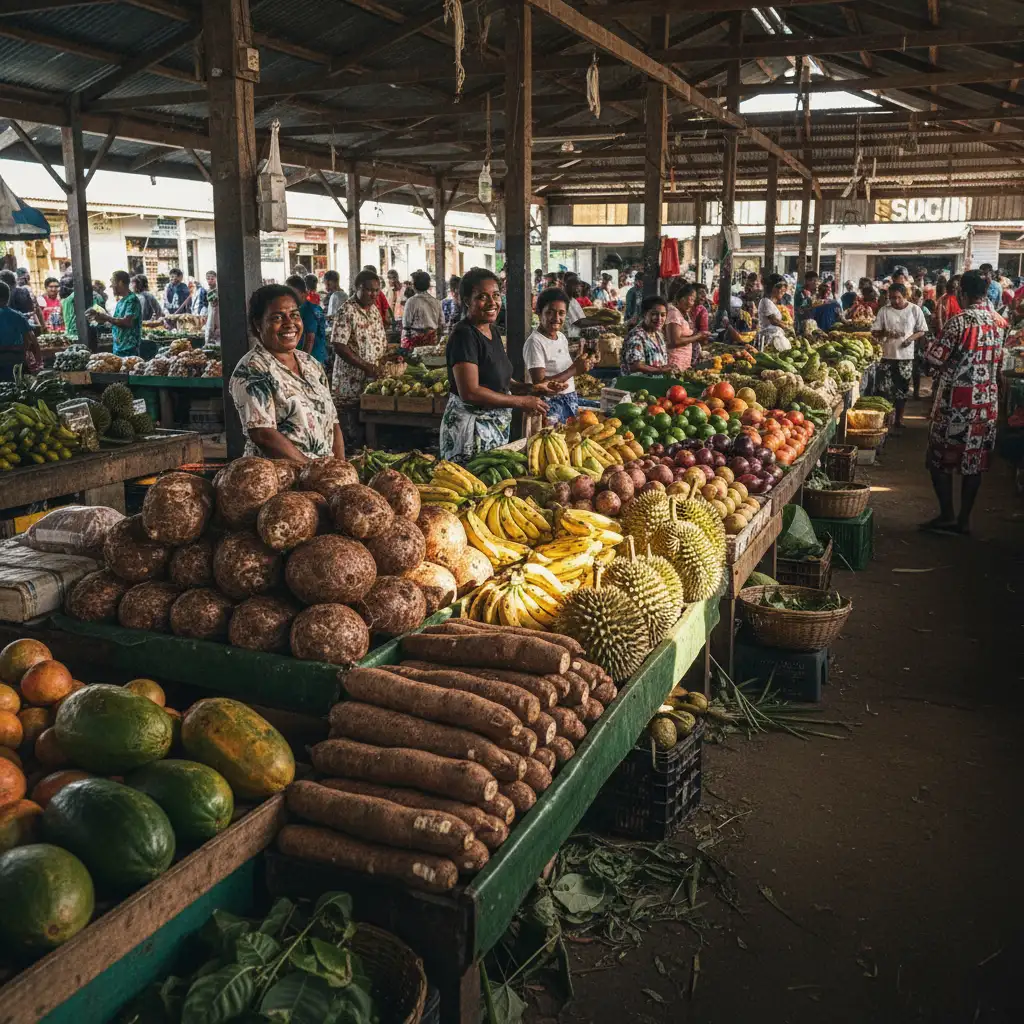
The Suva Municipal Market is the largest and most vibrant produce market in the South Pacific. It serves as the primary trading post for farmers from the Rewa Delta and the highlands of Viti Levu. A guided tour here is not simply a walk-through; it is an educational odyssey into the ingredients that sustain the nation.
The Produce Experience
Upon entering the market, your senses will be overwhelmed by the scent of fresh coriander, chili, and the earthy aroma of kava roots. Guides will introduce you to staples such as dalo (taro), cassava, and breadfruit, explaining how to select the best tubers for baking in a traditional lovo (earth oven). You will learn to distinguish between different varieties of bananas and plantains, and discover exotic fruits like soursop, kavika (Fijian apple), and jackfruit.
The Seafood Annex
Adjacent to the produce section lies the seafood market, a critical stop on any comprehensive tour. Here, the catch of the day is displayed on ice. You will see bundles of mud crabs, vibrant reef fish, and heaps of freshwater mussels (kai). A crucial part of the tour often involves tasting nama, the popping sea grapes often referred to as “green caviar,” which are a staple garnish in Fijian cuisine. Guides facilitate interactions with the fisherwomen, allowing you to learn about sustainable fishing practices in the local reefs.
The Kava Corner
No market tour is complete without visiting the upper level or designated kava sections. Here, the roots of the yaqona plant are dried and pounded. Your guide will explain the cultural significance of kava, the protocol for the Kava ceremony (sevusevu), and the difference between “waka” (roots) and “lewena” (stem). Many tours include a small tasting bowl (bilo) to ground you in the local custom.
Street Food Walking Tours: A Taste of the City
Moving beyond the market, street food walking tours explore the urban gastronomic landscape of Suva. This is where the Indo-Fijian influence shines brightest, offering a distinct palate of spices and textures that differs significantly from traditional village food.
The Bean Cart Culture
A quintessential Suva experience is the “bean cart.” These mobile vendors sell a savory mixture of dried peas, peanuts, onions, chilies, and tamarind chutney, often served in a paper cone made from old newspapers or school exercise books. A guided tour ensures you visit the most hygienic and renowned carts, where the balance of spice and tang is perfected over generations.
Indo-Fijian Delicacies
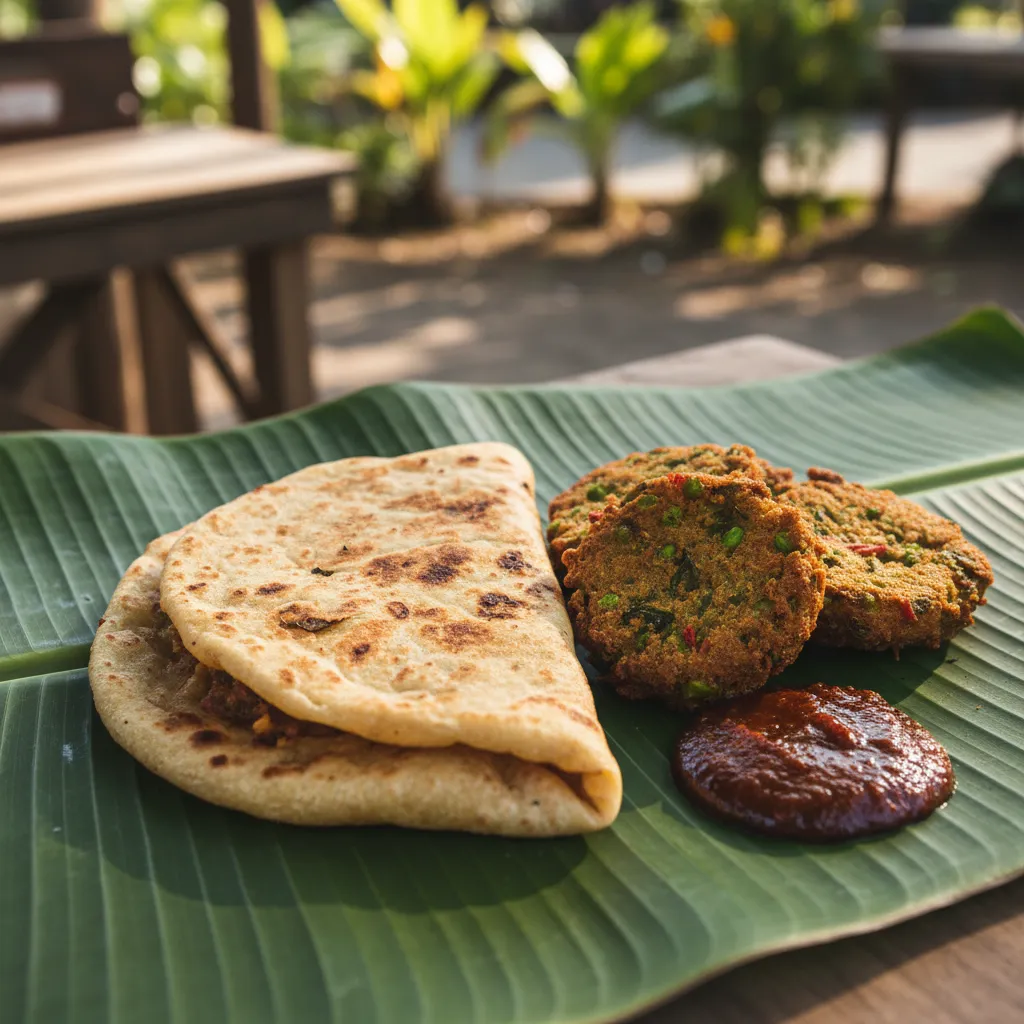
Walking tours will navigate you through the narrow alleys to find the best Roti Parcels—soft flatbreads wrapped around curried potatoes, pumpkin, or chicken. You will also sample Bara (spicy split pea fritters) and Bhajiya, dipping them in homemade chutneys. The guide’s role is crucial here to explain the history of the Girmityas (indentured laborers) and how their cuisine adapted to the available ingredients in Fiji, creating a unique culinary dialect.
Chinese-Fijian Fusion
Suva also boasts a significant Chinese community. Tours often include stops for Suva-style Chow Mein or steamed buns (pao), highlighting the tripartite cultural influence that makes up the city’s demographic.
Farm-to-Table Cooking Classes
For those who wish to take the flavor home, a Suva food tour booking often includes or can be combined with a hands-on cooking class. These sessions usually begin with a guided shop at the market to purchase ingredients, followed by a short transfer to a local home or a specialized cooking school kitchen.
Mastering Kokoda
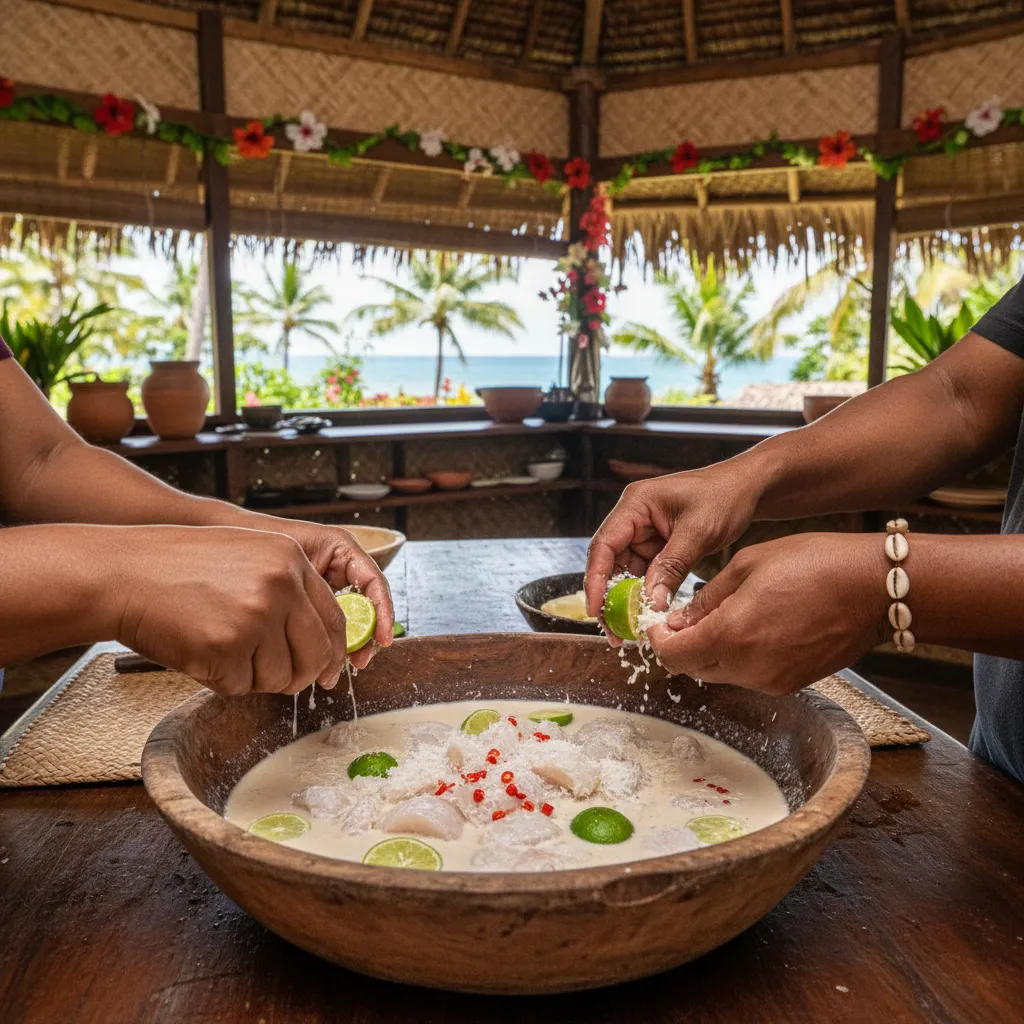
The centerpiece of almost every Fijian cooking class is Kokoda (pronounced ko-kon-da). This is Fiji’s answer to ceviche, where raw fish (usually Walu or Mahimahi) is cured in fresh lemon or lime juice and then finished with fresh coconut milk (lolo), chilies, onions, and tomatoes. You will learn the art of scraping and squeezing fresh coconut milk—a skill that requires specific technique and strength.
Root Crop Preparation
Classes also focus on the preparation of root crops. You might learn to make Palusami (taro leaves filled with coconut cream and onions, baked in the oven) or Vakalolo (a dessert made from cassava and coconut caramel). The instructors are typically local matriarchs or professional chefs who share stories of their family recipes, adding a layer of oral history to the culinary instruction.
Suva Food Tour Booking: Reservation Details and Pricing
Securing your spot requires attention to detail, as many of the best tours are small-group experiences to maintain authenticity.
How much does a Suva food tour cost?
Pricing varies based on the depth of the experience:
- Basic Market Walking Tour (1-2 hours): $50 – $80 FJD per person. Includes guide and small tastings of fruit.
- Comprehensive Street Food Tour (3-4 hours): $100 – $140 FJD per person. Includes lunch, multiple snacks, bottled water, and transport between districts if necessary.
- Cooking Class & Market Combo (4-6 hours): $150 – $250 FJD per person. Includes all ingredients, private instruction, a full meal, and recipe cards.
Booking Channels and Timing
Online Platforms: Major travel aggregators offer these tours, but for the most specialized experience, book directly through local Fijian tour operator websites. Look for operators that emphasize “sustainable tourism” or “community-based tourism.”
Cruise Ship Passengers: If you are arriving via cruise ship, it is critical to perform your Suva food tour booking well in advance. Cruise days see a massive influx of visitors, and private guides are often fully booked weeks ahead. Ensure your tour operator offers a “port pickup” service and guarantees a return time that aligns with your ship’s departure.
Cancellation Policies: Most local operators require a 24 to 48-hour notice for a full refund. However, cooking classes often require earlier notice due to the procurement of fresh ingredients.
Essential Tips for Your Food Tour
To maximize your enjoyment and safety, consider the following advice when finalizing your Suva food tour booking:
- Dietary Restrictions: Fijian cuisine is heavy on seafood and coconut. Indo-Fijian cuisine is vegetarian-friendly but spicy. Explicitly state allergies (especially shellfish and nuts) at the time of booking.
- Dress Code: Suva is a working city and more conservative than the beach resorts. Wear modest clothing (covering shoulders and knees) out of respect, especially when visiting the market or local villages.
- Currency: While your tour may be prepaid, bring small denominations of Fijian Dollars (FJD) for purchasing extra spices, handicrafts, or tipping your guide.
- Hydration: Suva is humid. Ensure your tour provider supplies bottled water, or bring your own.
People Also Ask
What is the best time of day for a Suva market tour?
The best time is Saturday morning between 7:00 AM and 10:00 AM. This is when the market is most vibrant, with farmers from the outer provinces bringing their freshest produce. Weekday mornings are also good but slightly less bustling.
Are Suva food tours safe for tourists?
Yes, guided tours are very safe. Professional guides know which vendors adhere to hygiene standards. However, travelers should generally avoid tap water and stick to cooked foods or fruits that can be peeled unless advised otherwise by a trusted guide.
Do I need to book Suva food tours in advance?
Yes, booking at least 3-5 days in advance is recommended, especially for cooking classes and private tours. If visiting on a cruise ship day, booking 2-3 weeks in advance is essential due to high demand.
Can children participate in Suva food tours?
Absolutely. Market tours are visually stimulating for children. Cooking classes can be adapted for families, though you should check the minimum age requirements with the operator regarding kitchen safety.
Is transport included in the booking price?
It depends on the operator. Most walking tours meet at a central landmark (like the Suva Olympic Pool or the Market entrance). Cooking classes often include transfers from Suva hotels. Always check the “inclusions” section of your booking.
What is the signature dish I must try in Suva?
The must-try dish is Kokoda (raw fish salad with coconut cream). For a cooked option, try a Lovo feast (earth oven cooked meats and roots) or a classic Goat Curry from an Indo-Fijian vendor.