
New Zealand passport holders do not need a pre-arranged visa to enter Fiji for tourism purposes. Upon arrival, you are automatically granted a Visitor Permit valid for up to four months, provided you hold a passport with at least six months of remaining validity and proof of a confirmed return or onward ticket.
Traveling to the tropical paradise of Fiji is a rite of passage for many New Zealanders. With its proximity, warm climate, and welcoming culture, it is a premier destination for Kiwis seeking an island escape. However, even for short holidays, understanding the specific entry formalities is crucial to ensure a seamless journey. While New Zealand citizens enjoy visa-waiver status, strict documentation rules regarding passport validity and biosecurity still apply.
Do I Need a Visa for Fiji from NZ?
For the vast majority of travelers originating from New Zealand, the process of entering Fiji is straightforward. The Fijian government classifies New Zealand as a “visa-exempt” country. This means you do not need to visit an embassy or apply for a visa online before you board your flight.
Instead, you will be processed upon landing at Nadi International Airport or Nausori International Airport. Immigration officers will issue a Visitor Permit (often referred to as a visa-on-arrival) stamped directly into your passport. This permit is free of charge for New Zealand citizens.
Conditions of the Visitor Permit
While the permit is automatic, it is not unconditional. The immigration officer must be satisfied that your visit is genuine. The Visitor Permit is strictly for:
- Tourism and Holidays: Leisure stays at resorts, hotels, or villages.
- Visiting Friends and Relatives: Staying with family members residing in Fiji.
- Short Business Trips: Attending conferences or meetings (note: this does not permit paid employment within Fiji).
If you intend to work, study, or reside permanently in Fiji, you must apply for the appropriate visa through the Fiji High Commission in Wellington before departure.
What Are the Passport Validity Rules?
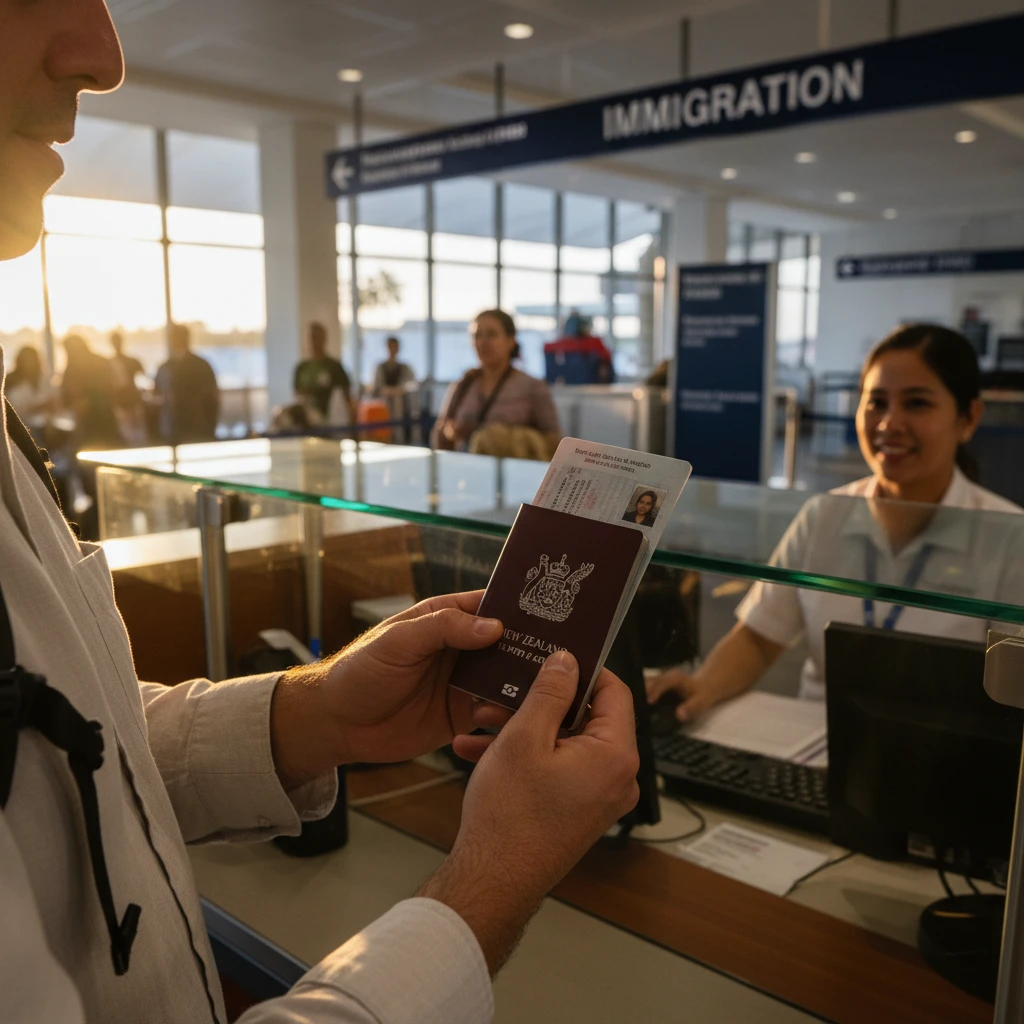
One of the most common reasons travelers are denied boarding in Auckland or Christchurch is an invalid passport. Fiji enforces a strict six-month validity rule.
Your passport must be valid for at least six months beyond your intended date of departure from Fiji, not just your arrival date. For example, if you plan to leave Fiji on July 1st, your passport must not expire before January 1st of the following year.
Emergency and Temporary Passports
Travelers using emergency or temporary travel documents should exercise extreme caution. While Fiji generally accepts valid travel documents, airlines can be stricter than immigration authorities. It is highly recommended to travel with a standard biometric passport to avoid delays. If you must use an emergency document, contact the Fiji High Commission prior to travel to obtain a written confirmation of acceptance.
What Documents Do I Need to Enter Fiji?
Presenting a valid passport is only the first step. To satisfy the immigration officer and secure your Visitor Permit, you must be able to present the following documentation upon request. Failure to produce these can result in being denied entry and returned to New Zealand on the next available flight.
1. Proof of Return or Onward Travel
You must hold a confirmed ticket for a flight leaving Fiji. This can be a return ticket to New Zealand or an onward ticket to a third country (provided you have entry rights for that country). Standby tickets or “open-dated” tickets without a confirmed seat may not be accepted.
2. Proof of Accommodation
Immigration officers frequently ask where you will be staying. You should have:
- A printed or digital booking confirmation for your hotel or resort.
- If staying with family or friends, a letter of invitation from your host including their full address and contact phone number.
3. Proof of Sufficient Funds
While rarely checked for standard tourists, officers have the right to ask for proof that you can support yourself financially during your stay. A recent bank statement or a valid credit card usually suffices for this requirement.
4. Fiji Arrival Card
Fiji has transitioned toward digital systems, but you may still encounter physical arrival cards. Ensure you complete the arrival declaration truthfully, particularly regarding customs and biosecurity questions.
Are There Requirements for Permanent Residents of NZ?
It is a common misconception that holding New Zealand Permanent Residency allows you the same travel privileges as holding a New Zealand passport. This is not the case for entering Fiji.
Your entry requirements are determined solely by the passport you hold, not your residency status in New Zealand. Fiji has visa-exemption agreements with over 100 countries, including Australia, USA, UK, Canada, China, and most EU nations. If you hold a passport from one of these countries, you can enter visa-free just like a NZ citizen.
However, if you are a NZ resident holding a passport from a non-exempt country (e.g., certain African, Middle Eastern, or Asian nations), you must apply for a visitor visa before you travel. This process can take several weeks, so do not leave it until the last minute.
How Long Can New Zealanders Stay in Fiji?
The standard Visitor Permit issued on arrival is valid for four months. This is generous compared to many other international destinations, reflecting the close relationship between the two nations.
Extending Your Stay
If four months isn’t enough time to soak up the sun, you can apply for an extension. You must apply for this extension before your current permit expires. Applications are handled by the Fijian Department of Immigration.
- Maximum Total Stay: You can extend your stay for an additional two months, bringing the total maximum stay to six months per 12-month period.
- Requirements for Extension: You will need to provide proof of funds to support the extended stay, a valid reason for the extension, and a ticket showing your new departure date. Fees apply for the extension application.
Fiji Customs Regulations: What Can I Bring?
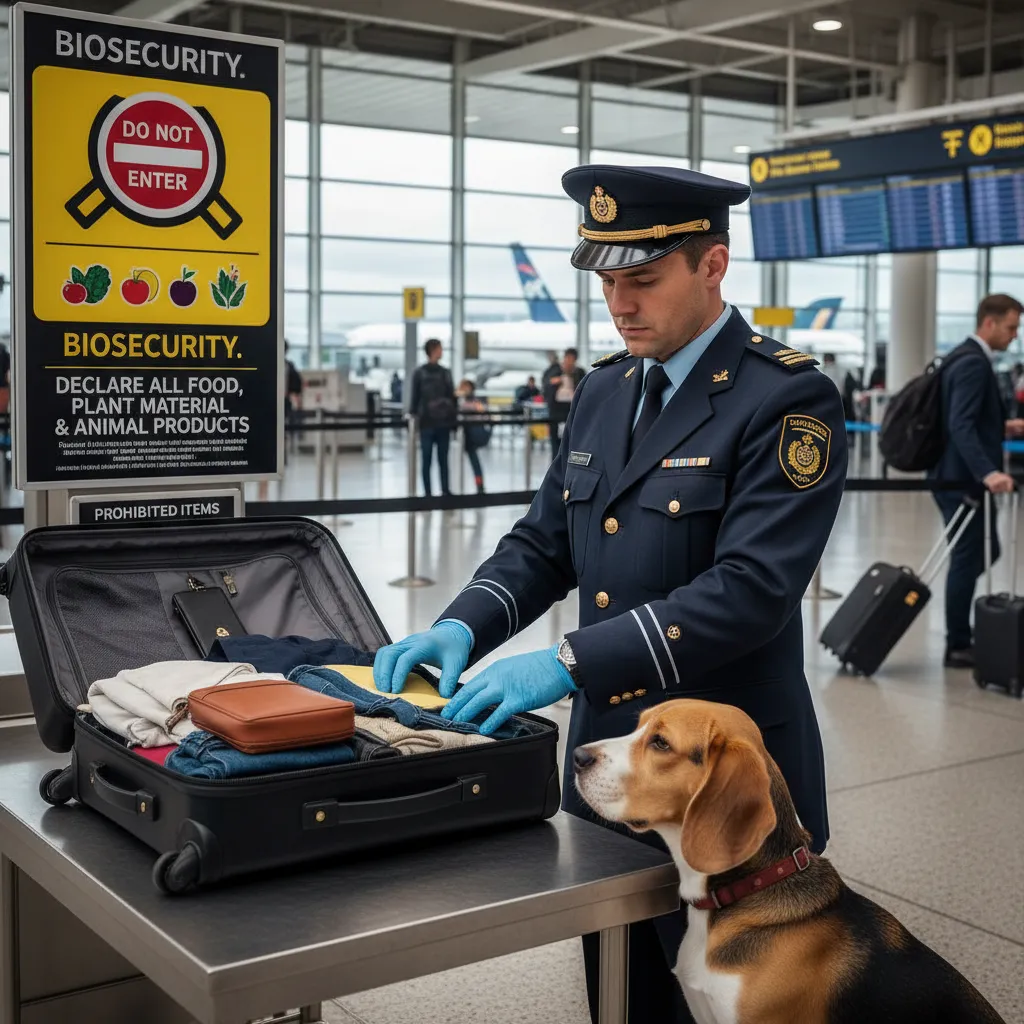
Fiji, like New Zealand, relies heavily on agriculture and its unique ecosystem. Consequently, they maintain strict biosecurity measures. Declaring items is not optional; failure to declare restricted items can result in heavy spot fines (starting at FJD $400) or prosecution.
Food and Biosecurity
You must declare all food, plant material, and animal products. The following items are of particular concern:
- Fresh Fruit and Vegetables: Generally prohibited to prevent fruit fly introduction.
- Honey and Bee Products: Strictly controlled to protect local bees from disease.
- Seeds and Nuts: Must be commercially packaged and declared.
- Dairy and Meat: Restrictions apply; products usually need to be commercially packaged and from an approved country (NZ is generally approved, but declaration is mandatory).
Medication Requirements
Traveling with medication requires preparation. While standard over-the-counter medicines (like Paracetamol) are fine, prescription medications require documentation.
Rules for Prescription Meds:
- Keep medication in its original packaging with the pharmacy label clearly showing your name and dosage.
- Carry a copy of your doctor’s prescription or a letter from your doctor outlining your medical condition and the necessity of the medication.
- Do not bring more than three months’ supply.
Duty-Free Allowances
Travelers over 17 years of age entering Fiji are entitled to the following duty-free allowances:
- Alcohol: Up to 2.25 liters of spirits OR 4.5 liters of wine or beer.
- Tobacco: Up to 200 cigarettes OR 200g of tobacco products.
- General Goods: Other dutiable goods not exceeding FJD $1,000 in value.
Traveling with Children from NZ to Fiji
Family holidays are a staple of Fiji tourism. When traveling with minors, ensure every child, including infants, has their own valid passport. The six-month validity rule applies to children’s passports as well.
Solo Parents and Guardians
While Fiji does not always strictly check for parental consent forms upon entry, international aviation guidelines and New Zealand customs may require them to prevent child abduction issues. If a child is traveling with only one parent, or with grandparents/guardians:
- Carry a notarized letter of consent from the absent parent(s) authorizing the travel.
- Include copies of the absent parent’s photo ID and the child’s birth certificate.
- This is particularly important if the child has a different surname than the accompanying adult.
Health and Vaccination Requirements
As of 2024, Fiji has lifted most COVID-19 specific entry requirements. You are no longer required to show proof of COVID-19 vaccination or travel insurance covering COVID-19 to enter the country. However, travel insurance remains highly recommended for all travelers to cover unforeseen medical expenses, flight cancellations, or lost luggage.
Yellow Fever
If you are arriving in Fiji directly from New Zealand, no vaccination certificates are required. However, if you have transited through or originated from a country designated as a Yellow Fever risk area (parts of Africa and South America) within 10 days of arrival, you must present a valid Yellow Fever Vaccination Certificate.

Common Reasons for Entry Refusal
Even with a visa-waiver, entry is not guaranteed. The most common reasons New Zealanders face issues at the Fijian border include:
- Damaged Passports: Water damage, tearing, or peeling pages can render a passport invalid. Ensure your document is in pristine condition.
- Criminal Record: If you have a significant criminal history or have been deported from another country, you may be denied entry. It is advisable to contact Fijian immigration beforehand if this applies to you.
- Lack of Return Ticket: Arriving on a one-way ticket without a valid reason (like a work permit) is a red flag for immigration officers.
People Also Ask (PAA)
Can I use a temporary NZ passport to enter Fiji?
Generally, Fiji accepts valid temporary passports, but they must still meet the validity requirement (6 months beyond stay). However, airlines may have their own policies refusing boarding with temporary documents. It is strongly advised to use a standard biometric passport or obtain written confirmation from the Fiji High Commission before travel.
How much cash do I need to enter Fiji?
There is no fixed amount of cash required for entry, but you must prove you have “sufficient funds” for your stay. A credit card with a sufficient limit is usually accepted as proof. If carrying cash, you must declare amounts exceeding FJD $10,000 (or foreign equivalent) upon arrival.
Is the water safe to drink in Fiji?
Tap water is generally safe to drink in major hotels and resorts in Nadi and Suva, but it may differ in rural areas or outer islands. To avoid stomach upsets, many NZ travelers prefer bottled water. Always check with your accommodation provider regarding water safety.
Can I work in Fiji on a visitor visa?
No. Working on a Visitor Permit is illegal and can lead to deportation and a ban from re-entering Fiji. If you wish to work, you must secure a work permit and the appropriate visa before you arrive in the country.
What happens if I overstay my visa in Fiji?
Overstaying is a serious offense. You will be fined and may be detained until you can arrange a flight home. You will also likely be classified as a “prohibited immigrant,” making it very difficult to return to Fiji in the future.
Do I need travel insurance for Fiji?
While no longer mandatory for entry, travel insurance is strongly recommended. Medical evacuations to New Zealand can cost tens of thousands of dollars. Comprehensive insurance covers medical emergencies, disruptions, and theft, providing peace of mind for your holiday.