
Hiking in Fiji offers a diverse range of trails, from the heritage-listed Sigatoka Sand Dunes to the lush rainforests of Taveuni’s Bouma National Heritage Park. While famous for beaches, Fiji’s volcanic interior provides challenging treks, scenic waterfalls, and rich cultural encounters, making it a premier destination for nature enthusiasts seeking tropical adventure beyond the coastline.
For New Zealand travelers accustomed to the rugged Southern Alps or the Great Walks, Fiji presents a distinctively different trekking experience. Just a short flight from Auckland, Christchurch, or Wellington, these islands transform from relaxing beach resorts into a playground of volcanic peaks and verdant jungles. As we head into late 2024 and 2025, Fiji’s eco-tourism sector has seen significant revitalization, with improved trail maintenance and a renewed focus on sustainable, community-led guiding.
Why Hiking in Fiji is a Must-Do for Kiwis
While New Zealand offers some of the world’s finest alpine trekking, Fiji offers a tropical counterpoint that is equally rewarding. The terrain here is volcanic, resulting in jagged skylines and nutrient-rich soil that supports dense, vibrant rainforests. Unlike the cooler climates of NZ, hiking in Fiji is a warm, humid affair that rewards exertion with cooling dips in hidden waterfalls and panoramic views over turquoise reefs.
Furthermore, hiking here is deeply intertwined with indigenous culture. Many trails pass through village lands, offering hikers the chance to engage with local communities, participate in traditional sevusevu (gift-giving) ceremonies, and understand the land through the eyes of its custodians.
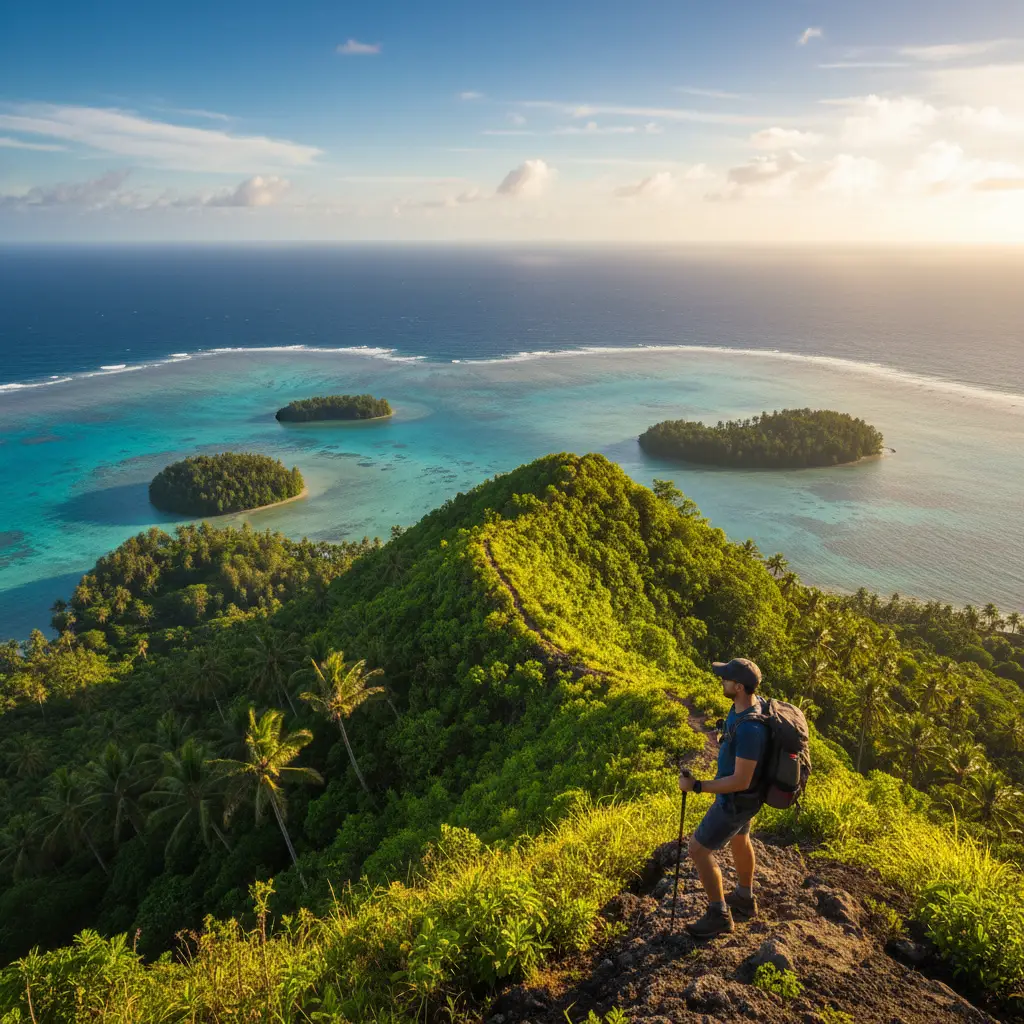
Sigatoka Sand Dunes National Park
Located at the mouth of the Sigatoka River on the island of Viti Levu, the Sigatoka Sand Dunes National Park is Fiji’s first national park and a site of immense archaeological significance. For travelers interested in history and geology, this is arguably the most important hike in the country.
What makes the Sigatoka Sand Dunes unique?
These dunes range from 20 to 60 meters high and cover about 650 hectares. They are not just piles of sand; they are a burial ground for the Lapita people, the ancestors of modern Polynesians, dating back over 2,600 years. Erosion frequently uncovers pottery shards and ancient tools, connecting hikers directly to the Pacific’s ancient migration history.
Trail Options and Difficulty
There are two main walking tracks within the park:
- The Short Walk (1 hour): A relatively easy loop that takes you through the mahogany forest and onto the dunes. It is suitable for families and those wanting a quick overview of the landscape.
- The Long Walk (2 hours): This track extends further along the beach and climbs the steeper dunes. The ascent can be challenging due to the shifting sands and heat, but the views from the top—looking out over the crashing surf of the Coral Coast—are spectacular.
Pro Tip for Kiwis: The sand can get scorching hot by midday. It is highly recommended to start this hike early in the morning (around 8:00 AM) to avoid the peak heat. Bring closed-toe shoes, as the sand temperature can burn bare feet.
Garden of the Sleeping Giant
Nestled at the foothills of the Nausori Highlands near Nadi, the Garden of the Sleeping Giant offers a more manicured, yet equally immersive, nature experience. Originally founded by the late actor Raymond Burr in 1977 to house his private orchid collection, it has grown into one of the most popular botanical sanctuaries in the South Pacific.
The Flora and The Walk
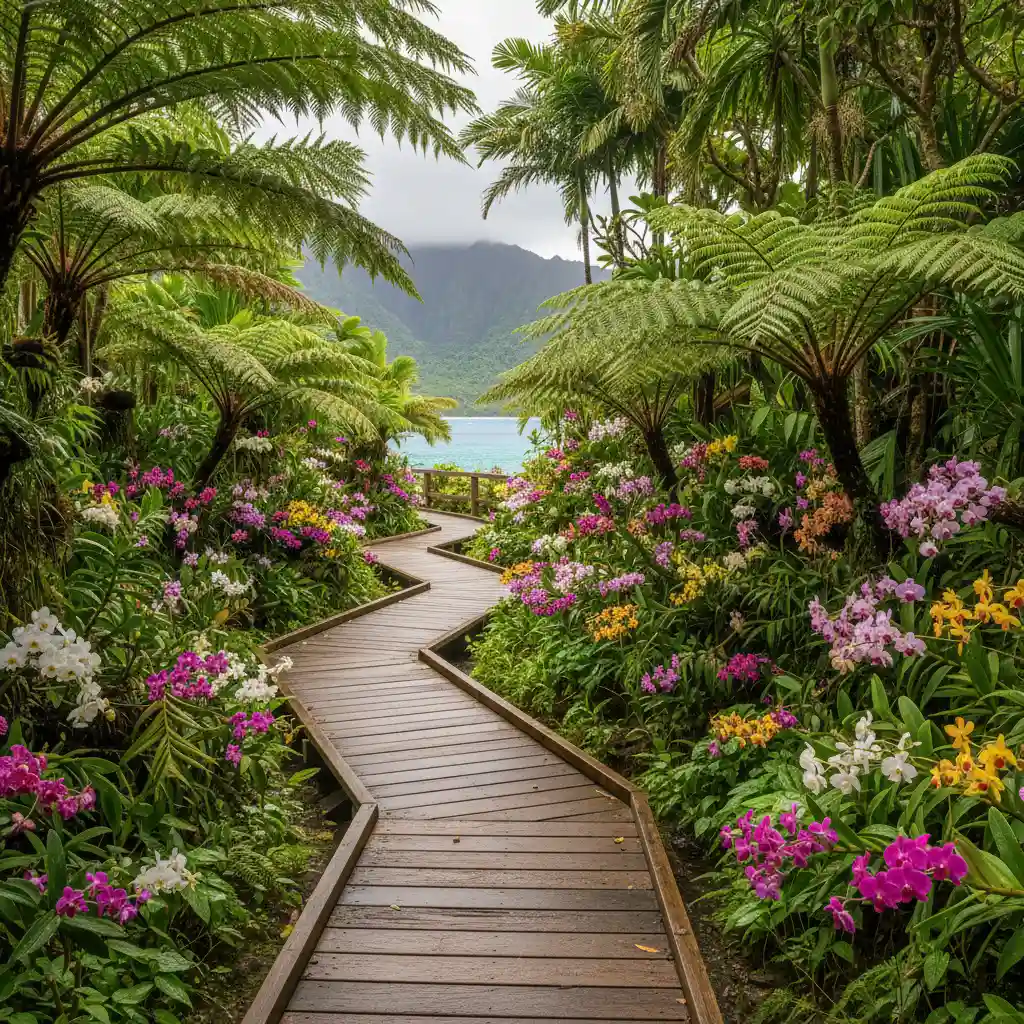
The highlight here is the boardwalk that meanders through canopies of native trees and over 2,000 varieties of Asian orchids and Cattleya hybrids. The walk is generally gentle, making it accessible for hikers of all fitness levels.
However, for those seeking a bit more adventure, the trail continues beyond the manicured gardens into the dense jungle, leading up a ridge that offers panoramic views of the Nadi basin and the Yasawa Islands in the distance. The contrast between the delicate, cultivated orchids and the raw, wild jungle provides a comprehensive snapshot of Fiji’s botanical diversity.
Bouma National Heritage Park (Taveuni)
Taveuni is known as the “Garden Island” of Fiji, and for good reason. It is the eco-tourism capital of the nation, and the Bouma National Heritage Park protects over 80% of the island’s total area. This park is a shining example of community-based conservation, where local villages manage the land and tourism revenue directly supports the community.
The Tavoro Waterfalls (Bouma Falls)
The most famous attraction within the park is the series of three waterfalls, known as the Tavoro Waterfalls.
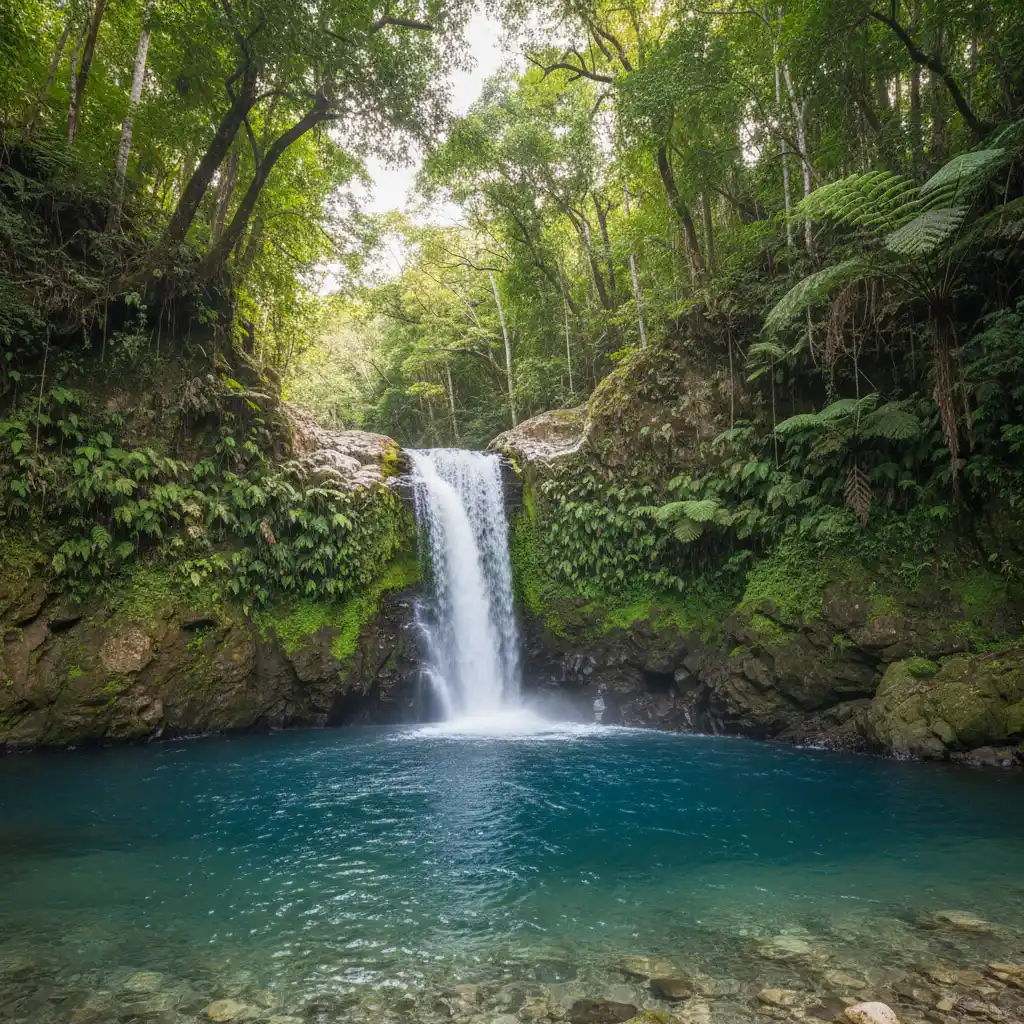
- First Fall: A 10-minute flat walk from the visitor center leads to the spectacular 24-meter Lower Bouma Fall. It features a large, deep swimming pool perfect for cooling off.
- Second Fall: A more strenuous 30-40 minute hike uphill offers stunning views of the coast. The trail crosses streams and can be slippery, but the second waterfall offers a more secluded swimming spot.
- Third Fall: For the dedicated hiker, the trail continues for another 30 minutes to the upper falls. The track here can be muddy and steep, often requiring scrambling over roots, but it provides a true jungle trekking experience.
The Lavena Coastal Walk
Also located on Taveuni, the Lavena Coastal Walk is a 5-kilometer trail that hugs the rugged coastline. Unlike the vertical climbs of the interior, this path winds through villages, past black sand beaches, and ends at a stunning double waterfall. To reach the falls, you must swim the final short distance through a narrow gorge—an unforgettable experience.
Conquering Fiji’s Highest Peaks
For New Zealanders missing the vertical gain of the Southern Alps, Viti Levu offers significant peaks that require stamina and determination.
Mt Tomanivi (formerly Mt Victoria)
Standing at 1,324 meters (4,344 feet), Mt Tomanivi is Fiji’s highest mountain. It is an extinct volcano located in the northern highlands of Viti Levu. The hike is steep, muddy, and technically demanding, often requiring the use of tree roots and ropes to pull yourself up vertical sections. The round trip takes about 6 hours. On a clear day, the summit offers views of the Yasawa Islands.
Mt Batilamu
Located in the Koroyanitu National Heritage Park near Lautoka, this hike is a favorite among expats and locals. The ascent takes about 2-3 hours one way. The summit provides one of the best views in Fiji, overlooking the Mamanuca Islands and the sprawling cane fields below. There is a small lodge at the top where hikers can stay overnight, offering a rare opportunity to see the sunrise from the peaks.
Guided vs. Self-Guided Walks: What You Need to Know
In New Zealand, the Department of Conservation (DOC) maintains clear tracks that are mostly free to roam. In Fiji, the land tenure system is different, and this impacts how you should approach hiking.
Can you hike alone in Fiji?
While established parks like Sigatoka Sand Dunes and Bouma have clear trails and visitor centers, much of Fiji’s hiking terrain traverses native land owned by local mataqali (clans). Wandering off marked paths or attempting to climb peaks without permission is culturally insensitive and can be dangerous.
The Importance of Guides
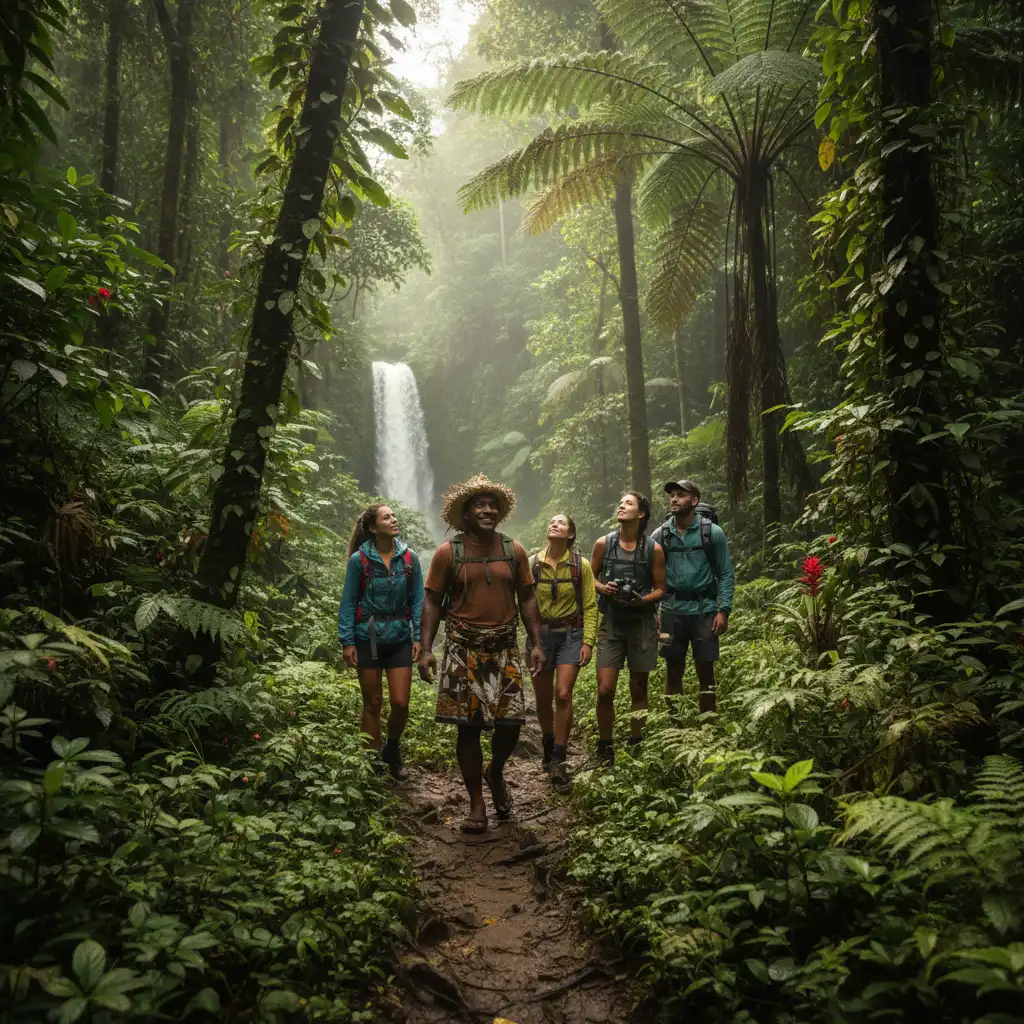
Hiring a local guide is strongly recommended for any hike outside of the main national parks. Not only does this ensure your safety in dense jungle terrain where trails are often unmarked, but it also contributes to the local economy. Guides can navigate the complex land ownership protocols and facilitate the sevusevu ceremony if you need to pass through a village. This typically involves presenting a bundle of kava roots to the village chief as a sign of respect.
Essential Gear for Tropical Trekking
The tropical environment poses different challenges than the temperate forests of New Zealand. Humidity is the primary factor.
- Footwear: Breathable, quick-drying trail runners are often better than heavy leather boots, which can become waterlogged and hot.
- Hydration: You will sweat significantly more than in NZ. Carry at least 3 liters of water for day hikes.
- Insect Protection: Mosquitoes are prevalent in the jungle. Use high-strength repellent containing DEET or Picaridin.
- Clothing: Lightweight, moisture-wicking synthetic fabrics are essential. Avoid cotton. Long sleeves can protect against sun and scratchy vegetation.
Best Time to Hike in Fiji
The best time for hiking in Fiji aligns with the dry season, which runs from May to October. During these months, the humidity is lower, the trails are less muddy, and the risk of cyclones is minimal. This coincides perfectly with the New Zealand winter, making it an ideal escape.
Hiking during the wet season (November to April) is possible but can be treacherous due to slippery mud, swollen river crossings, and intense heat. If you do hike in the wet season, stick to established coastal tracks or the sand dunes rather than deep interior mountain treks.
People Also Ask
Is hiking in Fiji safe for solo travelers?
Yes, hiking in established national parks like Sigatoka and Bouma is generally safe for solo travelers. However, for remote jungle treks, it is highly recommended to hire a guide due to unmarked trails and the lack of cell reception.
Do I need a permit to hike in Fiji?
For National Parks, you will need to pay an entry fee at the visitor center. For hikes on village land, you do not need a formal government permit, but you must obtain verbal permission from the local village, often accompanied by a small fee or kava donation.
Are there snakes or dangerous animals in Fiji’s forests?
Fiji is remarkably free of dangerous land animals. There are no venomous snakes, leeches are rare (unlike in Southeast Asia), and there are no large predators. The biggest annoyance is usually mosquitoes.
How fit do I need to be to hike in Fiji?
Fitness requirements vary. Coastal walks and garden tours are suitable for all fitness levels. However, interior mountain hikes like Mt Tomanivi are strenuous and require a good level of cardiovascular fitness and agility.
Can I camp overnight on hiking trails in Fiji?
Camping is not as common or regulated as it is in New Zealand. There are very few designated campsites. Overnight stays usually happen in village homestays or specific lodges (like at Mt Batilamu). Wild camping is not recommended without explicit permission from landowners.
What is the hardest hike in Fiji?
The hike to the summit of Mt Tomanivi (Mt Victoria) is widely considered the toughest due to its steep ascent, muddy conditions, and the need for scrambling. It requires a high level of fitness and determination.