The dry season runs from May to October. The wet season lasts from November to April. The peak tourist season coincides with the school holidays during the dry, winter season from May to October with pleasantly cooler temperatures and less rain. Cyclone season in Fiji runs from November 1 to April 30, according to the Fiji Meteorological Service. Understanding these patterns helps you choose the right time for your trip.
Dry Season: May to October
Temperatures in Fiji remain relatively constant throughout the year, averaging around 23°C to 25°C in the dry season (May to October). Rainfall and humidity vary across the islands, creating diverse landscapes from lush rainforests to dry grasslands. Rainfall is typically abundant during the wet season, especially over the larger islands, and it is often deficient during the rest of the year, particularly in the “dry zone” on the north-western sides of the main islands.
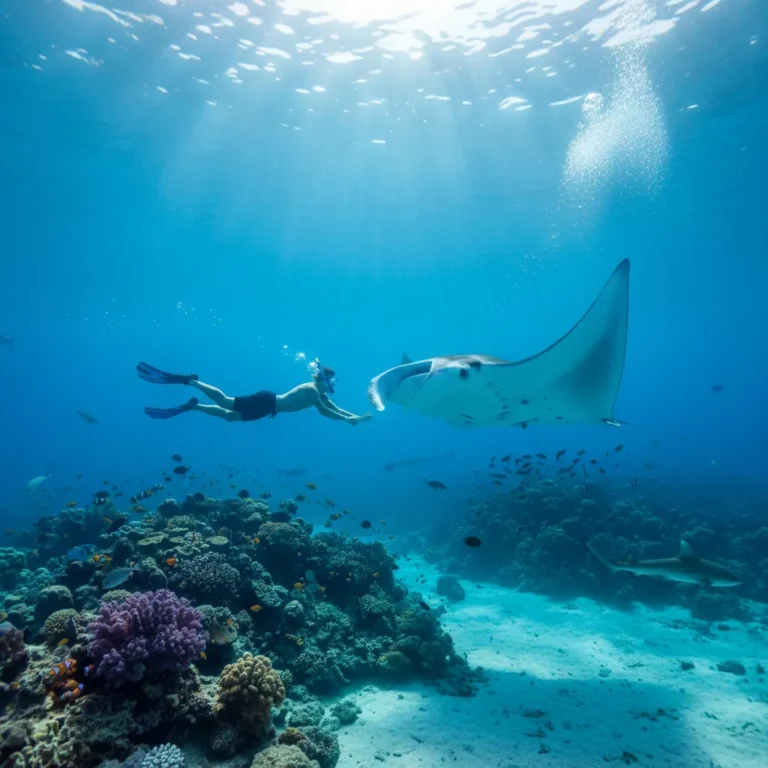
This season suits most travellers. If you’re keen to jump in and explore Fiji’s underwater world, you’ll probably want to book your trip in the dry season – ideally between June and October. The water in Fiji is often clearer during the dry season – without the runoff from the rain, keen divers and snorkellers can enjoy increased visibility in the vibrant coral reefs. July and August tend to be the most comfortable months.
Crowds and prices peak during the dry season, particularly July and August, so book accommodation early if these months suit you.
Wet Season: November to April
Temperatures in Fiji remain relatively constant throughout the year, averaging around 26°C to 27°C in the wet season (November to April). As this is the rainy season, there are often some brief, heavy showers in the late afternoon. However, these showers tend to be localised, so are unlikely to affect your holiday if you choose to visit during the wet season.
Travelling during the wet season can be appealing for budget-conscious travellers, as flights and accommodation are often cheaper and crowds are smaller. The pros of visiting during this period include vibrant, lush landscapes, fewer visitors, and lower accommodation prices.
Cyclone Season: November to April
Cyclone season in Fiji runs from November 1 to April 30, according to the Fiji Meteorological Service. The Fiji Meteorological Services has issued its seasonal outlook, warning that while peak activity is typically between January and February, cyclones can form at any time during the season. On average, around two tropical cyclones affect Fiji every season.
April marks the tail end of cyclone season, and while the risk is not zero until 30 April, the probability of cyclone formation in April is substantially lower than in the January-March peak. Visiting early in the wet season (November) or toward the end (April) can reduce the likelihood of cyclone impacts while still offering lower prices and warm water temperatures.
Most people who travel to Fiji between November and April have no direct encounter with a cyclone. The statistical probability of a given week of travel coinciding with a cyclone impact is relatively low.
Cyclone Warnings and Preparedness
Cyclones can cause flight disruptions, rough seas, heavy rainfall, and temporary resort closures. November to April is cyclone season, but cyclones may occur at other times. They can cause flooding and disrupt essential services. Know your accommodation’s evacuation plan.
The Fiji Meteorological Service (FMS) monitors weather systems continuously and issues tiered alerts as cyclones develop: a Tropical Disturbance advisory when a system is forming, a Cyclone Watch when a cyclone poses a potential threat within roughly 48 hours, and a Cyclone Warning when destructive conditions are expected within 24 hours. Check the Fiji Meteorological Service website for current forecasts and warnings before and during your trip.
Travel insurance with specific named-storm or cyclone cover is essential for any trip to Fiji between November and April.
When to Go for Different Interests
Choosing the right time depends on what matters most to you.
- Best overall weather and visibility: The best weather occurs during Fiji’s dry season from May to October, with July and August offering the most comfortable conditions.
- Diving and snorkelling: If your goal is the best overall diving conditions, then the dry winter season from May to October stands out.
- Surfing: Generally, April – November has the most consistent swell.
- Budget travel: January to March is usually the cheapest time to visit Fiji, with lower prices and better availability. The trade-off is higher humidity, more rain, and less predictable weather.
- Shoulder season balance: For many travellers, the best overall time to visit Fiji is during the shoulder dry-season months of May, June, September and October.
Regional Variations
For the drier western side of Viti Levu and nearby island groups, June to September usually offers the most dependable combination of lower rainfall and cooler temperatures. Areas in the rain shadow, such as the western coast of Nadi and Denarau, are typically drier than windward and mountainous regions. Check specific island guides for your destination: Yasawa Islands, Taveuni, and Kadavu have different rainfall patterns.
Practical Planning Tips
- Check your accommodation’s evacuation plan before arrival if visiting during cyclone season.
- Monitor forecasts through the Fiji Meteorological Service website, which publishes official warnings.
- Buy travel insurance that covers weather disruption and trip cancellation if visiting November to April.
- Keep at least one flexible day in your itinerary in case of weather disruptions.
- Stay informed about local weather alerts while in Fiji.