
Should You Stay in Denarau or the Outer Islands?
Choosing between Denarau and the Outer Islands depends on your travel goals. Stay in Denarau for maximum convenience, easy airport access, diverse dining options, and world-class pools. Choose the Outer Islands (Mamanucas or Yasawas) for pristine white sand beaches, superior snorkeling, and the authentic, secluded tropical paradise experience.
The Great Fiji Debate: Convenience vs. Paradise
For New Zealand travelers, Fiji is practically a second home. With short flight times from Auckland, Christchurch, and Wellington, it remains the premier tropical escape. However, the most common dilemma facing first-time visitors and seasoned returnees alike is the choice of location: do you prioritize the logistical ease of Denarau Island, or do you commit to the travel required to reach the spectacular Outer Islands?
This is not merely a choice of hotel; it is a choice of holiday style. Denarau offers a polished, resort-town atmosphere where everything works seamlessly. The Outer Islands—specifically the Mamanuca and Yasawa groups—offer the raw, turquoise beauty that you see in travel brochures. Understanding the nuances of “stay Denarau or islands” requires a deep dive into beach quality, transfer costs, dining flexibility, and the elusive “Fiji Time” vibe.
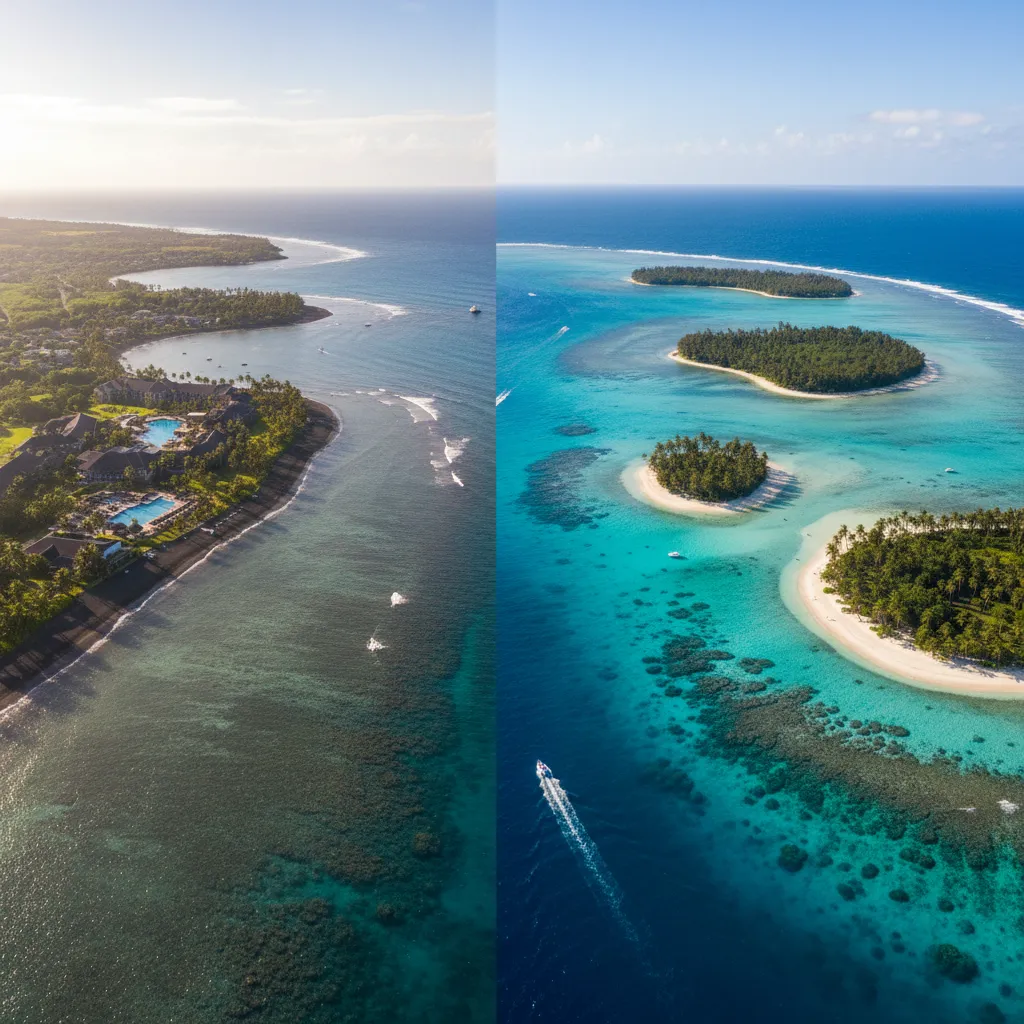
Denarau Island: The Gateway to Convenience
Denarau Island is not technically an island in the geographical sense of isolation; it is separated from the mainland by a small creek and connected by a causeway. It is a purpose-built tourism hub located just 20 minutes from Nadi International Airport. For families with young children or travelers arriving on late-night Air New Zealand flights, this proximity is a game-changer.
The Upside of Denarau
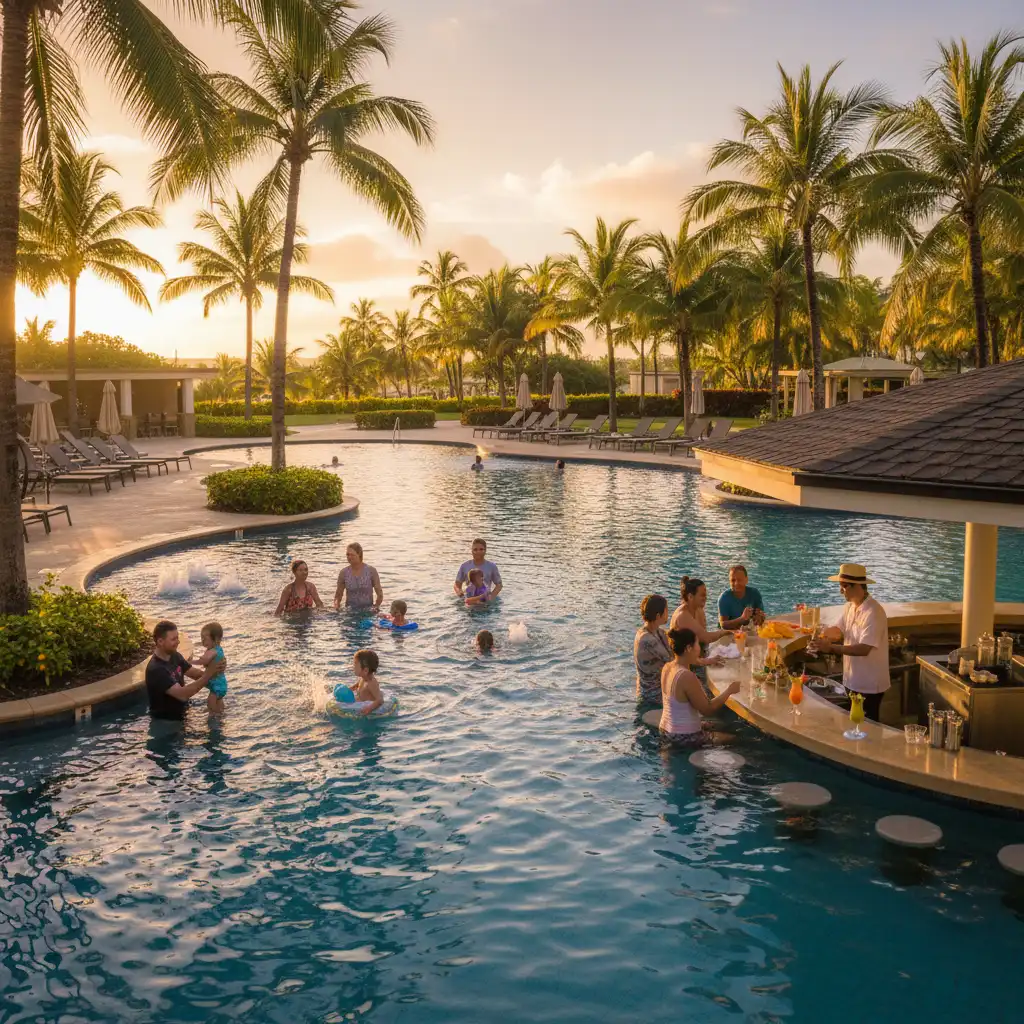
The primary selling point of Denarau is infrastructure. The resorts here—including the Sheraton, Hilton, Sofitel, and Radisson Blu—are massive, integrated complexes. They feature sprawling lagoon-style pools, kids’ clubs that are arguably the best in the South Pacific, and consistent service standards.
Furthermore, mobility is effortless. The “Bula Bus” offers a hop-on-hop-off service that loops between all resorts and Port Denarau. This allows guests to dine at different hotels or visit the Port for more affordable meals, shopping, and entertainment, rather than being restricted to a single resort’s menu.
Addressing the “Brown Water” Myth of Denarau
If you search travel forums for “stay Denarau or islands,” you will inevitably encounter the “brown water” criticism. It is crucial to manage expectations here: Denarau is not known for white sand beaches or crystal-clear snorkeling water.
The sand on Denarau is darker, volcanic in origin, and the water can appear murky. This is primarily due to the island’s location near river deltas and mangroves, which stir up sediment. While the water is perfectly safe and clean to swim in, it lacks the “swimming pool” clarity of the offshore islands.
However, does this ruin the holiday? generally, no. The resorts compensate for this with spectacular pool landscapes. Most guests in Denarau spend their aquatic time in the pools rather than the ocean. If your heart is set on walking out of your bure directly into a coral garden, Denarau will disappoint you. If you are happy lounging by a pool with swim-up bar service while the kids play on water slides, the beach color becomes irrelevant.
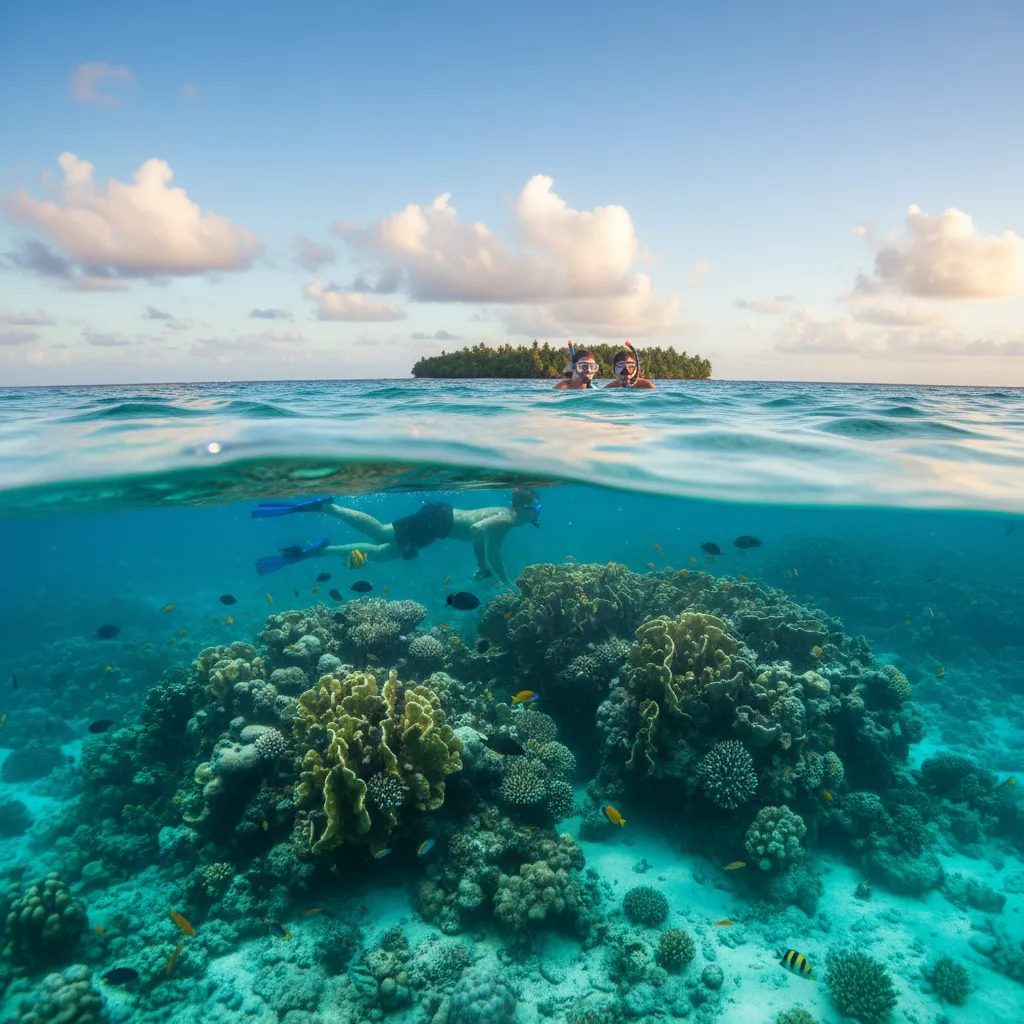
The Outer Islands: The Postcard Fiji
When you close your eyes and imagine Fiji, you are imagining the Outer Islands. The Mamanuca Islands (closest to the mainland) and the Yasawa Islands (further north) are where you find the iconic South Pacific aesthetic.
The Mamanucas: Accessible Paradise
Home to resorts like Malolo, Castaway, and Likuliku, the Mamanucas are visible from Denarau but feel a world away. Here, the sand is white, the water is an electric blue, and the snorkeling is accessible directly from the beach. The focus here shifts from massive pool complexes to the ocean. The vibe is slower, quieter, and more immersive.
The Yasawas: Rugged Beauty
Further north, the Yasawas offer dramatic volcanic peaks and even more secluded beaches. The travel time is longer, but the reward is a sense of isolation and untouched beauty that is becoming rare in modern travel.
Key Difference: In the islands, the ocean is the activity. You don’t need a massive pool when the Pacific Ocean looks like a swimming pool. Kayaking, paddleboarding, and diving are significantly better here than on the mainland.
Logistics: The Impact of Boat Transfer Costs
One of the most overlooked aspects of the “stay Denarau or islands” decision is the cost and logistics of transfers. This can significantly impact the total price of your holiday.
The Cost of Getting There
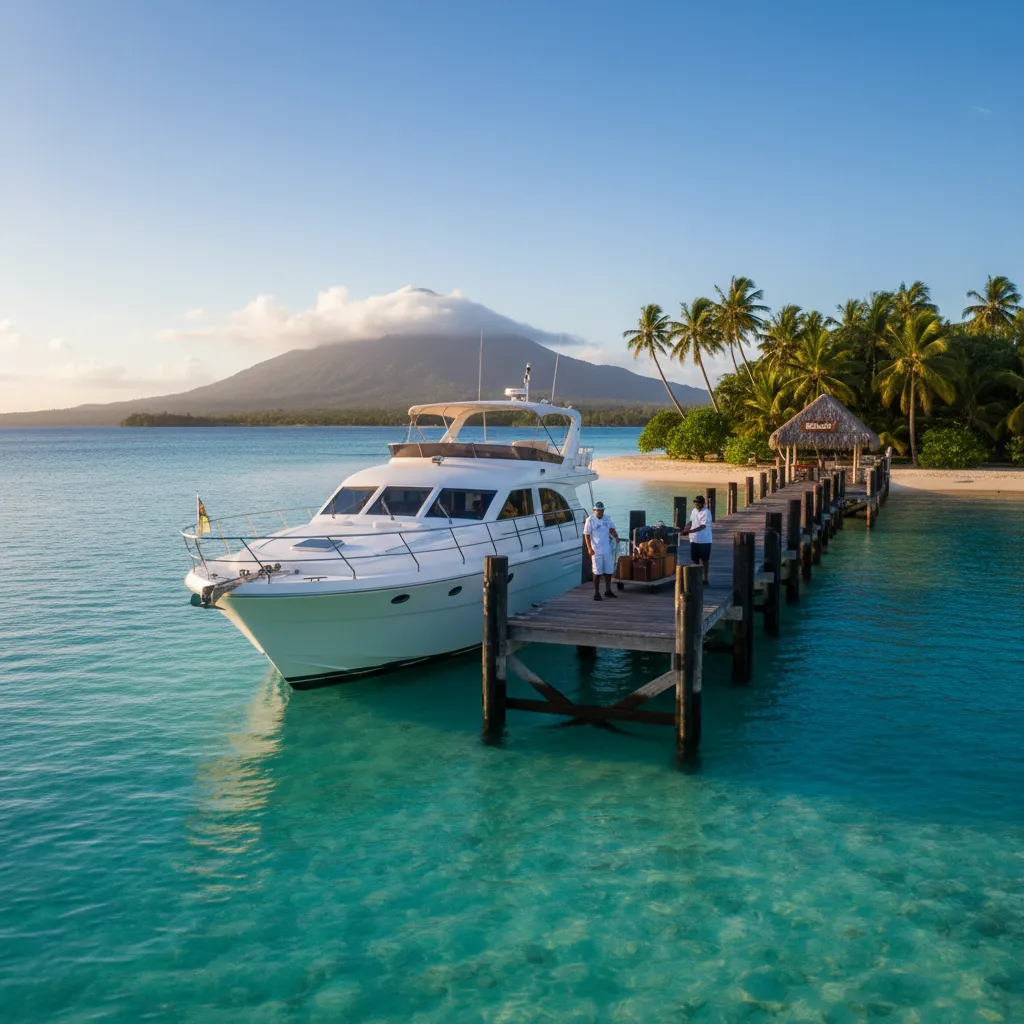
To reach the islands, you generally take a high-speed catamaran (South Sea Cruises or Malolo Cat) from Port Denarau. As of current rates, a return transfer can cost between $150 to $250 NZD per adult, depending on how far out the island is. For a family of four, this adds nearly $1,000 NZD to the holiday budget before you have even checked in. Helicopter and seaplane transfers are faster but significantly more expensive.
The “Late Flight” Trap
Many flights from New Zealand arrive in Nadi in the late afternoon or evening. The boats to the islands generally stop running before sunset (around 4:00 PM or 5:00 PM). If your flight lands after the last boat has departed, you are forced to stay a night on the mainland anyway. This logistical hurdle often pushes travelers toward Denarau for at least the first and last nights of their trip.
Dining and Budget: Captive Audience vs. Variety
Your choice of location dictates your dining freedom and, consequently, your daily spend.
Denarau: Flexibility
In Denarau, you are not tied to your hotel. You can walk or bus to Port Denarau to eat at the Hard Rock Cafe, Cardo’s Steakhouse, or various Indian and seafood restaurants. This competition helps keep food prices somewhat reasonable, although still priced for tourists. You can also visit a local supermarket to stock up on snacks and water at standard prices.
The Islands: Compulsory Meal Plans
On an island resort, you are a captive audience. There are no supermarkets and usually no other restaurants nearby. Many island resorts require you to purchase a compulsory meal plan, which is a fixed daily cost covering breakfast, lunch, and dinner. While the food is often excellent and fresh (lots of seafood), it removes the ability to have a “cheap night” of fish and chips. If you are a foodie who loves variety, the islands might feel restrictive after 5 days; if you want an all-inclusive feel where you don’t look at a bill, the islands are perfect.
The “Split Stay” Strategy: Best of Both Worlds
Why choose one when you can have both? For many New Zealand travelers, the Split Stay is the ultimate commercial compromise.
The Ideal Itinerary
A popular itinerary involves starting with 2 nights in Denarau. This allows you to recover from the flight, stock up on supplies at the supermarket, shop at the Port, and acclimatize. Following this, you take the boat out for 4-5 nights in the Islands to get your fix of white sand and snorkeling. Finally, you return for 1 night in Denarau before your flight home.
This strategy mitigates the risk of bad weather delaying a boat transfer on your departure day (which could cause you to miss your flight) and gives you a variety of experiences. It satisfies the need for convenience and the desire for paradise.
Decision Matrix: Which is Right for You?
If you are still undecided, use this quick persona guide to make the final call.
Choose Denarau If:
- You have infants or toddlers: The immediate access to medical facilities, shops, and air-conditioned spaces is invaluable.
- You are on a stricter budget: You save on transfer costs and have control over where you dine.
- You are a golfer: The Denarau Golf & Racquet Club is a centerpiece of the island.
- You prefer pools over the ocean: You are happy to look at the ocean but swim in a pool.
Choose the Outer Islands If:
- You are on a Honeymoon: The romantic isolation of the islands is unmatched.
- Snorkeling is a priority: You want to see coral reefs without taking a boat trip.
- You want the “Castaway” feel: You want to disconnect from traffic, shopping, and the hustle.
- You are an adventure seeker: You want access to diving, shark feeding, and cave exploration.
People Also Ask
Is the water in Denarau swimmable?
Yes, the water in Denarau is clean and safe for swimming. However, it is not clear or turquoise due to the dark volcanic sand and sediment from nearby mangroves. Most tourists prefer swimming in the resort pools.
How much is the boat transfer from Denarau to the islands?
Boat transfers via South Sea Cruises generally range from $150 to $250 NZD per adult for a return trip, depending on the distance of the island resort. Children often travel at a reduced rate.
Can you do a day trip to the islands from Denarau?
Yes. If you stay in Denarau, you can book day trips to islands like Tivua, Malamala Beach Club, or South Sea Island. This allows you to experience the white sand beaches without the higher cost of staying overnight.
Is it cheaper to stay in Denarau or the Islands?
Generally, Denarau is cheaper when factoring in total costs. While room rates can be similar, Denarau saves you the cost of boat transfers and offers cheaper dining options compared to the compulsory meal plans often found on the islands.
Which is better for families: Denarau or Islands?
Denarau is often better for families with very young children due to logistics and medical access. However, many island resorts like Malolo and Castaway are specifically designed for families, offering incredible kids’ clubs and safe beaches.
Do I need cash in Fiji resorts?
Most resorts in Denarau and the Islands are cashless and prefer credit cards. However, it is wise to carry some Fijian currency for small purchases at local markets, tipping, or buying handicrafts in villages.