
A comprehensive Fiji travel planning guide involves selecting the right region—such as the Mamanucas for luxury or the Yasawas for eco-adventure—scheduling around the dry season (May to October), and navigating logistics for niche experiences like legal island weddings or expedition cruising. Proper planning ensures a seamless blend of cultural immersion, logistical efficiency, and tropical relaxation across the archipelago.
Introduction: Beyond the Resorts
Fiji is more than a destination; it is a feeling. While the glossy brochures showcase pristine white sands and overwater bungalows, the true magic of this South Pacific archipelago lies in the warmth of its people and the depth of its culture. Known collectively as the “Bula Spirit,” the hospitality here is legendary, transforming a standard vacation into a life-affirming journey.
However, navigating 333 islands requires a strategic approach. Unlike single-island destinations, Fiji is a vast maritime nation where geography dictates experience. A specialized Fiji travel planning guide is essential to distinguish between the convenience of the main island, Viti Levu, and the secluded allure of the outer island chains. Whether you are orchestrating a complex destination wedding, seeking a small-ship expedition cruise, or hunting for authentic culinary experiences, understanding the lay of the land—and sea—is the first step toward an unforgettable itinerary.
Planning Your Trip: Weddings, Cruises, and Cuisine
For many travelers, Fiji is not just a holiday spot but a venue for life’s most significant milestones. The logistics of planning specialized events in the South Pacific can be daunting without expert guidance.
How do I plan a legal wedding in Fiji?
Fiji is one of the few destinations where overseas visitors can obtain a legally binding marriage license with relative ease. Unlike symbolic ceremonies common in other tropical locales, a Fijian wedding is recognized worldwide. To ensure a smooth process, you must visit a registry office—usually in Nadi or Suva—at least one working day prior to the ceremony. You will need original birth certificates, passports, and, if applicable, divorce papers or death certificates of former spouses.
Most resorts offer dedicated wedding coordinators, but for a truly unique experience, consider a private island charter. The traditional Fijian wedding ceremony is a spectacle of culture, often featuring a warrior escort, a choir singing “Isa Lei,” and the bride arriving on a bilibili (bamboo raft). When building your Fiji travel planning guide, allocate at least three days in the Nadi area before flying to an outer island to handle these legalities without stress.
What are the best cruising options?
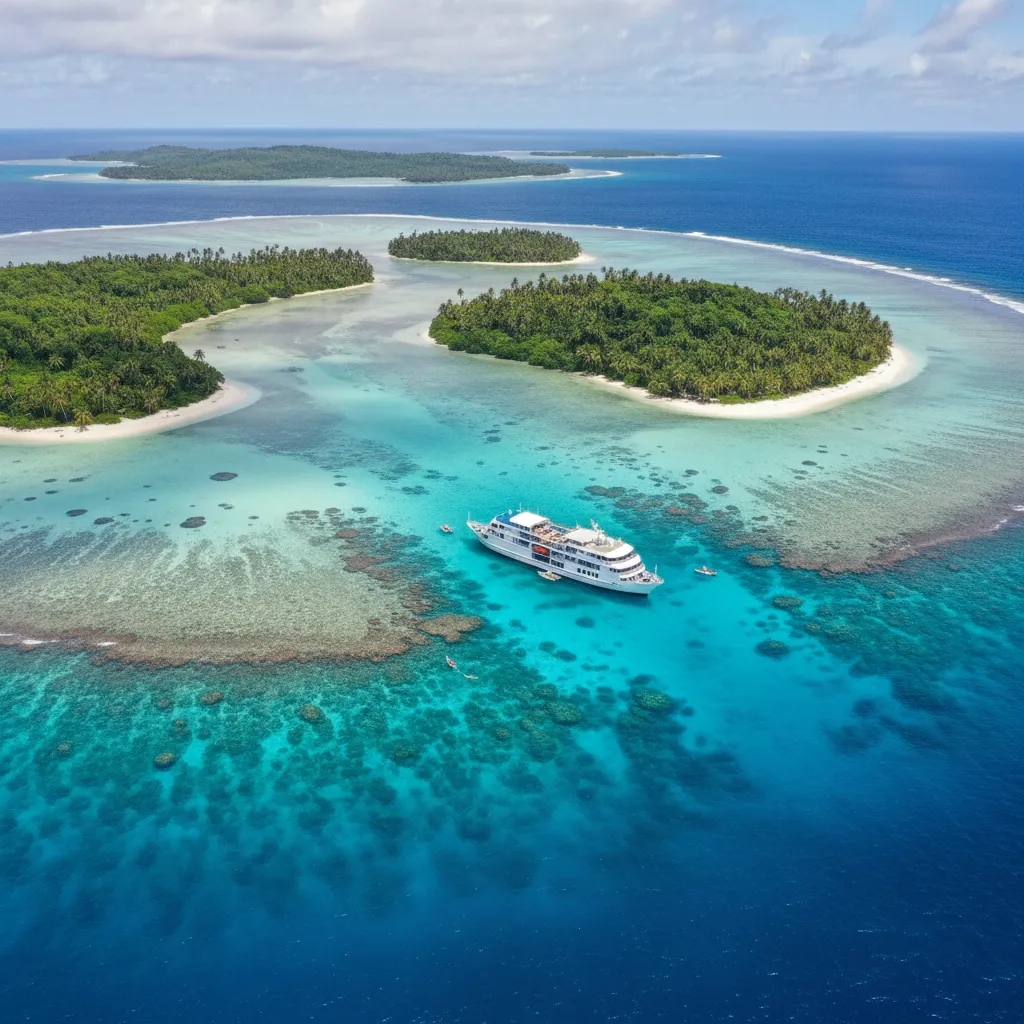
Cruising in Fiji is fundamentally different from the Caribbean mega-ship experience. Here, “expedition cruising” is the standard. Small ships, capable of navigating shallow lagoons, offer access to remote villages and untouched reefs that land-based tourists never see. Companies like Blue Lagoon Cruises and Captain Cook Cruises offer 3, 4, and 7-night itineraries focusing on the Mamanuca and Yasawa groups.
These cruises are vital for travelers who want to see multiple islands without the hassle of packing and unpacking. They often include daily cultural interactions, such as visiting a local school or participating in a church service, providing a deeper connection to the host culture than a standard resort stay.
Exploring Fijian Cuisine: Lovo and Kokoda
No itinerary is complete without a deep dive into the local palate. Fijian food is a fusion of indigenous Melanesian ingredients and Indian spices, a result of the country’s unique demographic history.
- The Lovo: This is an earth oven feast. Meats (chicken, pork, fish) and root vegetables (dalo, cassava) are wrapped in banana leaves and buried over hot rocks. It is a smoky, slow-cooked delicacy usually reserved for special occasions or weekly resort nights.
- Kokoda (pronounced Ko-konda): The Fijian answer to ceviche. Raw Walu (Spanish Mackerel) is cured in lemon juice and then bathed in fresh coconut cream with chilies, onions, and tomatoes. It is refreshing, rich, and an absolute must-try.
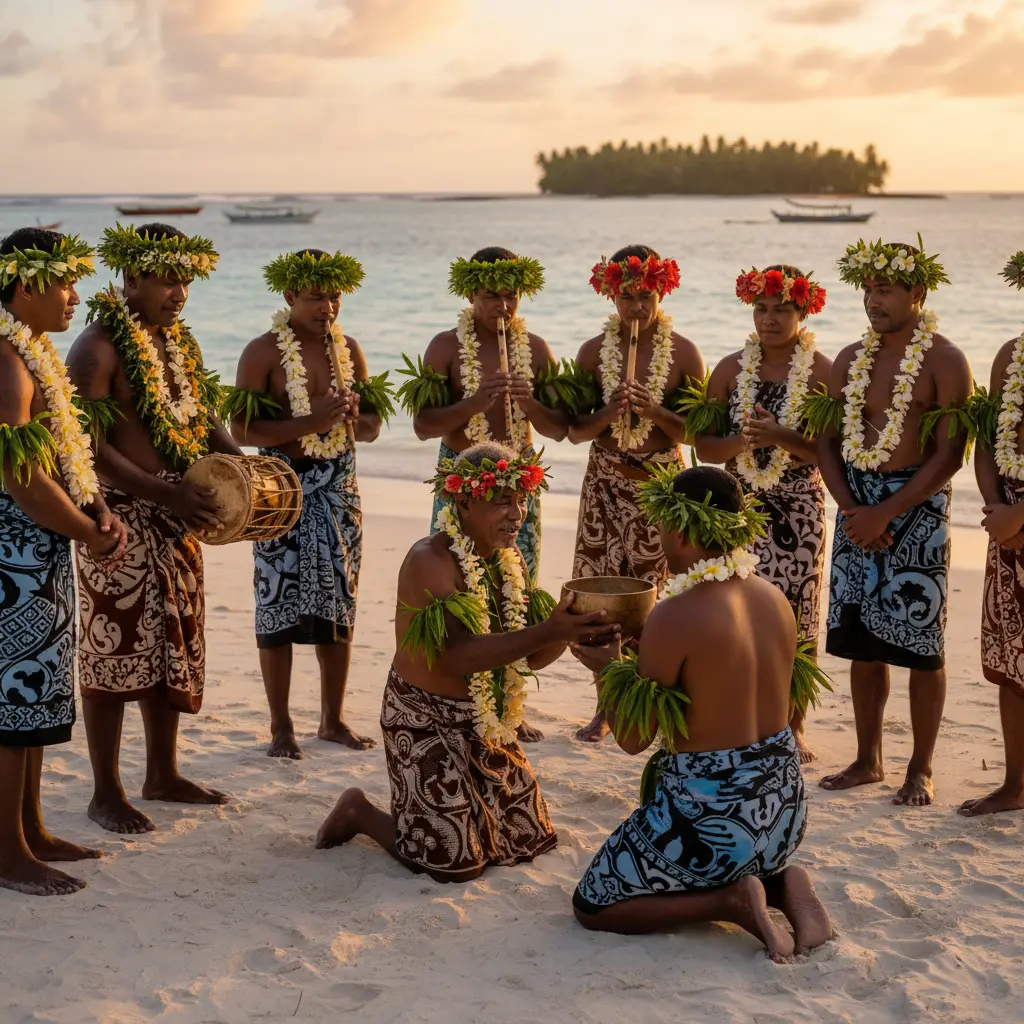
- Kava (Yaqona): More than a drink, Kava is a ceremonial sedative made from the crushed root of the pepper plant. It tastes earthy and numbs the tongue, but participating in a Kava circle is the highest form of social bonding in Fiji.
Regional Breakdown: Nadi, Suva, Yasawas, and Mamanucas
Understanding the geography is the most critical component of your Fiji travel planning guide. Each region offers a distinct atmosphere and targets a different demographic.
Nadi and Denarau Island
Nadi (pronounced Nandi) is the gateway to Fiji, home to the international airport. While Nadi Town is a bustling commercial hub, Denarau Island is a reclaimed mangrove area connected by a causeway, hosting high-end chain resorts, a golf course, and the marina. It is convenient and perfect for families who need easy access to amenities, but it lacks the “castaway” white sand beaches found further out. The water here is darker due to the volcanic sands.
The Coral Coast and Pacific Harbour
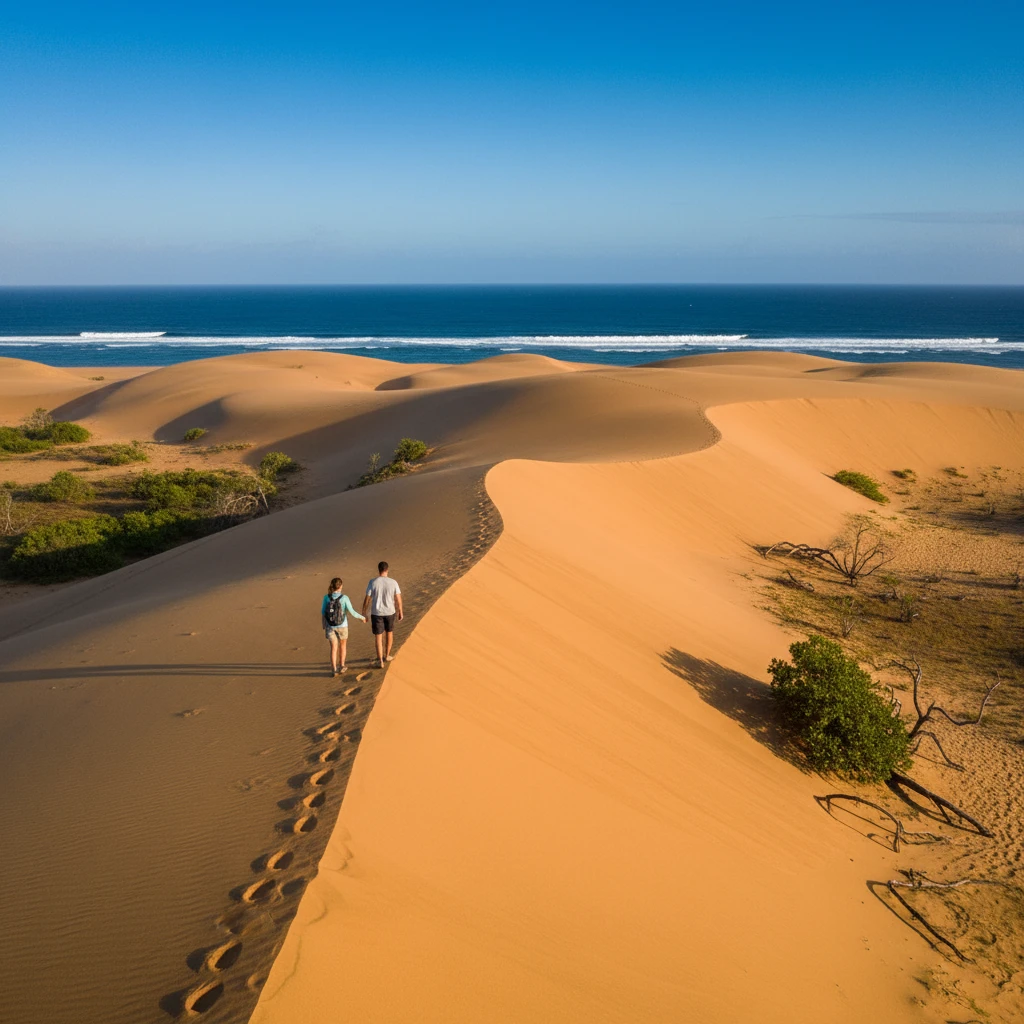
Stretching along the southern coast of Viti Levu, this area is famous for the Sigatoka Sand Dunes and extensive fringing reefs. It is the adventure capital of Fiji. Pacific Harbour offers shark diving in Beqa Lagoon and river rafting in the highlands. This region is ideal for active couples and families who want to hike, dive, and explore the interior rainforests.
The Mamanuca Islands
Visible from Nadi, this chain of islands is the cinematic version of paradise. Home to the floating bar “Cloud 9” and the filming location of the movie Cast Away, the Mamanucas are characterized by calm lagoons, white sands, and high-end luxury resorts. Because they are in the rain shadow of the main island, they enjoy more sunshine hours than anywhere else in Fiji. This is the prime location for honeymooners and luxury travelers.
The Yasawa Islands
North of the Mamanucas lies the Yasawa chain. Historically closed to land-based tourism until the late 1980s, these islands remain less developed and more dramatic. The terrain is volcanic and rugged, dropping into deep blue waters. This is the destination for eco-tourism, backpacking, and barefoot luxury. The famous Blue Lagoon is located here. Travel between these islands is typically done via the “Yasawa Flyer” catamaran or seaplane.
Suva and the North
Suva, the capital, is located on the rainy southeast side of Viti Levu. It is a colonial harbor city with rich history, museums, and a vibrant nightlife, but few tourists visit due to the lack of beaches. To the north, the islands of Vanua Levu and Taveuni (the Garden Island) offer world-class soft coral diving and bird watching. These are for the seasoned traveler looking to escape the commercial tourist track.
Best Time to Visit: Weather and Seasonality
Fiji has a tropical maritime climate, meaning it is warm year-round, but seasonality plays a huge role in price and comfort. A robust Fiji travel planning guide must account for the wet and dry seasons.
The Dry Season (May to October)
This is “Winter” in the Southern Hemisphere and the peak tourist season. Temperatures range from 20°C to 29°C (68°F to 84°F). The humidity is lower, and the risk of rain is minimal, making it the perfect time for weddings and sunbathing. However, prices are at their highest, especially during Australian and New Zealand school holidays (June/July).
The Wet Season (November to April)
Known as “Summer,” this season brings higher temperatures and high humidity. It is also cyclone season. While major cyclones are not daily occurrences, they are a risk factor that requires travel insurance. The upside is that the landscapes turn a vibrant green, waterfalls are at their peak flow, and accommodation prices drop significantly. This is the best time for surfers, as the swells are more consistent.
Shoulder Seasons
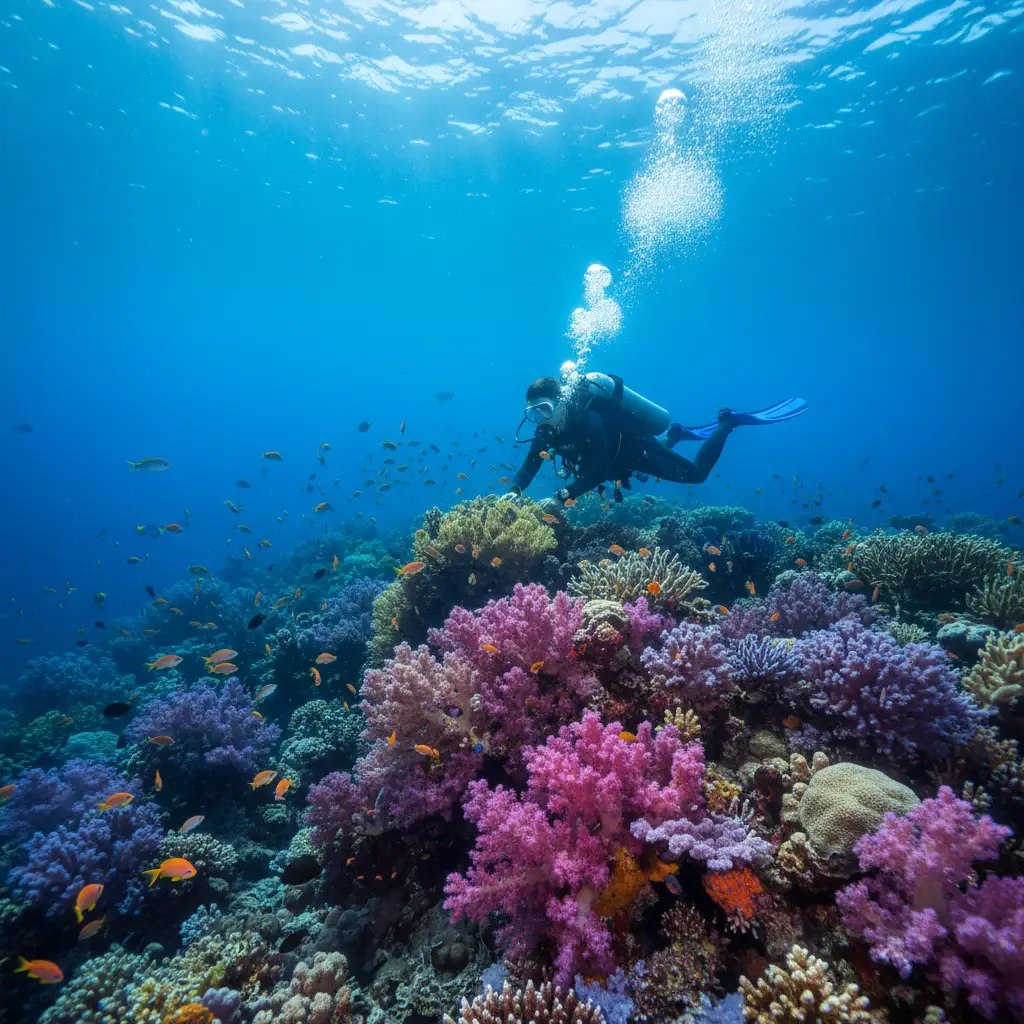
Late October and early May are the sweet spots. You often get the dry weather without the peak season crowds or prices. For divers, the water visibility is often best during these transition months.
Essential Logistics and Cultural Etiquette
To truly respect and enjoy Fiji, one must understand the local customs. Fijians are incredibly polite, and reciprocating that respect goes a long way.
Village Etiquette
If your planning includes a village visit, there are strict rules to follow. You should never wear a hat or sunglasses inside a village, as the head is considered sacred. Shoulders and knees should be covered (carrying a sarong or sulu is always a good idea). Always present a bundle of Kava (sevusevu) to the village chief as a gift upon arrival.
Currency and Connectivity
The currency is the Fijian Dollar (FJD). While credit cards are accepted at resorts, cash is king in villages and local markets. Internet connectivity has improved drastically, with Vodafone and Digicel offering tourist SIM cards at the airport. However, do not expect high-speed Wi-Fi in the remote Yasawas; embrace the digital detox.
“Fiji Time”
Finally, adjust your mindset. “Fiji Time” is a real cultural phenomenon where schedules are fluid and urgency is non-existent. Service may be slower than in New York or London, but it is delivered with a genuine smile. Relax, breathe, and let the islands dictate the pace.
Frequently Asked Questions
Do I need a visa to travel to Fiji?
Most travelers, including those from the US, UK, Canada, Australia, and New Zealand, do not need a visa for stays up to 4 months. You are issued a visitor permit on arrival, provided you have a return ticket and a passport valid for at least 6 months beyond your stay.
Is Fiji safe for solo female travelers?
Yes, Fiji is generally considered very safe for solo female travelers. The culture is communal and protective. However, standard precautions should be taken: avoid walking alone at night in urban areas like Suva or Nadi, and dress modestly when outside of resort areas to respect local customs.
What is the best way to get between islands?
For the Mamanucas and Yasawas, the high-speed catamaran (Yasawa Flyer) is the most popular and cost-effective option. For Vanua Levu or Taveuni, domestic flights via Fiji Link are recommended. Private speedboats and seaplanes are available for luxury transfers.
Can I drink the tap water in Fiji?
Tap water is generally safe to drink in major hotels and resorts in Nadi, Suva, and Denarau. However, in rural areas and outer islands, it is highly recommended to drink bottled water or filtered water to avoid stomach issues.
How much should I tip in Fiji?
Tipping is not mandatory or traditionally expected in Fiji, as the culture is communal. However, it is becoming more common in tourism. If you wish to tip, it is better to contribute to the resort’s “Staff Christmas Fund” box rather than tipping individuals, ensuring the money is shared among all staff, including those behind the scenes.
What should I pack for a Fiji vacation?
Pack light, breathable cotton clothing, swimwear, and plenty of reef-safe sunscreen. A “sulu” (sarong) is essential for village visits. Bring insect repellent for the evenings, sturdy reef shoes for walking in the water, and a waterproof bag for boat transfers.