
Fiji family holidays NZ packages offer New Zealanders an accessible tropical escape with direct flights under four hours. These vacations typically include accommodation at child-friendly resorts, access to world-class kids’ clubs, and meal plans tailored for families, making it the ultimate stress-free destination for school break getaways.
For New Zealand families, the allure of Fiji is undeniable. It is more than just a holiday destination; it is a rite of passage for Kiwi kids and a sanctuary for exhausted parents. With a flight time shorter than a drive from Auckland to Wellington, Fiji provides an immediate transition from the stress of the school term to “island time.” Whether you are looking to escape the biting cold of the New Zealand winter or simply seeking a cultural reset, planning the perfect Fiji family holiday requires strategic insight into timing, budgeting, and location selection.
Best Times for Family Travel: July vs. September School Holidays
When planning Fiji family holidays NZ based travelers often debate between the July and September school breaks. Both offer distinct advantages, but understanding the climatic and economic differences is crucial for maximizing value and enjoyment.
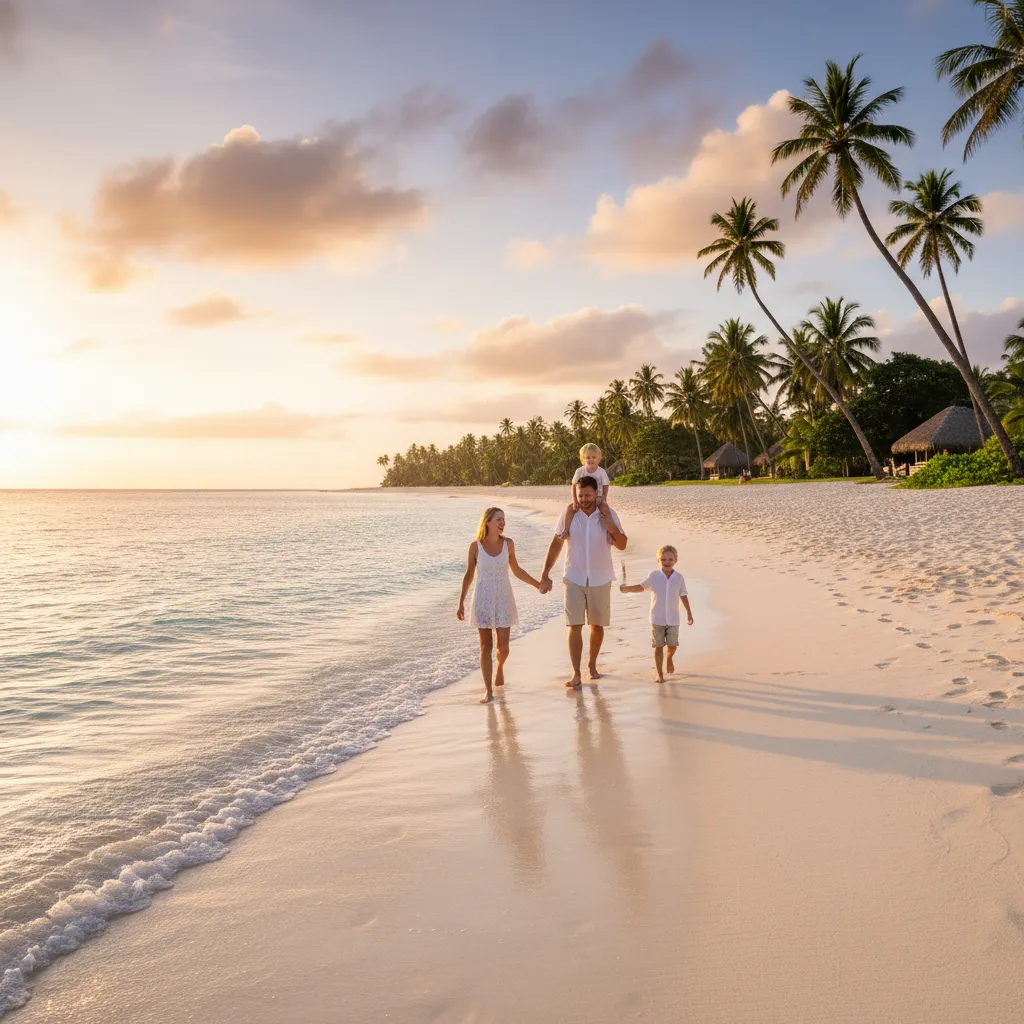
What to expect during the July School Holidays?
The July school holidays coincide with the peak of the New Zealand winter. Consequently, this is the most popular time for Kiwis to flee the frost for the tropics.
Weather: July is the middle of the Fijian dry season (winter). Expect lower humidity and cooler evenings, with daytime highs around 26°C. The water might feel slightly brisk for locals, but for Kiwis used to the Pacific Ocean, it remains pleasant.
Pros:
- Lowest rainfall probability, guaranteeing pool days.
- Comfortable temperatures for active excursions like hiking or zip-lining.
- Low humidity makes it easier for infants and elderly grandparents.
Cons:
- Peak Pricing: This is the most expensive time to fly. Air New Zealand and Fiji Airways flights can double in price if not booked 6-9 months in advance.
- Crowds: Resorts, particularly in Denarau, will be at maximum capacity. Kids’ clubs require pre-registration.
Is September better for Fiji family holidays?
The September/October school holidays mark the transition into the warmer season.
Weather: Temperatures start to climb toward 29°C, and humidity increases slightly. The ocean temperature is warmer than in July, making it ideal for snorkeling trips to the outer reef.
Pros:
- Shoulder Season Pricing: While still a school holiday period, you can often find better deals on accommodation compared to the July rush.
- Warmer Water: Better for water sports and younger children who get cold easily.
Cons:
- Increased chance of brief tropical showers (though usually passing quickly).
- The sun is stronger; high SPF sunblock is non-negotiable.
Top Family-Friendly Regions in Fiji
Fiji is an archipelago, but for a family holiday, three main regions dominate the market due to their infrastructure, accessibility, and family-oriented amenities.
Why choose Denarau Island?
Denarau is the hub of convenience. Located just 20 minutes from Nadi International Airport, it eliminates the need for long transfers after a flight. It is a gated community of high-end resorts (Sheraton, Sofitel, Radisson Blu) connected by the “Bula Bus.”
Best For: Families with toddlers or those who prefer resort-style luxury with easy access to restaurants and the marina. The beaches here are darker sand and not the quintessential “island paradise,” but the pools are spectacular.
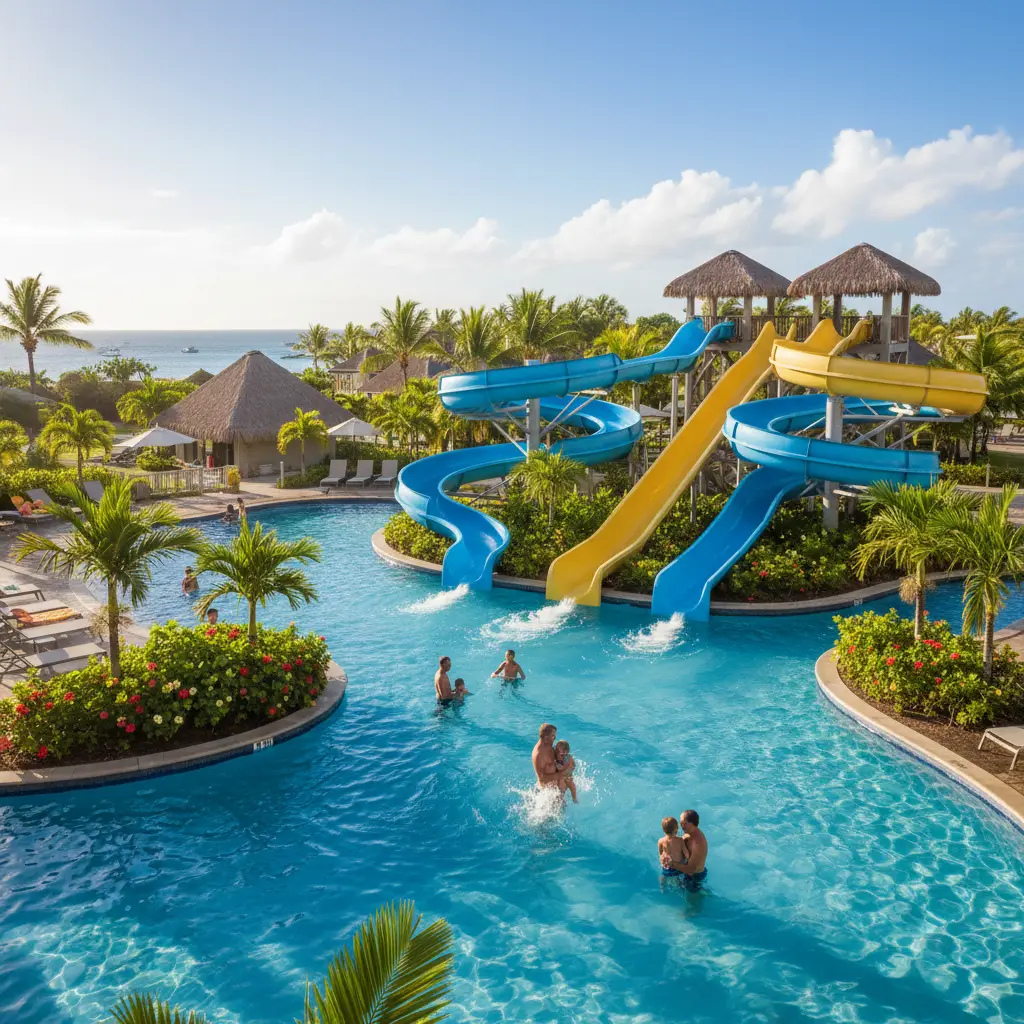
What does the Coral Coast offer?
Located on the main island’s southern coast (a 1-2 hour drive from Nadi), the Coral Coast offers a more authentic Fijian experience. Resorts here (like the Outrigger or Shangri-La) are expansive and often feature better snorkeling directly off the beach compared to Denarau.
Best For: Active families. Attractions like the Kula Wild Adventure Park and the Sigatoka Sand Dunes are nearby. It offers a balance of adventure and relaxation.
Are the Mamanuca Islands worth the transfer?
If you want the white sand and turquoise water seen in brochures, you must leave the mainland. A short boat ride from Denarau takes you to the Mamanucas (Plantation Island, Malolo Island).
Best For: The classic tropical island experience. The water is crystal clear, making it perfect for snorkeling and kayaking. It feels more secluded and immersive.
Budgeting for a Family of 4 (NZD Breakdown)
Understanding the cost of Fiji family holidays NZ style is essential to avoid sticker shock. Prices vary wildly depending on the level of luxury, but here is a realistic breakdown for a 7-night stay for a family of four (2 adults, 2 kids under 12) during school holidays.
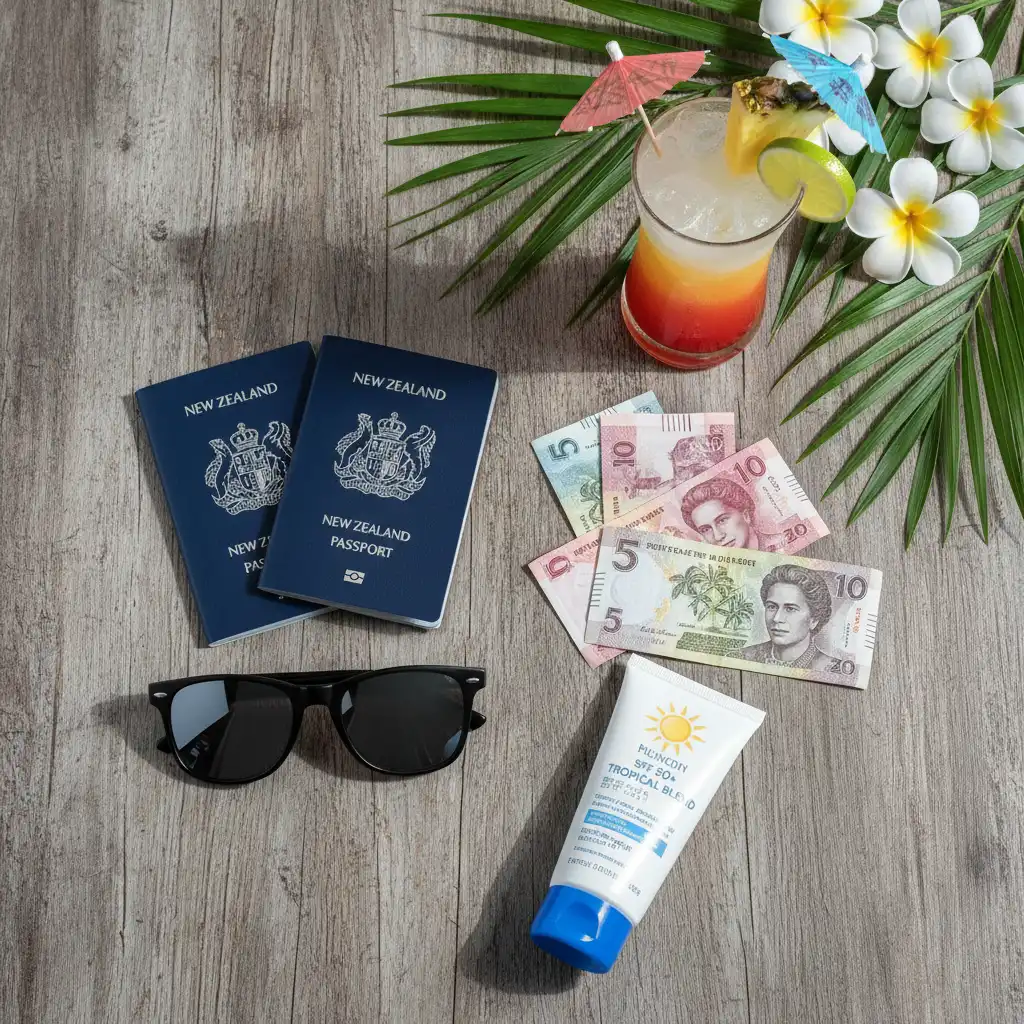
1. Flights (Air NZ or Fiji Airways)
Estimated Cost: $3,200 – $5,500 NZD total.
Flight prices skyrocket during school breaks. To stay on the lower end, book as soon as flights are released (usually 11 months out). Watch for “Grabaseat” deals, though these rarely align perfectly with school holiday dates.
2. Accommodation
Budget/Mid-Range (e.g., Plantation Island, The Naviti): $3,000 – $5,000 NZD.
Luxury (e.g., Vomo, Sofitel, Jean-Michel Cousteau): $8,000 – $15,000+ NZD.
Pro Tip: Look for “Kids Stay, Play, and Eat Free” packages. These are common in Fiji and can save a family over $1,500 NZD on food alone.
3. Food and Drink
Estimated Cost: $1,500 – $3,000 NZD.
Resort food is priced similarly to Auckland restaurant prices, often higher. A buffet dinner can range from $80-$120 FJD per adult. If you are not on a meal plan, budget approx $300 NZD per day for the family. Buying duty-free spirits at Auckland airport and snacks at a local Nadi supermarket before heading to your resort can significantly reduce costs.
4. Activities and Transfers
Estimated Cost: $800 – $1,500 NZD.
Includes airport transfers (private vs. shared), a day trip to an island (e.g., Cloud 9 or Tivua Island), and motorized water sports. Non-motorized sports are usually free.
Safety and Medical Info for Parents
While Fiji is generally very safe, travelling with children requires specific precautions. The tropical environment presents different health challenges than New Zealand.
Is the water safe to drink?
In most major resorts, tap water is filtered and safe, but it is highly recommended to stick to bottled water for children to avoid “Fiji Belly” (travelers’ diarrhea). Use bottled water for brushing teeth if you have sensitive stomachs. Ensure kids stay hydrated; the tropical heat causes dehydration faster than in NZ.
Mosquitoes and Dengue Fever
Fiji does have mosquitoes that can carry Dengue Fever. There is no vaccine for Dengue, so prevention is key.
- Use insect repellent containing DEET or Picaridin.
- Dress children in light-colored, long clothing during dawn and dusk.
- Ensure your room has screens or mosquito nets.
Medical Facilities
The main hospital is in Lautoka, and there are medical centers in Nadi and Suva. However, medical facilities are not up to New Zealand standards.
Critical Advice: Comprehensive Travel Insurance is mandatory. Ensure your policy covers medical evacuation (medevac) back to New Zealand. A serious injury or illness on an outer island requires a helicopter or boat transfer to the mainland, followed by an air ambulance to NZ, which can cost upwards of $50,000 NZD without insurance.
Sun Safety
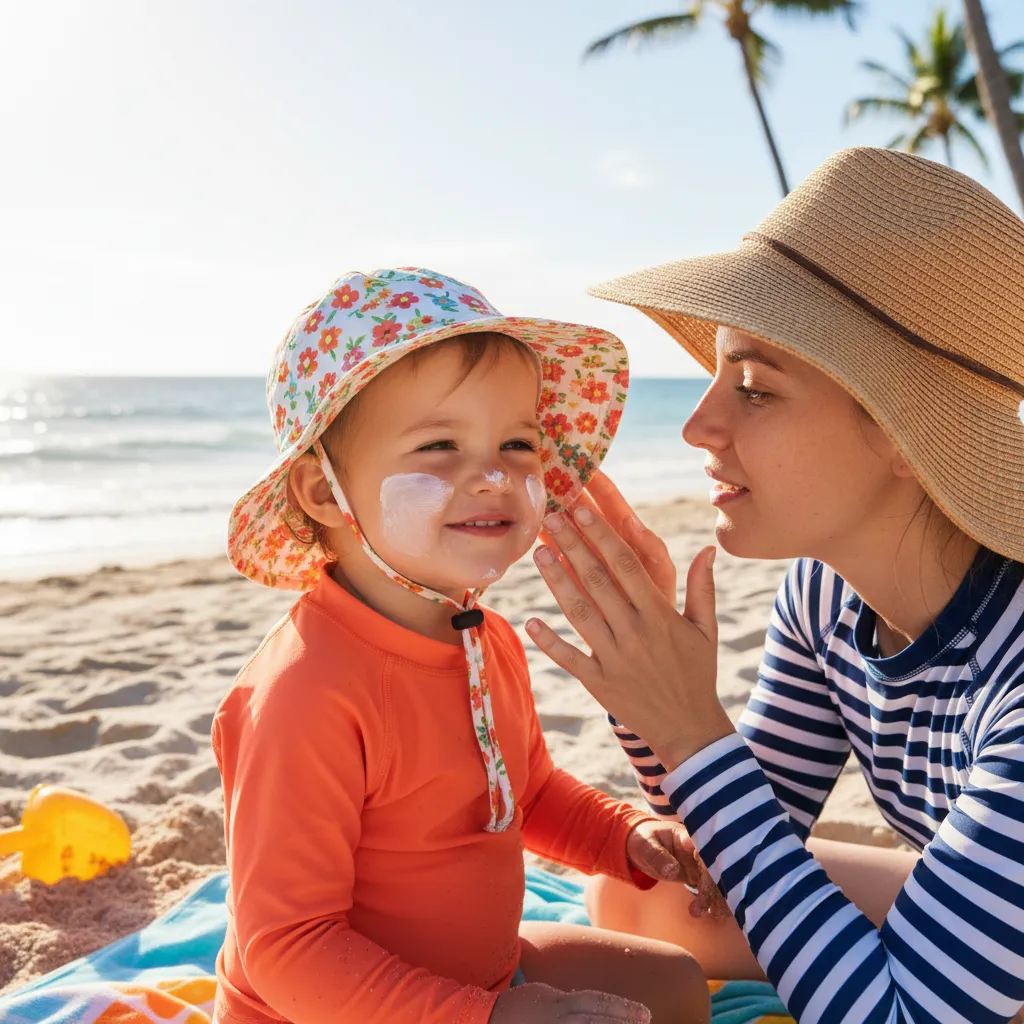
The UV index in Fiji is extreme. New Zealanders are aware of sun safety, but the combination of heat and water reflection in Fiji is potent. Burn times can be under 10 minutes. Use SPF 50+, wear rash tops (rashies) for swimming, and enforce “hats on” rules strictly.
Packing Essentials for Kiwi Families
To ensure a smooth trip, pack these essentials that are either expensive or hard to find in Fiji:
- Reef Shoes: Coral cuts are common and can get infected easily. Essential for the Coral Coast.
- Snacks: Muesli bars, crackers, and Marmite. Resort shops charge a premium for imported snacks.
- Basic Med Kit: Panadol/Nurofen (kids’ liquid), antihistamines, antiseptic cream, plasters, and Aloe Vera gel.
- Pool Inflatables: Bring your own floaties; buying them at the resort is costly.
Frequently Asked Questions
Do New Zealand citizens need a visa for Fiji?
No, New Zealand passport holders do not need a visa for stays of up to 4 months. You will be issued a visitor permit on arrival. However, your passport must be valid for at least 6 months beyond your intended period of stay.
What is the flight time from New Zealand to Fiji?
The flight time is approximately 3 hours and 45 minutes from Auckland to Nadi. Flights from Christchurch or Wellington may take slightly longer or require a connection through Auckland.
Can I use New Zealand dollars in Fiji?
No, the currency is the Fijian Dollar (FJD). While some major resorts might accept foreign currency at a poor exchange rate, it is best to exchange money or use credit cards. Be aware that most resorts charge a 2.5% to 3.5% surcharge on credit card transactions.
Is it safe to swim in the ocean in Fiji?
Generally, yes. However, be aware of currents and tides, especially on the Coral Coast where tides can go out very far, exposing the reef. Always swim in designated areas and listen to resort staff regarding water conditions. Stonefish and coral cuts are the primary hazards.
Do Fiji resorts have babysitting services?
Yes, almost all family resorts offer babysitting services (often called “Meimei” nannies). Prices are very affordable compared to NZ, often ranging from $10 to $20 FJD per hour. Many resorts offer dedicated 1-on-1 nanny packages for the duration of your stay.
What is the “Bula Bubble”?
The “Bula Bubble” originally referred to post-COVID travel corridors. Now, it colloquially refers to the safe, resort-centric environment that families typically stay within. It represents the high standard of hygiene and hospitality Kiwi families can expect within major tourism zones.