
Flights to Fiji from NZ primarily depart from Auckland (AKL) directly to Nadi (NAN), with an average flight time of three hours. Air New Zealand and Fiji Airways operate daily direct services, while travelers from Wellington and Christchurch typically connect via Auckland. Prices and availability fluctuate significantly based on school holiday schedules and peak dry season demand.
Direct Flight Routes and Airline Options from NZ
When searching for flights to Fiji from NZ, travelers are generally looking for efficiency and comfort to maximize their island time. The primary gateway into Fiji is Nadi International Airport (NAN), located on the western side of Viti Levu. While Suva (Nausori Airport) is the capital, Nadi is the tourism hub where the vast majority of international flights land.
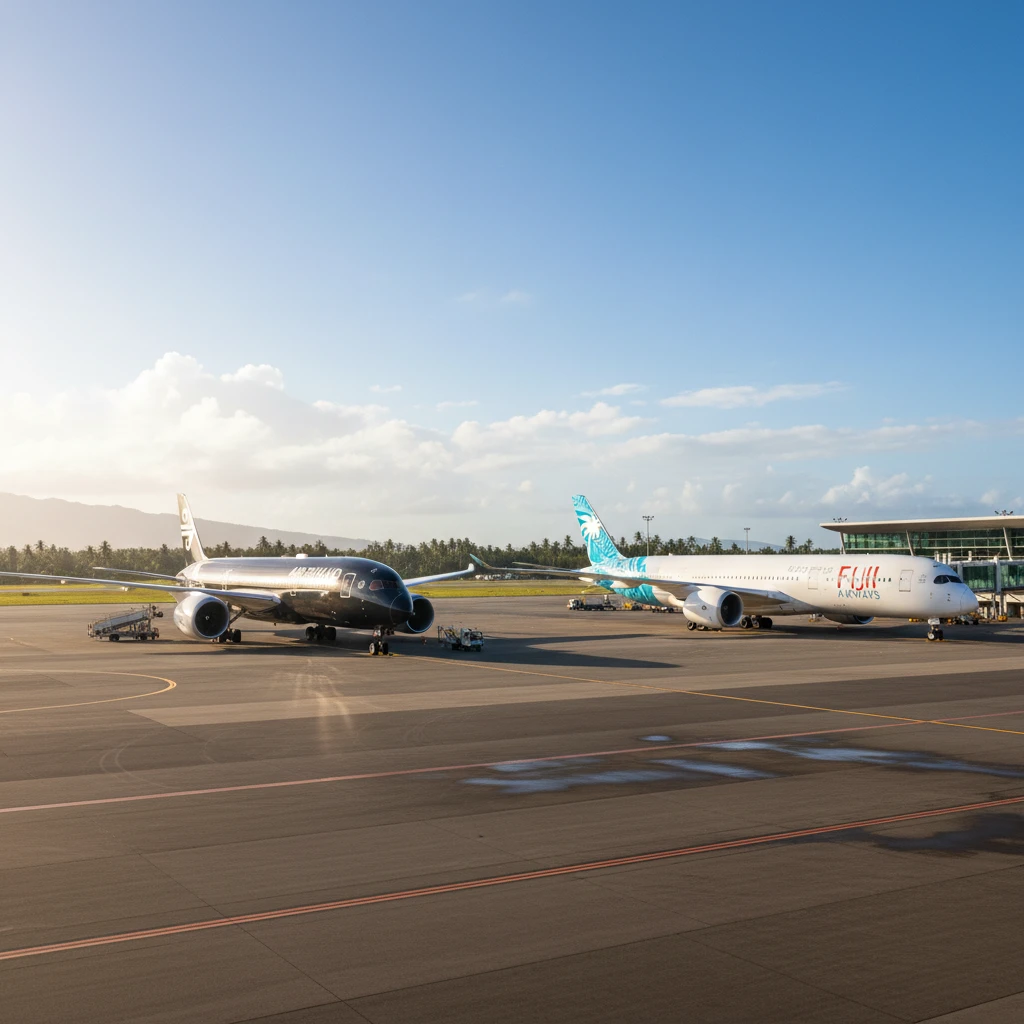
Auckland (AKL) to Nadi (NAN)
This is the trunk route for all Fiji travel from New Zealand. Both Air New Zealand and Fiji Airways offer multiple daily wide-body and narrow-body services. The flight duration is short—approximately 3 hours going up and slightly longer returning due to headwinds. This route is highly competitive, often resulting in price matching between the two major carriers.
Wellington (WLG) and Christchurch (CHC) Connections
Direct flights from Wellington and Christchurch are seasonal and less frequent. Fiji Airways occasionally operates direct services from these cities, particularly Christchurch, during peak demand periods like school holidays. However, for the majority of the year, travelers from the lower North Island and the South Island will need to book a domestic connection to Auckland before transferring to the international leg. When booking these connecting flights, ensure you book a “through-ticket” to protect your baggage transfer and connection guarantee in case of domestic delays.
Choosing Your Carrier: Air New Zealand vs. Fiji Airways
Both airlines offer full-service options, but there are distinct differences in the passenger experience:
- Fiji Airways: As the national carrier, the “Bula Spirit” begins the moment you board. They often utilize the Airbus A350 or A330 on morning flights, which offers a wide-body experience with seat-back entertainment. Their schedule is specifically optimized for hotel check-in times.
- Air New Zealand: Known for consistency and Kiwi service. They typically utilize the Airbus A321neo on this route. While a narrower aircraft, the product is modern. Air New Zealand allows for flexible “Seat to Suit” fare structures, meaning you can opt-out of meals or checked bags to save money if you are traveling light.
Best Time to Book and Seasonality
Securing affordable flights to Fiji from NZ requires an understanding of the tourism seasons. Fiji is a year-round destination, but flight prices are dictated by New Zealand school holidays and the tropical weather patterns.
Peak Season (High Fares)
The most expensive times to fly are during the NZ school holidays (April, July, September/October, and December/January). During these windows, flight capacity is stretched, and prices can double. To secure reasonable fares for these dates, booking 6 to 9 months in advance is recommended.
Shoulder and Low Season (Value Fares)
The sweet spot for value is often February to March and November (excluding holidays). February and March are technically within the wet season, meaning higher humidity and a chance of tropical showers, but the flights are significantly cheaper. May and June are also excellent months to fly; the weather is settling into the dry season, but the peak July crowds have not yet arrived.

Visa and Entry Requirements for NZ Travelers
One of the reasons flights to Fiji from NZ are so popular is the ease of entry. For New Zealand passport holders, the bureaucratic hurdles are minimal, but compliance is mandatory.
Visa-Free Entry
New Zealand citizens do not require a visa for tourist stays of up to 4 months. You will be issued a visitor permit upon arrival at Nadi International Airport. To qualify for this, you must present:
- A passport valid for at least 6 months beyond your intended date of departure from Fiji.
- Proof of a return or onward ticket.
- Confirmation of accommodation (hotel booking or address of where you are staying).
Biosecurity and Customs
Fiji has strict biosecurity laws to protect its environment, similar to New Zealand. You must declare all food, plant, and animal products on your incoming passenger arrival card. Failure to declare items can result in spot fines. Duty-free allowances are generous, but strictly enforced regarding alcohol and tobacco limits.
Airport Transfers and Ground Transport
Once your flight to Fiji from NZ lands, the logistics of getting to your resort are the next priority. Nadi Airport is located roughly 20 minutes from the Denarau Island resort hub and about 1 to 2 hours from the Coral Coast.
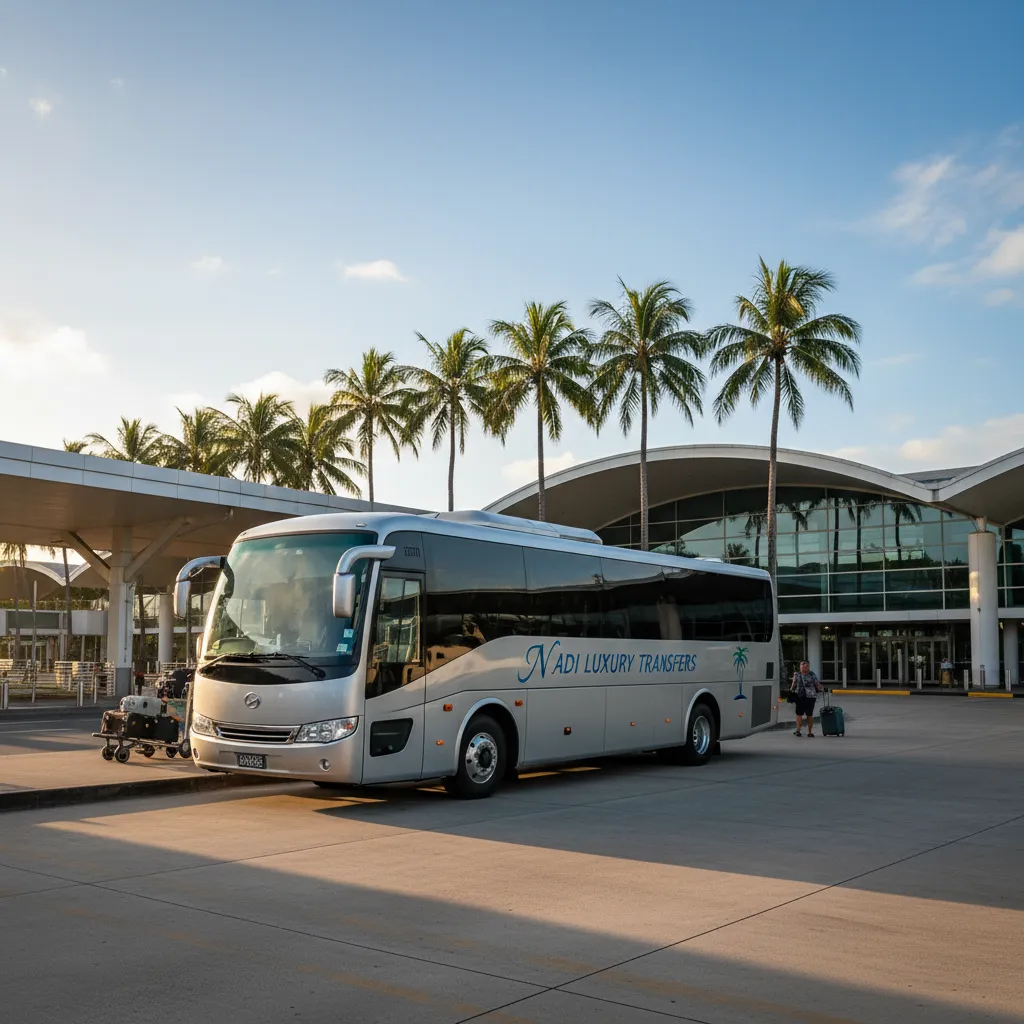
Shared Resort Shuttles
Most major travel packages booked from NZ will include a shared shuttle transfer. These are cost-effective (often branded by companies like Tourist Transport Fiji or Rosie Holidays). The downside is that you may have to wait for other passengers to clear customs, and the bus will stop at multiple resorts, potentially extending your travel time.
Private Car Transfers
For a seamless experience, pre-booking a private transfer is highly recommended, especially for families or groups. A driver will meet you at the arrivals hall with a name sign. This eliminates waiting time and takes you directly to your hotel. While more expensive than a shared bus, the cost is often reasonable when split between four people.
Taxis and Rental Cars
Yellow taxis are available at the airport rank. Ensure the driver uses the meter, or agree on a fixed price (in Fijian Dollars) before departing. Rental cars are available from major brands (Avis, Hertz, Budget) at the airport, but driving in Fiji can be challenging due to road conditions and local driving styles. Most NZ tourists prefer transfers over self-driving.
Travel Insurance Specifics
Booking flights to Fiji from NZ should always be accompanied by comprehensive travel insurance. While Fiji is a safe destination, logistical hiccups and health issues can occur.
Medical Evacuation Coverage
Fiji’s medical facilities are adequate for minor ailments, but serious injuries or complex medical conditions often require evacuation back to New Zealand or Australia. Medical evacuation flights can cost upwards of $50,000 NZD. Ensure your policy includes unlimited medical and evacuation cover.
Activity Coverage
Fiji is an adventure destination. If you plan on diving, surfing, jet skiing, or zip-lining, check your policy wording carefully. Some basic policies exclude “adventure activities” or require an additional premium to cover them. Motorbike riding (scooters) is a common exclusion if you do not hold a valid NZ motorcycle license.
Flight Disruption Cover
Tropical weather can occasionally delay flights. Cyclones (typically November to April) can ground aircraft for days. Comprehensive insurance will cover additional accommodation and meal costs if your flight is delayed or cancelled due to weather events.

Practical Logistics: Currency and Connectivity
To finalize your preparation after booking your flights, consider these on-the-ground logistics.
Currency Exchange
The currency is the Fijian Dollar (FJD). While you can exchange money at NZ airports, you often get a better rate withdrawing cash from ATMs in Nadi using a low-fee travel card (like Wise or Revolut). Most resorts accept credit cards, but cash is essential for markets, taxis, and small villages.
Mobile Data and SIM Cards
Roaming on your NZ mobile plan can be expensive ($7-$10 per day). A cheaper alternative is to purchase a local Vodafone or Digicel SIM card in the arrivals hall at Nadi Airport. Tourist SIM packages offer large data allowances for a fraction of the cost of roaming, ensuring you stay connected for maps and bookings.
People Also Ask
How long is the flight from NZ to Fiji?
The flight time from Auckland to Nadi is approximately 3 hours. Flights returning to Auckland may take slightly longer (around 3 hours 15 minutes) due to prevailing wind patterns. Flights from Christchurch or Wellington (if direct) take roughly 4 hours.
What is the cheapest month to fly to Fiji from NZ?
February, March, and November generally offer the cheapest airfares. These months fall outside of the New Zealand school holidays and are considered the shoulder or low season in Fiji, leading to lower demand and more competitive pricing from airlines.
Do I need a visa for Fiji from NZ?
No, New Zealand passport holders do not need a visa for tourist stays of up to 4 months. You will be granted a visitor permit on arrival, provided your passport is valid for at least 6 months past your departure date and you have a return ticket.
Which airlines fly direct to Fiji from New Zealand?
Air New Zealand and Fiji Airways are the two primary carriers operating direct flights. Qantas also sells tickets but these are often codeshare flights operated by Fiji Airways. Direct flights depart mainly from Auckland, with seasonal or limited services from Christchurch and Wellington.
Can I bring food into Fiji from NZ?
You can bring commercially packaged food, but it must be declared on your arrival card. Fresh fruit, vegetables, meat, and dairy are generally restricted to prevent pests and diseases. Always declare any food items to Customs officers to avoid significant fines.
What is the baggage allowance for Fiji flights?
This depends on your ticket class. Fiji Airways typically includes checked baggage (usually 30kg) in economy fares. Air New Zealand offers “Seat only” fares with no bags, up to “The Works” which includes 23kg of checked luggage. Always check your specific ticket conditions before packing.