
Fiji in May and October represents the ideal shoulder season for New Zealand travelers, offering a perfect convergence of dry, warm weather, reduced accommodation costs, and fewer crowds. These months sit comfortably between the humid cyclone season and the peak winter school holiday rush, providing average temperatures of 25°C to 29°C and excellent water clarity for aquatic activities.
Why May and October are the Sweet Spots for Kiwi Travelers
For New Zealanders looking to escape the cooling temperatures at home without paying peak season premiums, Fiji in May and October offers an unparalleled value proposition. In the travel industry, these periods are known as “shoulder seasons”—the magical windows of time that exist between the high-traffic peak seasons and the less desirable off-peak weather periods.
Traveling during these months allows you to experience the best of the South Pacific archipelago. You avoid the intense humidity and storm risks of the wet season (November to April) and the inflated prices and crowded resorts associated with the Australian and New Zealand school holidays in July and December. Whether you are a couple seeking a romantic getaway, a group of friends, or a family with pre-school-aged children, targeting these specific months can result in a more relaxed and luxurious holiday experience.
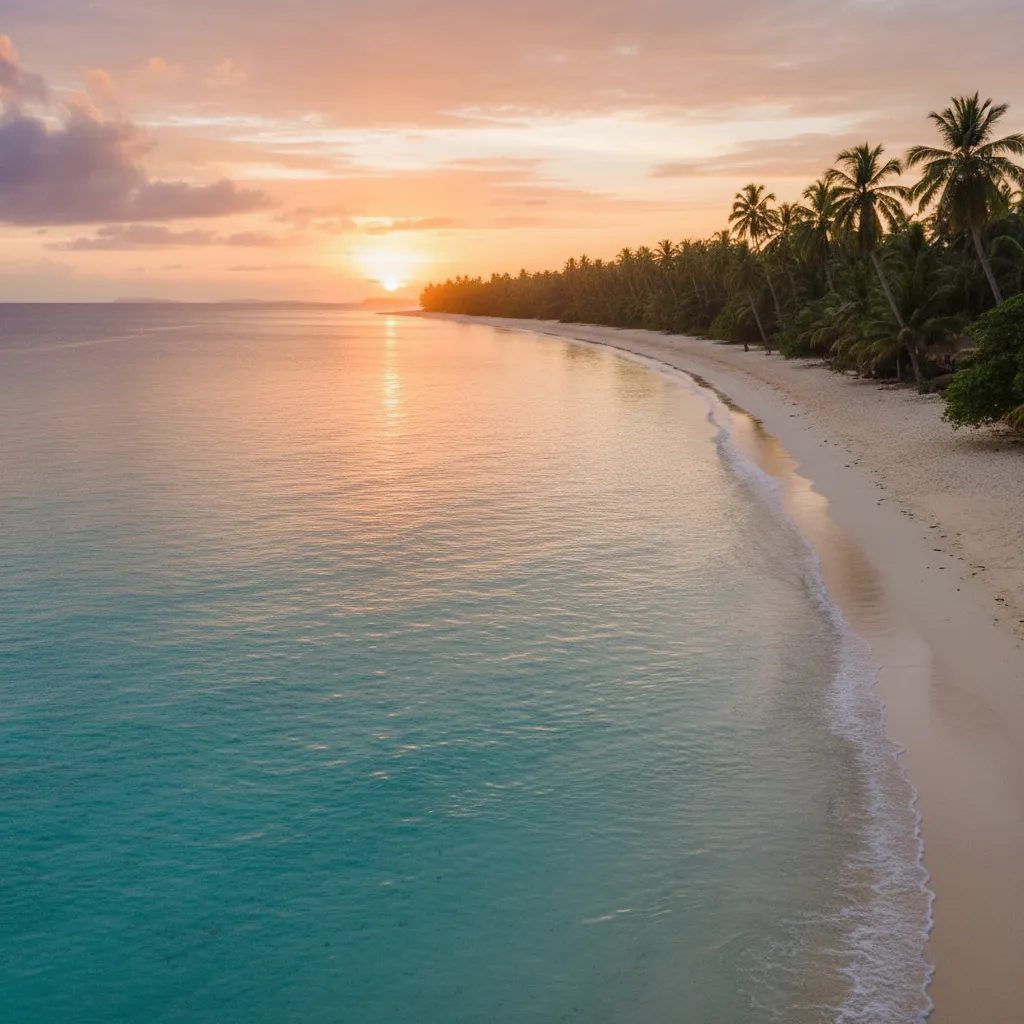
Weather Expectations: Sun, Rain, and Humidity
Understanding the climatic nuances between May and October is crucial for planning your itinerary. While both fall under the “shoulder” category, they sit on opposite ends of Fiji’s dry season.
What is the weather like in Fiji in May?
May marks the beginning of the dry season (winter). As the humidity of the wet season dissipates, the trade winds begin to pick up, bringing a refreshing breeze that keeps the heat manageable. The landscape is incredibly lush and vibrant green following the summer rains.
- Average Temperature: 20°C to 28°C (68°F – 82°F).
- Water Temperature: Approximately 27°C, retaining warmth from the summer.
- Rainfall: significantly reduced compared to March/April, though occasional evening showers can occur.
May is widely considered one of the best months for photography due to the clarity of the air and the vibrancy of the vegetation.
What is the weather like in Fiji in October?
October serves as the gateway to the wet season (summer), but usually retains the dry characteristics of winter while temperatures begin to climb. It is often warmer than May, making it a favorite for heat-seekers who want to ensure balmy evenings.
- Average Temperature: 22°C to 30°C (72°F – 86°F).
- Water Temperature: Around 26°C, starting to warm up again.
- Rainfall: Generally low, but humidity starts to creep up towards the end of the month.
October is historically calm regarding wind, which often results in “glass-out” conditions on the water—perfect for boat trips to the Mamanuca and Yasawa Islands.
Navigating NZ School Holidays and Crowds
For the New Zealand market, the primary motivation for shoulder season travel is often crowd avoidance. However, timing is everything, particularly in October.
The May Advantage
May is arguably the quietest month for New Zealand travelers. The Term 1 school holidays usually conclude by late April, meaning resorts empty out of school-aged children. This creates a tranquil atmosphere ideal for adults-only breaks or parents with toddlers. You will find that restaurant reservations are easier to secure, pools are less crowded, and staff have more time to provide personalized service.
The October Strategy
October requires more strategic planning. New Zealand Term 3 school holidays often span the first two weeks of October. During this fortnight, family-friendly resorts in Denarau and the Coral Coast will be at near-maximum capacity, and flight prices from Auckland, Wellington, and Christchurch will reflect this demand.
Pro Tip: To truly benefit from shoulder season perks in October, book your travel for the last two weeks of the month. By mid-October, Kiwi kids are back in school, and the resorts quiet down significantly before the Australian holiday rush or the festive season begins.

Shoulder Season Pricing: Flights and Accommodation
Financial savings are a major driver for choosing May or late October. Because demand drops significantly outside of school holiday periods, travel providers adjust their pricing to attract visitors.
Airfares from New Zealand
Air New Zealand and Fiji Airways often release sale fares for travel in May and November, with October dates (post-holidays) frequently included. While a peak season return ticket might cost upwards of $1,200 NZD, shoulder season fares can often be found for $600-$800 NZD, depending on how far in advance you book.
Accommodation Deals
Resorts are eager to fill rooms during these lull periods. It is common to find “Stay 7, Pay 5” deals or packages that include substantial resort credits, free meal plans, or complimentary transfers. High-end luxury resorts that are prohibitively expensive in July or December may become accessible during these months.
Value Comparison:
- Peak Season (July): Full rack rate, minimum stay requirements, crowded facilities.
- Shoulder Season (May/Late Oct): Discounted rates (up to 30% off), flexible cancellation policies, potential for room upgrades upon arrival due to lower occupancy.
Key Events and Cultural Festivals
Traveling in May and October doesn’t just mean good weather; it also aligns with several significant cultural and sporting events in Fiji.
Events in May
May is often the month for the Fiji Pro Surf Competition (dates vary annually but often fall in late May or early June). Held at the world-famous Cloudbreak, this event attracts the world’s best surfers. Even if you aren’t a surfer, the atmosphere around the Mamanuca Islands is electric.
Events in October
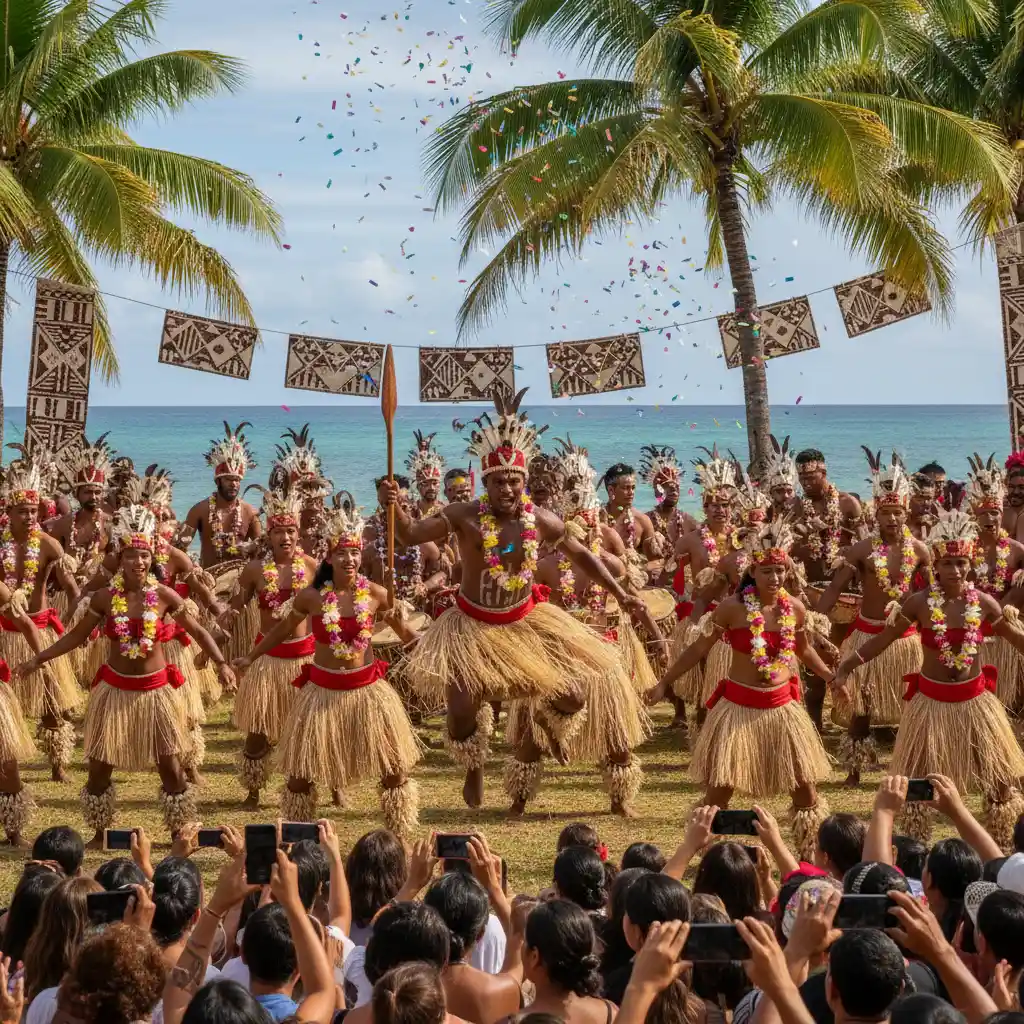
October is a culturally rich month. Fiji Day is celebrated on October 10th, marking the anniversary of Fiji’s independence from British colonial rule in 1970. The week leading up to this date is filled with parades, music, and cultural performances across the islands, particularly in Suva and Nadi. It is a fantastic opportunity for tourists to witness authentic Fijian pride and culture.
Additionally, Diwali (The Festival of Lights) often falls in October or early November. Given Fiji’s large Indo-Fijian population, this is a spectacular time to visit. Houses are illuminated with candles and lights, and fireworks displays light up the night sky across Nadi and Denarau.
Top Activities for Transition Months
The weather conditions in May and October open up specific opportunities for outdoor enthusiasts that might be less optimal during the peak of summer or the middle of winter.
Diving and Snorkeling
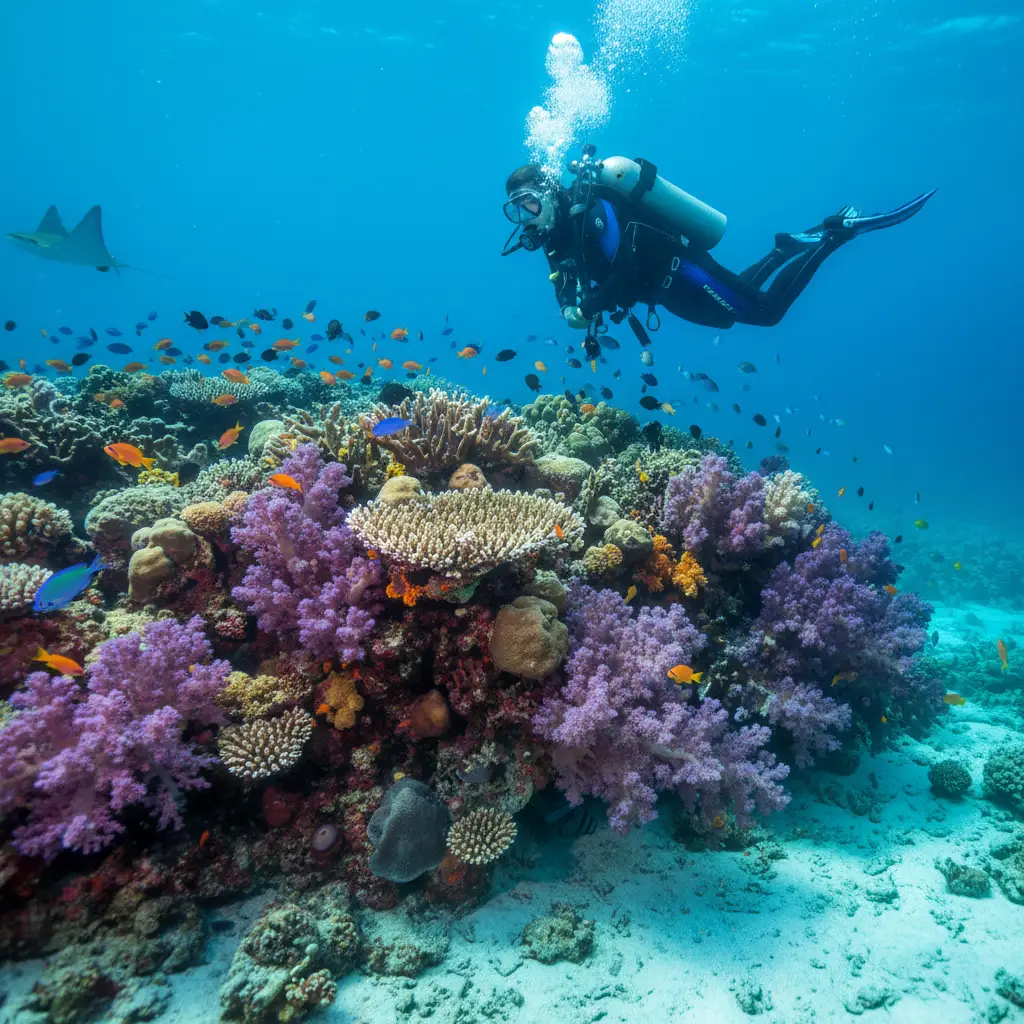
Fiji is the “Soft Coral Capital of the World,” and shoulder season offers prime viewing. In May, the water is still warm from summer, but the plankton blooms start to settle, improving visibility. By October, visibility is often at its peak, sometimes exceeding 30 meters. This is an excellent time to dive the Great Astrolabe Reef or the Somosomo Strait.
Hiking and Exploration
Hiking in the height of summer (January/February) can be grueling due to humidity. May is the perfect time for hiking the sand dunes of Sigatoka or trekking to waterfalls in Taveuni. The vegetation is lush from the recent rains, but the air is cooler and drier, making physical exertion much more comfortable.
Cruising
With the trade winds moderating in October, multi-day cruises through the Yasawa Islands are particularly enjoyable. The seas are generally calmer than in the windy mid-winter months of July and August, reducing the risk of sea sickness for sensitive travelers.
Frequently Asked Questions
Is it rainy in Fiji in May?
May is the start of the dry season, so rainfall decreases significantly compared to the wet season months of Jan-April. While you might experience brief, passing showers (usually in the late afternoon or overnight), long periods of rain are rare. The islands are lush and green during this time.
Can you swim in Fiji in October?
Absolutely. October is one of the best months for swimming. The water temperature averages around 26°C (79°F), which is warm enough for extended snorkeling or swimming sessions without a wetsuit. The ocean conditions are also generally calm.
Is Fiji expensive in October?
The first two weeks of October can be expensive due to New Zealand school holidays. However, the last two weeks of October are considered shoulder season, where prices for flights and accommodation typically drop, offering great value before the festive peak season.
Which is better, May or October?
It depends on your preference. May is greener and slightly cooler, making it great for hiking and land-based activities. October is warmer and drier with calmer seas, making it slightly better for boat trips and diving. Both avoid the extreme humidity of summer.
Do I need to book in advance for shoulder season?
While you don’t need to book as far in advance as you would for Christmas or July, it is still recommended to book 3-4 months out to secure the best flight prices from New Zealand and to ensure your preferred room type is available, especially if traveling during the October school holiday overlap.
What should I pack for Fiji in May?
Pack light, breathable clothing for the day, swimwear, and reef-safe sunscreen. For May evenings, which can be slightly cooler (around 20°C) due to trade winds, bring a light cardigan, hoodie, or windbreaker, especially if you are staying near the coast or on smaller islands.