
Surfing Fiji Cloudbreak requires advanced skill due to its powerful, fast-barreling left-hand reef break over shallow coral. Located off Tavarua Island, the best time to surf Cloudbreak is during the Southern Hemisphere winter (April to October) when consistent Southwest swells hit the Mamanuca Islands, offering world-class waves accessible via boat transfers from local resorts.
What is Cloudbreak? Understanding the Beast
For surfers based in New Zealand, the allure of the tropical Pacific is undeniable, but few waves command the respect and reverence of Cloudbreak. Known locally as Nakuru Kuru (Thundercloud Reef), Cloudbreak is frequently cited as one of the ten best/most challenging waves in the world. Located about three miles south of Namotu Island and Tavarua Island in the Mamanuca archipelago, it is a left-hand reef pass that creates a complex, fast, and often intimidating barrel.
Unlike many other reef breaks that rely on a specific tide to work, Cloudbreak is unique because it is surfable at all tides, though the character of the wave changes drastically. At low tide, the reef becomes shallow and razor-sharp, turning the wave into a draining, fast barrel that offers no room for error. At high tide, the wave becomes slightly more inviting but retains its heavy lip and sheer power. The wave mechanics allow it to hold swells ranging from 2 feet to 20 feet plus. When it gets big, it is not merely a surfing spot; it becomes an arena for the world’s elite big-wave chargers.
For the Kiwi surfer looking to graduate from the beach breaks of Mount Maunganui or the points of Raglan, Cloudbreak represents a significant step up in intensity. It is not a beginner’s wave. The sheer volume of water moving over the reef, combined with the speed of the sections, requires a high level of fitness, paddle power, and confidence.
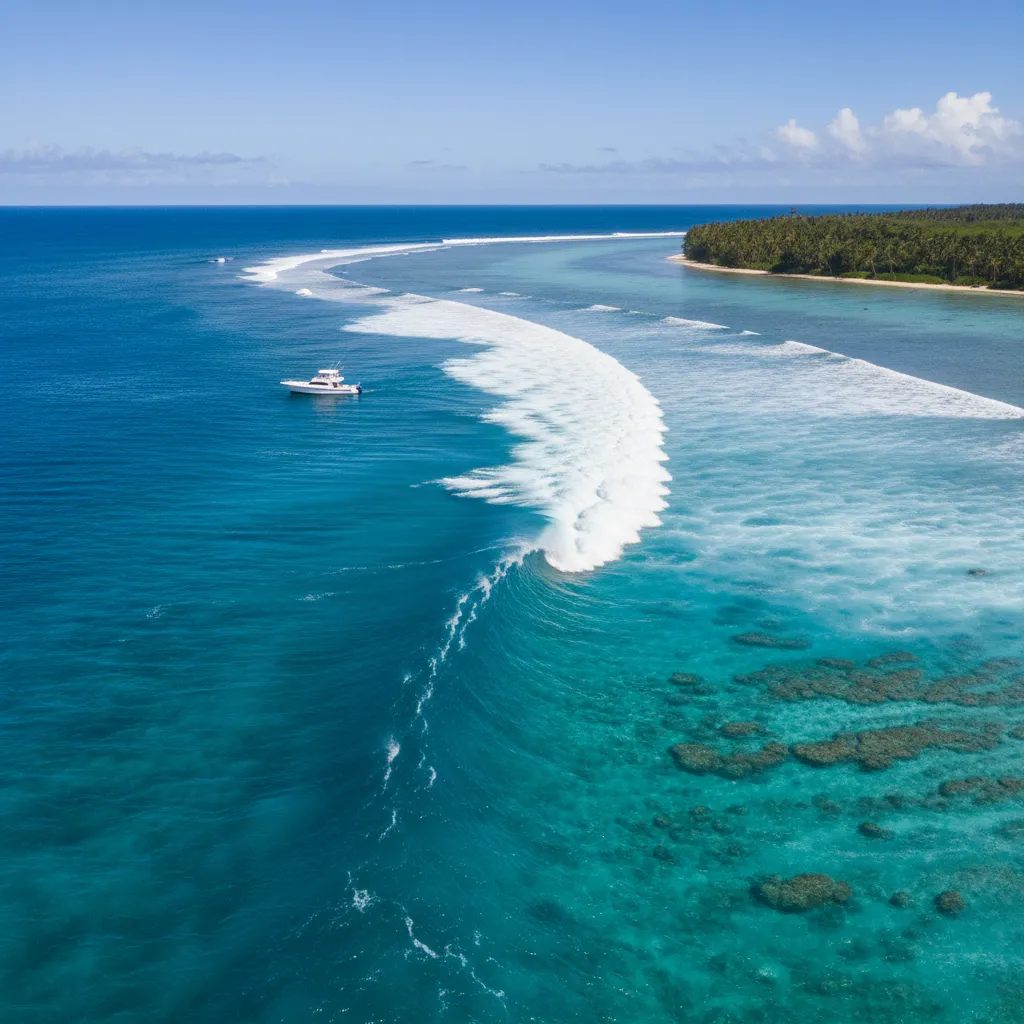
Best Season for Swells: Timing Your NZ Escape
For New Zealanders, Fiji is the perfect winter escape, conveniently coinciding with the prime surf season in the Mamanucas. Understanding the swell windows is critical to ensuring you score the conditions you are looking for.
The Winter Season (April to October)
This is the “Goldilocks” window for serious surfers. During the Southern Hemisphere winter, deep low-pressure systems march across the Southern Ocean below Australia and New Zealand. These systems generate powerful Southwest groundswells that travel unobstructed toward Fiji. This is when Cloudbreak truly comes alive.
During these months, you can expect consistent swells ranging from head-high to triple overhead. The trade winds (Southeast) are generally consistent during this time, which is perfect for Cloudbreak as it is offshore in the trades. For Kiwis, this timing is impeccable—leaving the frost of an Auckland July for the 27°C water of the Mamanucas is a rite of passage.
The Summer Season (November to March)
While the winter brings the legendary heavy swells, the summer season should not be discounted, especially for those looking for a slightly less intense experience. The swells in summer are generally smaller and less consistent, often generated by tropical cyclones or North Pacific activity. However, “smaller” at Cloudbreak can still mean perfect, fun, head-high walls that are far less life-threatening than their winter counterparts. The winds can be more variable in summer, with glassy mornings being common before the sea breeze kicks in. This season is often referred to as the “off-season,” meaning fewer crowds in the lineup.
Getting There: Flights and Boat Transfers
One of the major advantages for the New Zealand market is proximity. A flight from Auckland (AKL) to Nadi (NAN) takes roughly three hours, making it an accessible destination even for a short strike mission. Once you land in Nadi, however, the logistics of reaching the reef require planning.
From Nadi to the Breaks
Cloudbreak is located on the outer reefs of the Mamanuca chain. You cannot paddle out from the mainland. Access is strictly by boat. Upon arrival at Nadi International Airport, most surfers will take a shuttle bus (approx. 45 minutes) to Denarau Marina or the Vuda Marina. From there, you have two primary options depending on where you are staying:
- Resort Transfers: If you are staying on Tavarua or Namotu, the resort will arrange a private boat transfer directly to the island. This is the most seamless, albeit expensive, option.
- Day Charters: If you are staying on the mainland or at a non-surf specific resort, you will need to book daily surf transfers. These boats usually depart early in the morning to catch the calmest conditions.
The boat ride from the mainland to Cloudbreak takes approximately 45 to 60 minutes. It is a scenic ride, but it can be bumpy if the wind is up. If you are staying on Tavarua or Namotu, the boat ride to the break is a mere 5 to 10 minutes, allowing you to check the surf from your breakfast table and maximize your wave count.
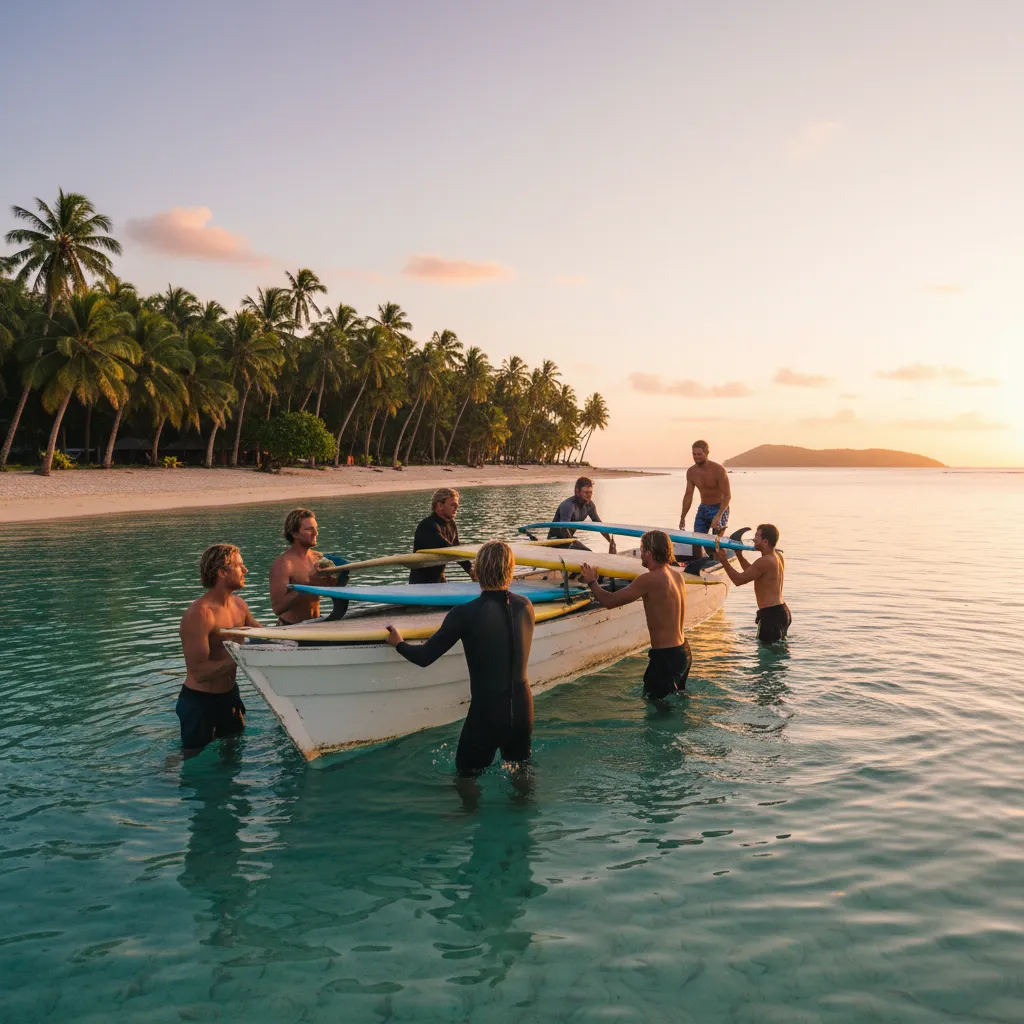
Where to Stay: Surf Camps vs. Luxury Resorts
The accommodation landscape in Fiji has changed significantly since the Fiji government deregulated the surf decree in 2010, opening up access to waves that were previously exclusive to specific resorts. For the Kiwi traveler, this presents a spectrum of choices ranging from budget-friendly to ultra-luxury.
The Exclusive Islands: Tavarua and Namotu
For decades, Tavarua Island Resort and Namotu Island Resort held exclusive rights to Cloudbreak and neighboring Restaurants. While the waves are now open to everyone, staying on these islands remains the premium experience.
Pros: You are minutes from the wave. The boat support is world-class, with safety skis often in the water. The food, service, and atmosphere are tailored entirely around the surf lifestyle.
Cons: High cost. These resorts are often booked out years in advance, and the price point is significant, usually charged in USD.
The “Middle Ground”: Plantation and Musket Cove
Located on Malolo Lailai Island, Plantation Island Resort and Musket Cove offer a great balance. They are close enough to the breaks (15-20 min boat ride) but offer a more traditional resort experience that caters to families and non-surfers as well.
Pros: More affordable than the exclusive islands. Great for families (kids clubs, pools).
Cons: You are reliant on scheduled boat transfers to get to the surf, meaning you might miss a sudden window of good conditions.
Mainland and Budget Surf Camps
For the budget-conscious Kiwi surfer or the backpacker, staying on the mainland (Viti Levu) or at budget surf camps near the Momi Bay area is the most economical choice.
Pros: Significantly cheaper. Access to other activities on the mainland.
Cons: The commute to Cloudbreak is long (45-60 mins each way). If the wind changes while you are out there, you are stuck on the boat until it returns. Fuel surcharges for the long boat trips can add up.
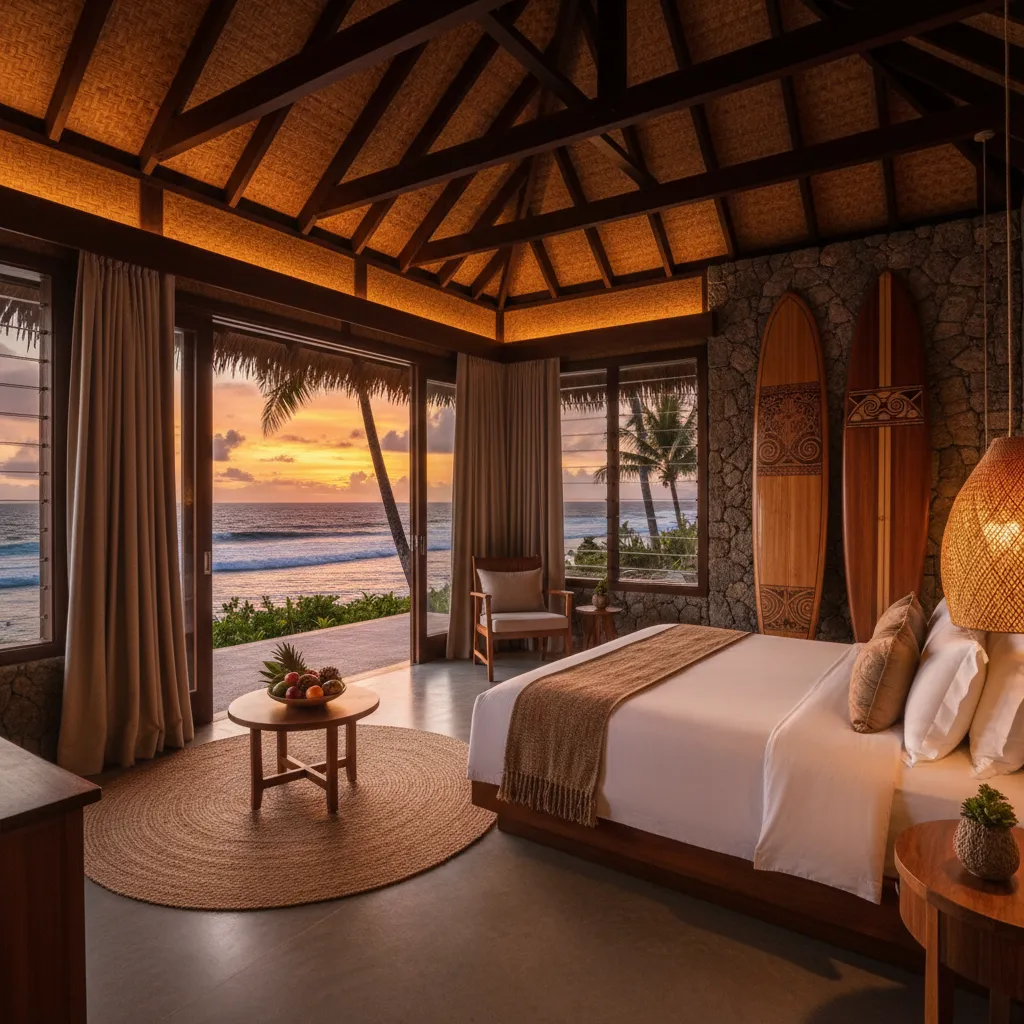
Technical Breakdown: How to Surf the Wave
To successfully surf Cloudbreak, you need to understand its sections. The reef is long, and the wave can be broken down into three distinct parts, though on the best days, they connect into one kilometer-long ride.
The Ledge (The Point)
This is the top of the reef where the takeoff zone is located. It is steep, fast, and critical. The takeoff requires commitment; hesitation here results in being pitched over the falls. Once you make the drop, you are immediately set up for a barrel section.
The Middle
After the initial drive from the Ledge, the wave often slows down slightly, offering a high-performance wall for carves and cutbacks. This is the “fun” section where you can catch your breath before the wave accelerates again. However, on big days, this section can still be a heavy barrel.
Shish Kebabs
This is the inside section, and it earns its name from the sharp coral heads that stick up through the water. As the wave wraps around the reef, it bends into the shallowest water. This section is a fast, draining barrel that often clamps shut. It is high risk, high reward. Many surfers choose to kick out before Shish Kebabs to save their skin (and their fins).
Board Selection: Leave your groveler at home. You need a board with rocker to handle the steep drops. A standard shortboard works for 2-4 foot days, but if the forecast calls for 6 foot+, bring a step-up. A rounded pin tail is preferred for holding the line in the barrel.
Local Surf Etiquette and Safety
Since the deregulation of the waves, the lineups have become busier. The “vibe” in the water is generally friendly—Fijians are known as the friendliest people on earth—but respect is paramount.
Lineup Hierarchy
Cloudbreak attracts professional surfers and hard-charging locals. Do not paddle straight to the peak and expect to get the set of the day. Sit on the shoulder, observe the rotation, and wait your turn. If the boatmen (the Fijian surf guides) are surfing, give them space; they know the reef better than anyone and ensure the safety of the lineup.
Reef Safety
The coral at Cloudbreak is living and sharp. Cuts are inevitable. In the tropical climate, staph infections are a serious risk.
Protocol:
1. Wash any cut immediately with fresh water and soap.
2. Apply lime juice (a local remedy often available on the boats) to sterilize, though it stings.
3. Use Betadine or antibiotic cream and cover it.
4. Do not let a small cut ruin your trip; treat it aggressively.
Gear Essentials for Fiji Surf Trips
Packing for a surf trip from New Zealand to Fiji requires a specific checklist. While you can buy wax and leash strings at the resorts, prices are at a premium.
- Reef Booties: Essential. Even if you don’t like surfing in them, you will be thankful for them when walking across the reef to retrieve a lost board.
- Heavy Duty Leashes: Bring at least two. The power of Cloudbreak snaps leashes regularly. Do not bring a “comp leash”; bring a thick, heavy-wave leash.
- Sun Protection: The Fijian sun is far more intense than in NZ. Zinc is mandatory. Wear a rash vest or a surf tee to prevent board rash and sunburn.
- First Aid Kit: Waterproof band-aids, antibiotic cream, pain relief, and ear drops (for surfer’s ear prevention).
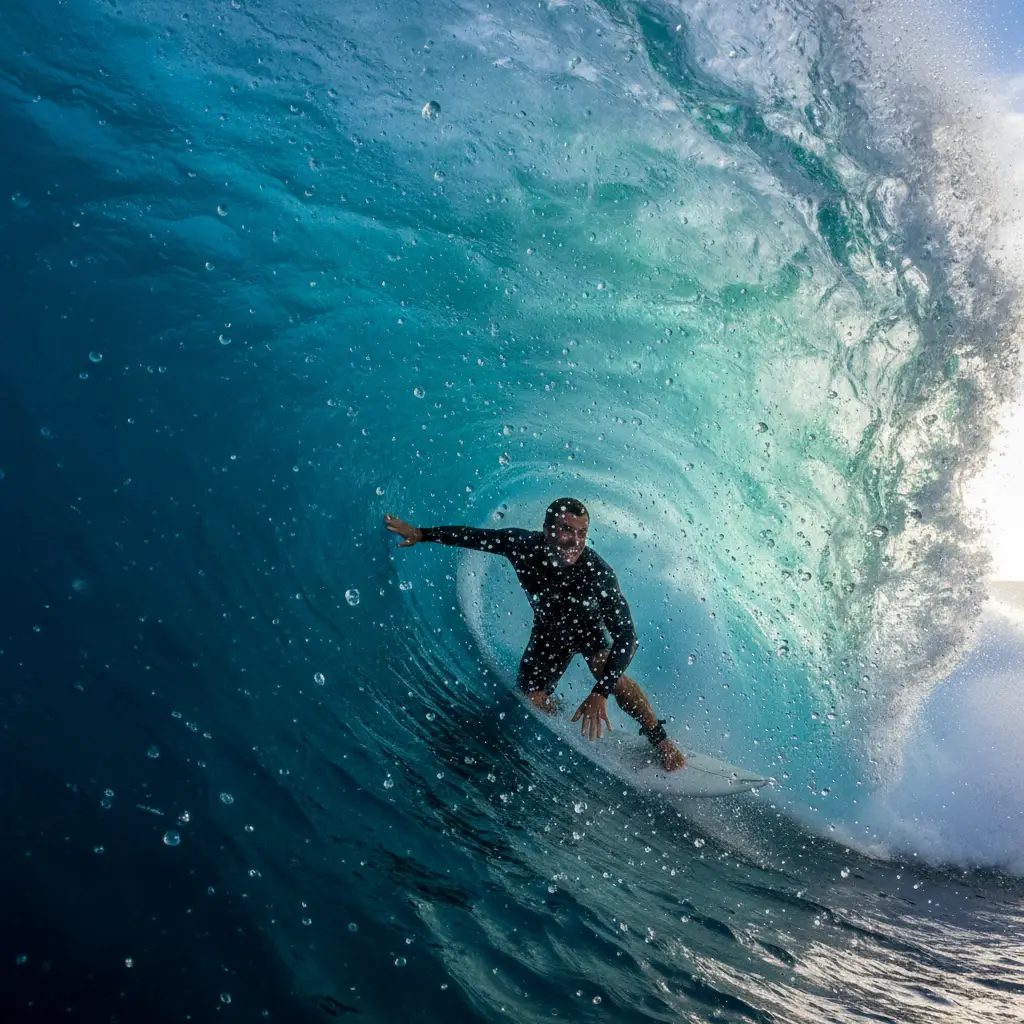
Frequently Asked Questions
Is Cloudbreak suitable for beginner surfers?
No, Cloudbreak is an advanced wave. The water moves fast, the reef is shallow, and the currents are strong. Beginners should look at breaks like Swimming Pools or engage a surf school at the resort for lessons in protected waters.
What is the best tide to surf Cloudbreak?
Cloudbreak can be surfed at all tides. High tide is generally safer as there is more water over the reef, making it slightly more forgiving. Low tide produces hollower, faster, and more critical waves but increases the risk of reef injury.
Do I need a wetsuit for surfing in Fiji?
Generally, no. The water temperature averages 25-28°C (77-82°F). However, if you are surfing early mornings in the winter season (July/August) and the wind is up, a 1mm wetsuit top or rash vest can provide comfort against wind chill.
How much do boat transfers cost from the mainland?
Costs vary, but expect to pay between $100 and $180 FJD per person for a return trip from the mainland marinas. Prices depend on the operator, the number of surfers, and fuel costs.
Are there sharks at Cloudbreak?
Yes, sharks are present in the Fijian ecosystem, including reef sharks which are commonly seen. However, attacks are extremely rare. The clarity of the water usually ensures that marine life is visible, and sharks typically avoid the busy lineup.
Can I surf Cloudbreak if I am not staying at Tavarua or Namotu?
Yes. Since the 2010 government decree, all surf breaks in Fiji are open to the public. You can stay anywhere and take a boat to the reef, though guests on the islands have the advantage of proximity.