
Surfing Fiji Cloudbreak offers one of the world’s most challenging and rewarding experiences, characterized by a fast, hollow left-hand reef break located off Tavarua Island. Ideally suited for advanced to expert surfers, the wave produces long barrels over shallow coral, with optimal conditions occurring during the Southern Hemisphere winter swells from April to October.
The Legend of Cloudbreak: Understanding the Wave
For New Zealand surfers accustomed to the shifting beach breaks of the West Coast or the points of Raglan, Cloudbreak represents the pinnacle of tropical reef surfing. Consistently ranked among the top ten waves on the planet, it is not merely a surf spot; it is a geological marvel located in the Mamanuca archipelago.
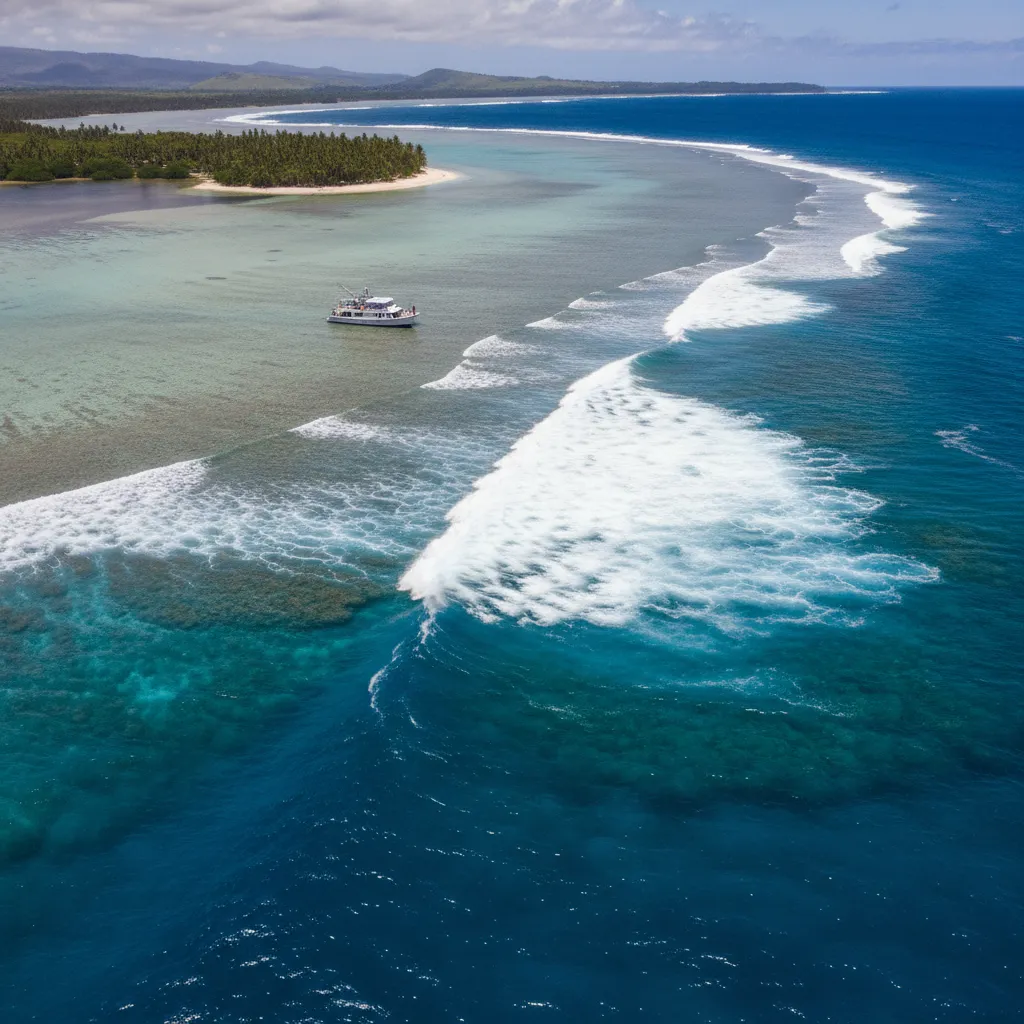
Cloudbreak, or “Thundercloud Reef,” is a left-hand reef pass that breaks approximately 1.6 kilometers off Tavarua Island. What makes this wave unique is its sheer mechanical perfection combined with raw ocean power. As open ocean swells march out of the deep Pacific, they unload onto a sharp coral shelf, creating a wave that can be surfed from two feet to twenty feet.
The wave is generally divided into three main sections: The Point (the takeoff zone), the Middle, and Shish Kebabs (the inside section). On smaller days, these sections can feel disjointed. However, when a solid southwest swell fills in, these sections link up to form a ride that can last for hundreds of meters, offering multiple barrel sections. The inside section, Shish Kebabs, is notorious for getting shallow and fast, often closing out over dry reef, demanding precise exit strategies.
Best Season for Swells: When to Book Your Flights
For Kiwis planning a strike mission or a family holiday, understanding the seasonality of Fiji’s surf is crucial. While Fiji is a year-round destination, the character of Cloudbreak changes drastically depending on the month.
The Winter Season (April to October)
This is the prime time for serious surfers. During the Southern Hemisphere winter, low-pressure systems deep in the Southern Ocean (the same ones that send cold fronts up New Zealand) generate massive groundswells that travel unobstructed toward Fiji. This is when Cloudbreak roars to life.
Conditions: Expect wave heights ranging from head-high to triple overhead. The trade winds (southeast) are prevalent during this time, which are offshore for Cloudbreak, grooming the faces to perfection. However, the wind can be strong, so a slightly heavier board is often recommended to cut through the chop on the face.
The Summer Season (November to March)
If you are looking for a more relaxed experience or traveling with family who might want calmer waters, the summer season is ideal. The swells are generally smaller, generated by local weather systems or distant North Pacific activity.
Conditions: This period is known as the “wet season.” While rain is more frequent, the winds are often lighter and glassy days are common. The waves at Cloudbreak during this time are often in the fun, playful range (2-4 feet), making it accessible for high-intermediate surfers who aren’t ready to tackle the giants of July.
Logistics: Boat Transfers to Reef Breaks
Unlike the drive-up beaches of Piha or Mount Maunganui, surfing in the Mamanucas requires maritime logistics. Cloudbreak is an outer reef break, meaning you cannot paddle out from the shore of any resort. You are entirely dependent on boat transfers.
For travelers arriving from Auckland (AKL) or Christchurch (CHC) into Nadi International Airport (NAN), the journey usually involves a bus transfer to Port Denarau, followed by a ferry or private water taxi to your chosen accommodation.
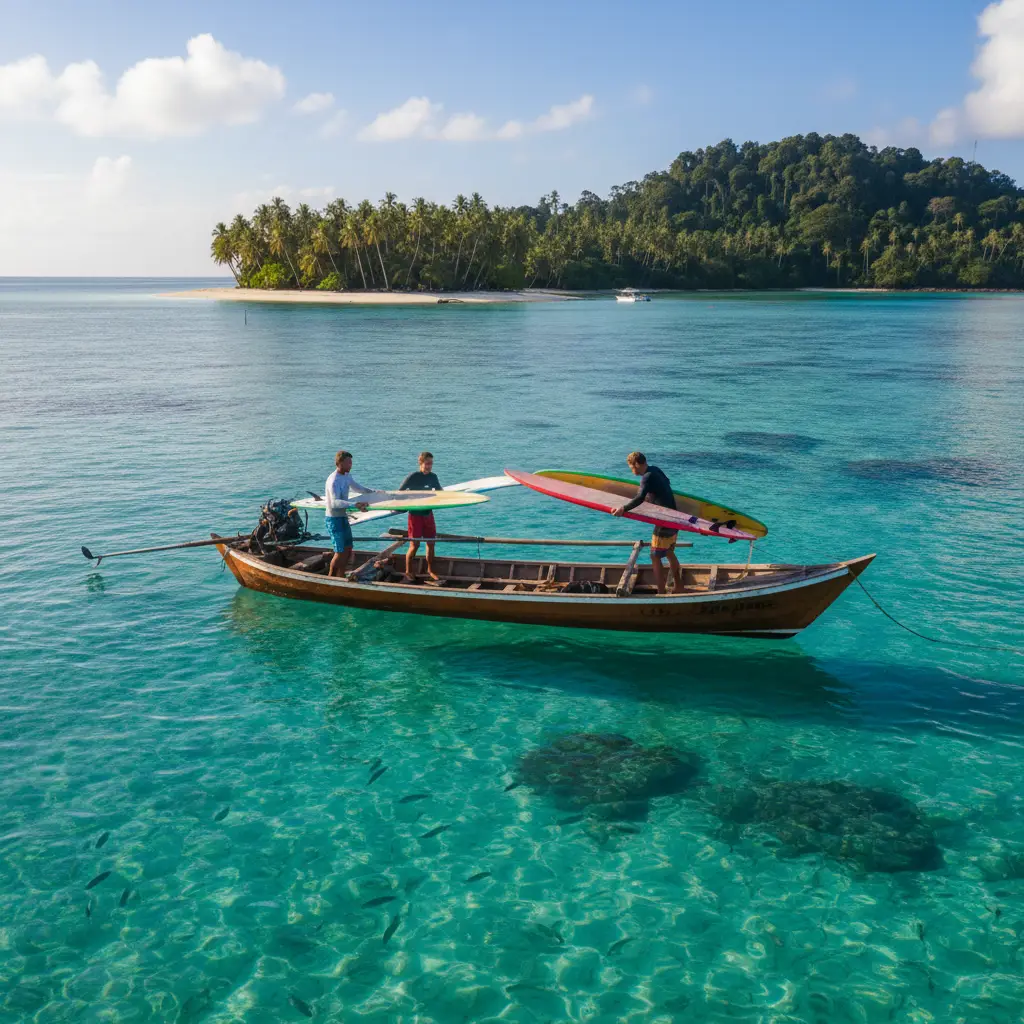
The Boat Pass System: Most resorts operate on a “surf transfer” system. If you stay at dedicated surf resorts like Tavarua or Namotu, boat transfers are typically included or prioritized. You simply hop on a skiff with a boatman who knows the lineup intimately.
If you are staying at non-dedicated resorts (like Plantation Island or Musket Cove), you will likely need to purchase a surf transfer pass from a third-party operator or the resort’s water sports center. These boats run on a schedule, usually heading out early morning and mid-afternoon. It is vital to check the tide charts; Cloudbreak is surfable on all tides, but lower tides can be extremely dangerous for the uninitiated.
Where to Stay: Surf Camps vs. Luxury Resorts
The accommodation landscape in Fiji caters to a wide spectrum of budgets, but proximity to the break is the primary driver of cost. For the New Zealand market, options generally fall into three categories.
The Holy Grail: Tavarua and Namotu
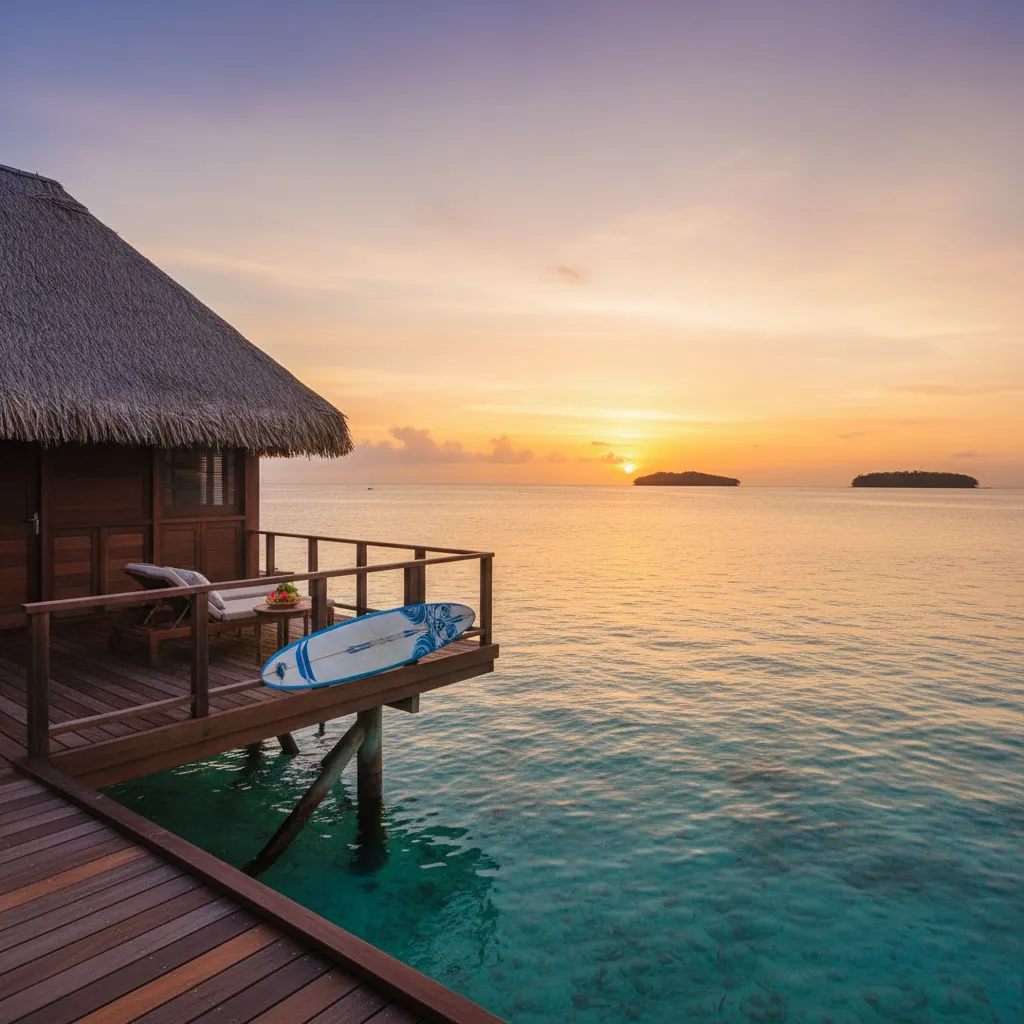
These are the two islands closest to the break. Tavarua is heart-shaped and legendary; staying here is a bucket-list item. It offers barefoot luxury, incredible food, and the fastest access to Cloudbreak (5 minutes by boat). Namotu is slightly smaller and more intimate, known for its access to Namotu Lefts and Swimming Pools.
- Pros: Unlimited surf transfers, view of the waves, exclusive atmosphere.
- Cons: High price point, often booked out years in advance.
Mid-Range: Malolo Lailai (Plantation/Musket Cove)
Located a 20-30 minute boat ride away, these resorts are popular with Kiwi families. You can surf while the kids enjoy the kids’ club.
- Pros: More affordable, family-friendly amenities, supermarket on the island.
- Cons: Longer boat ride to the surf, fixed boat schedules mean you might miss a sudden window of good conditions.
Budget/Mainland: The Viti Levu Option
Staying on the mainland (near Momi Bay or Coral Coast) and taking long boat rides out is the most economical option, often used by backpackers or budget-conscious surfers.
- Pros: Cheap accommodation, authentic Fijian culture.
- Cons: 45+ minute boat rides, fuel costs for transfers can add up, risk of seasickness before you even surf.
Beyond the Beast: Nearby Breaks for Mere Mortals
While “surfing Fiji Cloudbreak” is the headline act, the region hosts several other world-class waves that might better suit your ability or the day’s wind direction.
Restaurants
Located directly in front of the Tavarua restaurant (hence the name), this is a mechanical left-hand tube machine. It breaks over very shallow reef and requires a smaller swell and higher tide than Cloudbreak. It is often described as a “skate park” due to its perfection.
Namotu Lefts
A more forgiving left-hander than Cloudbreak, offering long walls that are great for carving, longboarding, and SUPs. However, when the swell gets huge, it transforms into a heavy barrel.
Swimming Pools
A fun, playful right-hander nearby. This is a favorite for regular footers who tire of going left. It offers a clean wall and a barrel section on the inside, breaking over a reef that is vibrant with marine life.
Wilkes Pass
A powerful right-hander located across the channel. It is exposed to the trade winds, so it is best surfed early in the morning before the breeze kicks in. It holds size well and offers long, open walls.
Local Surf Etiquette and Reef Safety
Fijian hospitality is world-renowned, and the “Bula Spirit” extends to the lineup, but respect is mandatory. Since the Fijian government deregulated surf access in 2010, the lineups have become busier.
The Hierarchy
At Cloudbreak, the pecking order is real. Professional surfers and standout locals sit deepest. If you are a visitor, do not paddle straight to the peak. Sit on the shoulder, observe the rotation, and wait for your turn. Snaking or dropping in on a local is the fastest way to be sent back to the boat.
Reef Safety Protocol
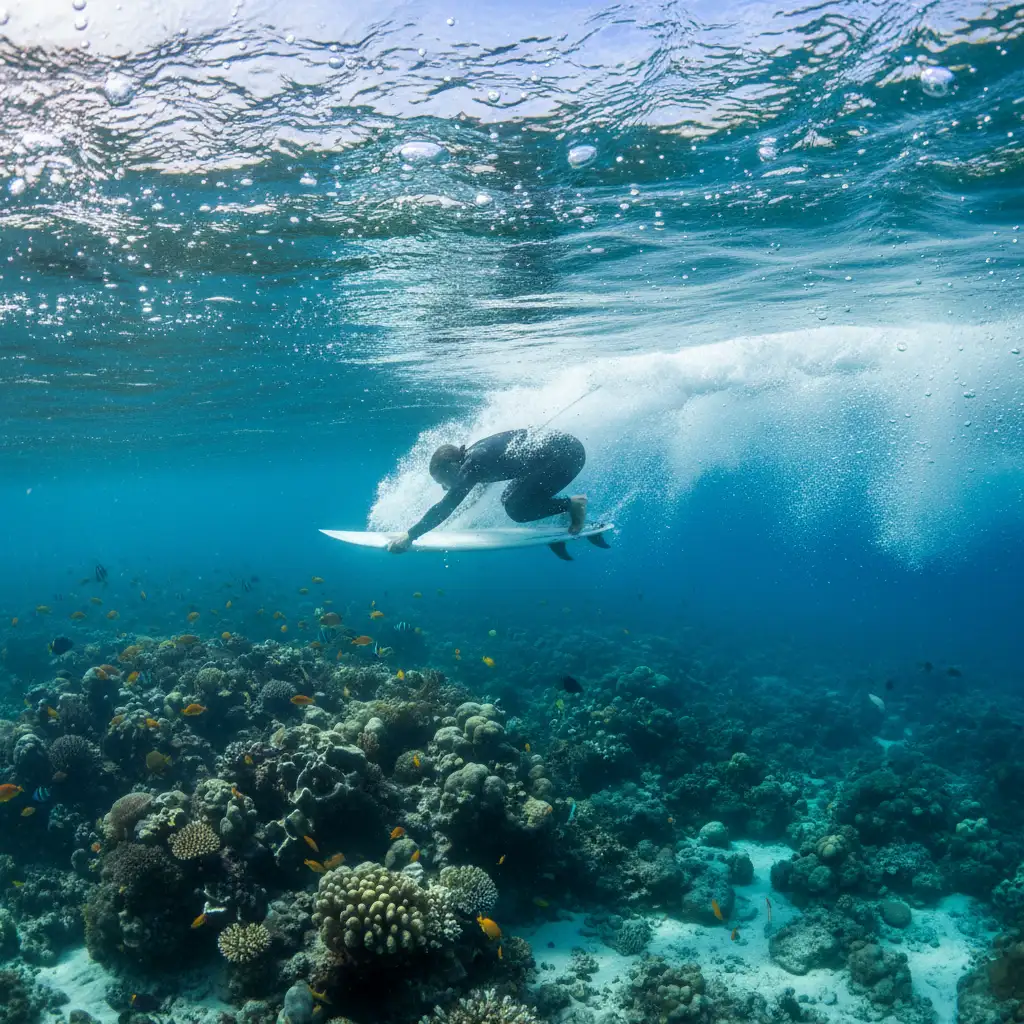
The coral at Cloudbreak is alive and sharp. Reef cuts are inevitable.
1. Don’t kick the reef: When you wipe out, fall flat. Do not try to stand up until you are certain you are in deep water.
2. Booties: While many pros surf barefoot, lightweight reef booties are highly recommended for the average Kiwi surfer to prevent infection-prone cuts.
3. The Lime Cure: Locals swear by squeezing fresh lime juice into fresh reef cuts to kill coral bacteria. It stings intensely but helps prevent staph infections. Follow up with antibiotic ointment.
Gear Guide: What Kiwis Need to Pack
Coming from New Zealand waters, you can leave the 4/3 wetsuit at home. The water temperature in Fiji hovers between 25°C and 28°C year-round.
- Board Selection: Bring your standard shortboard, but absolutely pack a “step-up” (a board 2-4 inches longer than your daily driver). When Cloudbreak is pumping, you need that extra rail line to hold in the barrel.
- Sun Protection: The tropical sun is far harsher than in NZ. Pack high-quality zinc, a long-sleeve rash guard, or a 1mm wetsuit top for wind protection during early morning boat rides.
- Medical Kit: Waterproof band-aids, Betadine, antibiotic powder, and pain relief.
- Spare Gear: Surf shops are limited in the islands. Bring extra leashes (heavy duty), fins, and plenty of tropical wax.
People Also Ask
Is Cloudbreak suitable for beginner surfers?
No, Cloudbreak is not suitable for beginners. It is a powerful open-ocean reef break that breaks over shallow coral. Beginners should look for softer waves like those found inside the lagoon near Plantation Island or seek instruction at local surf schools away from the main reef passes.
How much does a surf trip to Fiji cost from New Zealand?
A 7-day trip can range from $2,500 NZD for budget travelers (mainland stay, boat transfers) to over $8,000 NZD for luxury stays at Tavarua or Namotu, including flights, accommodation, and food.
Can you surf Cloudbreak at low tide?
Yes, Cloudbreak is surfable at low tide, often producing the hollowest barrels. However, it becomes extremely dangerous as the water drains off the reef, known as “Shish Kebabs,” increasing the risk of severe injury and broken boards.
Do I need a wetsuit for surfing in Fiji?
Generally, no. The water is warm year-round. However, a 1mm or 2mm neoprene top is recommended for early mornings or windy days during the winter season (July/August) to prevent wind chill.
How long is the flight from New Zealand to Fiji?
The flight time from Auckland to Nadi is approximately 3 hours. Flights from Christchurch or Wellington may take slightly longer or require a connection through Auckland.
Is Cloudbreak a left or right hand wave?
Cloudbreak is a world-famous left-hand reef break. However, nearby breaks like Swimming Pools and Wilkes Pass offer right-hand options for regular footers.