
Travel insurance for Kiwi travellers to Fiji is a critical safeguard that covers emergency medical repatriation to New Zealand, cancellation costs due to tropical cyclones, and liability for adventure activities. Comprehensive policies protect against financial losses from flight disruptions and provide access to private medical care, which is essential given that New Zealand’s ACC and reciprocal health agreements do not extend to Fiji.
Why Specific Fiji Coverage is Vital for Kiwis
Fiji remains the premier holiday destination for New Zealanders, offering a tropical escape just a short flight from Auckland. However, a common misconception among Kiwi travellers is that the proximity of the Pacific Islands implies a safety net similar to home. This complacency can be financially devastating.
The primary reason you need robust travel insurance is the limitation of the Accident Compensation Corporation (ACC). Once you leave New Zealand soil, ACC no longer covers your medical bills. While ACC may assist with rehabilitation costs once you return to New Zealand, they will not pay for your hospital stay in Nadi or Suva, nor will they cover the tens of thousands of dollars required to fly you home on an air ambulance.
Furthermore, Fiji’s public health system, while improving, often lacks the advanced facilities found in New Zealand tertiary hospitals. For serious conditions—ranging from severe dengue fever to cardiac events or spinal injuries from water sports—evacuation is often the only safe option. Without insurance, these costs fall entirely on the traveller.
Cyclones and Weather: Understanding the Risks
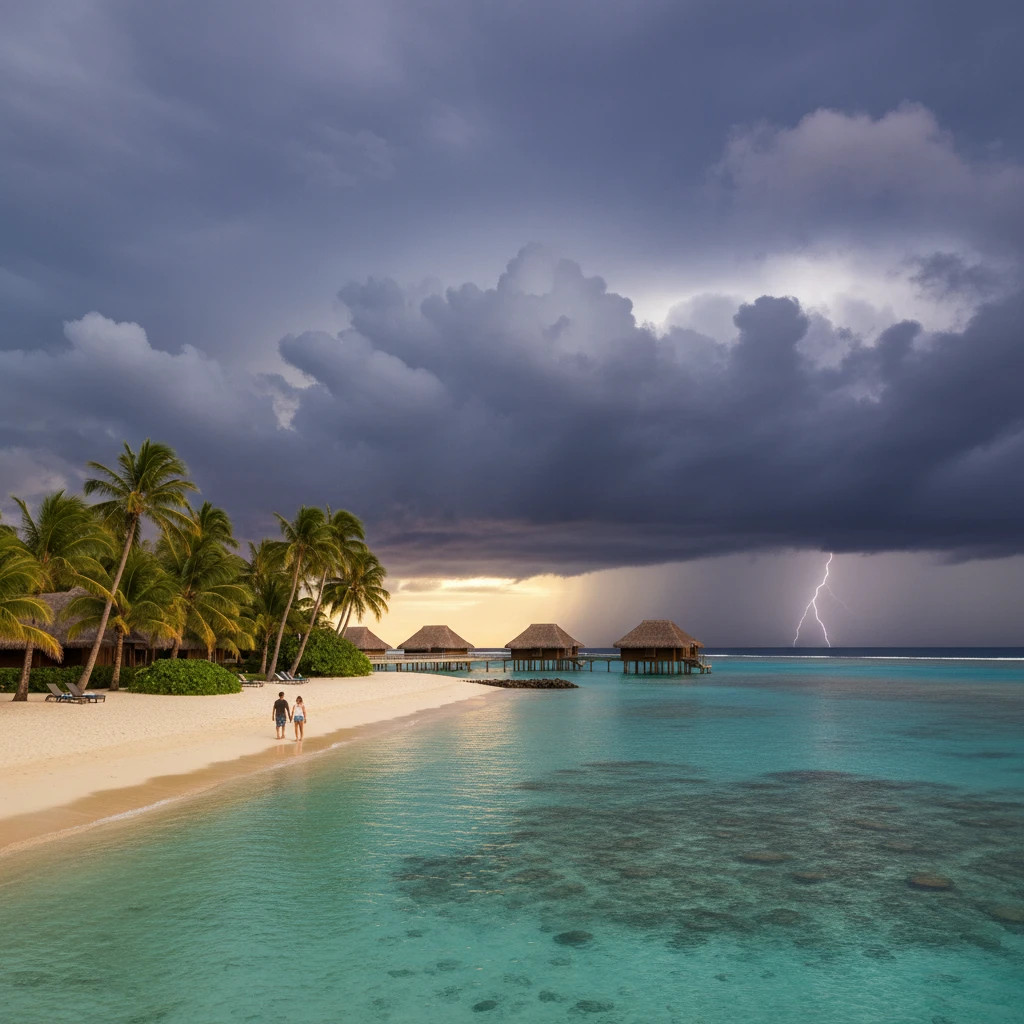
The Pacific cyclone season typically runs from November to April, coinciding with popular travel times for Kiwis seeking winter sun or Christmas breaks. Insurance coverage for weather events is one of the most complex yet necessary aspects of a policy for this region.
The “Known Event” Rule
Timing is everything when purchasing travel insurance for Fiji. Insurers operate on a strict principle regarding “known events.” If a tropical depression has already been named or publicised in the media, you can no longer buy insurance to cover cancellation related to that storm.
For example, if you book a trip to Denarau for January but wait until three days before departure to buy insurance, and a cyclone has just been named by the Fiji Meteorological Service, your policy will likely exclude any claims related to that weather system. To secure full coverage, you must purchase your policy at the same time you book your flights and accommodation.
Flight Disruptions and Accommodation
Cyclones don’t just cause physical danger; they cause logistical chaos. Flights from Auckland, Wellington, and Christchurch are frequently grounded during high winds. A comprehensive policy covers:
- Cancellation Costs: Reimbursement for non-refundable accommodation and tours if you cannot reach your destination.
- Additional Expenses: Costs for extra accommodation and meals if you are stuck in Fiji due to airport closures.
- Travel Delay: Small cash benefits for delays exceeding a certain timeframe (usually 6 or 12 hours).
Medical Evacuation to New Zealand
Perhaps the single most expensive risk for Kiwi travellers in Fiji is the cost of medical repatriation. While minor ailments can be treated at local medical centres or the private hospital in Suva, complex trauma or severe illness usually necessitates a transfer to Auckland City Hospital or Middlemore.
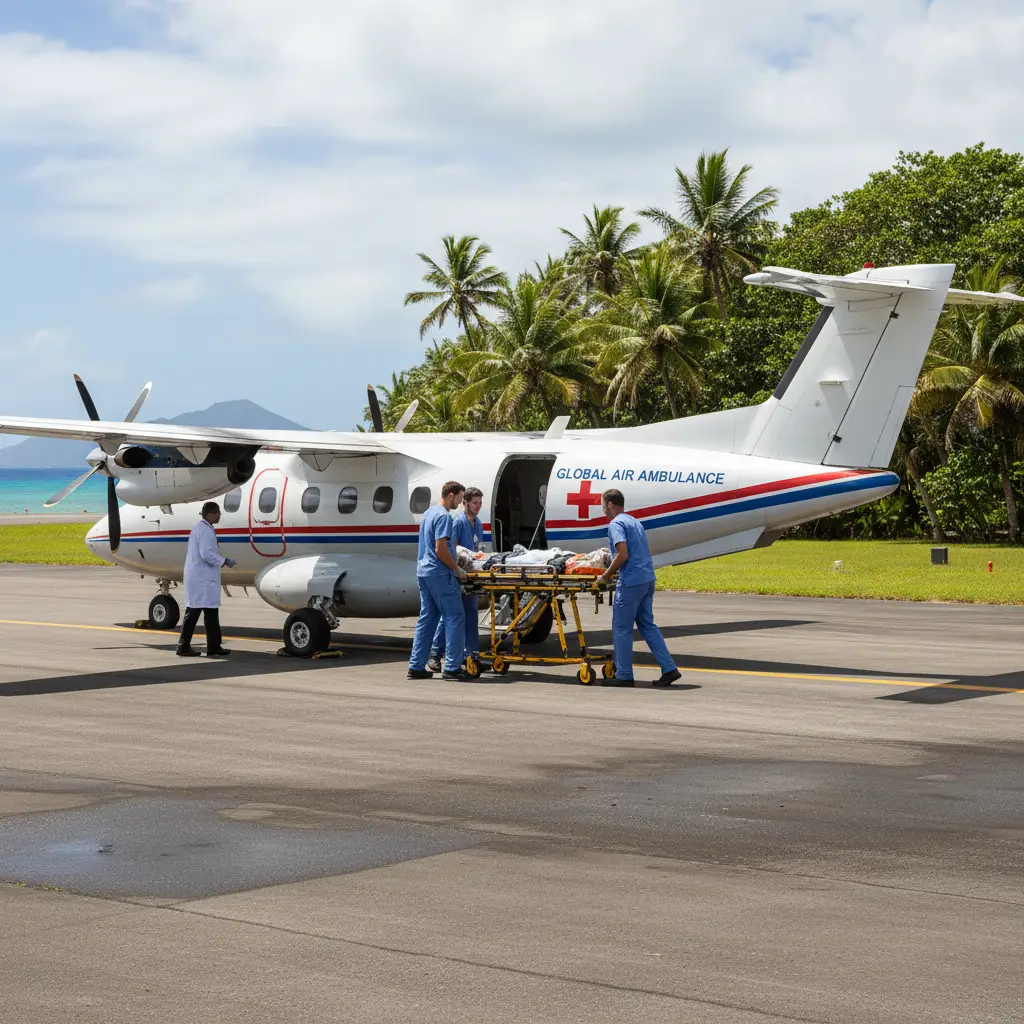
An air ambulance transfer from Nadi to Auckland involves a specialised aircraft, a flight doctor, a flight nurse, and ground transfers at both ends. The cost for this service generally sits between $50,000 and $100,000 NZD depending on the medical urgency and equipment required.
When selecting a policy, ensure it includes “Unlimited Medical and Evacuation” cover. Some cheaper policies or basic credit card insurances may cap this limit. Given the astronomical costs of medical logistics in the Pacific, an unlimited cap is the only safe option for peace of mind.
Adventure Sports: Diving, Rugby, and Water Safety
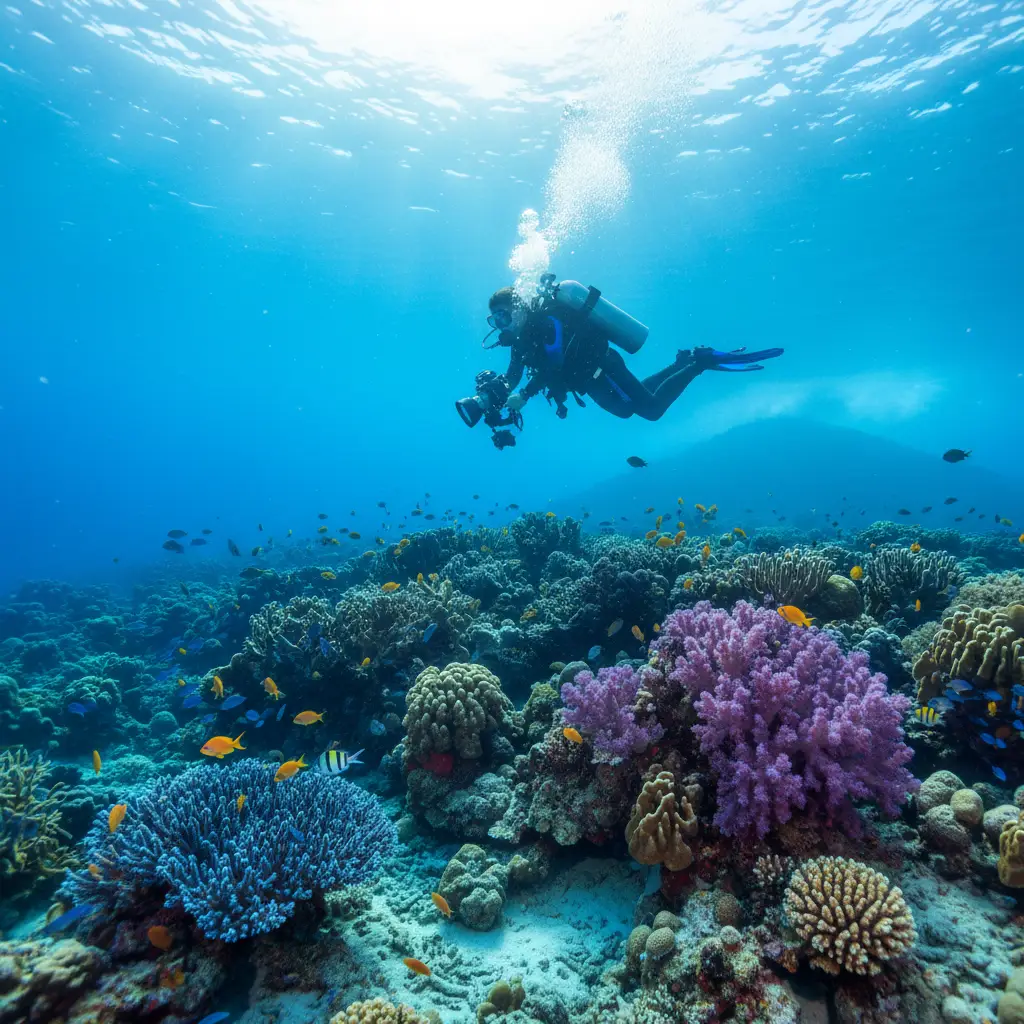
Fiji is an active destination. Whether you are surfing at Cloudbreak, diving the Astrolabe Reef, or playing in a local rugby sevens tournament, you must ensure your activities are covered. Standard travel insurance policies often exclude “high-risk” activities unless an extra premium is paid.
Scuba Diving Requirements
Most insurers cover scuba diving, but strict conditions apply:
- You must hold a valid open water diving license (e.g., PADI or SSAC) or be diving under the direct supervision of a qualified instructor.
- Many policies have a depth limit, typically 30 metres.
- Hyperbaric Chamber Costs: Decompression sickness (the bends) requires treatment in a hyperbaric chamber. While Suva has a facility, treatment and transport can cost thousands. Ensure your medical section explicitly covers hyperbaric treatment.
Motorbikes and Scooters
A common trap for young Kiwis is renting scooters in Nadi or on the Coral Coast. Most New Zealand travel insurance policies will not cover you if:
- You do not hold a valid motorbike licence in New Zealand (a car licence is often insufficient for scooters over 50cc).
- You are not wearing a helmet.
- You are under the influence of alcohol.
Southern Cross vs. State vs. Others
The New Zealand travel insurance market is competitive. Here is a professional comparison of how major providers typically cater to the Fiji market. Note: Always read the Policy Wording as terms change.
Southern Cross Travel Insurance (SCTI)
SCTI is a popular choice for families and frequent travellers.
Pros: They are known for their “Working Overseas” cover and have a very transparent medical assessment system for pre-existing conditions. Their International Comprehensive policy is robust regarding flight disruptions.
Cons: Can be more expensive for seniors compared to basic banking insurance options.
State / AMI / Tower
These providers often use similar underwriters (such as IAG or Hollard).
Pros: Existing customers often get a discount. Claims processes are integrated if you already insure your house or car with them.
Cons: Adventure sports definitions can sometimes be stricter. You must check if “moped riding” is automatically included or requires an add-on.
1Cover and Zoom
These are often favoured by younger travellers.
Pros: Generally lower price points and excellent coverage for adventure tourism.
Cons: High excess options are often used to lower the premium, meaning you might pay the first $250 or $500 of a claim.
The Truth About Credit Card Policies
Many premium credit cards (Gold, Platinum, Black) from ANZ, Westpac, ASB, and BNZ offer “complimentary” travel insurance. However, relying on this for a Fiji trip requires due diligence.
The Activation Trap: Most cards require you to “activate” the cover. This usually means paying for at least 50% of your return flights or accommodation using that specific card. If you paid via bank transfer or used a different card, you might be travelling uninsured.
Duration Limits: Check the maximum trip duration. Some cards only cover trips up to 30 or 40 days, which is fine for a holiday, but not for an extended stay.
Managing Pre-Existing Conditions
For older Kiwi travellers or those with chronic health issues (asthma, diabetes, heart conditions), declaring pre-existing conditions is mandatory. Failing to declare a condition that later causes a medical emergency will void your policy.
When applying, you will undergo a medical screening. In many cases, common conditions are covered automatically or for a small additional premium. If you have a complex medical history, specialist insurers may be required. Never assume “she’ll be right”—if you are hospitalised in Fiji for a heart condition you didn’t declare, you will be liable for the full medical and repatriation bill.
People Also Ask
Does New Zealand have a reciprocal health agreement with Fiji?
No, New Zealand does not have a reciprocal health agreement with Fiji. This means New Zealand citizens are not entitled to free public healthcare in Fiji. You must pay for all medical treatments upfront or through your travel insurance provider.
Is travel insurance mandatory for entry into Fiji?
As of 2024, travel insurance is no longer strictly mandatory for entry into Fiji for fully vaccinated travellers, but it is highly recommended by the New Zealand Ministry of Foreign Affairs and Trade (MFAT). Requirements can change, so always check the latest advisories on SafeTravel.govt.nz.
Does ACC cover me if I get injured in Fiji?
No, ACC (Accident Compensation Corporation) only covers injuries that occur within New Zealand. It does not cover medical costs incurred overseas. However, upon your return to New Zealand, ACC may assist with ongoing rehabilitation or treatment for an injury sustained abroad.
How much does travel insurance cost for a week in Fiji?
For a healthy individual, a comprehensive policy for one week in Fiji typically costs between $40 and $80 NZD. Families can often get policies where children are covered for free. Prices increase significantly for seniors or those with pre-existing medical conditions.
Does travel insurance cover cancelled flights due to cyclones?
Yes, comprehensive policies cover cancellation due to cyclones, provided you purchased the policy before the cyclone was named or became a known event. If you buy insurance after the storm is public knowledge, you will not be covered.
Can I buy travel insurance after I have already left New Zealand?
Most insurers require you to be in New Zealand when you purchase the policy. However, some providers (like 1Cover or World Nomads) offer policies for travellers who have already left, though these often come with a 48-72 hour waiting period before coverage begins.