
Travel insurance for Kiwi travellers heading to Fiji is a critical financial safeguard that covers emergency medical repatriation to New Zealand, tropical cyclone disruptions, and adventure tourism risks. Comprehensive policies ensure you are protected against the high costs of air ambulances, flight cancellations, and lost belongings while exploring the Pacific.
Why Specialized Fiji Coverage is Essential for New Zealanders
For many New Zealanders, Fiji is the quintessential tropical getaway. However, assuming that a short flight implies low risk is a common mistake. The infrastructure in Fiji, while accommodating to tourists, operates vastly differently from New Zealand’s accident compensation scheme (ACC) and public health system. Kiwi travellers needing Fiji insurance must prioritize policies that bridge the gap between island healthcare capabilities and First World medical standards.
When selecting a policy, the focus should not merely be on lost luggage. The primary financial risks in Fiji involve medical logistics and tropical weather patterns. A standard policy might cover a stolen camera, but a specialized policy ensures you aren’t left stranded during a Category 3 cyclone or facing a $50,000 bill for a medical flight back to Auckland.
Medical Evacuation: The Critical Lifeline to NZ
What happens if I get injured in Fiji?
Fiji has adequate medical facilities for minor ailments, particularly in Nadi and Suva. However, for serious trauma, cardiac events, or complex surgeries, the standard of care may not match what New Zealanders are accustomed to. In these scenarios, medical evacuation (Medevac) is not a luxury; it is a necessity.
A comprehensive travel insurance policy for Fiji must include unlimited or high-capped medical evacuation cover. An air ambulance from Nadi to Auckland can cost between NZD $25,000 and $60,000 depending on the medical support required (nurses, doctors, specialized equipment) during the flight. Without insurance, this cost falls entirely on the traveller. The New Zealand government does not pay for medical repatriation.
Does ACC cover me in Fiji?
No. The Accident Compensation Corporation (ACC) only covers injuries that occur within New Zealand. Once you depart NZ airspace, ACC coverage ceases. If you are injured in Fiji, you are liable for all treatment costs, hospital stays, and transport unless you have private travel insurance. Upon your return to New Zealand, ACC may cover ongoing rehabilitation, but they will not contribute to the costs incurred offshore.
Coverage for Cyclones and Flight Disruptions
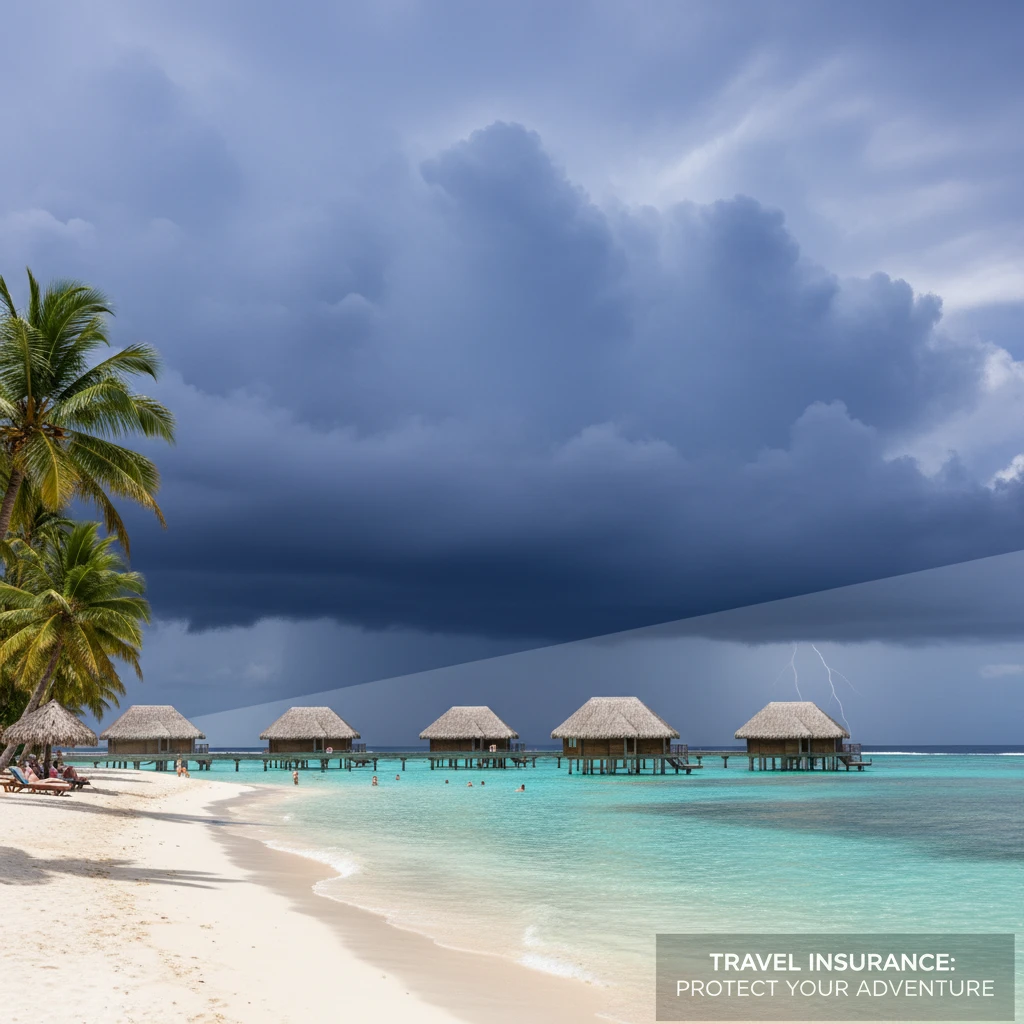
Fiji is located in a tropical cyclone belt, with the highest risk period running from November to April. For Kiwi travellers, understanding how insurance interacts with weather events is paramount to protecting your holiday investment.
When should I buy insurance to cover cyclones?
You must purchase travel insurance before a cyclone is named. Insurance operates on the principle of “unforeseen events.” Once a tropical depression turns into a named cyclone, it is considered a “known event.” If you purchase a policy after the cyclone has been named in the media or by meteorological services, you will not be covered for any cancellations or delays related to that storm.
Key Policy Features to Look For:
- Trip Cancellation: reimburses pre-paid accommodation and flights if the resort is closed or flights are grounded due to severe weather.
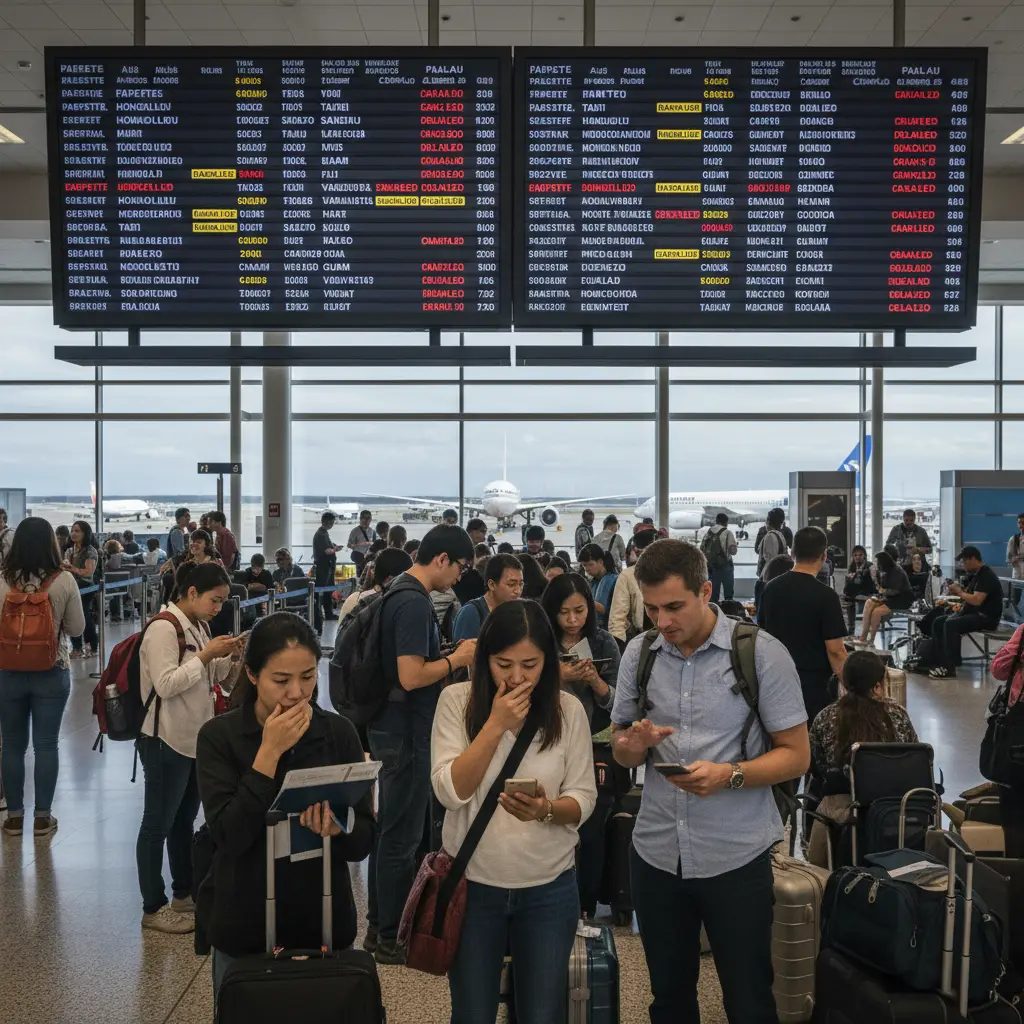
- Trip Interruption: Covers reasonable additional expenses (accommodation, meals) if you are stuck in Fiji due to airport closures.
- Travel Delay: Provides a daily allowance if your return to NZ is delayed by more than a set number of hours (usually 6 or 12).
Adventure Sports: Diving, Surfing, and Rugby
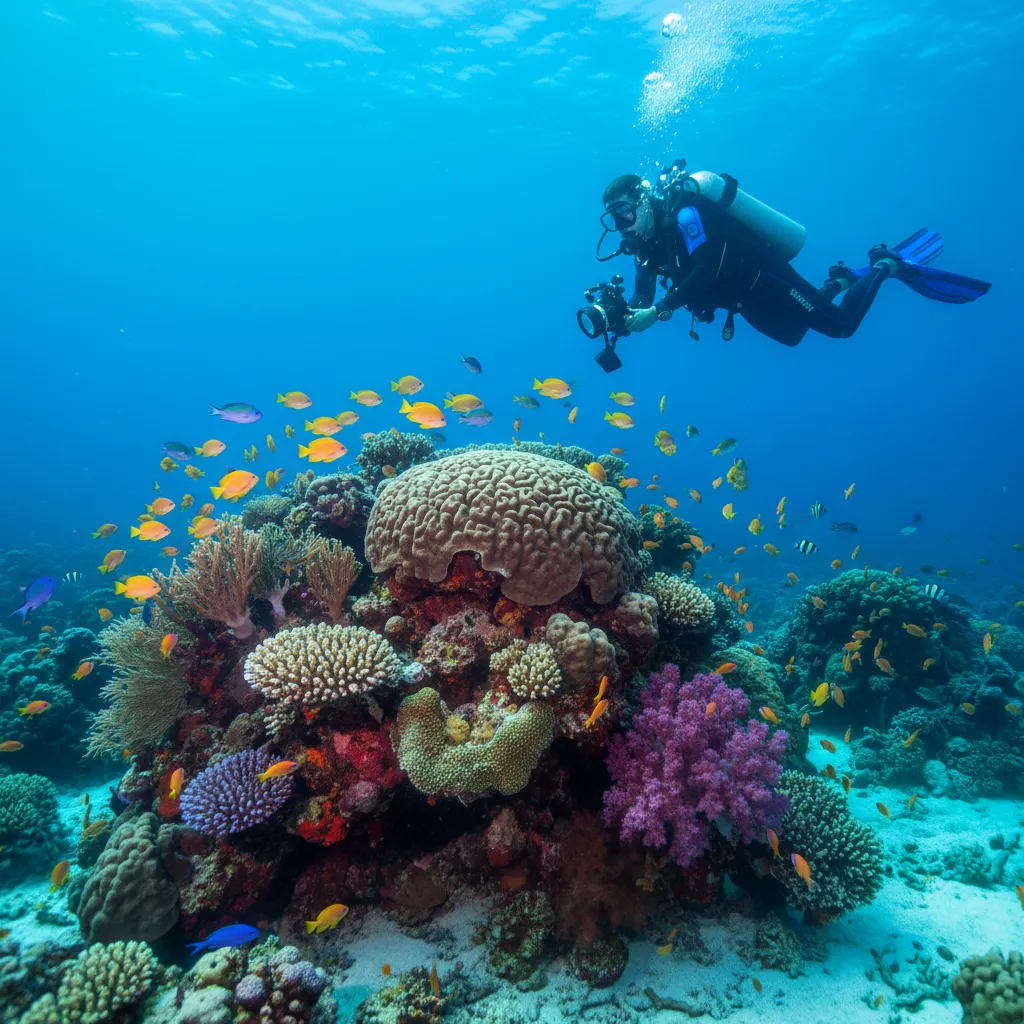
Fiji is an adventure playground. From scuba diving the Astrolabe Reef to surfing Cloudbreak, or even participating in amateur rugby tournaments, Kiwis are active travellers. However, standard travel insurance policies often have exclusions for high-risk activities.
Am I covered for Scuba Diving and Snorkeling?
Most comprehensive policies cover snorkeling and recreational scuba diving, but strict conditions apply:
- You must hold a valid PADI/SSI Open Water license or be diving with a qualified instructor.
- There are depth limits (usually 30 meters).
- Solo diving is almost always excluded.
Coverage for Rugby and Contact Sports
Many Kiwi school groups and clubs travel to Fiji for rugby tours. Standard travel insurance generally excludes organized contact sports or competitive events. If you are travelling for a tournament, you must seek a policy that specifically offers a “Sports Package” add-on or a specialized group sports policy. Without this, a broken leg on the rugby field could result in a denied claim.
Motorcycles and Scooters
Renting a scooter is popular in Fiji, but it is a leading cause of denied claims. To be covered, you typically must:
- Hold a valid motorcycle license in New Zealand (a car license is often insufficient for scooters over 50cc).
- Wear a helmet at all times.
- Not be under the influence of alcohol.
Comparing Providers: Southern Cross vs State vs Others
When searching for “Kiwi travellers Fiji insurance,” you will encounter several major providers. While we cannot advise on the “best” policy as it depends on individual circumstances, here is how the market leaders generally structure their offerings for the Pacific.
Southern Cross Travel Insurance (SCTI)
A market leader in NZ, SCTI is known for its “Working Holiday” and “International Comprehensive” plans.
Pros: They often have high limits for medical evacuation and constitute a trusted brand with a straightforward claims process. They offer cover for unexpected complications of pregnancy (up to a certain week).
Cons: Pre-existing conditions must be declared rigorously, and premiums can be higher for older travellers.
State and Tower Insurance
These general insurers often offer travel insurance as an add-on to existing car or house policyholders.
Pros: Potential multi-policy discounts. If you already bank or insure with them, the integration is seamless.
Cons: Their travel policies are often underwritten by third parties (like Allianz or Hollard), meaning the claims process might differ from your experience with their vehicle insurance. Scrutinize the “adventure sports” wording carefully.
1Cover and Online-Only Brands
Pros: Often cheaper and highly customizable. Good for young travellers looking for budget options.
Cons: Check the excess levels. A cheaper premium often means a higher excess (e.g., $250 vs $100) if you need to claim.
Buying Guide: Pre-Existing Conditions and Excess
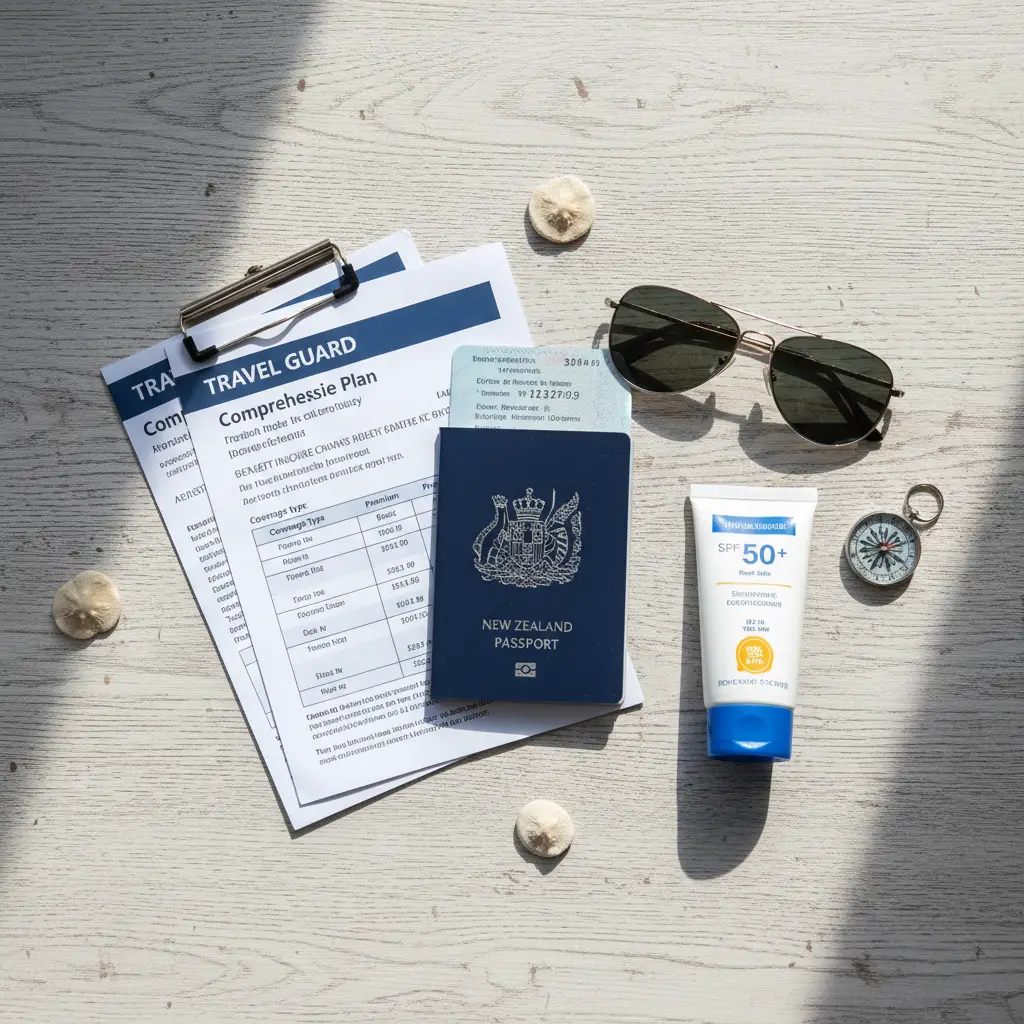
To ensure your claim is paid, you must navigate the fine print regarding your health and liability.
Declaring Pre-Existing Medical Conditions
This is the number one reason for denied medical claims. If you have high blood pressure, asthma, or have had recent surgery, you must declare it. Some insurers will cover these for free, while others require an extra premium. If you fail to declare a condition and suffer a related medical event in Fiji, your policy will likely be void.
Understanding Excess (Deductible)
The excess is the amount you pay towards a claim. For Fiji, where you might make smaller claims for things like GP visits for ear infections or reef cuts, a lower excess is beneficial. Some policies allow you to pay a higher premium upfront to remove the excess entirely ($0 excess), which is highly recommended for families.
People Also Ask
Do New Zealanders need a visa or insurance for Fiji?
New Zealand passport holders do not need a visa for short tourist stays (up to 4 months). While travel insurance is no longer mandatory for entry as of 2023 (post-COVID regulations), it is highly recommended due to the high cost of medical evacuation.
Does NZ health insurance work in Fiji?
Generally, no. Private domestic health insurance (like Southern Cross Health Society) covers treatment within New Zealand. You need a specific Travel Insurance policy (like Southern Cross Travel Insurance) to be covered overseas.
How much does travel insurance for Fiji cost?
For a one-week holiday for a single adult, basic policies can start from NZD $40, while comprehensive cover averages around NZD $70-$100. Prices increase with age, pre-existing conditions, and added adventure packs.
Are cyclones covered by travel insurance?
Yes, provided you purchased the policy before the cyclone was named or became a known event. If you buy insurance after the news reports the storm, you will not be covered for weather-related claims.
Is medical evacuation to NZ covered?
Yes, comprehensive policies for Fiji include medical repatriation to New Zealand if local treatment is insufficient. This is the most valuable part of the policy, as air ambulances can cost over $50,000.
Can I claim for lost luggage in Fiji?
Yes, policies cover lost, stolen, or damaged luggage. However, you must report the theft to local police within 24 hours and get a written report. Unattended items left on a beach or in an unlocked room are usually not covered.