
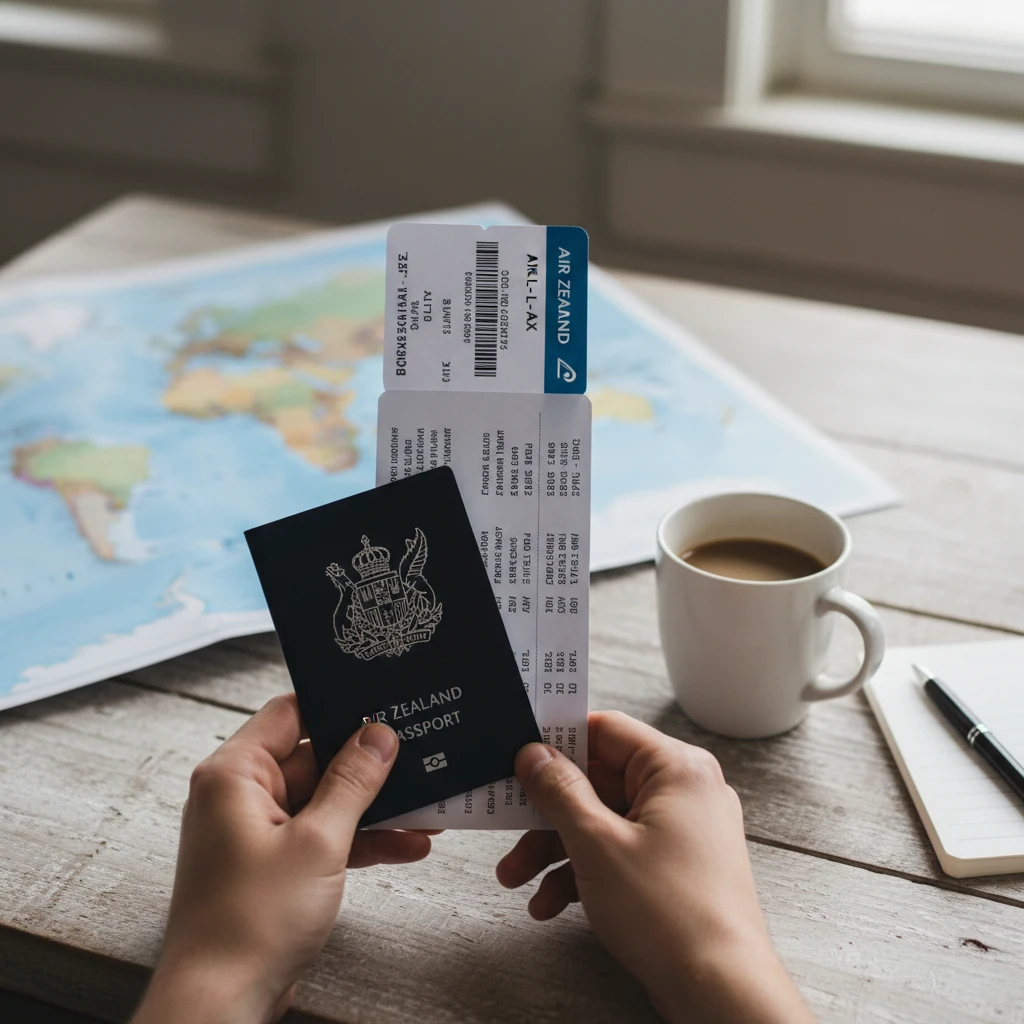
New Zealand citizens do not need a visa for tourist stays in Fiji of up to four months. Upon arrival, Kiwis are granted a Visitor Permit, provided they hold a valid passport with at least six months of validity remaining beyond their intended stay, proof of onward travel, and confirmation of accommodation bookings.
For New Zealanders, the allure of Fiji’s white sandy beaches and turquoise waters is just a short flight away. However, even for a destination as accessible as Fiji, understanding the entry requirements is crucial to ensure your holiday begins without a hitch at the airport. While the short answer is that you do not need to apply for a visa beforehand, there are strict documentation and biosecurity protocols that every traveler must navigate.
Do NZ Citizens Need a Visa for Fiji?
Fiji and New Zealand share a strong diplomatic and travel relationship, which significantly streamlines the entry process for Kiwi tourists. As a New Zealand citizen, you are classified under the list of visa-exempt countries. This means you do not need to visit a Fijian High Commission or apply for an electronic visa prior to boarding your flight.
Instead of a pre-arranged visa, you are issued a Visitor Permit upon arrival at Nadi International Airport or Nausori International Airport. This permit is stamped directly into your passport by immigration officials at the border control counter.
Key Conditions of the Visitor Permit
While the entry is visa-free, the Visitor Permit comes with specific conditions that must be adhered to:
- Duration: The standard permit allows for a stay of up to 4 months (120 days).
- Purpose: It is strictly for tourism, visiting friends and relatives, or short-term business meetings. It does not permit employment.
- Extensions: It is possible to apply for an extension for an additional two months, allowing for a maximum stay of six months in total.

Passport Validity Rules: The 6-Month Requirement
The most common reason for New Zealand travelers being denied boarding on flights to Fiji is insufficient passport validity. This is a non-negotiable rule enforced by airlines and immigration authorities.
What is the 6-Month Rule?
Your New Zealand passport must be valid for at least six months beyond your intended date of departure from Fiji, not just your arrival date. For example, if you plan to leave Fiji on January 1st, your passport must not expire before July 1st of that same year.
If your passport expires within this six-month window, airlines will refuse to check you in. Emergency travel documents or temporary passports are generally not accepted for visa-free entry and may require a different, more complex visa application process prior to travel.
Check Your Expiry Date Now
It is highly recommended to check your passport expiry date immediately upon booking your flights. The New Zealand Department of Internal Affairs experiences peak processing times before school holidays, so allow ample time for renewals if your validity is borderline.
Essential Documents Required for Entry
Obtaining your Visitor Permit on arrival is contingent upon presenting specific documentation. Immigration officers have the authority to request proof that you meet the entry criteria. Failure to produce these documents can result in entry refusal.
1. Proof of Onward or Return Travel
You must present a confirmed ticket for a return flight to New Zealand or an onward flight to another country where you have entry rights. Standby tickets are generally not accepted as valid proof of onward travel for immigration purposes.
2. Confirmation of Accommodation
You should have a printed or digital copy of your hotel confirmation, resort booking, or a letter of invitation from a host if you are staying with friends or family. The immigration officer needs to know exactly where you will be residing during your stay.
3. Proof of Sufficient Funds
While rarely checked for standard tourists, the law requires that you have sufficient funds to support yourself during your stay. This can be in the form of:
- Recent bank statements.
- Credit cards with available limits.
- Cash (Fijian Dollars or major foreign currency).
Navigating the Fiji Arrival Card
Before landing, or immediately upon arrival, every passenger is required to complete a Fiji Arrival Card. This is a legal declaration that covers immigration, customs, and biosecurity information.
Digital vs. Paper Arrival Cards
Fiji has been modernizing its border systems. While paper cards are often distributed by flight attendants on the plane, Fiji is transitioning toward digital arrival cards. If a digital option is available for your flight, you will likely receive a link via email after booking or be directed to a portal. However, paper cards remain widely used and are available at the airport.
Tips for Filling Out the Card
- Accuracy is Key: Ensure your name matches your passport exactly.
- Flight Number: Have your boarding pass handy to copy your flight number correctly.
- Address in Fiji: Write the name of your first hotel or resort clearly.
- Sign and Date: An unsigned card is invalid and will delay your processing.
Biosecurity: What You Can and Cannot Bring
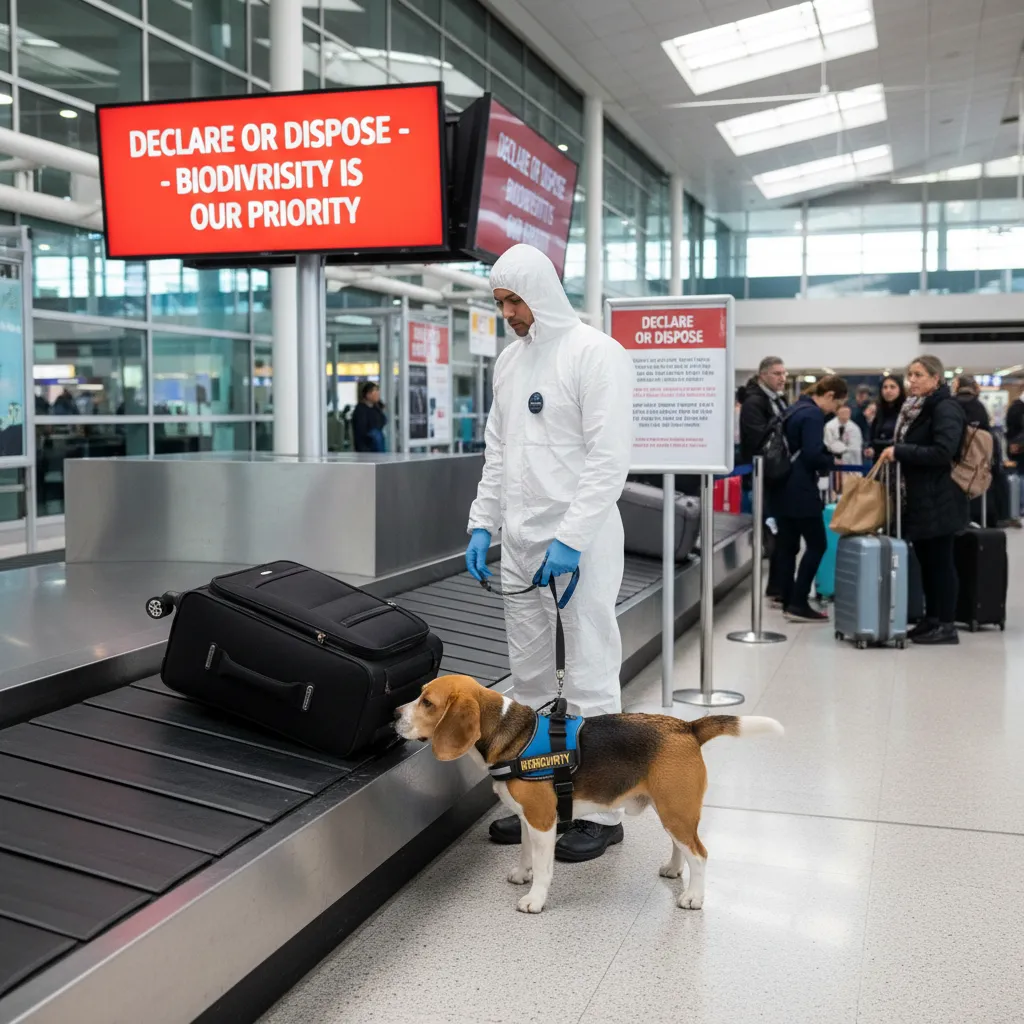
Just like New Zealand, Fiji relies heavily on agriculture and its unique ecosystem. Consequently, the Biosecurity Authority of Fiji (BAF) enforces strict rules to prevent the introduction of pests and diseases. New Zealanders, who are used to strict biosecurity at home, should be well-prepared for this process.
The “Declare or Dispose” Rule
If you are unsure whether an item is allowed, you must declare it on your arrival card. Failure to declare restricted items can result in an instant fine of FJD $400 or more, and potential prosecution.
Common Restricted Items
- Food: Fresh fruit, vegetables, meat, and dairy products are generally prohibited. Commercially packaged and sealed snacks may be allowed but must be declared.
- Plants and Seeds: Strictly prohibited to prevent invasive species.
- Camping Gear: Used camping equipment, hiking boots, and golf clubs must be clean and free of soil. Declare these items so they can be inspected and treated if necessary.
- Animal Products: Feathers, bones, shells, and honey are restricted.
Duty-Free Allowances
Adult passengers (17 years and older) are entitled to the following duty-free allowances:
- Alcohol: Up to 2.25 liters of spirits OR 4.5 liters of wine or beer.
- Tobacco: Up to 200 cigarettes OR 200g of tobacco products.
- General Goods: Other dutiable goods up to a value of FJD $1,000.
Traveling with Children and Family
Fiji is a premier family destination for Kiwis, but traveling with minors requires attention to detail regarding documentation.
Passports for Children
Every child, including infants, must have their own valid passport. The same 6-month validity rule applies to children’s passports. Ensure you check your children’s passports well in advance, as child passports often have shorter validity periods (5 years) compared to adults.
Consent Letters
If a child is traveling with only one parent, or with adults who are not their legal guardians (such as grandparents), immigration authorities may request a letter of consent from the absent parent(s). This letter should:
- Be signed and dated.
- Include contact details for the absent parent.
- Authorize the travel to Fiji.
- Ideally, be accompanied by a copy of the absent parent’s photo ID.
How to Extend Your Stay in Fiji
If you find yourself captivated by the “Bula Spirit” and wish to stay longer than the initial four months granted by the Visitor Permit, you can apply for an extension.
The Extension Process
You must apply for an extension before your current permit expires. Applications are handled by the Fijian Department of Immigration. You will need to provide:
- A completed application form.
- Your valid passport.
- Proof of funds to support the extended stay.
- A confirmed return ticket for the new departure date.
- Payment of the extension fee.
Extensions are usually granted for an additional two months, capping the total stay at six months. Staying beyond the validity of your permit without an extension is a serious offense that can lead to deportation and a ban on future re-entry.

People Also Ask
How long can a New Zealander stay in Fiji without a visa?
New Zealand citizens are granted a Visitor Permit on arrival valid for up to 4 months. This can be extended for an additional 2 months by applying at the Fiji Immigration Department, allowing for a maximum total stay of 6 months for tourism purposes.
Does Fiji accept NZ emergency passports?
Generally, no. Emergency travel documents are often not accepted for visa-free entry. If you are traveling on an emergency passport, you should contact the nearest Fiji High Commission before travel, as you may need to apply for a visa in advance.
Is there a departure tax for Fiji?
Yes, there is a departure tax, but it is almost always included in the price of your airline ticket. You typically do not need to pay this separately at the airport when leaving, but it is worth checking your ticket breakdown to be sure.
What food can I take into Fiji from NZ?
You can take commercially packaged, shelf-stable foods (like biscuits, confectionery, or baby food) provided they are unopened. Fresh fruit, vegetables, meat, and dairy are strictly prohibited. Always declare any food items on your arrival card to avoid fines.
Do I need travel insurance for Fiji?
While travel insurance is no longer a mandatory government requirement for entry (as of the removal of COVID-19 specific rules), it is highly recommended. Medical evacuations to New Zealand can cost tens of thousands of dollars, and insurance covers flight disruptions and lost luggage.
Can I work in Fiji as a NZ citizen?
No, you cannot work on a Visitor Permit. If you intend to work, volunteer, or conduct business beyond simple meetings, you must apply for a Work Permit or the appropriate business visa before you arrive in Fiji.