
The best time to visit Fiji for weather is during the dry season, spanning from May to October. This period offers minimal rainfall, low humidity, and comfortable temperatures averaging 26°C (79°F). For New Zealand travelers, June through September provides the ideal escape from winter, ensuring sunny days, crystal-clear waters, and low cyclone risk.
Understanding Fiji’s Tropical Climate Seasons
Fiji is a tropical archipelago, meaning it generally lacks the four distinct seasons experienced in New Zealand. Instead, the climate is defined by two primary periods: the Dry Season and the Wet Season. Understanding the nuance between these two is critical for planning the perfect island getaway, especially when coordinating with New Zealand school holidays or annual leave.
While temperatures remain warm year-round—rarely dropping below 20°C (68°F) even at night—the humidity and rainfall levels vary drastically. For Kiwis used to the temperate and often changeable weather of home, Fiji offers a consistent warmth, but the “feels like” temperature can change significantly based on the dew point and trade winds.
What is the Dry Season (Winter)?
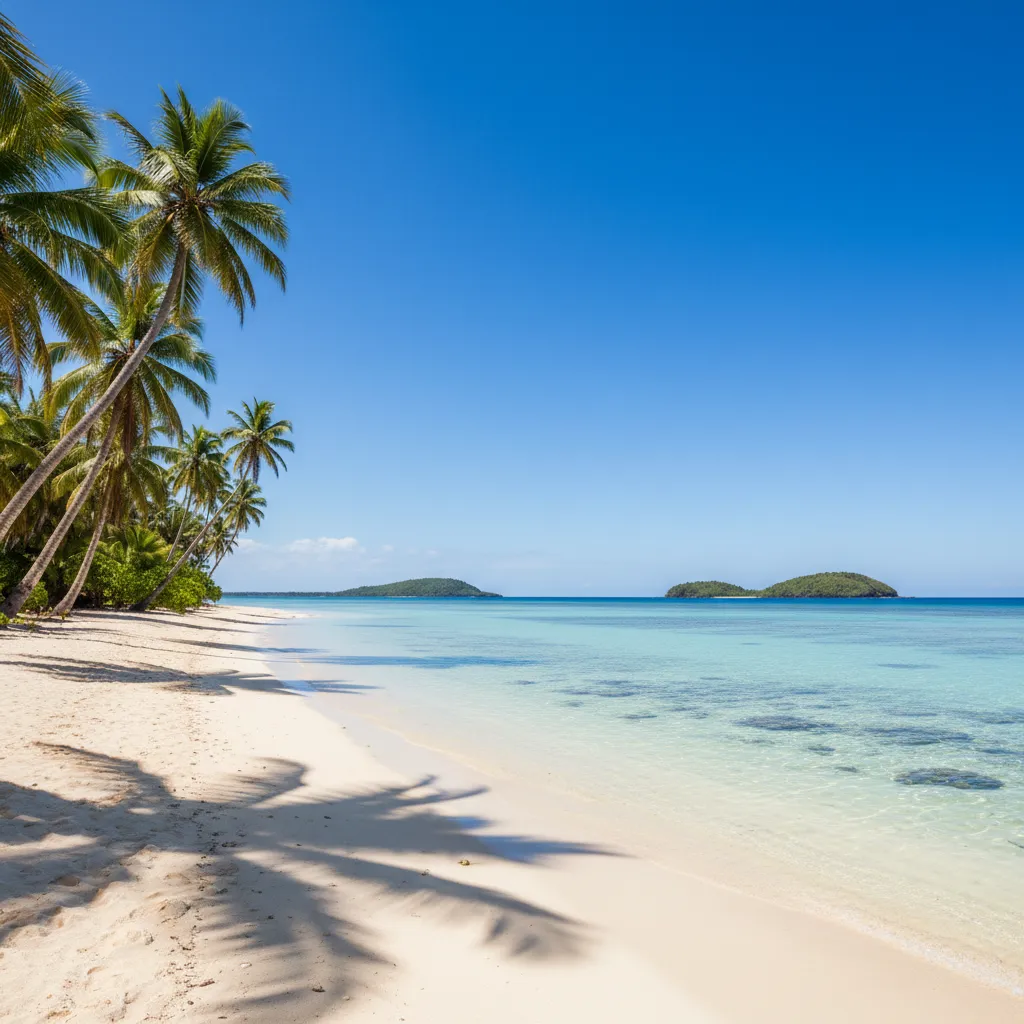
The Dry Season runs from May to October. This is widely considered the peak tourist season. During these months, the southeast trade winds blow steadily, bringing a cooling breeze that mitigates the tropical heat. Rainfall is scarce, particularly in the Mamanuca and Yasawa island groups. For New Zealanders, this aligns perfectly with the coldest months back home, making it the premier time for a ‘winter escape.’
What is the Wet Season (Summer)?
The Wet Season spans from November to April. This period is characterized by higher temperatures (often reaching 31°C/88°F), significantly higher humidity, and frequent tropical downpours. While the rain is often intense, it is usually short-lived, occurring in late afternoon bursts followed by sunshine. This is also the period when the landscape transforms into a vibrant, lush green, though it brings the associated risk of tropical cyclones.
Detailed Month-by-Month Weather Breakdown
To help you pinpoint the exact dates for your trip, here is a comprehensive analysis of what to expect throughout the year.
January: Peak Heat and Humidity
January is deep within the wet season. Expect average highs of 30°C (86°F) and very high humidity. Rainfall is frequent, often heavy, but usually clears up for periods of intense sunshine. This is a popular time for families due to the long summer school holidays in New Zealand, but travelers should be prepared for sticky weather and potential flight delays due to storms.
February: The Wettest Month
Historically, February brings the highest rainfall figures. The air is thick and tropical, and the risk of cyclones is elevated. However, the water is incredibly warm, making it pleasant for swimming during rain showers. Prices are generally lower during this month (outside of school holidays), offering value for those willing to brave the elements.
March: The Tail End of the Rains
March continues the trend of wet weather, though the frequency of storms begins to taper off slightly towards the end of the month. It remains hot and humid. The landscape is at its most verdant during March, offering spectacular photography opportunities for lush jungle treks, provided you have appropriate footwear for mud.
April: The Shoulder Season Transition
April is a fantastic ‘shoulder season’ month. The trade winds begin to return, reducing the humidity, and the heavy rains become less frequent. It is a transition period where you can often find great accommodation deals before the peak season rush. The water remains very warm from the summer months.
May: The Start of the Dry Season
May is often cited as one of the best kept secrets for Fiji travel. The weather stabilizes significantly, with clear blue skies becoming the norm. The humidity drops to comfortable levels, yet the water is still warm. It is less crowded than the upcoming school holiday months.
June: The Winter Escape Begins
As New Zealand enters winter, Fiji enters its prime. June brings cooler evenings (around 19-20°C), which offers a refreshing break from the daytime heat. Rainfall is minimal. This is the start of the high season, so booking flights from Auckland or Christchurch well in advance is recommended.
July: Peak Season and School Holidays
July is statistically one of the driest and coolest months. Average daytime highs are a pleasant 26°C (79°F). This coincides with NZ school holidays, meaning resorts—especially those with Kids’ Clubs—will be at capacity. The weather is perfect for active holidays involving hiking or sports, as the heat is not oppressive.
August: The Sweet Spot
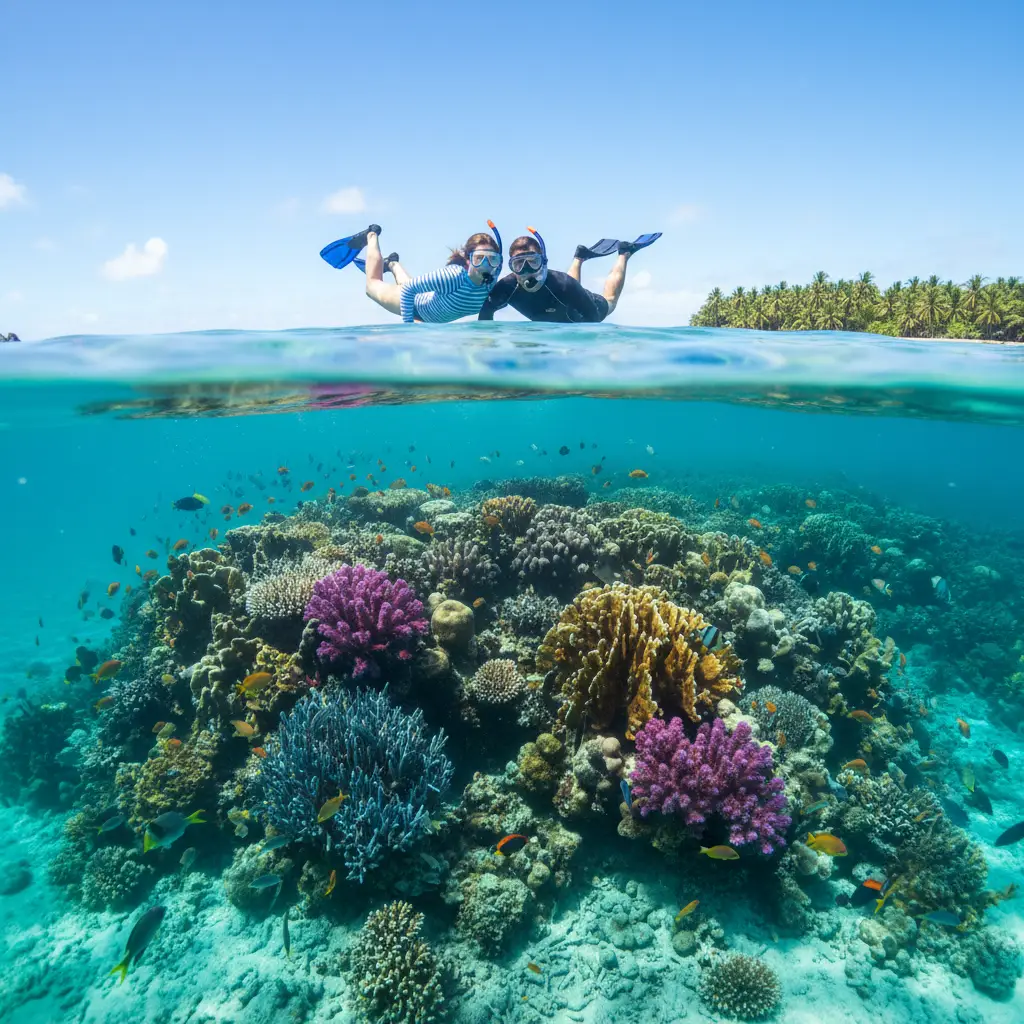
Similar to July, August offers spectacular weather with low humidity and virtually no rain in the western division (Nadi/Denarau). It is an excellent month for diving, as visibility is often at its peak due to the lack of river runoff. A light cardigan may be required for evenings by the ocean.
September: Rising Temperatures
September sees the temperatures starting to climb slowly, but the humidity remains low. It is arguably the best month for those who want the heat of the tropics without the ‘stickiness’ of summer. It is the final month of the true dry season and aligns with the September school holidays in New Zealand.
October: The Late Shoulder Season
October is a period of change. The trade winds die down, and the air becomes still and warmer. It is a great time to visit before the wet season officially kicks in. The waters are warming up, and crowds thin out significantly after the school holidays conclude.
November: The Pre-Cyclone Heat
Humidity returns in November. You will experience occasional afternoon thunderstorms which help cool the land down. It is significantly hotter than October, and travelers should ensure their accommodation has functioning air conditioning.
December: Festive Season Rains
December is hot, wet, and busy. despite the rain, it is a peak travel time due to Christmas and New Year. The atmosphere is festive, but weather-wise, you must expect daily downpours and high humidity.
Navigating the Cyclone Season (November to April)
For New Zealand travelers, the phrase “Cyclone Season” can be a deterrent, but it requires context rather than fear. The official cyclone season in the South Pacific runs from November 1st to April 30th, with the highest risk period usually falling between January and March.
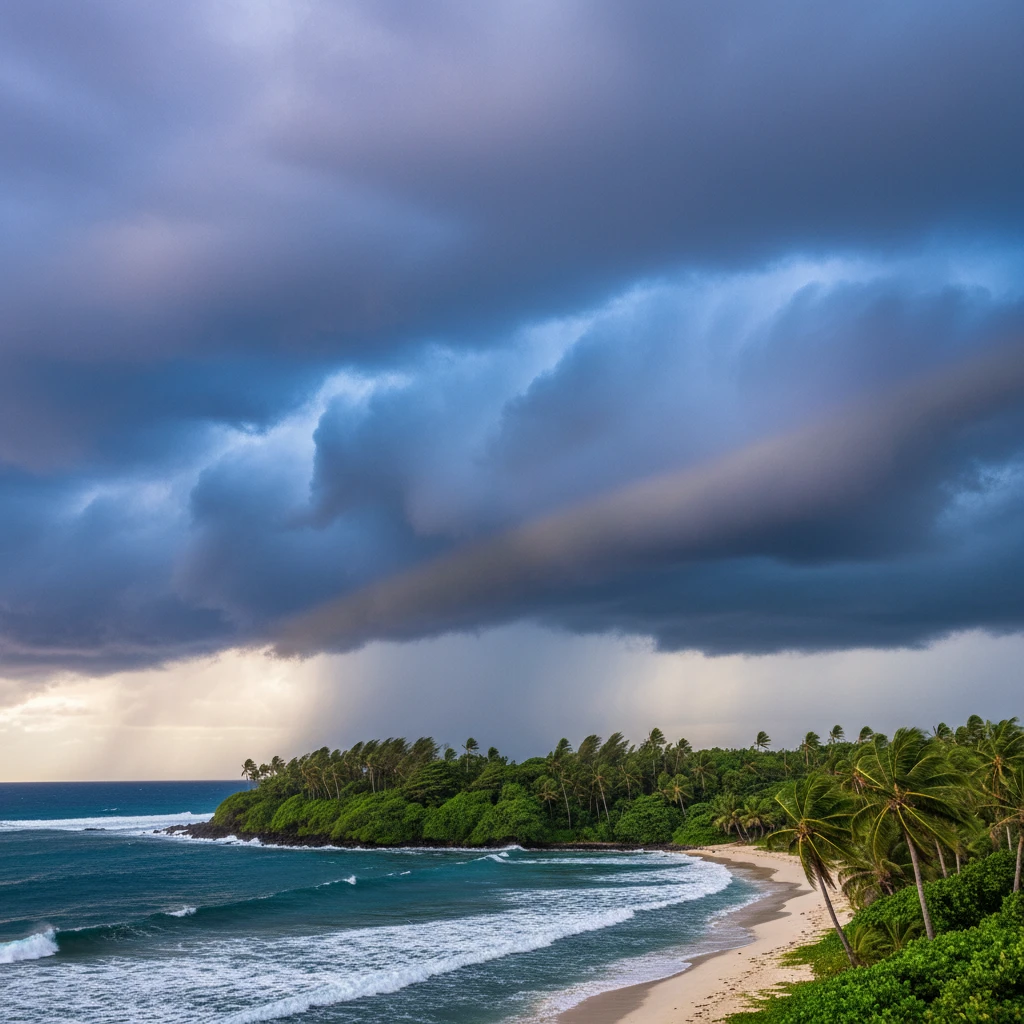
While the risk of a direct hit is statistically low for any given week, the impact of a cyclone in the region can cause high winds, rough seas, and sustained rainfall even if the storm center is hundreds of kilometers away. Modern weather tracking in Fiji is sophisticated, and resorts are built to strict cyclone standards.
How to prepare for travel during Cyclone Season?
If you choose to travel during these months to take advantage of lower rates and warmer water, comprehensive travel insurance is non-negotiable. Ensure your policy covers natural disasters and flight cancellations. Additionally, be flexible with your itinerary; ferry transfers to outer islands like the Mamanucas or Yasawas may be cancelled on short notice due to sea swells.
Water Temperatures and Swimming Conditions
One of the primary reasons Kiwis flock to Fiji is the ocean. Unlike the chilly waters of New Zealand, which require wetsuits for much of the year, Fiji offers bathtub-like conditions.
- Dry Season (May-Oct): Water temperatures average 25°C to 27°C (77°F-81°F). While this is the “coldest” the water gets, it is still delightful for swimming. Divers may prefer a 3mm shorty wetsuit if doing multiple dives a day.
- Wet Season (Nov-April): Water temperatures rise to 28°C to 30°C (82°F-86°F). This is exceptionally warm, allowing for hours of snorkeling without feeling a chill.
Visibility Note: The dry season offers the best underwater visibility (often 30m+) because there is less rainwater runoff from the rivers clouding the lagoons. This makes June through September the superior choice for scuba diving enthusiasts.
Humidity Levels and Comfort Guide
Humidity is the silent factor that affects comfort more than the actual air temperature. In Fiji, humidity is omnipresent, but the intensity varies.
During the dry season, the southeast trade winds act as natural air conditioning. While the humidity hovers around 60-70%, the breeze keeps it from feeling oppressive. This is why the winter months are recommended for travelers who struggle with heat regulation or for the elderly.
In contrast, the wet season sees humidity levels spike to 80-95%. Combined with temperatures in the 30s, this creates a “muggy” environment. You will sweat significantly more, and clothes take longer to dry. If traveling during this time, pack breathable fabrics like linen and cotton, and ensure you stay hydrated.

Regional Weather Variations: Viti Levu vs. Outer Islands
It is important to note that Fiji has its own microclimates. The main island, Viti Levu, is divided by a mountain range that catches the trade winds.
Suva (The East) vs. Nadi (The West)
Suva, the capital on the eastern side, is significantly wetter than Nadi in the west. Suva experiences rainfall year-round. Most tourist resorts are located in the West (Nadi, Denarau, Coral Coast) precisely because it is the “burning west”—sunny and dry.
The Mamanucas and Yasawas
These island chains, located off the western coast, are the driest parts of Fiji. They often remain sunny even when heavy rain is falling on the mainland mountains. If your priority is maximum sunshine hours, booking a resort in the Yasawa Islands is the safest bet weather-wise.
Summary: When Should You Book?
For the average New Zealand traveler, the sweet spot remains late May, June, September, and October. These months offer the perfect intersection of great weather, manageable crowds (avoiding the absolute peak of July/August school holidays), and reasonable pricing.
What is the rainiest month in Fiji?
March is typically the rainiest month in Fiji, with heavy tropical downpours and high humidity. However, rain showers are often short and intense rather than lasting all day.
Is it cold in Fiji in July?
No, it is not cold by New Zealand standards. Daytime temperatures average 26°C (79°F). However, evening temperatures can drop to 19°C (66°F), so a light jumper or cardigan is recommended for nights.
When is the cheapest time to fly to Fiji from NZ?
The cheapest time to fly is usually during the wet season (February, March, and November), excluding the Christmas holiday period. Avoiding NZ school holidays is key to finding cheap flights.
Can you swim in Fiji all year round?
Yes, you can swim year-round. The water temperature never drops below 25°C (77°F), making it comfortable for swimming, snorkeling, and diving in any month.
Do I need a wetsuit for snorkeling in Fiji?
Generally, no wetsuit is needed for casual snorkeling as the water is warm. However, if you plan to be in the water for extended periods during the dry season (July-August), a rash guard or thin wetsuit top can provide warmth and sun protection.
Is the wet season bad for a holiday in Fiji?
Not necessarily. While it rains more, the showers are usually brief afternoon storms. The wet season offers warmer water, lush green landscapes, fewer crowds, and lower prices, making it a viable option for budget-conscious travelers.