
Yes, Fiji is generally considered extremely safe for families and is a preferred holiday destination for New Zealanders. While violent crime is rare, parents must exercise caution regarding tap water hygiene, tropical diseases like Dengue Fever, road safety standards, and strong ocean currents. Comprehensive travel insurance is essential.
Is Fiji Safe for Families? Understanding the Risks
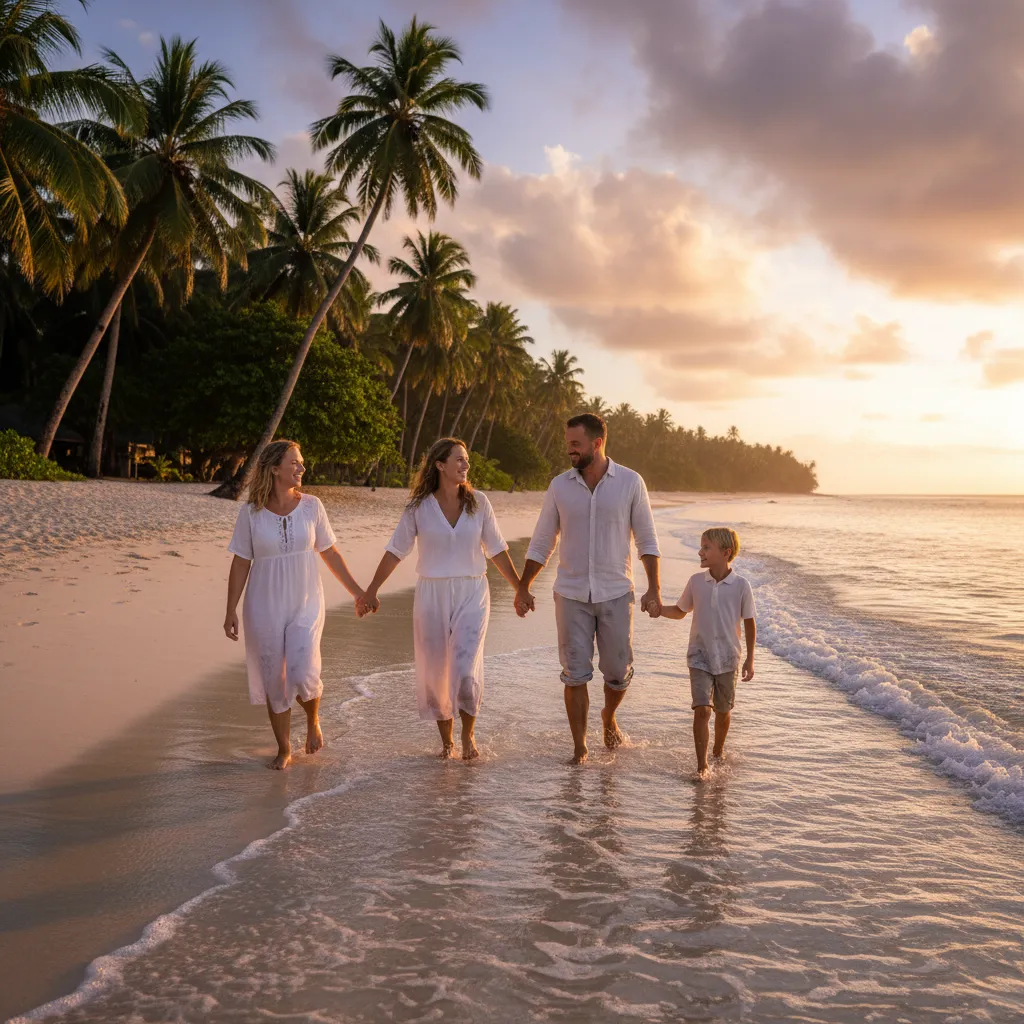
For decades, Fiji has served as the quintessential backyard playground for Kiwi families. The short flight time from Auckland, combined with the unparalleled warmth of the Fijian people, makes it a top tier destination. However, moving from the controlled environment of New Zealand to a developing island nation requires a shift in safety mindset.
Generally, the biggest risks to families in Fiji are not criminal, but environmental and logistical. The “Bula Spirit” is genuine, and Fijians are culturally renowned for their adoration of children. Violent crime directed at tourists is statistically low. However, opportunistic theft does occur. When staying in resorts, security is tight, but if you are venturing into Suva or Nadi town, standard precautions apply: keep valuables hidden and avoid unlit areas at night.
Can You Drink the Water in Fiji?
One of the most common questions New Zealand parents ask is regarding water safety. Unlike back home in NZ where tap water is potable almost everywhere, Fiji requires strict vigilance.
Tap Water vs. Bottled Water
While tap water in major hotels and the Nadi/Suva metropolitan areas is treated, the pipes’ condition can vary, leading to contamination. For families, especially those with young children whose immune systems are developing, the rule is simple: Do not drink the tap water.
Stick to sealed bottled water for drinking and brushing teeth. Most major resorts provide complimentary bottled water daily. When dining out, ensure the seal on the bottle is broken at the table. Regarding ice, most high-end resorts and reputable tourist restaurants use filtered water for ice, making it generally safe. However, in smaller local eateries or roadside stalls, it is safer to ask for drinks without ice.
Food Hygiene and “Fiji Belly”
Gastrointestinal upsets, often dubbed “Fiji Belly,” can ruin a family holiday. To minimize risk:
- Ensure food is piping hot and cooked through.
- Avoid salads or unpeeled fruit in non-resort environments, as they may have been washed in tap water.
- Wash hands frequently with sanitizer, especially after handling money.
Medical Facilities: Nadi, Suva, and the Islands
Understanding the healthcare landscape is critical for peace of mind. The standard of medical care in Fiji varies drastically depending on your location.
Mainland Viti Levu
In Nadi and Denarau, there are private medical clinics (such as Zens Medical) that cater to tourists. These facilities generally have English-speaking doctors, X-ray machines, and pharmacies stocking common medications. They are adequate for treating ear infections, coral cuts, dehydration, or minor injuries. Suva has the Colonial War Memorial Hospital, the largest in the country, but it is often overcrowded and resources can be stretched compared to NZ public hospitals.
Outer Islands (Mamanucas and Yasawas)
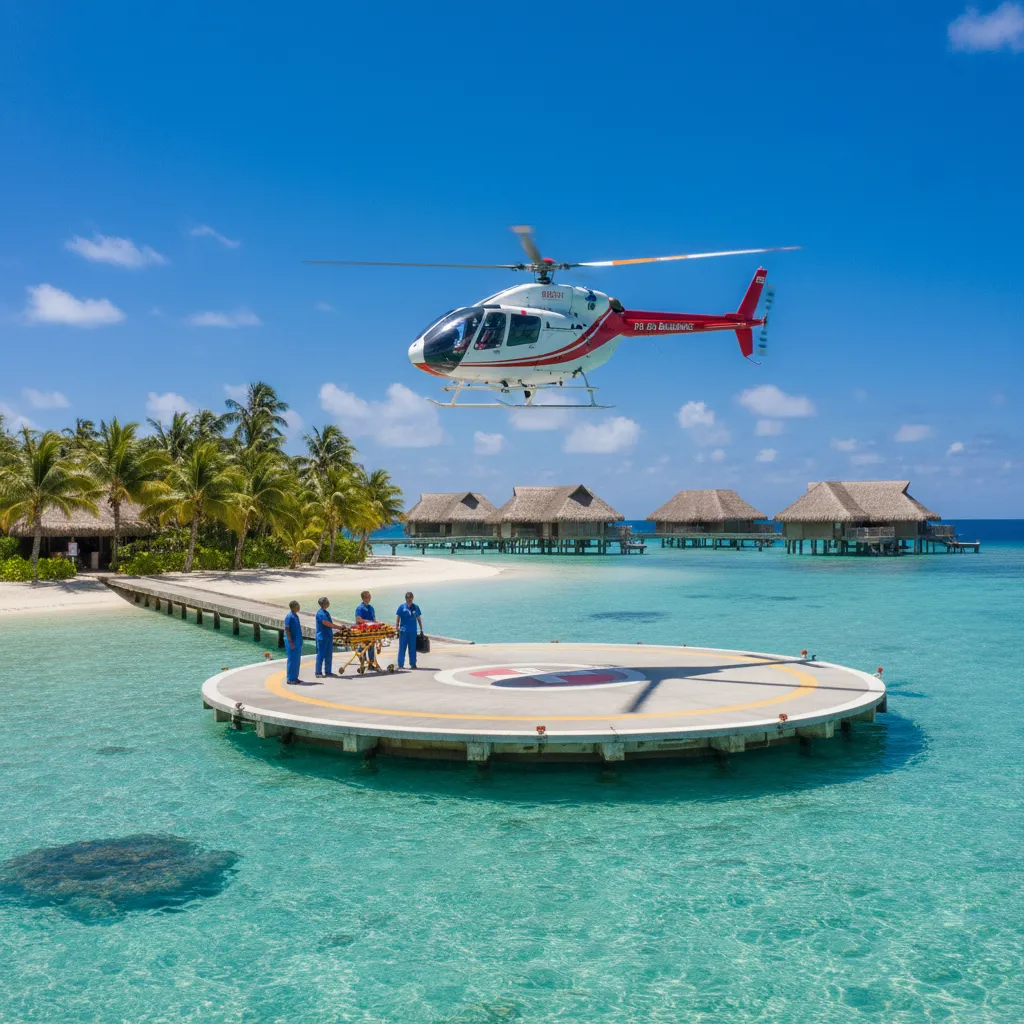
If you are traveling to the outer islands, access to medical care becomes significantly more difficult. Most island resorts have a resident nurse or a visiting doctor, but they are limited to basic first aid. In the event of a serious emergency (severe allergic reaction, cardiac event, or serious trauma), a medical evacuation by helicopter or boat back to the mainland—or an air ambulance to Auckland—will be required.
Critical Tip: Ensure your travel insurance policy covers medical evacuation by air. This is non-negotiable for families traveling to remote islands.
Transport Safety: Taxis, Transfers, and Car Seats
Road safety standards in Fiji differ significantly from New Zealand. The roads can be potholed, lighting is often poor, and driving habits can be erratic. Animals (cows, dogs, and horses) frequently wander onto the roads, particularly at night.
Are Car Seats Mandatory in Fiji?
Legally, child restraints are not as strictly enforced in Fiji as they are in New Zealand, and finding a taxi with a functioning car seat is extremely rare. Standard taxis flagged down at the airport or roadside will almost never have them.
For families, this poses a significant safety risk. You have two main options:
- Bring Your Own: Most airlines (Air New Zealand and Fiji Airways) allow you to check in a car seat for free. This is the safest option as you know the history and fit of your seat.
- Book Private Transfers: specialized transfer companies (like Tourist Transport Fiji) can provide car seats if requested in advance. Do not assume a seat will be there unless you have confirmed it in writing.
Ferry Safety
Inter-island ferries (like the Yasawa Flyer) are the main mode of transport to the islands. These large catamarans are generally safe and well-maintained. However, the ocean can get rough. If you are traveling with toddlers, keep a firm grip on them when on the outer decks, as railings may have wider gaps than NZ standards allow.
Cyclone Season and Weather Precautions
Fiji creates a tropical paradise, but it is also located in a cyclone belt. The cyclone season officially runs from November to April. While this coincides with the cheaper “shoulder season” for travel, it carries higher risks.
Traveling During Cyclone Season
Modern resorts in Fiji are built to withstand cyclones, often constructed with reinforced concrete. If a cyclone alert is issued, resort management is experienced in enacting safety protocols. However, a cyclone can disrupt flights, power, and water supplies for days. If you choose to travel during this window, flexible flights and comprehensive insurance that covers natural disasters are essential.
Mosquito-Borne Diseases
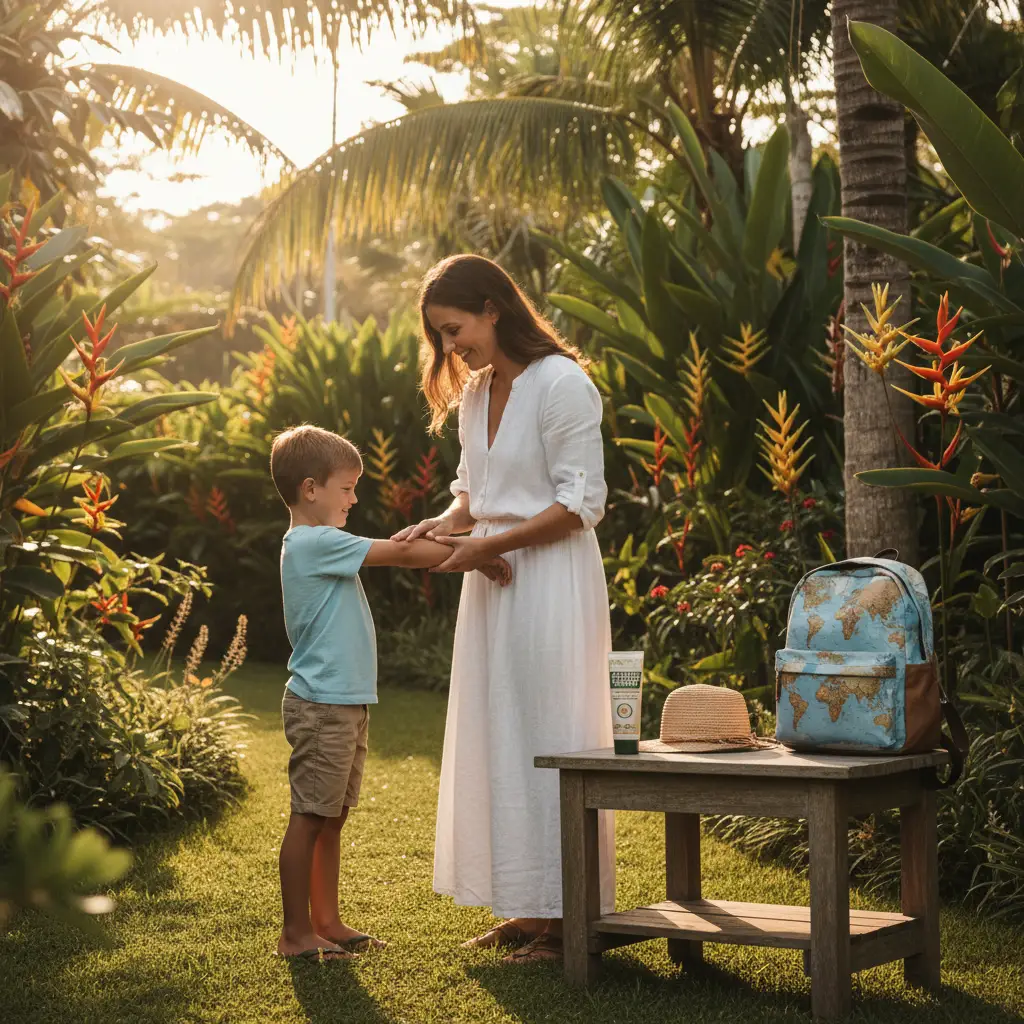
There is no malaria in Fiji, but Dengue Fever and Zika virus are present. Dengue is carried by mosquitoes that bite during the day. Protection is better than cure:
- Use insect repellent containing DEET or Picaridin.
- Dress children in light, long-sleeved clothing, especially at dawn and dusk.
- Keep screen doors closed in your accommodation.
Ocean Safety and Marine Hazards
The inviting blue water hides currents that can be deceptive. Unlike New Zealand beaches which are often patrolled by Surf Life Saving NZ, most beaches in Fiji are not patrolled by lifeguards.
Coral Cuts and Infection
Coral is sharp and harbors bacteria. A small scrape can quickly become infected in the humid tropical climate. Families should invest in reef shoes for all children. If a cut occurs, clean it immediately with fresh water and antiseptic (Betadine), and keep it dry. If it shows signs of redness or heat, seek medical attention early to prevent staph infections.
Currents and Tides
Always ask local resort staff about the tides and currents before swimming or snorkeling. Channels between islands can have very strong tidal flows. Ensure children wear life jackets (PFDs) when snorkeling, even if they are competent swimmers, as fatigue sets in faster in open water.
Are Resort Kids Clubs Safe?
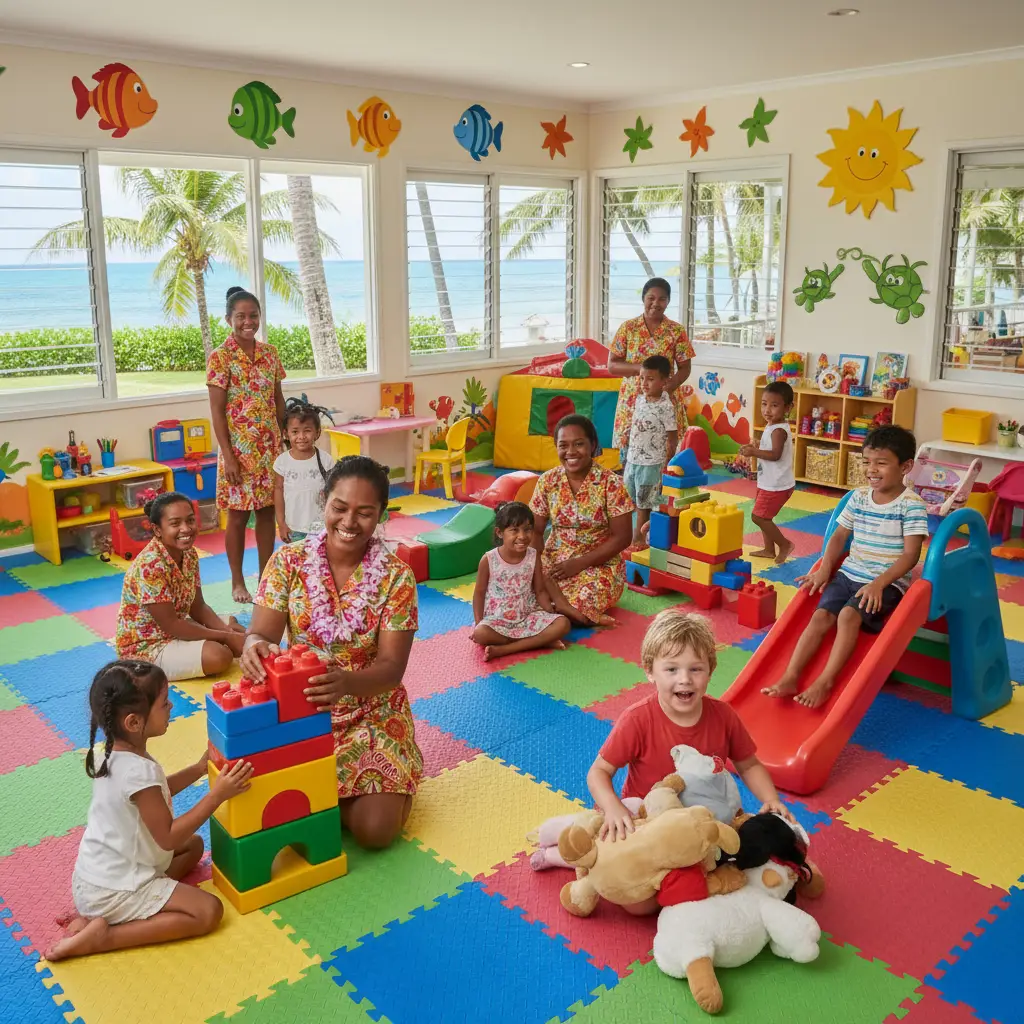
Fijian culture is famous for its communal care of children. The “Nannies” and Kids Club staff are generally warm, loving, and protective. For many Kiwi parents, the Kids Club is the highlight of the trip, offering much-needed relaxation.
However, safety standards can vary between 5-star international chains and smaller boutique resorts. When evaluating a Kids Club, check for:
- Staff-to-Child Ratios: Ensure there are enough adults to supervise the number of children.
- Secure Entry/Exit: Can a child wander out unnoticed? Are gates latched high up?
- Water Safety: Do they take the children to the pool or beach? If so, what is the supervision level? Many parents prefer to restrict water activities to when they are present.
- Accreditation: Some resorts have “Bula Clubs” that adhere to higher international safety standards.
People Also Ask
Is it safe to walk around Fiji at night?
Walking around resort complexes at night is very safe. However, walking in urban areas like downtown Nadi or Suva after dark is not recommended for families. Poor lighting, stray dogs, and the risk of opportunistic crime make it advisable to take a taxi door-to-door if you are dining out locally.
Do I need vaccinations for Fiji from NZ?
Generally, no specific vaccinations are mandatory for travelers from New Zealand. However, ensuring your routine vaccinations (Measles, Mumps, Rubella, Tetanus) are up to date is crucial. Hepatitis A and Typhoid vaccinations are often recommended for those staying in rural villages or eating local street food. Consult your GP or a travel doctor 6 weeks before departure.
Is the sun in Fiji stronger than New Zealand?
While the New Zealand sun is notoriously harsh due to the ozone hole, Fiji’s proximity to the equator means the UV index is extreme. Burn times can be very short. Use high SPF sunscreen (reef-safe), wide-brimmed hats, and rash shirts (swim shirts) for children. Dehydration is also a higher risk due to the humidity.
Are there dangerous animals in Fiji?
Fiji is relatively free of dangerous land animals. There are no venomous snakes or spiders that pose a lethal threat to humans on land. In the ocean, hazards include stonefish, sea snakes (which are docile but venomous), and fire coral. Wearing reef shoes significantly mitigates these marine risks.
Is it safe to hire a nanny in Fiji?
Yes, hiring a nanny is a common and safe practice in Fiji. Most resorts offer nanny services where the staff are police-vetted and trained in first aid. Fijian nannies are renowned for their patience and genuine love for children. For peace of mind, book nannies through your hotel rather than private arrangements outside the resort.
What happens if there is a medical emergency on an island?
If a medical emergency occurs on an island, the resort nurse will assess the patient. If evacuation is needed, a helicopter or boat will transfer the patient to the mainland (Viti Levu). Serious cases are often stabilized in Fiji and then medevaced to New Zealand or Australia. This is why travel insurance with unlimited medical cover is essential.