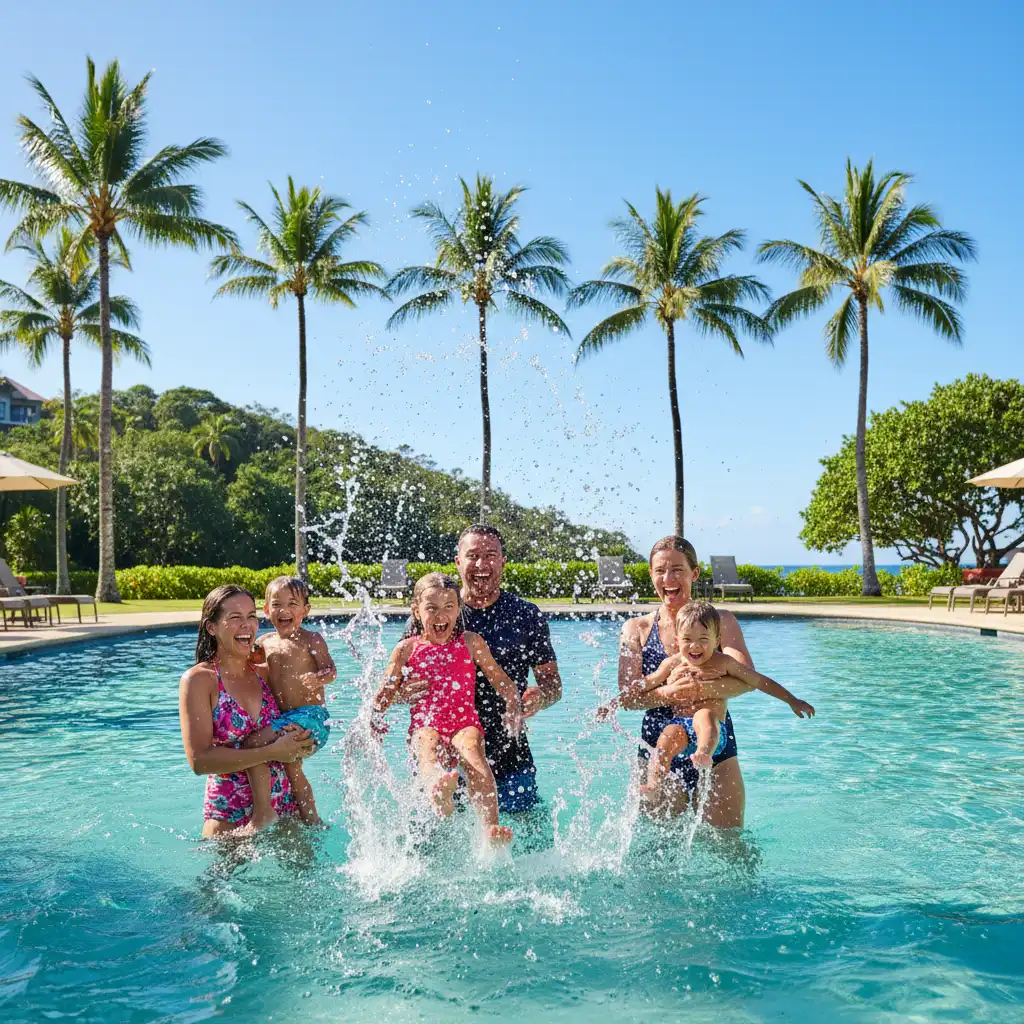
Fiji is widely considered a safe destination for families, renowned for its low crime rates and exceptionally child-friendly culture. However, families must exercise caution regarding tap water quality, road safety standards, and limited medical infrastructure on outer islands. Visitors should prioritize travel insurance, use bottled water, and prepare for tropical weather hazards during cyclone season.
Is Fiji Safe for Families? An Overview
For New Zealand families looking for a tropical getaway, Fiji remains the premier destination due to its proximity—a mere three-hour flight from Auckland—and its legendary “Bula” spirit. The Fijian culture is inherently communal and places a high value on children, making it one of the most welcoming environments for young travelers in the world.
However, “safe” is a relative term. While violent crime against tourists is statistically rare, the infrastructure and safety standards differ significantly from what Kiwi families are accustomed to back home. The relaxed island pace often extends to regulatory enforcement, meaning parents must take a proactive role in managing risks.
Petty theft can occur, particularly in urban centers like Suva or Nadi, but it is uncommon within resort complexes. The primary threats to family safety in Fiji are environmental and logistical: gastrointestinal illnesses, tropical infections, road accidents, and the lack of immediate advanced medical care in remote locations.
Drinking Water and Food Hygiene
Is tap water in Fiji safe to drink?
For families traveling with young children, the short answer is: stick to bottled water. While the Water Authority of Fiji states that tap water in major urban centers like Nadi and Suva is treated and chlorinated, the distribution pipes can sometimes be compromised, leading to contamination.
On the outer islands (Mamanucas, Yasawas, and Vanua Levu), tap water is often sourced from rainwater tanks or boreholes. While many resorts filter this water, it may still contain distinct mineral compositions or bacteria that a Kiwi child’s immune system is not conditioned to handle. The risk of “Fiji Belly” (bacterial gastroenteritis) is real and can ruin a holiday.
Best Practices for Water Safety
- Bottled Water: Use sealed bottled water for drinking and brushing teeth. Renowned brands like Fiji Water and Island Chill are readily available.
- Ice Caution: In high-end resorts (5-star), ice is usually made from filtered water. In smaller eateries or remote backpacker accommodations, ask if the ice is made from purified water. If in doubt, skip it.
- Boiling: If you are staying in a holiday home or self-catering bure, boiling tap water for at least one minute is an effective way to sterilize it for formula or tea.
Medical Facilities: Nadi vs. The Islands
One of the most critical considerations for New Zealand parents is the disparity in medical care between the main island (Viti Levu) and the resort islands. Understanding this gap is vital for managing pre-existing conditions or emergencies.
Healthcare on Viti Levu (Nadi, Denarau, Suva)
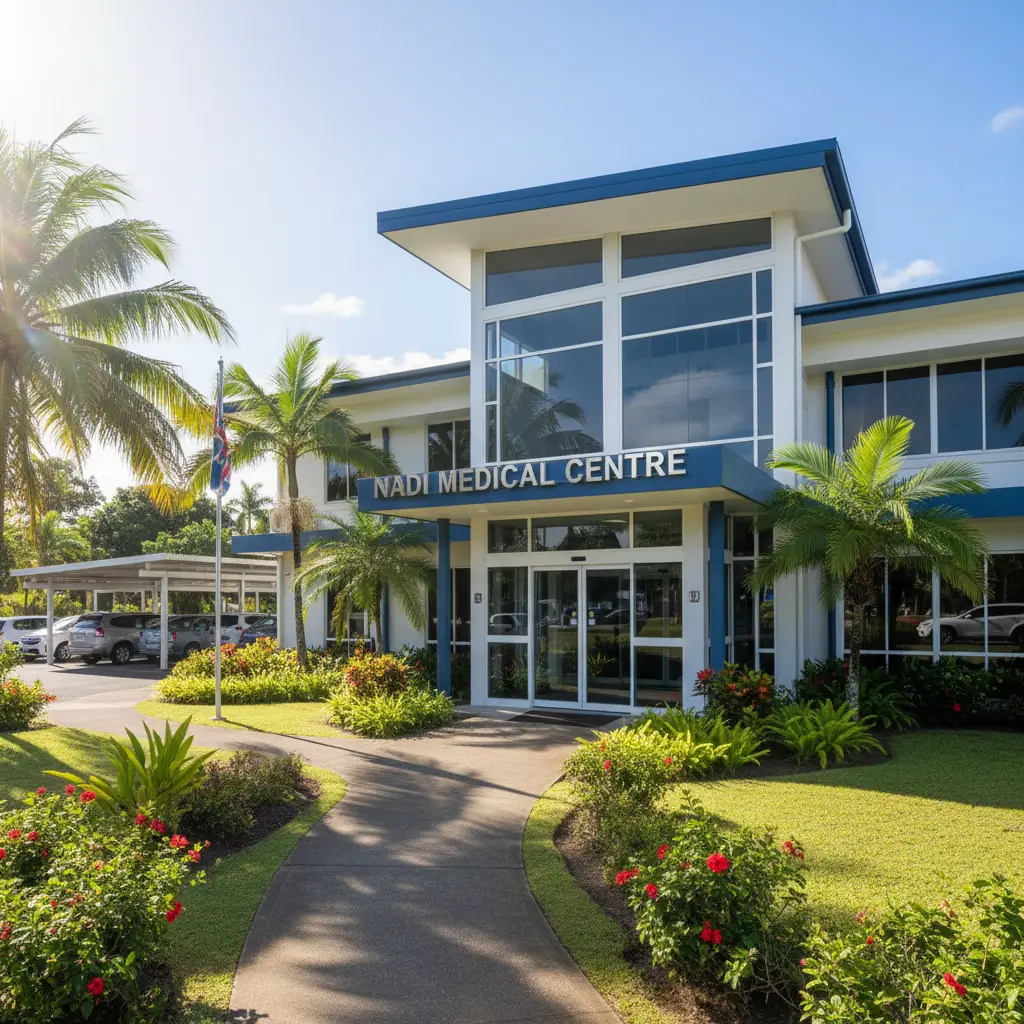
Nadi and Denarau offer the highest standard of care accessible to tourists. Several private medical centers cater specifically to international visitors. For example, Zens Medical Centre in Nadi is a standard stop for tourists requiring GP services, X-rays, or basic urgent care. Suva houses the Colonial War Memorial Hospital (CWM), the country’s main public referral hospital, though it is often overcrowded and resources can be stretched.
Healthcare on Outer Islands
Once you leave the mainland for the Mamanucas or Yasawas, medical infrastructure drops off sharply. Most island resorts have a resident nurse or a visiting doctor, but their capabilities are limited to basic first aid, treating coral cuts, and dispensing paracetamol. They do not have X-ray machines, advanced cardiac equipment, or pediatric intensive care units.
The Necessity of Travel Insurance
For Kiwi families, comprehensive travel insurance is non-negotiable. If a child suffers a serious injury (e.g., a fracture from a pool slip) or a severe illness (e.g., complex dengue fever) while on an island, they will need a helicopter or boat evacuation to Nadi, and potentially an air ambulance back to Auckland. These costs can exceed $50,000 NZD instantly. Ensure your policy covers medical evacuation by air.
Cyclone Season and Environmental Risks
Fiji’s tropical climate is a major drawcard, but it comes with specific environmental risks that differ from New Zealand’s temperate conditions.
When is Cyclone Season in Fiji?
The official cyclone season runs from November to April. While this period coincides with cheaper travel deals and warmer water, it carries the risk of severe weather events. Modern resorts are built to withstand cyclones, but storms can disrupt flights, ferries, and power supplies for days.
If traveling during this window:
- Monitor the Fiji Meteorological Service website.
- Register your travel plans on the New Zealand Ministry of Foreign Affairs and Trade (MFAT) “SafeTravel” website.
- Pack a battery-operated torch and essential medications in your carry-on in case of luggage delays or power outages.
Mosquito-Borne Diseases
Dengue fever is present in Fiji. Unlike Malaria, there is no preventative medication for Dengue. The mosquito responsible (Aedes aegypti) is a day-biter, often active around sunrise and sunset.
Prevention Strategy:
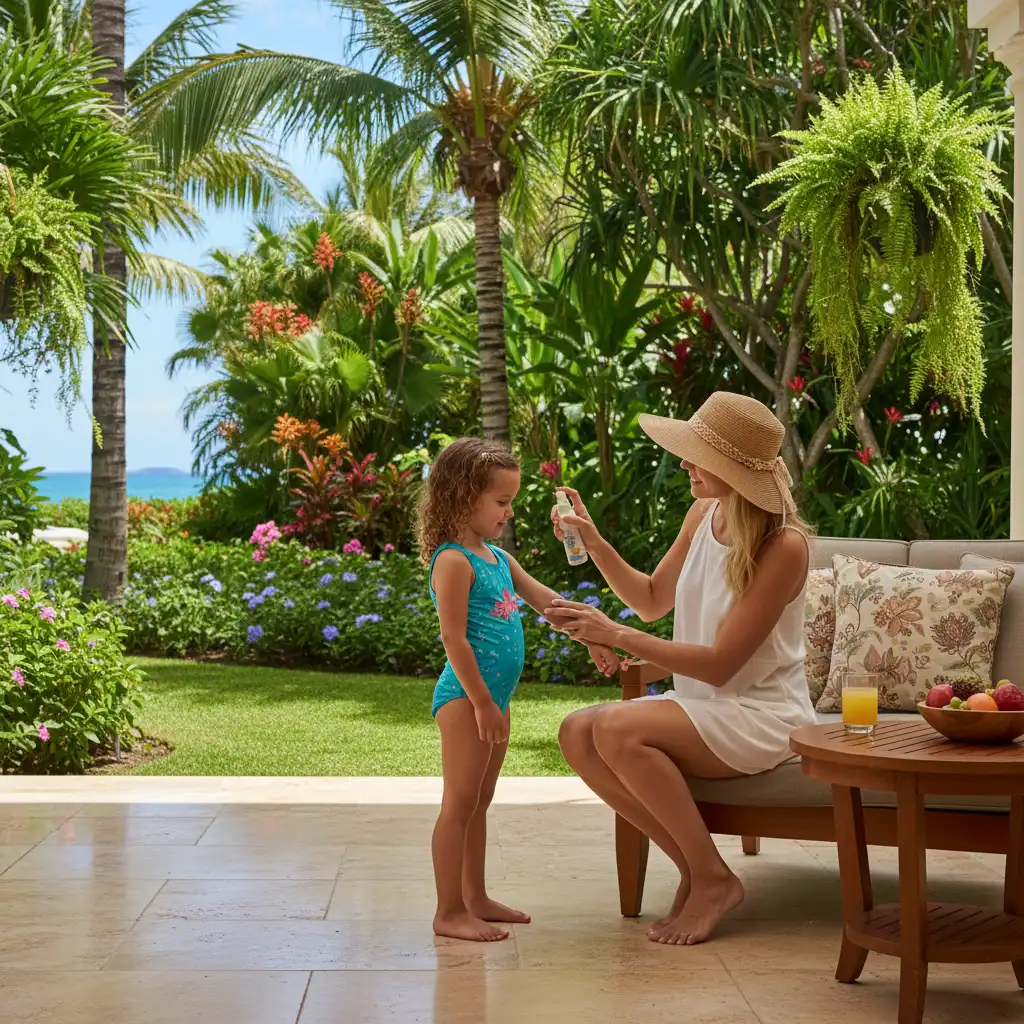
- Apply insect repellent containing DEET or Picaridin, especially on ankles and legs.
- Dress children in light, long-sleeved clothing during dawn and dusk.
- Use mosquito nets if sleeping in bures that are not fully screened or air-conditioned.
Transport Safety: Taxis and Car Seats
Transport safety is perhaps the single biggest shock for New Zealand parents arriving in Fiji. The strict regulations regarding child restraints in NZ are rarely enforced in Fiji, and infrastructure reflects this.
The Car Seat Dilemma
Standard taxis in Fiji generally do not carry car seats. If you hail a taxi at Nadi Airport, do not expect a capsule or booster seat to be available. Furthermore, some older taxis may not even have functioning rear seatbelts to anchor a seat if you brought one.
Recommendations for Families:
- Bring Your Own: Air New Zealand and Fiji Airways generally allow you to check in a car seat for free. This is the safest option.
- Pre-book Private Transfers: Companies like Tourist Transport Fiji (TTF) or private tour operators allow you to request car seats during the booking process. Confirm this via email before departure.
- Check the Belts: Before loading your luggage, check that the taxi has working seatbelts in the back. If not, wave it on and wait for the next one.
Road Conditions
Outside of the main Queens Road (which connects Nadi to Suva), road conditions can be poor, with potholes, stray livestock (cows and horses), and pedestrians sharing the roadway. Avoid driving rental cars at night due to poor lighting and these unpredictable hazards.
Water Safety and Marine Life
The ocean is the highlight of a Fiji holiday, but it demands respect. Unlike New Zealand beaches which are often patrolled by Surf Life Saving NZ, most beaches in Fiji are unpatrolled.
Coral Cuts and Infection
Coral is sharp and harbors bacteria. A small scrape can quickly become infected in the tropical humidity.
Tip: Pack “reef shoes” or booties for the whole family. If a cut occurs, clean it immediately with fresh water and apply antiseptic (Betadine) and a waterproof plaster. Monitor closely for signs of infection (redness, heat).
Boat Safety
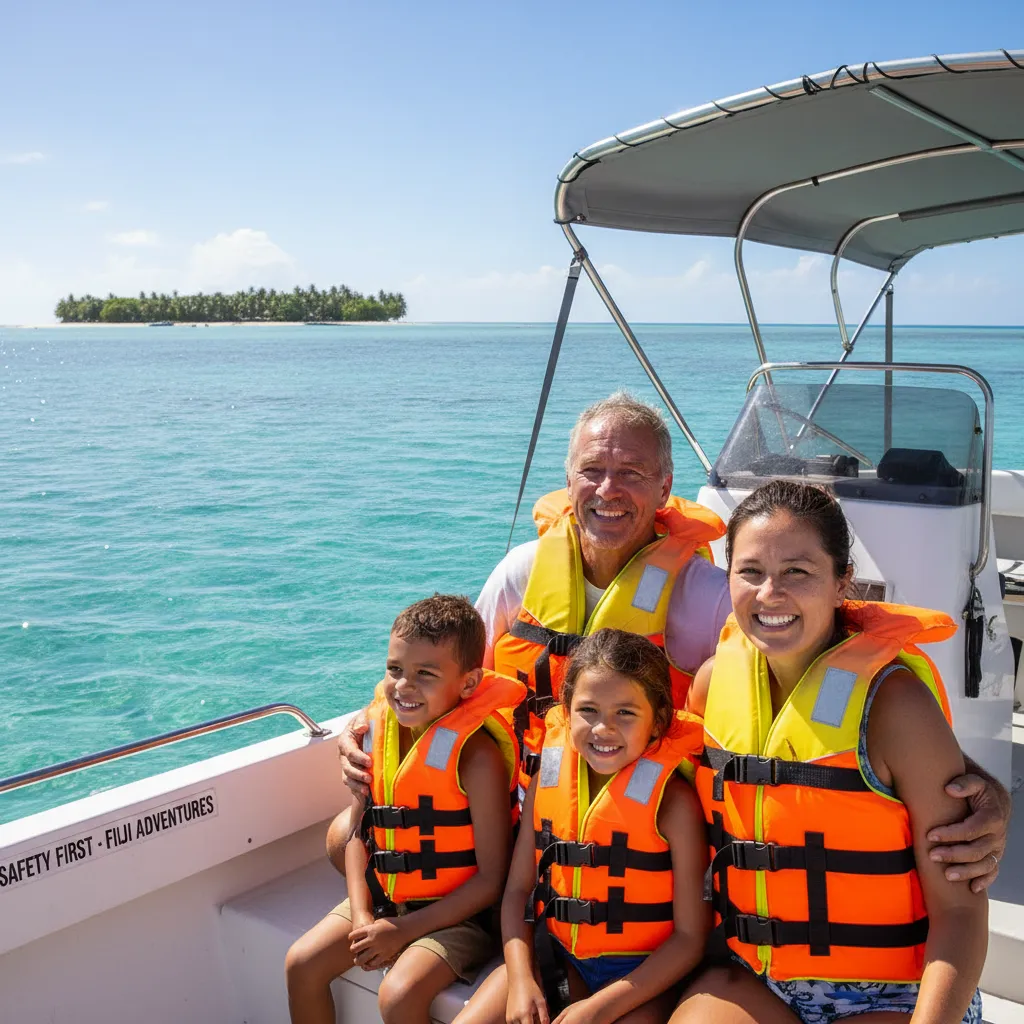
When taking island hopping boats or smaller tenders, ensure there are life jackets available for children. Standards vary wildly between operators. While the large catamarans (like the Malolo Cat) are compliant with international maritime standards, smaller private longboats may not carry child-sized life vests. If you plan on doing a lot of boat travel, bringing your own pediatric life jacket is a wise precaution.
Frequently Asked Questions
Below are common questions New Zealand parents ask when planning their Fiji itinerary.
Is it safe to leave kids at resort kids’ clubs in Fiji?
Yes, generally. Fijian culture is incredibly family-oriented, and nannies are renowned for their warmth and care. Major resorts (like the Shangri-La, Outrigger, and Plantation Island) have structured kids’ clubs with vetted staff. However, for private babysitting, always book through the resort reception rather than making informal arrangements to ensure accountability and safety checks.
What should I pack in a medical kit for Fiji?
Pack more than you think you need. Essentials include: Children’s Paracetamol and Ibuprofen (Panadol/Nurofen), oral rehydration salts (Gastrolyte) for dehydration, antiseptic cream, waterproof plasters, antihistamines, a digital thermometer, insect repellent (tropical strength), and high-SPF sunscreen (NZ sun is harsh, but Fiji sun is equally intense). If your child requires an EpiPen, bring two.
Are there poisonous animals in Fiji?
Fiji is relatively free of dangerous terrestrial animals. There are no venomous land snakes or spiders that pose a lethal threat to humans. The main concerns are marine life: stonefish, lionfish, and sea snakes (krait). Sea snakes are highly venomous but extremely docile and rarely bite unless provoked. Teach children never to touch marine life.
Is street food safe to eat in Fiji?
Exercise caution. While freshly cooked hot food is usually fine, food that has been sitting out in the humidity can cultivate bacteria quickly. Avoid raw salads or peeled fruits sold at roadside stalls as they may have been washed in tap water. Stick to fruits you can peel yourself, like bananas and papayas.
Can I buy baby formula and nappies in Fiji?
Yes, supermarkets in Nadi and Suva stock major brands like Huggies and various formulas (often Australian/NZ brands). However, they are significantly more expensive than in New Zealand and the specific brand your baby prefers might be out of stock. It is highly recommended to bring your entire supply from home to avoid disruption.
Is it safe to walk outside the resort at night?
In tourist hubs like Denarau Island, it is very safe to walk between resorts and the marina at night. However, in downtown Nadi or Suva, it is advisable to take a taxi after dark rather than walking, especially with children, to avoid stray dogs and potential petty crime.