
Fiji in May and October represents the ideal shoulder season for New Zealand travelers. These months offer the perfect balance of warm, dry weather and reduced accommodation rates, situated conveniently between the humid cyclone season and the peak school holiday crowds. Visitors enjoy lush landscapes in May and crystal-clear diving visibility in October.
What is the Weather Like in Fiji in May and October?
For New Zealanders accustomed to the cooling temperatures of late autumn or the unpredictable winds of spring, Fiji offers a tropical respite. However, understanding the nuance between May and October is critical for planning the perfect itinerary. While both are considered “shoulder season,” they sit on opposite ends of the dry season, offering distinct climatic advantages.
May: The Post-Summer Cool Down
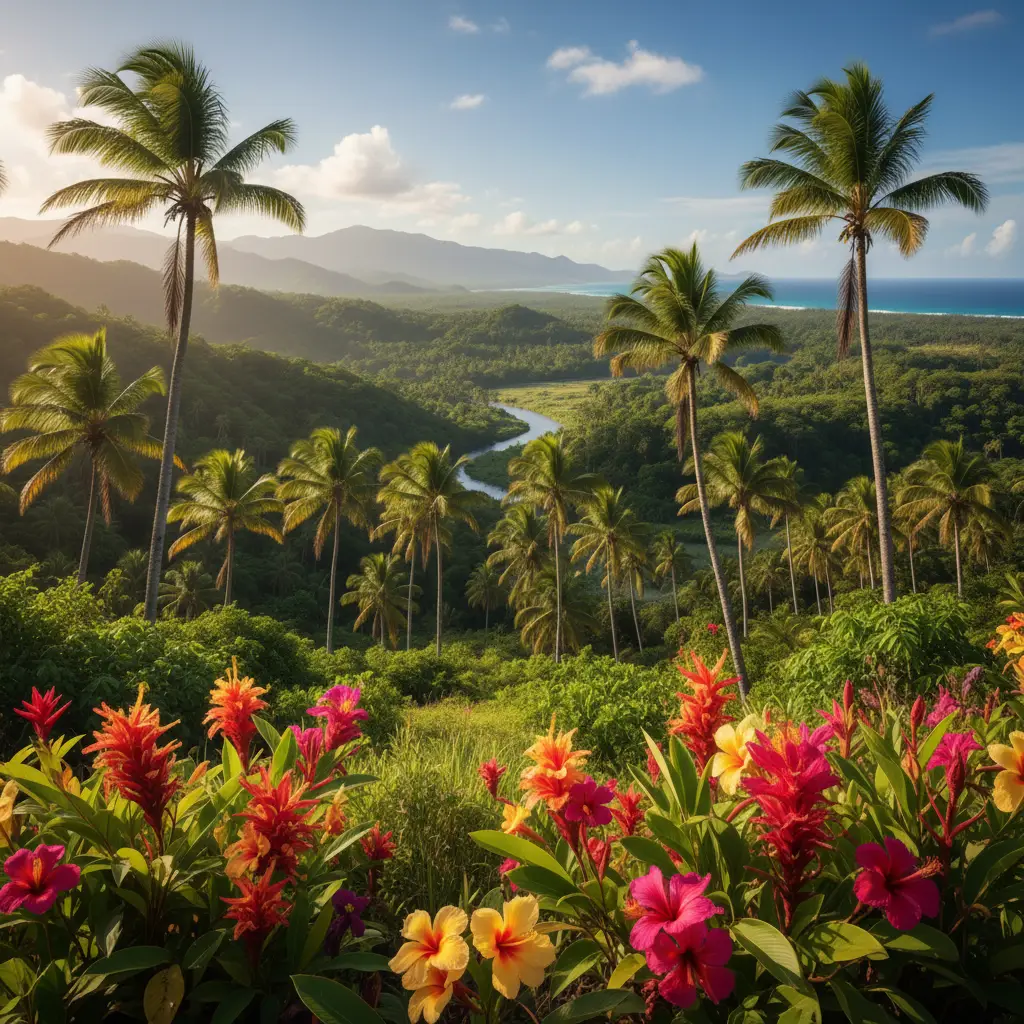
May marks the beginning of the dry season (winter) in Fiji. Following the humid wet season, the islands are incredibly lush and vibrant green. The humidity begins to drop significantly, making it comfortable for outdoor activities that might be too stifling in January or February.
- Temperature: Average highs sit around 27°C to 29°C, with evenings cooling to a pleasant 20°C.
- Water Temperature: The ocean retains the heat from the summer, averaging 27°C, which is perfect for swimming without a wetsuit.
- Rainfall: Rain showers become less frequent and shorter in duration, typically occurring overnight.
October: The Pre-Summer Warm Up
October serves as the gateway to the summer season. It is generally the end of the dry season, meaning the risk of rain is still low, but the temperatures are starting to climb. This is often preferred by Kiwis who want to maximize heat before returning to New Zealand’s spring weather.
- Temperature: Expect highs of 29°C to 30°C. Humidity is slightly higher than in May but nowhere near the peaks of February.
- Water Temperature: The water is slightly cooler after the winter months, averaging 25°C to 26°C, which is refreshing given the rising air temperature.
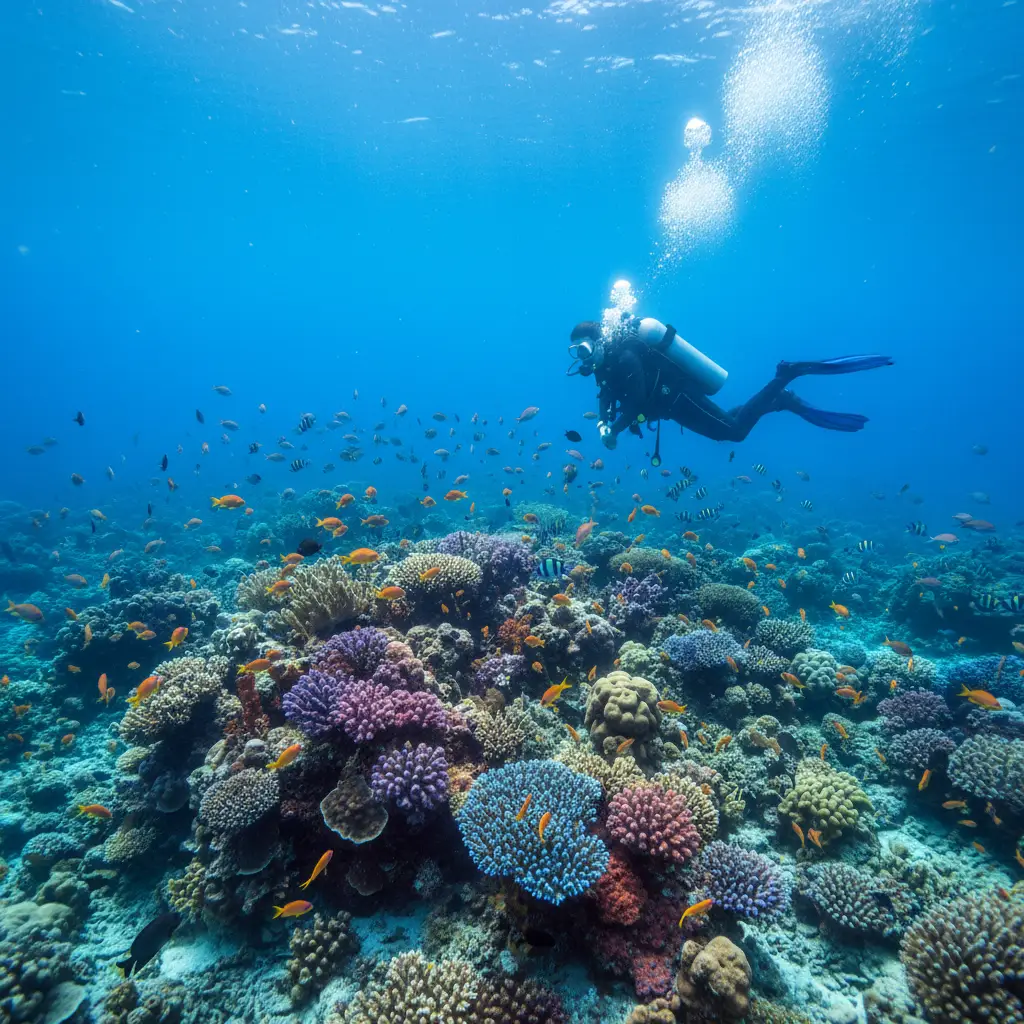
- Visibility: October is renowned for exceptional underwater visibility, often exceeding 30 meters, as there is minimal river runoff from rain.
How to Avoid School Holiday Crowds
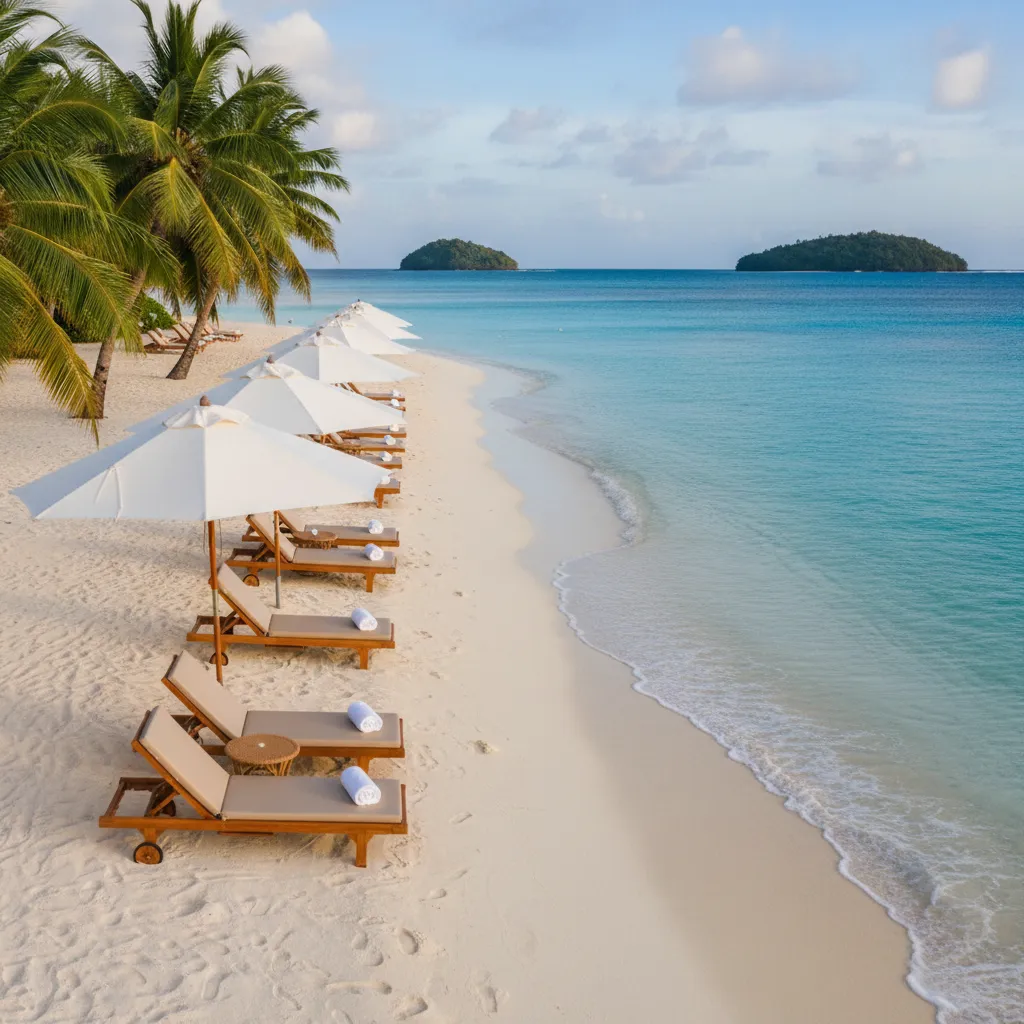
For many travelers, the primary allure of visiting Fiji in May and October is the serenity. Fiji is a family-favorite destination for New Zealanders, meaning resorts can reach 100% capacity during school breaks. Visiting outside these windows transforms the experience from a bustling family hub to a tranquil paradise.
Navigating NZ School Terms
To ensure a peaceful experience, it is vital to cross-reference travel dates with the New Zealand Ministry of Education calendar. Typically:
- The May Window: The Term 1 holidays usually end in late April. Traveling from the second week of May ensures you miss the families returning to school.
- The October Window: The Term 3 holidays usually conclude in mid-October. Planning your trip for the last two weeks of October is the strategic sweet spot before the Christmas rush begins.
By targeting these specific weeks, you gain access to adults-only areas that are truly quiet, and family resorts where the kids’ clubs are not overflowing. Restaurants require fewer reservations, and day trips to the Mamanucas or Yasawas feel more exclusive.
Are There Shoulder Season Pricing Deals?
One of the most compelling reasons to choose Fiji in May and October is the cost efficiency. During these months, the basic laws of supply and demand work in the traveler’s favor.
Accommodation Savings
Resorts often drop their nightly rates by 20% to 30% compared to the July and December peaks. Furthermore, “Stay 7, Pay 5” deals are rampant during these months. Luxury resorts that might be out of budget during school holidays often become accessible. It is common to find package deals that include meal plans or transfers to entice travelers during these quieter weeks.
Flight Accessibility from Auckland
Air New Zealand and Fiji Airways operate frequent flights from Auckland, Wellington, and Christchurch. In May and late October, seat availability is higher, leading to more competitive airfares. Booking 2-3 months in advance for these specific months often yields the lowest economy fares of the year, excluding flash sales.
What Events and Festivals Happen in May and October?
Traveling during the shoulder season does not mean missing out on culture. In fact, these months host some of Fiji’s most significant cultural and sporting events.
October: Fiji Day
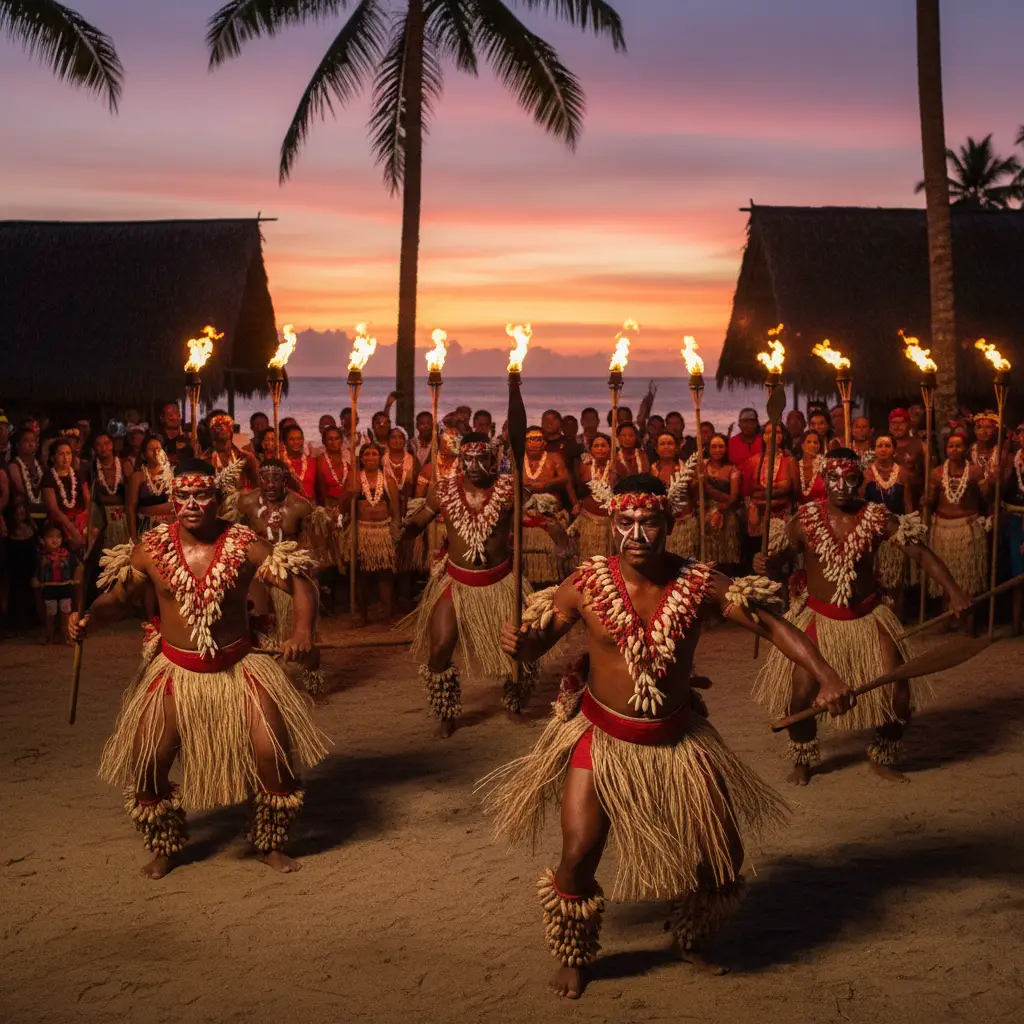
The most prominent event is Fiji Day, celebrated on October 10th. This marks the anniversary of Fiji’s independence from British colonial rule in 1970. The week leading up to Fiji Day is filled with vibrant festivities, street parades, religious ceremonies, and cultural performances. Visitors in October have the unique opportunity to witness the ‘Bula Spirit’ in its most patriotic and joyous form.
May: Sporting and Cultural Events
May often kicks off the sporting season. Various surfing competitions begin as the swell picks up. Additionally, the rotuma day celebration usually falls in May, celebrating the unique culture of the Rotuman people with traditional dancing and feasts.
Activity Guide: Surfing, Diving, and Relaxation
Your choice between May and October might ultimately depend on your preferred activities, as the ocean conditions vary slightly.
Surfing: Why May Wins
For surfers, May is arguably superior. This month marks the beginning of the prime swell season. The southern ocean storms begin to generate consistent swells that hit the reefs around Tavarua and Namotu. If you are looking to surf Cloudbreak or Restaurants, May offers world-class waves with favorable trade winds.
Diving: Why October Wins
While diving is excellent year-round, October is often cited by dive masters as the peak for visibility. The dry winter months have settled the sediment, and the water is warming up, bringing in pelagic species. It is an excellent time to dive the Great Astrolabe Reef or the Bligh Waters to see mantra rays and sharks in crystal clear high-definition.
Packing for the Shoulder Season
When packing for Fiji in May and October, a “tropical smart casual” approach is best, with a nod to the specific weather transitions.
For May: Bring a light cardigan or windbreaker. While the days are hot, the evenings can feel surprisingly brisk after a day in the sun, especially if you are near the ocean breeze. Sun protection is vital as the UV index remains high.
For October: Focus on breathable, moisture-wicking fabrics. The humidity is rising, so lightweight cottons and linens are essential. You will likely need fewer warm layers than in May, but a light wrap for air-conditioned spaces is always recommended.
Is Fiji better in May or October?
It depends on your preference. May is greener and slightly cooler in the evenings, making it great for hiking and surfing. October is warmer with clearer water, making it superior for diving and snorkeling. Both avoid the peak crowds.
Can you swim in Fiji in May?
Absolutely. The water temperature in May averages around 27°C (81°F), which is very warm and comfortable for swimming, snorkeling, and water sports without a wetsuit.
Is October hurricane season in Fiji?
No, October is not hurricane season. The cyclone season in Fiji typically runs from November to April. October is considered the end of the dry season, offering stable weather before the humidity builds up.
Is Fiji expensive in October?
If you book outside the NZ school holiday dates (usually the first two weeks of October), prices are very reasonable. Late October is considered shoulder season, offering lower rates than the festive peak season in December.
What should I wear in Fiji in May?
Pack lightweight summer clothing for the day (shorts, t-shirts, swimwear) but include a light jumper or cardigan for the evenings, as temperatures can drop to around 20°C at night.
Are mosquitoes bad in Fiji in May?
Mosquito activity is generally lower in May compared to the wet season (Jan-Mar) because it is drier. However, tropical climates always have insects, so bringing repellent containing DEET is still recommended.