
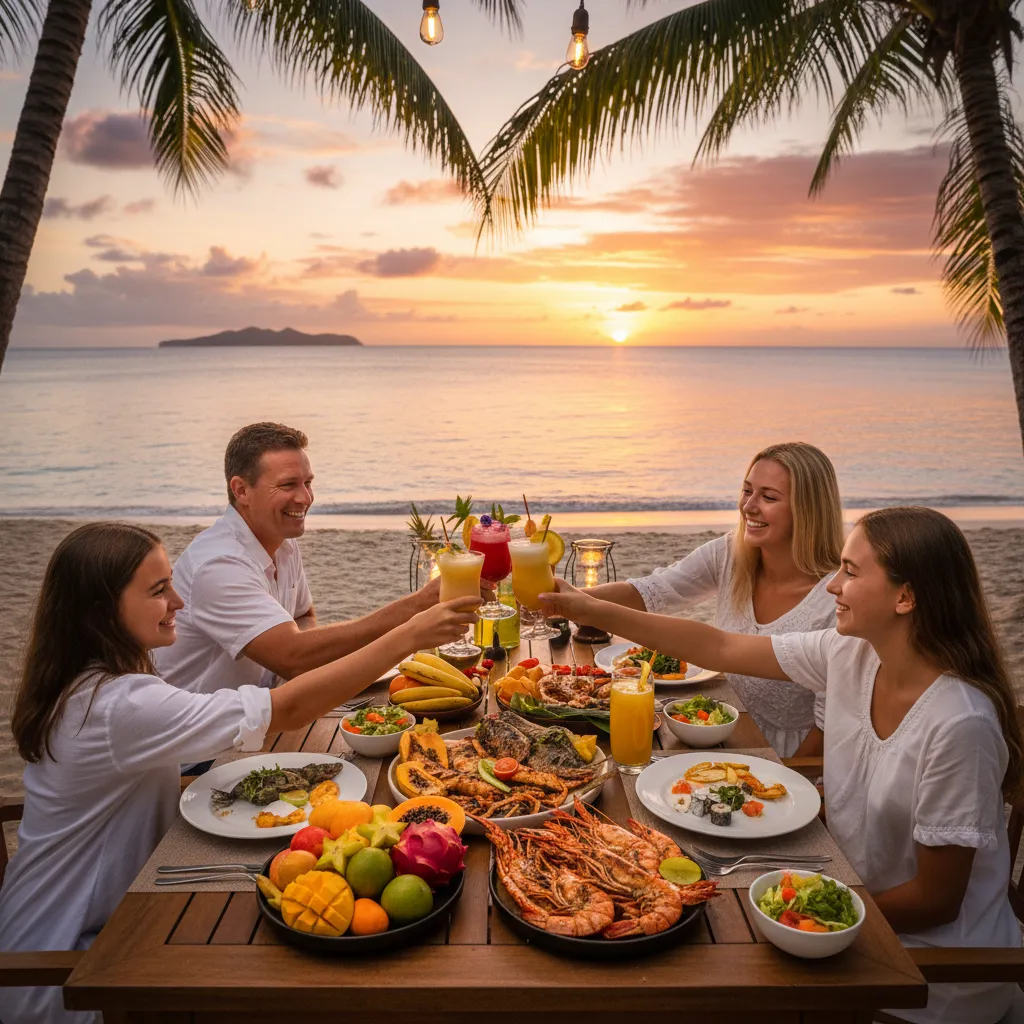
The average cost of food in Fiji for a family of four typically ranges from $300 to $700 FJD ($215 to $500 NZD) per day, depending heavily on whether you dine exclusively at resorts or venture into local towns. While comprehensive resort meal plans average $150+ FJD per adult daily, smart travelers can reduce costs significantly by shopping at Nadi supermarkets or eating at local cafes where meals cost under $20 FJD per person.
For New Zealand families planning a tropical getaway, budgeting for food is often the most variable part of the itinerary. While flights and accommodation are fixed costs, dining expenses in Fiji can fluctuate wildly between a budget-friendly holiday and a luxury gastronomic experience. Understanding the price disparity between resort dining, Denarau Marina restaurants, and local Nadi eateries is crucial for managing your holiday wallet.
What is the Daily Food Budget for a Family in Fiji?
When calculating the cost of food in Fiji for a family, it is essential to categorize your spending style. Prices in Fiji operate on a two-tier system: “Local Prices” and “Tourist/Resort Prices.” The difference between a curry in Nadi Town and the exact same curry at a 5-star resort can be upwards of 300%.
Below is a realistic daily estimation for a family of four (2 adults, 2 children under 12) based on current market rates. Note: Prices are estimated in Fijian Dollars (FJD). At the time of writing, 1 NZD ≈ 1.35 FJD.
The Budget Saver (Self-Catering & Local Cafes)
- Breakfast: $20 FJD (Supermarket cereal, milk, local fruit)
- Lunch: $60 FJD (Local bakery pies or takeaway curries)
- Dinner: $80 FJD (Casual dining in Nadi or cooking in an apartment)
- Snacks/Water: $20 FJD
- Total Daily: ~$180 FJD (approx. $130 NZD)
The Balanced Traveler (Mix of Resort & Local Dining)
- Breakfast: Included in room rate (common in packages)
- Lunch: $100 FJD (Poolside snacks or burgers)
- Dinner: $200 FJD (Denarau Marina restaurants or mid-range resort meal)
- Snacks/Drinks: $80 FJD (Ice creams, cocktails, bottled water)
- Total Daily: ~$380 FJD (approx. $280 NZD)
The Resort Exclusive (Full Board/High-End)
- Breakfast: $120 FJD (Buffet if not included)
- Lunch: $160 FJD (Restaurant sit-down)
- Dinner: $350 FJD (Themed buffet or fine dining with wine)
- Snacks/Drinks: $150 FJD
- Total Daily: ~$780+ FJD (approx. $575+ NZD)
Are Resort Meal Plans Worth the Cost?
One of the most common questions from Kiwi travelers is whether to prepay for a meal plan. The answer largely depends on your location. If you are staying on the mainland (Denarau, Coral Coast), you have options. If you are heading to the Mamanuca or Yasawa islands, you are a captive audience, and meal plans are often mandatory or highly recommended.
Understanding Meal Plan Pricing
Full board meal plans (Breakfast, Lunch, and Dinner) generally cost between $160 and $250 FJD per adult, per day. Half board (Breakfast and Dinner) is slightly less.
Pros of Meal Plans:
- Budget Certainty: You pay upfront in NZD before you leave, so you don’t worry about the bill at the end of the trip.
- Convenience: Essential for island resorts where there are no other restaurants.
- Kids Eat Free: Many major resorts (like the Shangri-La, Outrigger, and Plantation Island) offer “Kids Eat Free” schemes for children under 12 if they dine from the kids’ menu or buffet during specific hours. This is a massive saver for families.
Cons of Meal Plans:
- Repetition: Buffet fatigue sets in after day three.
- Value: If you skip a lunch because you had a late breakfast, you lose money.
- Drinks Not Included: Most meal plans exclude beverages, which can add significant costs (e.g., $12 FJD for a soft drink, $22 FJD for a cocktail).
Pay-As-You-Go Prices (A La Carte)
If you choose to pay as you go at a resort, expect the following price ranges:
- Burger & Fries: $35 – $45 FJD
- Caesar Salad: $30 – $40 FJD
- Pizza: $35 – $50 FJD
- Main Course (Steak/Fish): $55 – $90 FJD
- Buffet Dinner: $75 – $110 FJD per adult
Dining Costs at Denarau Marina & Cheap Eats
For families staying at the Sheraton, Westin, Sofitel, or Hilton, the Denarau Marina is the culinary hub. It offers a break from hotel pricing, though it is still priced for tourists. It is generally 15-20% cheaper than eating inside the 5-star resorts, but significantly more expensive than Nadi Town.
Popular Denarau Spots and Estimated Costs
The Marina features familiar names and local favorites. You can take the “Bula Bus” (approx $10 FJD for a multi-day pass) from your resort to the Marina easily.
- Hard Rock Cafe: A family staple. Burgers run about $35-$45 FJD. A full family meal here will cost roughly $180 FJD.
- Bonefish Seafood Restaurant: Fresh local fish. Mains are $45-$70 FJD. Excellent quality but priced for the view.
- Mama’s Pizza: A great budget option for families. Large pizzas cost around $35-$45 FJD and can easily feed two children.
- Bakery & Cafe: There are spots for coffee ($6 FJD) and pies/sandwiches ($12-$18 FJD) which serve as a cheaper lunch alternative.
Cheap Eats in Nadi Town and Martintar
If you have a rental car or take a taxi (approx $20-$30 FJD one way from Denarau), you can access true local prices in Martintar or Nadi Town.
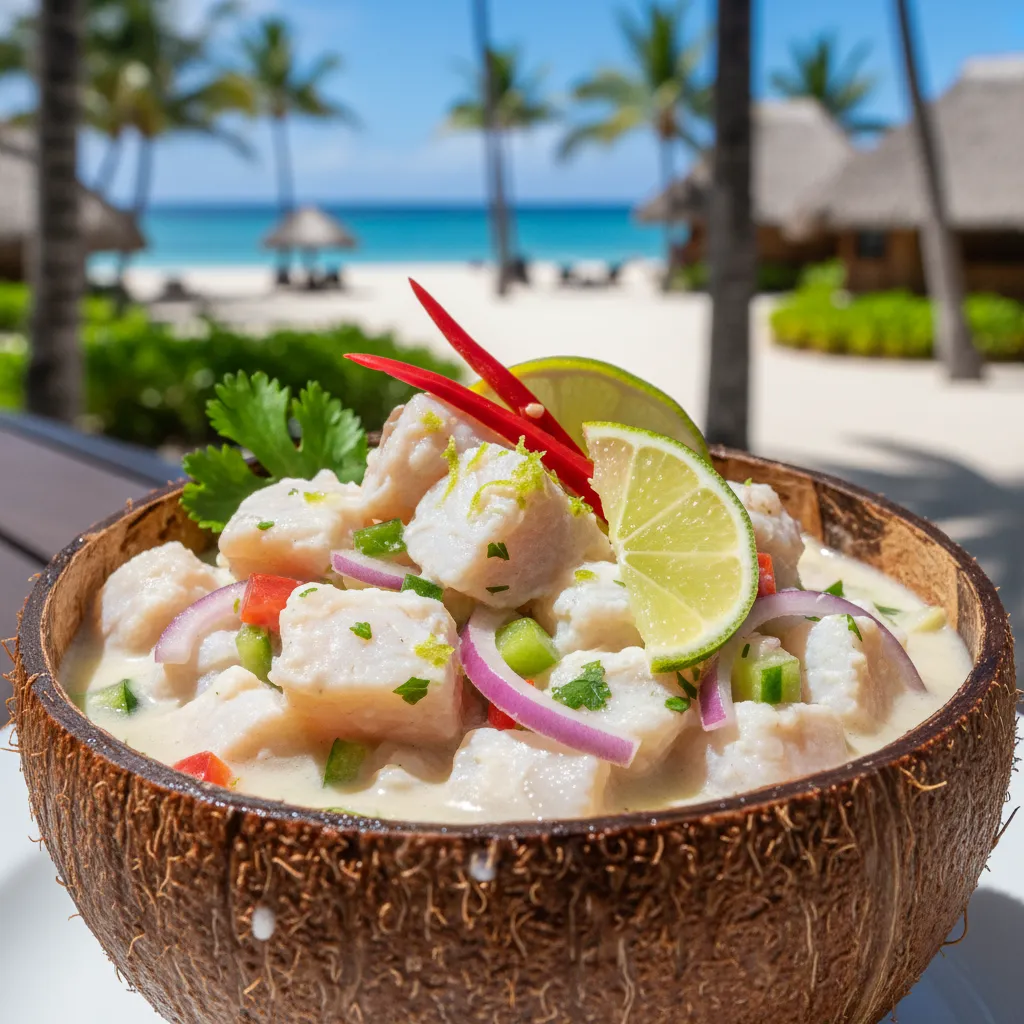
- Tu’s Place (Martintar): Famous for local Fijian food like Kokoda (raw fish in coconut cream) and Rourou balls. Mains are $20-$30 FJD. High quality, local price.
- Sitar Indian & Thai: Fiji has incredible Indian cuisine. A generous curry with rice and naan costs between $18-$25 FJD.
- Corner Bakeries: You can find cream buns and meat pies for under $5 FJD.
Supermarket Prices in Nadi: Self-Catering Guide
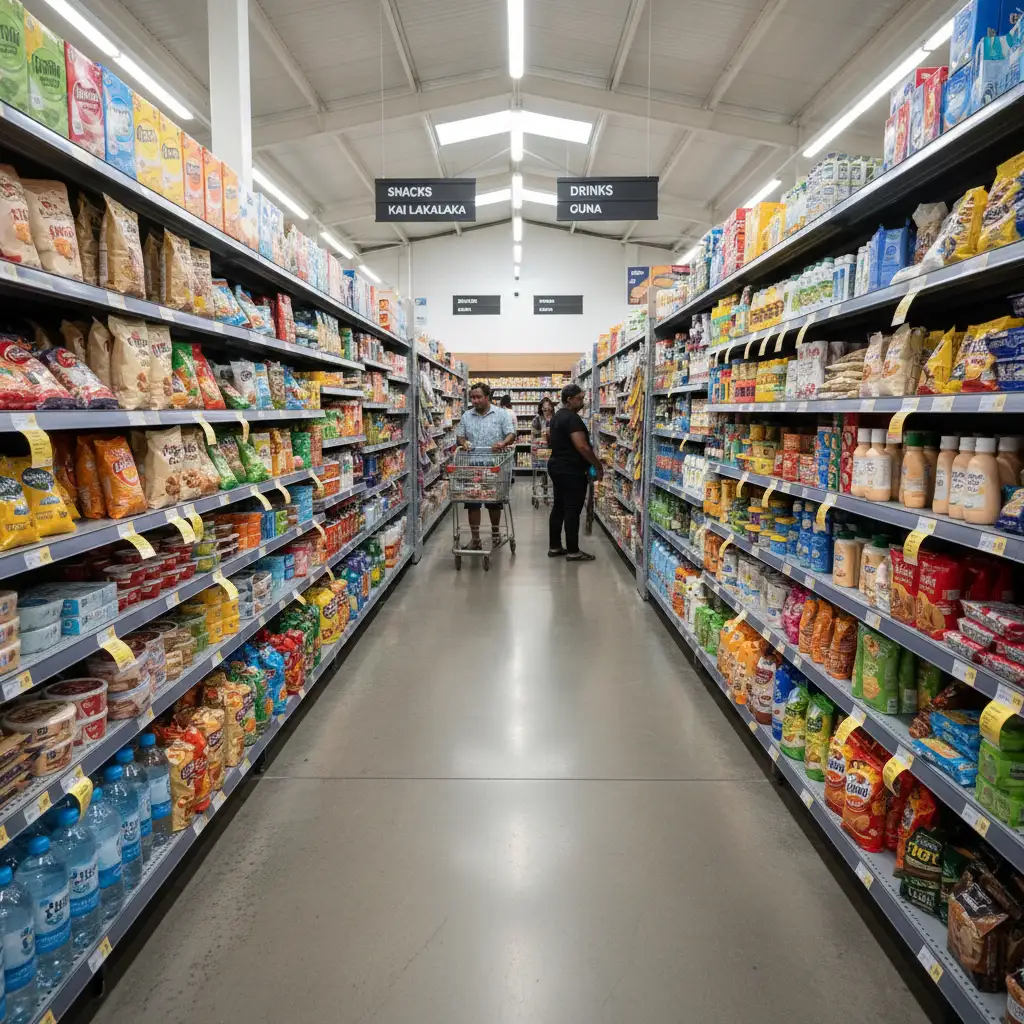
For families staying in apartments (like the Hilton villas or Airbnb rentals), a trip to the supermarket is the single best way to save money. The main supermarkets are New World, Morris Hedstrom (MH), and Fresh Choice. There is a well-stocked Fresh Choice at Denarau, but prices are higher than the supermarkets in Nadi Town or Namaka.
Average Grocery Costs (2024 Estimates)
Be aware that imported goods (cheese, specific NZ snack brands, chocolate) are expensive. Local produce is very cheap.
- Milk (1L UHT): $3.50 – $4.50 FJD (Fresh milk is harder to find and more expensive)
- Bread (Loaf): $2.50 – $4.00 FJD
- Eggs (Dozen): $10.00 – $12.00 FJD
- Local Bananas (Bunch): $3.00 – $5.00 FJD (Buy these at roadside stalls for better quality)
- Bottled Water (1.5L): $2.50 – $4.00 FJD in supermarkets (vs $12.00 in resorts)
- Beer (Local Fiji Gold/Bitter, Case of 24): $60 – $70 FJD
- Wine (NZ Sauvignon Blanc): $30 – $45 FJD (Often double the NZ shelf price)
- Packet of Chips: $5.00 – $8.00 FJD
The Cost of Water, Snacks, and Alcohol
The “hidden” costs of a Fiji holiday often come in liquid form. Staying hydrated in the tropical heat is mandatory, but resort water prices can be eye-watering.
Water Strategy
Tap water in Nadi and Suva is generally treated, but most tourists prefer bottled water to avoid any stomach upsets. At a resort, a 1.5L bottle of Fiji Water can cost $12 to $18 FJD. In a Nadi supermarket, a generic brand 1.5L bottle is $2.50 FJD.
Pro Tip: Buy a 6-pack or carton of large water bottles at a supermarket on your way from the airport to your hotel.
Alcohol Prices
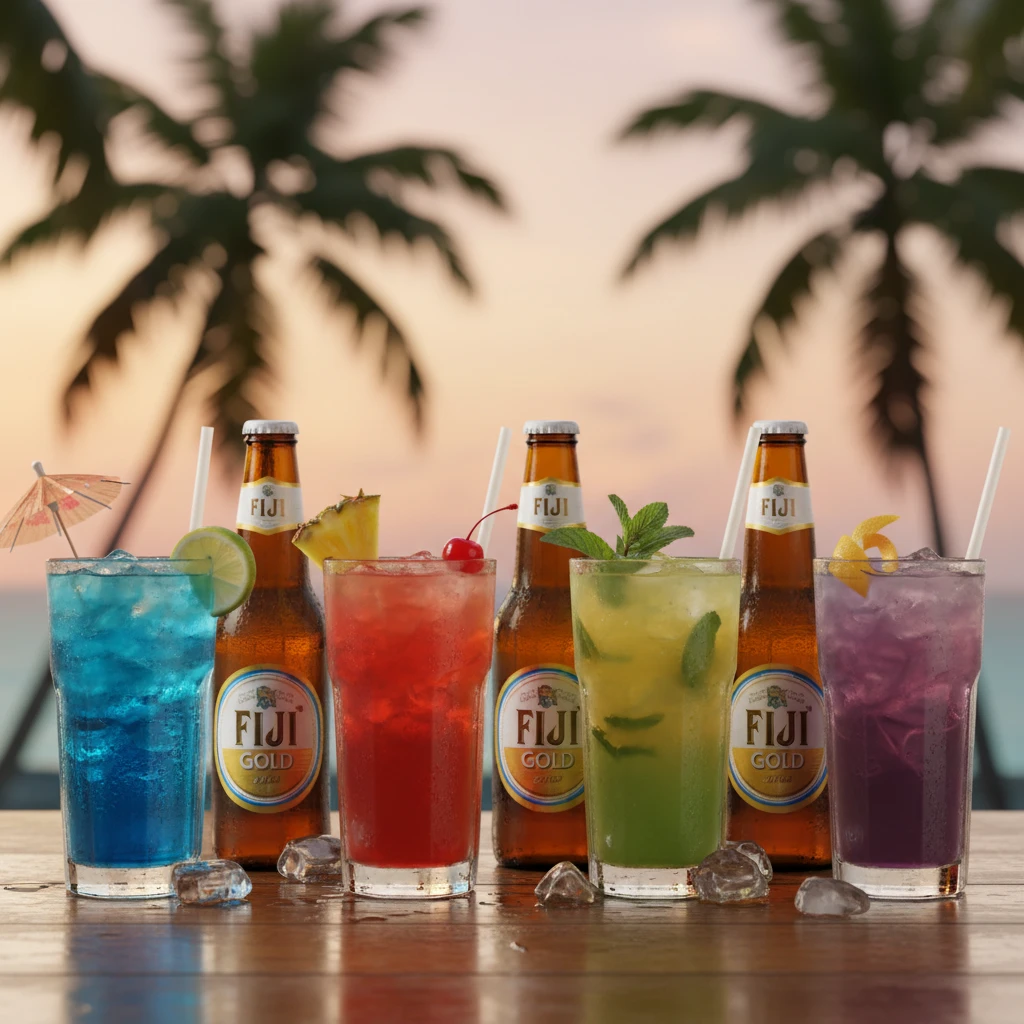
Alcohol is heavily taxed in Fiji. If you are buying cocktails by the pool, expect to pay $22 to $35 FJD ($16-$25 NZD) per drink. A stubby of local beer (Fiji Gold or Fiji Bitter) at a hotel bar costs $12 to $16 FJD.
The Duty-Free Loophole: New Zealand adults are allowed to bring up to 2.25 liters of spirits or 4.5 liters of wine/beer into Fiji duty-free. Maxing out this allowance at Auckland Airport or upon arrival at Nadi Airport (before customs) is the smartest financial move for parents who enjoy a sunset drink.
Money-Saving Tips for Kiwi Travelers
To keep the cost of food in Fiji for your family manageable without sacrificing the holiday vibe, follow these strategic tips:
- Pack the ‘Pack ‘n Save’ Bag: You are allowed to bring commercially packaged food into Fiji (declare it!). Kiwis often bring a suitcase filled with muesli bars, crackers, Marmite, instant noodles, and chips. This saves a fortune on mid-morning snacks for the kids.
- Eat Local Fruit: Skip the imported apples and oranges. Papaya, pineapple, watermelon, and bananas are incredibly cheap, fresh, and sold at roadside stalls everywhere.
- Heavy Lunch, Light Dinner: Lunch menus at resorts are often 30-40% cheaper than dinner menus for similar items. Have a big meal at 1:00 PM and a lighter snack or pizza for dinner.
- Check ‘Kids Eat Free’ Rules: Read the fine print. Sometimes this only applies if adults are dining at the same time, or only applies to the buffet, not the a la carte menu.
- Happy Hour is Your Friend: Most resorts have a Happy Hour (usually 4 PM – 6 PM) where drink prices are slashed by 50%.
Common Questions About Fiji Food Costs
Is food expensive in Fiji compared to New Zealand?
Generally, supermarket items and local dining are cheaper than in New Zealand. However, resort dining is comparable to or more expensive than Auckland restaurant prices due to the “tourist premium” and import costs. Alcohol and dairy are specifically more expensive in Fiji.
How much is a beer in Fiji?
A local beer (Fiji Gold or Bitter) costs between $12 and $16 FJD at a resort bar. In a supermarket or liquor store, a single bottle costs around $3.50 FJD, and a carton (24 pack) costs around $65 FJD.
Can you drink the tap water in Fiji?
While tap water is treated in major towns like Nadi and Suva, it is recommended that tourists stick to bottled water to avoid “Fiji Tummy,” as the mineral content and bacterial flora differ from New Zealand water. Always use bottled water in outer island resorts.
Do kids eat free in Fiji resorts?
Yes, many family-friendly resorts (such as the Naviti, Warwick, and Radisson Blu) offer “Kids Eat Free” programs. Usually, this applies to children under 12 dining from the kids’ menu or buffet when accompanied by a paying adult.
How much does a meal cost at Denarau Marina?
An average main meal at Denarau Marina costs between $35 and $55 FJD. A family of four should budget approximately $150 – $200 FJD for a dinner including soft drinks.
Should I bring food from New Zealand to Fiji?
Yes. Bringing snacks like muesli bars, chips, crackers, and biscuits is highly recommended. It saves money and ensures you have food your children definitely like. Ensure all food is commercially packaged and declared on your arrival card.