
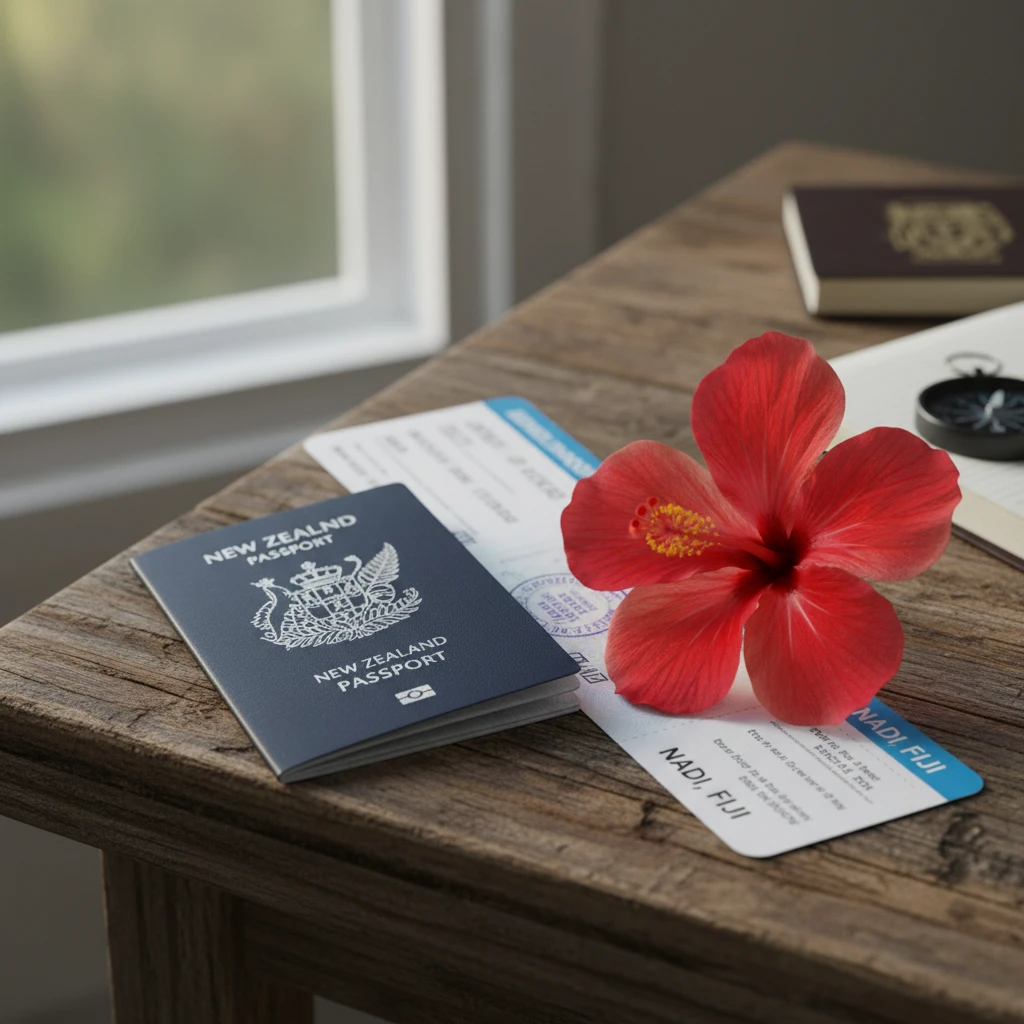
New Zealand citizens do not need a visa to enter Fiji for tourism purposes. Upon arrival, Kiwi travelers are granted a Visitor Permit valid for up to four months. Entry requires a passport with at least six months of validity remaining beyond the intended departure date, proof of onward travel, and accommodation details.
For New Zealanders craving a tropical escape, Fiji remains one of the most accessible and beloved destinations in the Pacific. The proximity, combined with the warm hospitality of the Fijian people, makes it a top choice for families, couples, and solo adventurers alike. However, even for short hops across the ocean, understanding the specific entry requirements is crucial to ensure your holiday begins without a hitch at Nadi International Airport.
While the short answer is that you do not need to apply for a visa beforehand, there are strict bureaucratic hurdles regarding passport validity, arrival declarations, and biosecurity that must be cleared. This comprehensive guide covers every aspect of the entry process for NZ passport holders.
Do NZ Citizens Need a Visa for Fiji? Understanding the Visitor Permit
New Zealand is classified as a “visa-exempt” country by the Fijian Department of Immigration. This means you do not need to visit a consulate or apply for an e-visa before you board your flight. However, this does not mean you can enter without documentation. Instead of a pre-arranged visa, you are issued a Visitor Permit upon arrival.
Duration of Stay
The standard Visitor Permit granted to New Zealand citizens is valid for a stay of up to four months. This is significantly longer than the standard 30 or 90 days offered by many other destinations, reflecting the close relationship between the two nations. This permit is strictly for tourism, visiting friends and relatives, or short-term medical treatment. It does not permit you to work, conduct business (beyond attending conferences), or study long-term.
The Critical 6-Month Passport Rule
The most common reason New Zealanders are denied boarding for flights to Fiji is passport validity. It is imperative to understand that Fiji enforces the six-month rule strictly.
Your passport must be valid for at least six months beyond your intended date of departure from Fiji.
Many travelers mistakenly believe the passport only needs to be valid for the duration of their stay. This is incorrect. If you plan to stay in Fiji for two weeks, and your passport expires in five months, you will likely be turned away at the check-in counter in Auckland, Wellington, or Christchurch.
Emergency Travel Documents
If you find yourself with an expired passport shortly before travel, be cautious about using a New Zealand Emergency Travel Document (ETD). While Fiji generally accepts these, entry is ultimately at the discretion of the immigration officer. It is highly recommended to obtain a standard passport renewal whenever possible. If you must travel on an ETD, ensure it meets the same validity criteria.
Essential Documents Checklist for Entry
To secure your Visitor Permit at the immigration desk in Nadi or Nausori, you must present more than just your passport. The immigration officers are tasked with ensuring that visitors have the means to support themselves and the intention to leave.
You should have the following documents ready (either printed or easily accessible on your phone):
- Proof of Onward Travel: You must hold a confirmed return ticket to New Zealand or a ticket to a third country where you have the right of entry. Standby tickets can sometimes cause issues; confirmed bookings are preferred.
- Proof of Accommodation: A printed booking confirmation for your hotel, resort, or Airbnb. If you are staying with friends or family, you should have a letter of invitation from your host that includes their full address and contact phone number.
- Proof of Funds: While rarely checked for short-term tourists staying at major resorts, immigration officers have the right to ask for proof that you can financially support your stay. A recent bank statement or credit card limit availability is usually sufficient.

Navigating the Fiji Arrival Card
Fiji has modernized its entry process, but the Arrival Card remains a critical component of border control. Traditionally a paper form handed out by flight attendants, Fiji is transitioning toward digital solutions, though paper forms are still widely used as backup.
The card collects information regarding:
- Your flight details and passport number.
- Your intended address in Fiji.
- Health declarations (recent illnesses).
- Customs and Biosecurity declarations.
Tip: Always carry a pen in your carry-on luggage. Flight attendants rarely have enough pens for the whole plane, and filling this out before you land saves significant time at the airport.
Biosecurity Rules: Don’t Get Fined
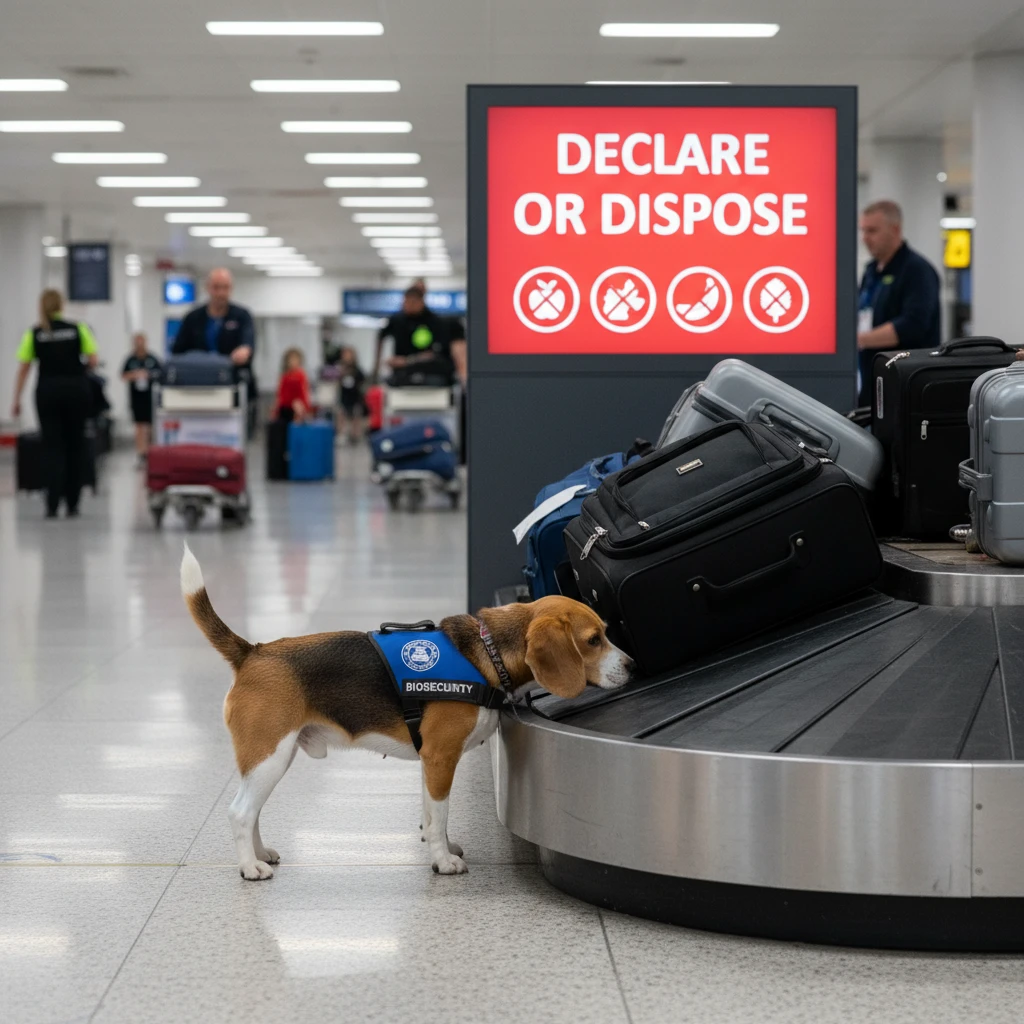
New Zealanders are well-acquainted with strict biosecurity rules at home (thanks to MPI), and Fiji operates with similar vigilance. The Biosecurity Authority of Fiji (BAF) works hard to protect the islands’ delicate ecosystem from foreign pests and diseases.
What Must Be Declared?
Failure to declare items can result in an instant fine of FJD $400 or more. You must declare:
- Food: Any fresh, cooked, or packaged food. This includes snacks you brought from home, honey, dairy products, and meat.
- Plants and Seeds: Wooden artifacts, flowers, seeds, or plant cuttings.
- Camping and Sports Gear: Hiking boots, tents, golf clubs, and fishing gear must be declared so they can be inspected for soil and seeds. Ensure these are thoroughly cleaned before travel.
- Animal Products: Feathers, bones, shells, or wool.
If you are unsure, declare it. The BAF officers are generally helpful; if you declare an item and it is not allowed, they will simply confiscate and destroy it. If you do not declare it and they find it, you will be fined.
Traveling with Children
Fiji is a premier family destination, but traveling with minors requires specific documentation, especially if both parents are not present.
If a child is traveling with only one parent, or with relatives (like grandparents) without either parent, immigration officials may request a Letter of Consent. This letter should be signed by the non-traveling parent(s) and authorize the travel. While not always asked for, having this document notarized or witnessed by a Justice of the Peace in NZ can prevent stressful delays at the border.
How to Extend Your Stay
If you fall in love with the islands and the initial four-month permit isn’t enough, New Zealand citizens are eligible to apply for an extension. You can apply to extend your Visitor Permit for an additional two months, bringing the total maximum stay to six months.
The Extension Process
To apply for an extension, you must visit a Department of Immigration office (located in Nadi, Suva, Lautoka, and Savusavu). You will need to provide:
- Your valid passport.
- A completed extension application form.
- Proof of sufficient funds for the extended period.
- A confirmed departure ticket reflecting the new date.
- The application fee (currently around FJD $96, but subject to change).
It is advisable to apply for this extension at least two weeks before your current permit expires.
Health and Travel Insurance
While Fiji does not currently mandate travel insurance for entry, traveling without it is a significant risk. New Zealand’s Reciprocal Health Agreements do not extend to Fiji. Public hospitals in Fiji may not meet the standards NZ citizens are accustomed to, and private medical care is expensive.
In the event of a serious injury or illness, medical evacuation back to New Zealand is often required. The cost of an air ambulance can exceed $50,000 NZD. Comprehensive travel insurance that covers medical evacuation, adventure activities (like diving or snorkeling), and flight disruptions is strongly recommended.

People Also Ask
Can I work in Fiji as a New Zealand citizen?
No, the standard Visitor Permit does not allow you to work in Fiji. If you intend to work, you must apply for a Work Permit before you arrive. Working on a visitor visa is illegal and can result in deportation and a ban from re-entering the country.
What happens if my passport expires in less than 6 months?
You will likely be denied boarding at the airport in New Zealand. Airlines face heavy fines for transporting passengers who do not meet entry requirements, so they check passport validity strictly. You will need to renew your passport urgently before you can travel.
Is there a departure tax for Fiji?
The departure tax is typically included in the price of your airline ticket. You generally do not need to pay a separate fee at the airport when leaving, but it is always worth checking your ticket breakdown to be sure.
Can I use my NZ driver’s license in Fiji?
Yes, you can drive in Fiji using a valid New Zealand driver’s license for the duration of your Visitor Permit. You do not need an International Driving Permit as long as your NZ license is in English (which it is).
Do I need vaccinations to enter Fiji?
Currently, there are no mandatory vaccination requirements for entry into Fiji for travelers arriving from New Zealand. However, it is recommended to be up to date with routine vaccines like measles-mumps-rubella (MMR) and tetanus.
Can I bring alcohol and tobacco into Fiji?
Yes, adults (18+) can bring duty-free allowances. Generally, this includes up to 2.25 liters of spirits or 4.5 liters of wine or beer, and up to 200 cigarettes or 200g of tobacco. Exceeding these limits requires declaring the items and paying duty.