
When determining what to pack for a Fiji holiday, prioritize lightweight, breathable fabrics like linen and cotton, high-SPF reef-safe sunscreen, and sturdy reef shoes to protect against coral. Essential items include modest clothing (covering knees and shoulders) for village visits, strong insect repellent containing DEET or Picaridin, and a comprehensive first-aid kit. New Zealand travelers can use their standard Type I electronics without adapters.
The Essentials: Travel Documents & Money
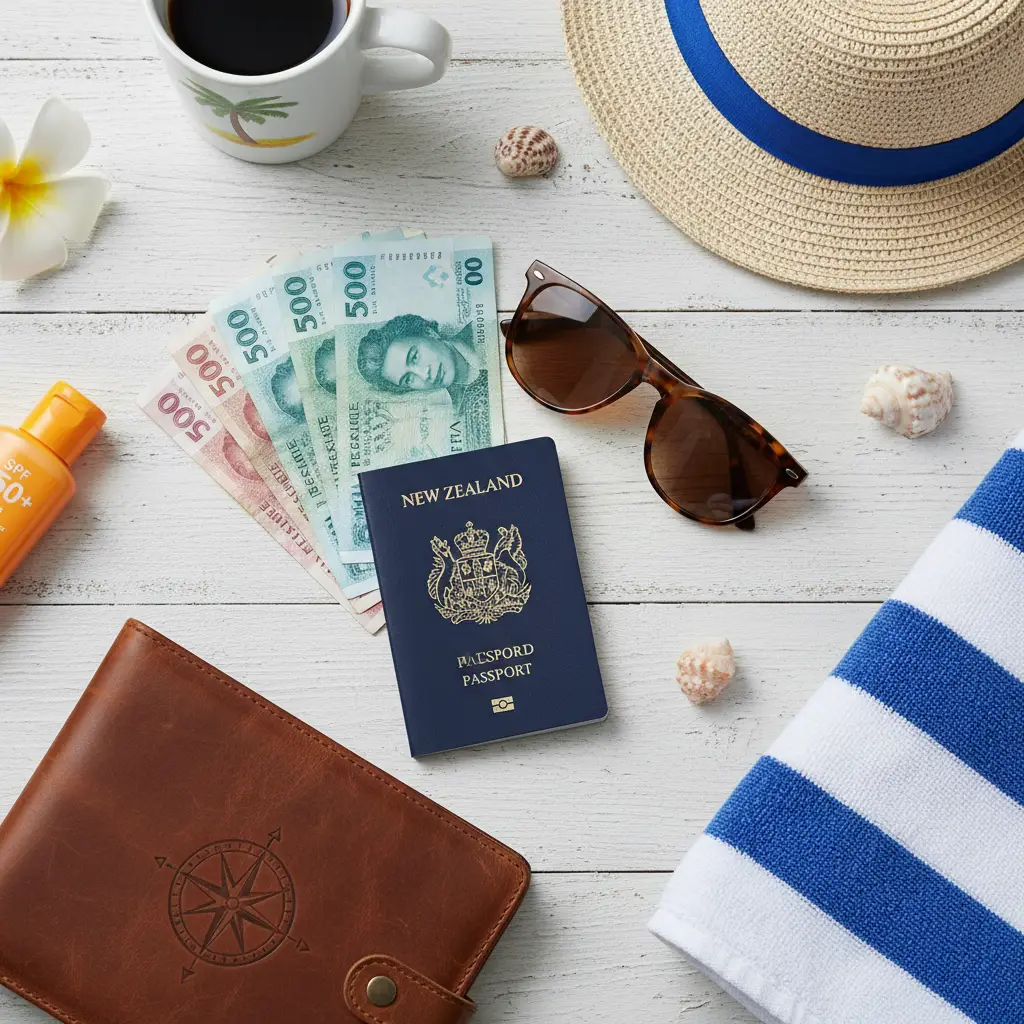
Before you even think about swimwear and sunhats, the administrative foundation of your trip must be solid. For New Zealand travelers, Fiji is an accessible paradise, but strict border controls still apply.
Passport and Visa Requirements
Ensure your New Zealand passport is valid for at least six months beyond your intended stay. This is a non-negotiable rule for entry into Fiji. New Zealand citizens are generally granted a visitor visa on arrival for stays of up to four months, provided you can show proof of onward travel (your return ticket) and sufficient funds for your holiday.
Currency and Cards
The currency is the Fijian Dollar (FJD). While credit cards (Visa and Mastercard) are widely accepted at major resorts and tourist hubs in Nadi and Suva, cash is king in smaller villages, local markets, and for transport. We recommend exchanging some NZD to FJD before departure or at Nadi International Airport upon arrival. Always carry small denominations for tipping and purchasing handicrafts.
Clothing Guide: From Resort to Village
Fiji’s tropical climate calls for specific fabrics and styles. The humidity can be intense, so synthetic fabrics that don’t breathe well should be left in Auckland. Focus on loose-fitting natural fibers.
Resort Wear: The “Bula” Vibe
Inside your resort, the dress code is casual and relaxed.
- Swimwear: Pack at least three pairs of togs (swimwear). Humidity means things take longer to dry, so you will want a rotation.
- Daywear: Kaftans, sarongs, board shorts, and singlets are perfect for breakfast and lounging by the pool.
- Evening Wear: Most resorts have a “smart casual” evening code. For men, a collared shirt (Bula shirts are popular) and dress shorts are acceptable. For women, a maxi dress or nice sandals work well.
What to wear for village visits?
One of the most critical aspects of your packing list is cultural respect. When leaving the resort to visit a local Fijian village, modesty is mandatory. Fijian culture is conservative, and showing too much skin is considered disrespectful.
The Golden Rules for Village Attire:
- Cover the Knees: Both men and women should wear clothing that covers the knees. The traditional Sulu (similar to a sarong) is the best option. You can buy these locally or bring a large sarong to wrap around your waist.
- Cover the Shoulders: Avoid singlets, tank tops, or spaghetti straps. Wear a t-shirt or a blouse that covers the shoulders.
- No Hats: It is strictly forbidden to wear a hat or sunglasses on top of your head inside a village, as the head is considered sacred. Pack a hat for the boat ride, but take it off before you step onto village soil.

Footwear Essentials
Leave the high heels at home; the terrain in Fiji is uneven, sandy, or grassy.
- Jandals (Flip-flops): Essential for easy transition from room to pool.
- Reef Shoes: This is a safety critical item. Fiji’s coral reefs are beautiful but sharp. Stonefish are also a risk in shallow waters. Sturdy, enclosed reef shoes protect your feet from cuts and infections.
- Walking Shoes: If you plan on hiking the sand dunes at Sigatoka or visiting waterfalls, breathable sneakers are required.
Sun, Sea, and Safety: Health Essentials
The tropical sun in Fiji is significantly stronger than in New Zealand. Burn times are short, and the UV index is often extreme.
What is Reef-Safe Sunscreen?
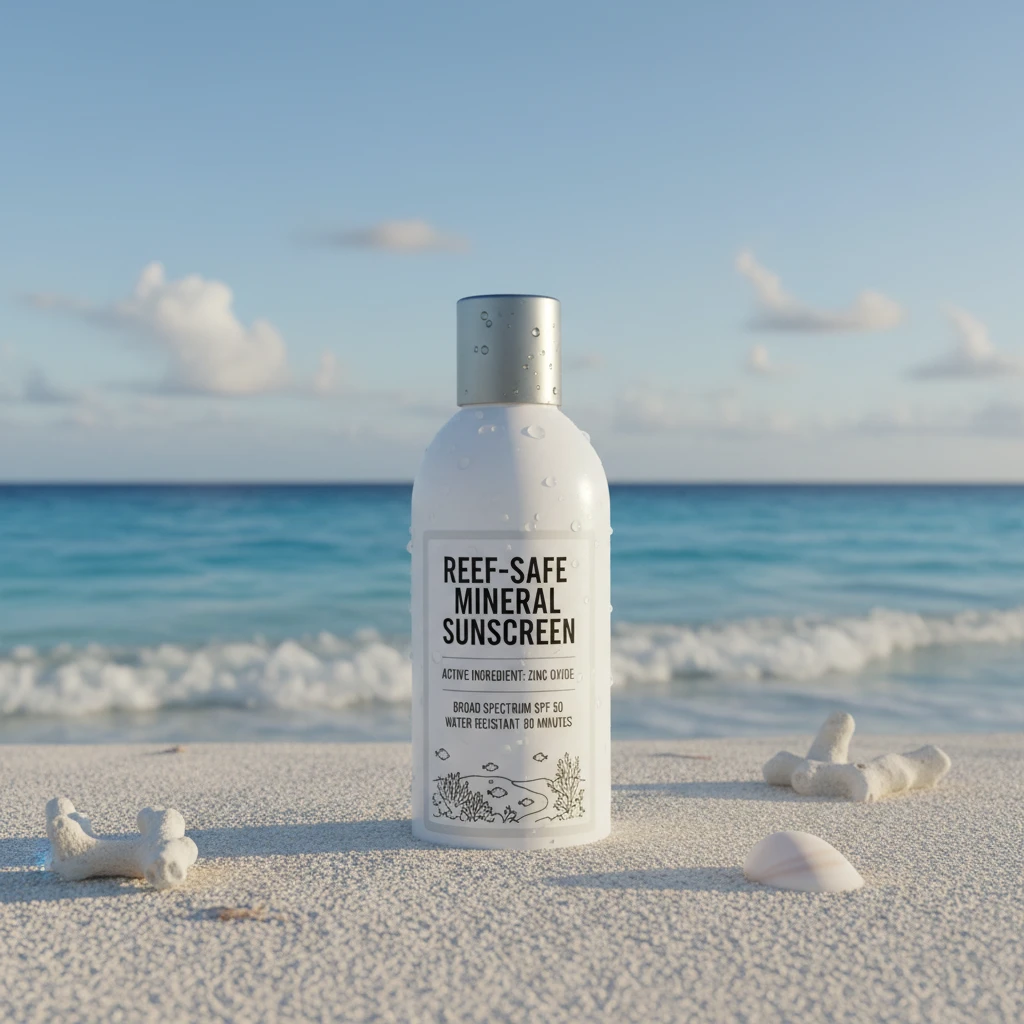
Standard sunscreens often contain chemicals like Oxybenzone and Octinoxate, which bleach coral and kill marine life. Fiji is protecting its marine ecosystem, and you should too.
Look for “Reef-Safe” labels that utilize physical blockers rather than chemical ones. Key ingredients to look for are Zinc Oxide or Titanium Dioxide (non-nano). Brands readily available in NZ like Skinnies, My Sunshine, or Surfer’s Skin are excellent choices to pack. You will use more than you think, so pack at least two large tubes.
Insect Protection
Mosquitoes in Fiji can carry Dengue Fever, particularly during the wet season. While resorts fog for bugs, off-site excursions expose you to bites.
- Repellent: Bring a repellent containing DEET (at least 20-40%) or Picaridin. Natural citronella often isn’t strong enough for tropical mosquitoes.
- Clothing: Light-colored long sleeves and pants for dusk and dawn help minimize bites.
First Aid Essentials
While pharmacies are available in Nadi and Suva, island resorts can be isolated. A basic medical kit is vital.
- Antiseptic Cream & Plasters: In the tropics, small cuts can get infected quickly (coral cuts especially). Treat every scratch immediately.
- Rehydration Salts: Dehydration happens fast with heat and alcohol.
- Sea Sickness Medication: If you are transferring to an island resort by boat, the crossing can get choppy.
- Antihistamines: For insect bites or mild allergic reactions.
- Hand Sanitizer: Useful for day trips where running water might not be available.
Electronics and Connectivity
Staying connected (or disconnecting completely) requires the right gear. The good news for Kiwis is the hardware compatibility.
Do I need a power adapter for Fiji?
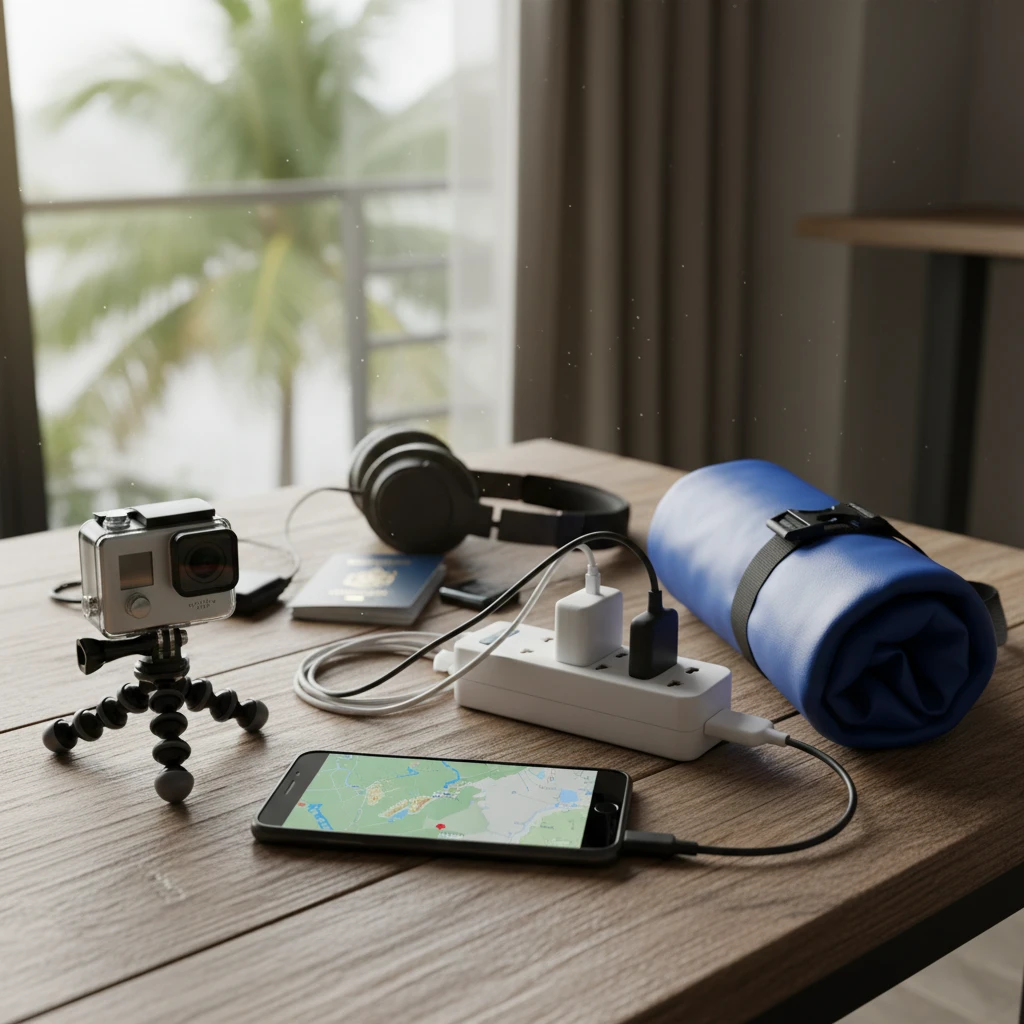
No. Fiji uses the same Type I plug outlet as New Zealand and Australia. The voltage is also 240V. You do not need a travel adapter for your plugs. However, hotel rooms often have limited outlets. We recommend packing a small power board (multi-plug) so you can charge your phone, camera, and kindle simultaneously using just one wall socket.
Camera Gear
Fiji is visually stunning. Beyond your smartphone, consider:
- Underwater Camera/GoPro: For snorkeling and diving.
- Floaty Strap: If you take your device in the water, ensure it floats.
- Dry Bag: Essential for boat transfers to keep gear safe from spray.
What NOT to Pack for Fiji
Save space and avoid trouble at customs by leaving these items behind:
- Heavy Clothing: Jeans, leather jackets, and heavy hoodies will not be worn. It is too hot and humid.
- Single-Use Plastics: Fiji is moving towards banning single-use plastics to protect the ocean. Avoid bringing plastic shopping bags.
- Fresh Food: Fiji has strict biosecurity laws similar to NZ. Do not bring fresh fruit, vegetables, or meat products. Packaged snacks are generally fine but must be declared.
- Camouflage Clothing: In some Pacific nations, camo is reserved for the military. While less strictly enforced in Fiji than elsewhere, it is best avoided to prevent confusion.
Seasonal Considerations: Wet vs. Dry Season
Your packing list should tweak slightly depending on when you travel.
Dry Season (May to October): This is the peak season. The evenings can actually get “cool” (around 18-20°C) when the trade winds blow. A light cardigan or windbreaker is recommended for boat rides and evening dinners.
Wet Season (November to April): Higher humidity and temperatures. Rain usually comes in short, heavy bursts. A lightweight, fold-up poncho is more practical than a heavy raincoat. Pack extra changes of clothes as things take longer to dry in the high humidity.
Frequently Asked Questions
Do New Zealanders need a power adapter for Fiji?
No, New Zealanders do not need a power adapter. Fiji uses the same Type I plug configuration and 240V voltage as New Zealand and Australia.
Can I take food into Fiji from NZ?
You can take commercially packaged foods (like biscuits, chocolates, or muesli bars), but you must declare them on your arrival card. Fresh fruit, vegetables, meat, and dairy are generally prohibited to protect Fiji’s biosecurity.
What is the dress code for Fiji villages?
Village dress codes are conservative. Both men and women must cover their shoulders and knees. Hats and sunglasses must be removed from your head before entering the village boundaries as a sign of respect to the chief.
Is sunscreen expensive in Fiji?
Yes, sunscreen is significantly more expensive in Fiji than in New Zealand, especially at resort gift shops. It is highly recommended to buy your reef-safe sunscreen in NZ and pack it in your checked luggage.
Do I need cash in Fiji?
While resorts accept cards, cash is necessary for local markets, handicraft purchases, village donations, and small tips. It is advisable to carry some Fijian currency (FJD) in small denominations.
What constitutes reef-safe sunscreen?
Reef-safe sunscreen is free from chemicals like Oxybenzone and Octinoxate which damage coral DNA. Look for mineral-based sunscreens where the active ingredient is non-nano Zinc Oxide or Titanium Dioxide.