
The best time to visit Fiji for weather is during the dry season, specifically from May to October. These months offer the most comfortable climate for New Zealand travelers, featuring lower humidity, minimal rainfall, and pleasant temperatures averaging 26°C (79°F). This period avoids the cyclone season and provides optimal conditions for swimming, diving, and outdoor exploration.
Introduction
For New Zealanders, Fiji represents the quintessential tropical escape. Just a short flight from Auckland, Wellington, or Christchurch, this archipelago offers a stark contrast to the often unpredictable Kiwi climate. However, choosing the best time to visit Fiji weather-wise is critical to ensuring your holiday investment results in sun-drenched memories rather than cabin fever during a tropical depression.
Fiji enjoys a tropical maritime climate without extreme cold, but the variation in rainfall and humidity between seasons is significant. While you can technically visit year-round, understanding the nuances of the trade winds, the risk of cyclones, and the seasonal shifts in water clarity will help you plan the perfect itinerary. Whether you are looking to surf the Cloudbreak, snorkel in the Yasawas, or simply relax by a pool in Denarau, timing is everything.
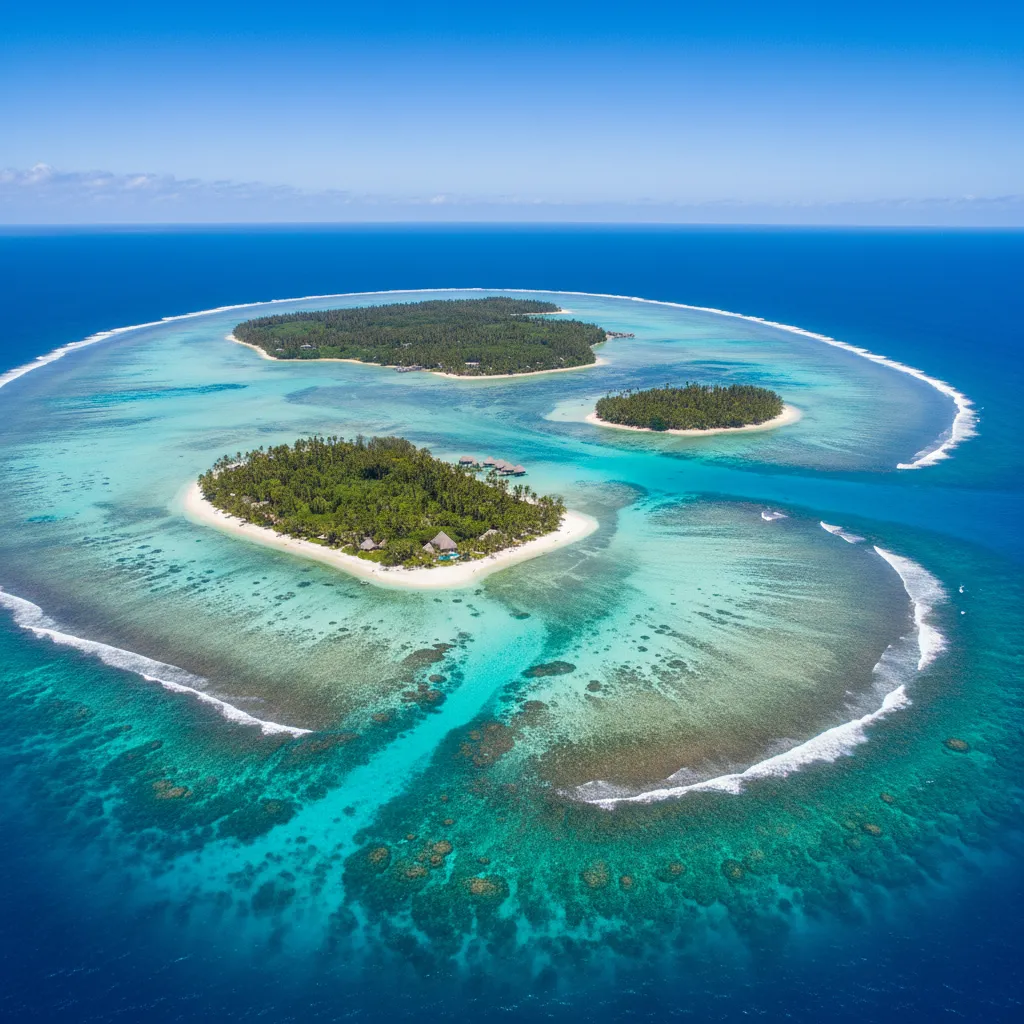
Fiji Weather Overview: The Two Main Seasons
Unlike New Zealand, which experiences four distinct seasons, Fiji essentially has two: the warm, dry season (Winter) and the hot, wet season (Summer). Understanding the distinction between these two is the first step in planning your trip.
The Dry Season (May to October)
This is widely considered the peak season for tourism. During these months, the southeast trade winds bring cooling breezes, known locally as the “Fiji Winter.” For Kiwis, this “winter” is warmer than a Northland summer. The humidity drops significantly, making sleeping without air conditioning more comfortable, and the risk of rain is minimal. This is the safest bet for families and those planning outdoor weddings.
The Wet Season (November to April)
Also known as the “Fiji Summer,” this period is characterized by higher temperatures, heavy humidity, and increased rainfall. While it rains frequently, it typically comes in short, intense bursts in the late afternoon, followed by sunshine. The landscape is lush and vibrant green during this time. However, this season also coincides with the cyclone belt, posing potential travel disruptions.
Month-by-Month Weather Breakdown
To pinpoint the best time to visit Fiji weather conditions for your specific needs, a granular look at the calendar is essential.
January to March: The Heart of the Wet Season
These are the hottest and wettest months. Temperatures often soar above 31°C (88°F), and humidity can feel oppressive to those not acclimated to the tropics.
- Weather: High humidity, frequent afternoon thunderstorms.
- Pros: Low accommodation rates (outside of NZ school holidays), uncrowded resorts, warmest water temperatures.
- Cons: Peak cyclone risk, mosquitoes are more prevalent.
April and May: The Shoulder Season
April marks the transition. The rains begin to subside, and the humidity breaks. May is arguably one of the best kept secrets for Fiji travel.
- Weather: Drying out, pleasant evenings, lush landscapes from the recent rains.
- Pros: Great value for money, fewer crowds before the winter rush.
- Cons: Occasional lingering showers in early April.
June to September: Peak Dry Season
This coincides with the New Zealand winter, making it the most popular time for Kiwis to escape the cold.
- Weather: Dry, sunny, low humidity. Nights can be cool (dropping to 18-20°C), requiring a light cardigan.
- Pros: Perfect weather, highest visibility for diving, minimal mosquito activity.
- Cons: Highest prices, accommodation sells out months in advance (especially during July school holidays).

October and November: The Pre-Summer Shoulder
Similar to May, this shoulder season offers a sweet spot. The trade winds die down, and temperatures start to rise before the heavy rains return.
- Weather: Warming up, calm seas, sporadic rainfall begins in late November.
- Pros: Excellent for boat trips due to calm waters, good balance of price and weather.
- Cons: Humidity begins to creep up.
December: The Festive Wet Season
December sees the return of the wet season, but it remains a peak travel time due to Christmas and New Year holidays.
- Weather: Hot and humid. Early month is often drier than late month.
- Pros: Festive atmosphere, warm ocean.
- Cons: Expensive despite the weather risk, cyclone season has officially begun.
Understanding Cyclone Season Risks (Nov-April)
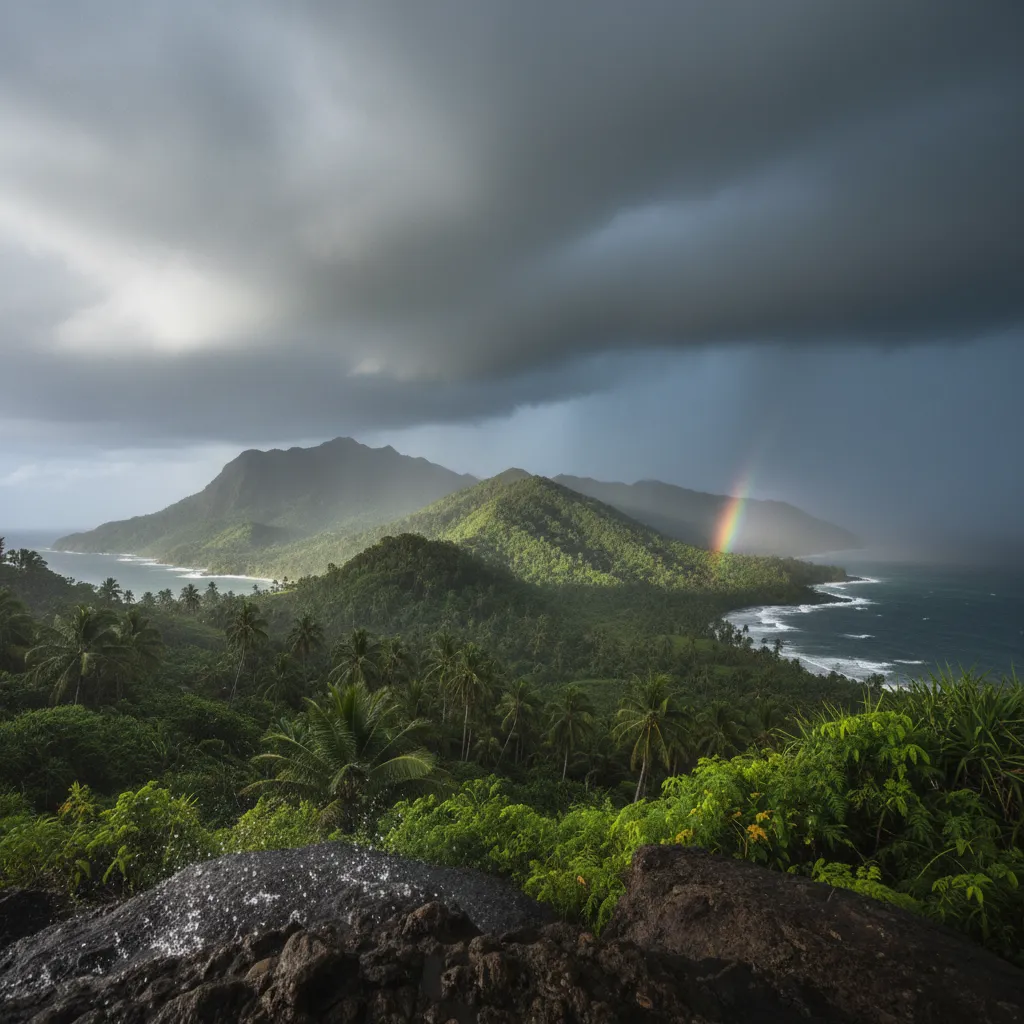
When researching the best time to visit Fiji for weather, one cannot ignore the tropical cyclone season. Officially running from November 1st to April 30th, the peak risk period is usually January through March.
Fiji is located in a cyclone belt. While a direct hit is not an annual occurrence, tropical depressions causing high winds, rough seas, and torrential rain are common. For New Zealand travelers, this means:
- Flight Cancellations: Cyclones can ground flights for days.
- Outer Island Isolation: Ferries to the Yasawas or Mamanucas may be cancelled, stranding you on the main island or your resort.
- Travel Insurance: It is absolutely non-negotiable during these months. Ensure your policy covers natural disasters and trip disruption.
However, modern meteorological tracking is excellent. You will typically have days of warning before a system hits. Many resorts have robust cyclone procedures in place.
Water Temperature & Swimming Conditions
One of the primary reasons Kiwis flock to Fiji is the ocean. Unlike the bracing waters of the Cook Strait or even the Bay of Plenty, Fiji offers bathtub-like conditions year-round.
Seasonal Variations in Water Temp
The water temperature in Fiji is remarkably consistent but does fluctuate slightly:
- Summer (Wet Season): Water temperatures peak around 28°C – 30°C (82°F – 86°F). It can feel like stepping into a warm bath. This is ideal for those who get cold easily, though it can be less refreshing on a hot day.
- Winter (Dry Season): Water temperatures drop to approximately 25°C – 26°C (77°F – 79°F). For most New Zealanders, this is still incredibly warm and perfectly comfortable for prolonged snorkeling or swimming sessions without a wetsuit.
Visibility for Divers
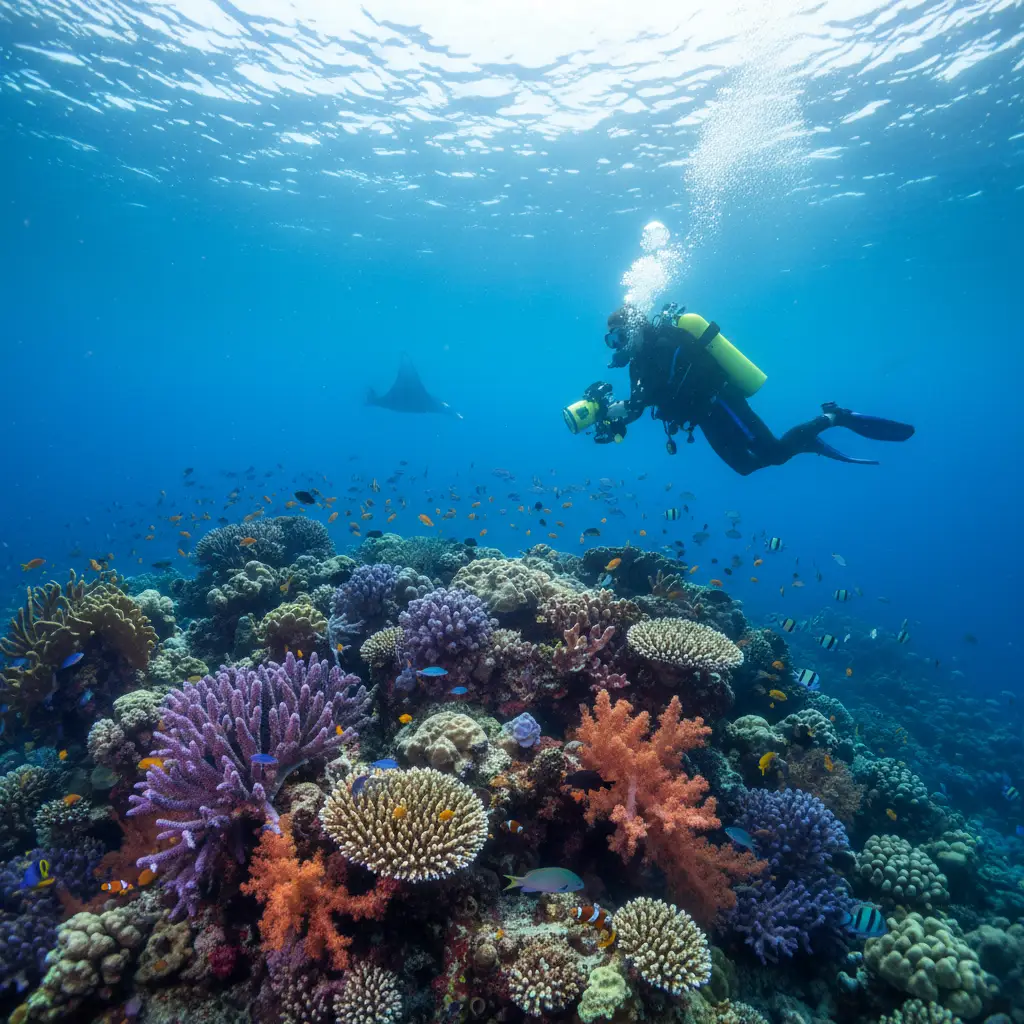
If your definition of the “best time to visit” involves underwater exploration, the Dry Season (June to September) is superior. The lack of river runoff from heavy rains means underwater visibility extends to over 30 meters (100 feet). During the wet season, visibility can decrease near the main islands due to sediment runoff.
Humidity Levels: What to Expect
Humidity is the silent factor that can affect your comfort level significantly. Fiji is a tropical nation, so some humidity is a given, but the intensity changes.
During the Wet Season, humidity levels average between 80% and 100%. This can make 30°C feel like 38°C. You will sweat immediately upon stepping outside. This is manageable if you plan to spend your entire day in the water, but can be draining for hiking or land-based tours.
During the Dry Season, the southeast trade winds act as nature’s air conditioning. While the sun is hot, the breeze keeps the perceived temperature comfortable. Humidity drops, making it the ideal time for exploring local villages, zip-lining, or hiking the Sigatoka Sand Dunes.
Best Time to Visit Based on Activities
The best time to visit Fiji weather-wise might shift depending on your specific passion:
Surfing
Fiji is a world-class surf destination. The winter months (April to October) bring the biggest swells, generated by low-pressure systems in the Tasman Sea (the same ones that hit NZ). This is when breaks like Cloudbreak are at their most legendary. Summer offers smaller, cleaner waves, better for beginners.
Manta Ray Season
If you want to swim with Manta Rays in the Yasawas (specifically the Drawaqa Channel), the season runs generally from May to October. This aligns perfectly with the best weather.
Game Fishing
Fishing is good year-round, but different species peak at different times. Tuna is best in the summer months, while Wahoo and Spanish Mackerel are prevalent in the winter.
Key Considerations for New Zealand Travelers
When planning your trip from NZ, weather isn’t the only factor. You must balance the climate with logistics.
School Holidays
The New Zealand school holidays (April, July, September/October, and December/January) see a massive influx of families.
- July Holidays: Best weather, highest prices, most crowded.
- December/January Holidays: High cyclone risk, very hot, but festive.
- September/October Holidays: Often the “Goldilocks” period—good weather and slightly less chaotic than July.
Flight Pricing
Air New Zealand and Fiji Airways offer regular sales. The cheapest flights are usually found during the wet season (February/March) or the shoulder months (May/November). If you are flexible and can tolerate a bit of rain, traveling in February can save a family of four thousands of dollars compared to July.
People Also Ask
What is the rainiest month in Fiji?
March is typically the rainiest month in Fiji. It falls at the peak of the wet season and is often associated with the highest risk of tropical cyclones and heavy afternoon downpours.
Is it worth going to Fiji in November?
Yes, November is a great time to visit. It is a shoulder month where the crowds are thinner, and prices are lower than in peak winter. While humidity starts to rise, the heavy rains usually haven’t fully set in yet.
Do I need a wetsuit in Fiji?
Generally, no. Water temperatures range from 25°C to 30°C. However, if you are planning deep dives in July or August (winter), or get cold easily, a thin 3mm “shorty” wetsuit or a rash guard can provide extra comfort.
When is hurricane season in Fiji?
The hurricane (cyclone) season in Fiji runs from November to April. The highest probability of significant storm activity usually occurs between January and March.
What is the hottest month in Fiji?
January and February are the hottest months, with average daytime highs around 31°C (88°F). However, the high humidity can make the “feels like” temperature significantly higher.
Which side of Fiji has the best weather?
The Mamanuca and Yasawa island groups, as well as the western side of Viti Levu (Nadi/Denarau), are generally sunnier and drier than the eastern side (Suva/Pacific Harbour), which receives significantly more rainfall due to the trade winds.