
The best snorkeling in Fiji is found in the Yasawa Islands for manta ray encounters, the Great Astrolabe Reef for pristine hard corals, and the Mamanuca Islands for accessible house reefs. For thrill-seekers, Beqa Lagoon offers world-class soft coral ecosystems, making Fiji a premier underwater destination just a short flight from New Zealand.
For New Zealand travelers, Fiji represents the quintessential tropical escape. With a flight time of under four hours from Auckland, you can trade the crisp Kiwi air for the humid embrace of the South Pacific in a single morning. While many visit for the beaches and the Bula spirit, the true magic of this archipelago lies beneath the surface. Fiji is known as the “Soft Coral Capital of the World,” offering a kaleidoscope of marine biodiversity that rivals any destination on the planet.
Whether you are a seasoned diver looking to complete your logbook or a family seeking a safe lagoon for snorkeling, Fiji caters to every level of aquatic enthusiasm. This guide explores the premier locations for underwater exploration, tailored specifically for the New Zealand market.
Where can you snorkel with Manta Rays in Fiji?
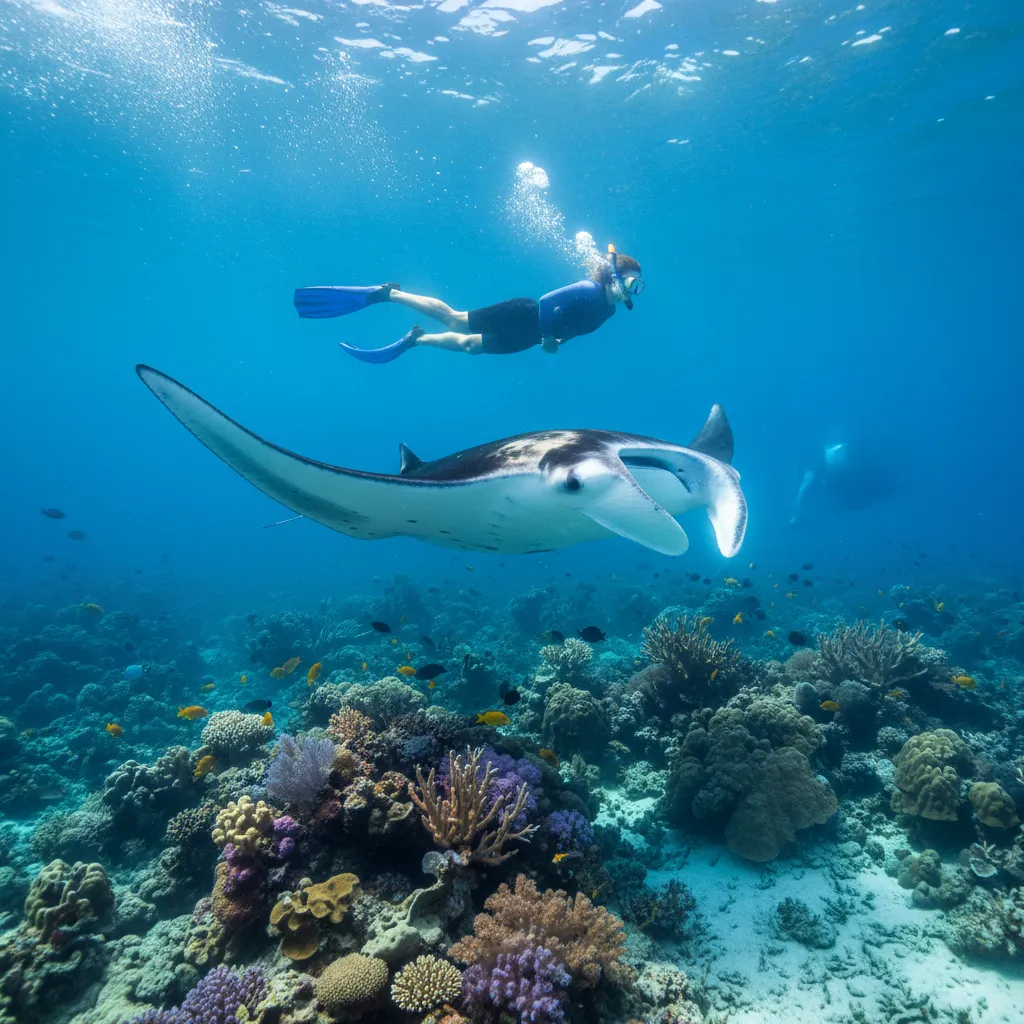
One of the most profound experiences a snorkeler can have is sharing the water with a manta ray. These gentle giants, with wingspans reaching up to four meters, are filter feeders that glide through the ocean with an ethereal grace. For New Zealanders used to the colder waters of the Poor Knights, the warm, crystal-clear waters of the Yasawa Islands offer a distinct advantage.
The Drawaqa Channel
The epicenter of manta ray activity in Fiji is the narrow channel between Nanuya Balavu and Drawaqa Island in the Yasawa group. This channel acts as a funnel for nutrient-rich plankton, which attracts the rays. Unlike scuba diving, which can sometimes disturb these creatures with bubbles, snorkeling is the preferred method of interaction here. It is quiet, non-intrusive, and allows you to float on the surface while the rays perform underwater acrobatics beneath you.
Best Time to Visit
Seasonality is critical when planning a trip specifically for manta rays. The season generally runs from May to October. This aligns perfectly with the New Zealand winter, offering a warm escape during the coldest months back home. During peak season, sightings are almost daily, though nature offers no guarantees.
Resort Proximity
Resorts like Barefoot Manta Island Resort and Mantaray Island Resort are situated directly adjacent to the channel. These operators have a “manta call” system—a drum beat or bell that signals guests to grab their fins and mask immediately when rays are spotted. This proximity ensures you maximize your chances of an encounter without long boat rides.
What makes Beqa Lagoon famous for diving?
While snorkeling offers tranquility, Beqa Lagoon (pronounced “Benga”) offers adrenaline. Located just south of Viti Levu, easily accessible from Pacific Harbour, this area is world-renowned for its shark dives. For Kiwi travelers seeking a thrill beyond the bungee jumps of Queenstown, the Beqa Lagoon shark dive is the ultimate underwater rush.
The Shark Dive Experience
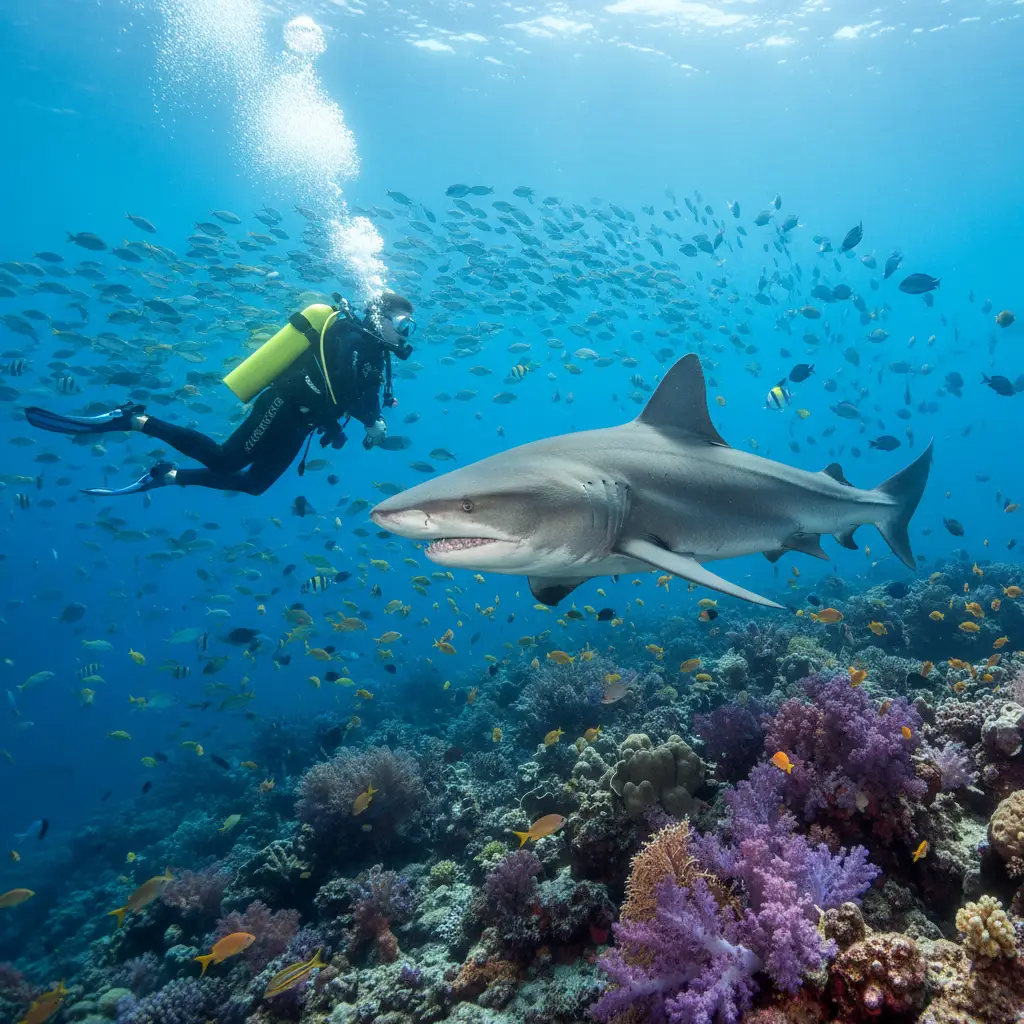
The shark dive in Beqa Lagoon is unique because it is a cageless dive that attracts up to eight different species of sharks. The main attractions are the massive Bull Sharks and the occasional Tiger Shark. Divers descend to a depth of roughly 30 meters (or shallower observation ledges) and watch as feeders interact with these apex predators. It is a highly controlled environment with strict safety protocols, yet the feeling of being in the water with 50+ large sharks is indescribable.
Snorkeling in Beqa Lagoon
If diving with Bull Sharks sounds too intense, Beqa Lagoon is still a top-tier destination for snorkeling. The lagoon is protected by roughly 30 kilometers of barrier reef, creating calm, pool-like conditions on the inside. The soft corals here are legendary. You will see vibrant dendronephthya corals in hues of pink, purple, and orange swaying in the current. The shallow tops of these bommies (coral pinnacles) are perfect for snorkelers, often sitting in less than 5 meters of water, teeming with anthias, butterflyfish, and clownfish.
Which Fiji resorts have the best house reefs?
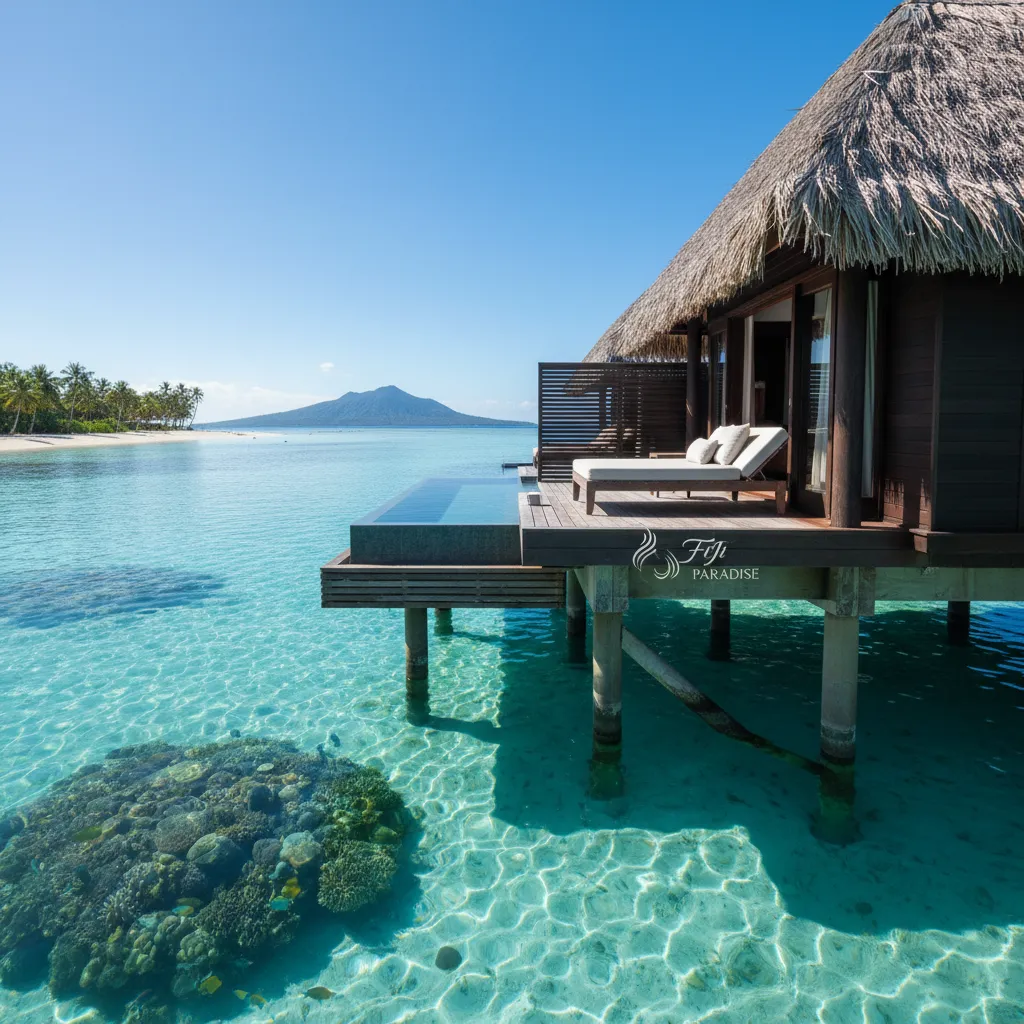
For many travelers, the “best snorkeling in Fiji” means the ability to walk out of your bure, put on your fins, and be immediately immersed in a coral wonderland. This is known as a “house reef.” Not all resorts have them; some require boat trips to reach good snorkeling sites. For families and relaxed snorkelers, a good house reef is a major convenience factor.
The Mamanuca Islands
The Mamanucas are the closest island group to Nadi International Airport, making them a favorite for New Zealanders on shorter 5-7 day trips.
- Tokoriki Island Resort: Known for its upscale atmosphere, the house reef here is extensive and protected. You can spot turtles and reef sharks just meters from the beach.
- Castaway Island: A family favorite, Castaway has a accessible reef that wraps around the point. The water is generally calm, making it excellent for children learning to snorkel.
Vanua Levu and Taveuni
If you are willing to take a domestic flight, the house reefs improve dramatically in health and diversity.
- Jean-Michel Cousteau Resort (Vanua Levu): Founded by the son of the legendary Jacques Cousteau, this resort places a massive emphasis on marine conservation. The house reef is immaculate, and the resort employs resident marine biologists who guide snorkeling trips, adding an educational layer that is fantastic for kids and adults alike.
- Paradise Taveuni: Located on the “Garden Island,” this resort’s house reef drops off into deep water quickly, allowing snorkelers to see pelagic species patrolling the wall edge while staying in safe, shallow water.
Why is the Rainbow Reef a must-see?
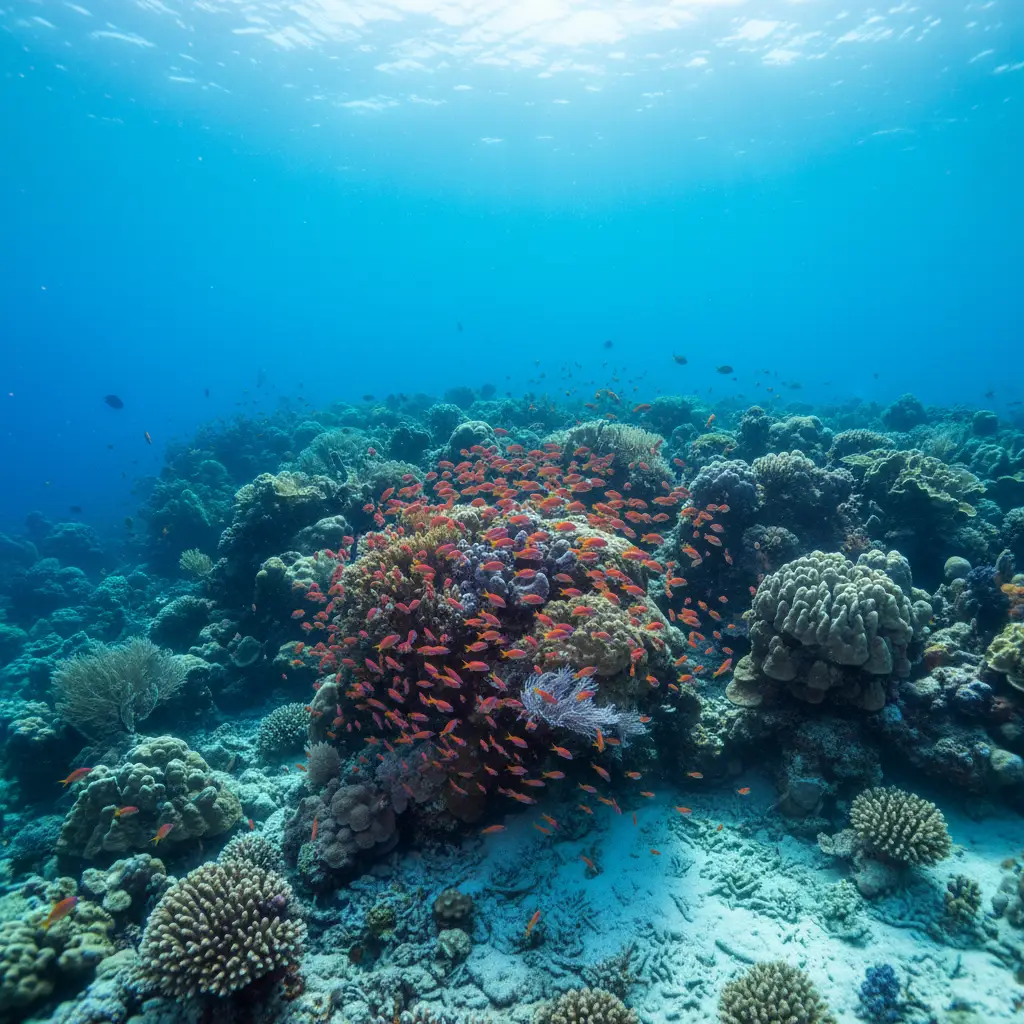
Located in the Somosomo Strait between Vanua Levu and Taveuni, the Rainbow Reef is the reason Fiji holds the title of “Soft Coral Capital of the World.” For advanced snorkelers and divers, this is the holy grail of Fijian marine environments.
The Great White Wall
While the Great White Wall is primarily a dive site (a vertical wall covered in white soft coral that glows blue at depth), the top of the reef is accessible to snorkelers during slack tide. The sheer density of life here is overwhelming. The current in the Somosomo Strait provides a constant food source, resulting in corals that are always open and feeding.
Drift Snorkeling
Because of the currents, drift snorkeling is popular here. You are dropped off at one end of the reef and picked up at the other, allowing you to fly over the coral gardens without exerting energy. This is an exhilarating way to cover a large area of reef and see larger schools of barracuda and trevally.
Exploring the Great Astrolabe Reef in Kadavu
Kadavu is less developed than the main island of Viti Levu, offering a “Old Fiji” vibe that appeals to Kiwis looking to escape the commercial tourist track. The Great Astrolabe Reef is the fourth largest barrier reef in the world, hugging the southern coast of Kadavu.
This reef is famous for its hard coral structures and incredible visibility, often exceeding 30 meters. It is a breeding ground for big fish. Snorkelers here frequently encounter large groupers, napoleon wrasse, and arguably the healthiest coral cover in the entire archipelago. Because there is very little boat traffic and no agricultural runoff, the reef remains in pristine condition.
How to get PADI Certified in Fiji?
If you have ever considered moving from snorkeling to scuba diving, Fiji is one of the best places in the world to get certified. The warm water (26-29°C) eliminates the need for thick wetsuits, making the learning process much more comfortable than in the colder waters of New Zealand.
The Course Structure
Most resorts in Fiji are PADI 5-Star centers. The PADI Open Water Diver course typically takes 3-4 days. However, to save precious holiday time, many Kiwi travelers opt for the “PADI eLearning” option. You complete the theory modules online at home in New Zealand before your trip. Once you arrive in Fiji, you only need to complete the pool sessions and the four open water dives.
Discover Scuba Diving (DSD)
Not ready for a full course? The DSD program is a half-day experience where an instructor takes you through basic safety skills and guides you on a shallow reef dive (usually to 12 meters maximum). It is the perfect way to test the waters and see if diving is for you.
Practical Tips for Kiwi Snorkelers
To ensure your underwater adventures are safe and enjoyable, consider these practical tips tailored for the New Zealand market.
Gear: Bring or Rent?
While all resorts offer rental gear, the quality can vary. If you are a keen snorkeler, it is highly recommended to bring your own mask and snorkel. A mask that fits your face perfectly makes a huge difference in your experience. Fins are bulky, so renting those on-site is usually fine. If you wear glasses, consider buying a prescription mask in NZ before you leave, as these are hard to find to rent in Fiji.
Sun Safety
The Fijian sun is significantly stronger than in New Zealand. The “burn time” is short, especially when the cool water masks the heat on your back. Always wear a rash guard (swim shirt) or a wetsuit. Not only does this protect you from UV rays, but it also protects against stinging plankton (sea lice). If you use sunscreen, ensure it is Reef Safe (oxybenzone-free) to protect the delicate coral ecosystems you are there to enjoy.
Tides and Currents
Fiji has significant tidal changes. Snorkeling at low tide can be difficult or impossible at some resorts as the coral may be exposed or the water too shallow to swim over without damaging the reef. Always check the tide charts or ask the resort’s activities staff for the best time of day to go out.
People Also Ask (PAA)
Is snorkeling better in Fiji or Rarotonga?
Both destinations offer great snorkeling, but they are different. Rarotonga (Cook Islands) is famous for its accessible lagoon snorkeling directly off the beach with very calm waters. Fiji offers greater biodiversity, more soft corals, and larger marine life like manta rays and sharks, but often requires boat trips to reach the best outer reefs.
Do I need a wetsuit for snorkeling in Fiji?
Generally, no. The water temperature ranges from 25°C to 29°C (77°F-84°F). However, if you plan to be in the water for extended periods (over 45 minutes) or are visiting during the cooler months (July-August), a thin 3mm “shorty” wetsuit or a rash guard can provide warmth and sun protection.
Are there dangerous animals in Fiji waters?
While sharks are present, unprovoked attacks are extremely rare. The most common annoyances are stinging plankton (sea lice), fire coral, or stepping on a stonefish or sea urchin. Wearing reef shoes and a rash guard, and practicing “look but don’t touch,” mitigates almost all risks.
What is the best month to snorkel in Fiji?
The best visibility is during the dry season (May to October), which coincides with the New Zealand winter. This is also the manta ray season in the Yasawas. The wet season (November to April) has warmer water but can have reduced visibility due to runoff and plankton blooms.
Can I see turtles while snorkeling in Fiji?
Yes, Hawksbill and Green Sea Turtles are common in Fiji. They are frequently spotted in the Mamanuca and Yasawa islands. Many resorts have turtle conservation programs and protected nesting sites.
Is Fiji good for beginner snorkelers?
Absolutely. Fiji is excellent for beginners due to the abundance of calm lagoons and resorts with shallow house reefs. Many operators provide life jackets and guided tours specifically designed for those with limited swimming experience.