
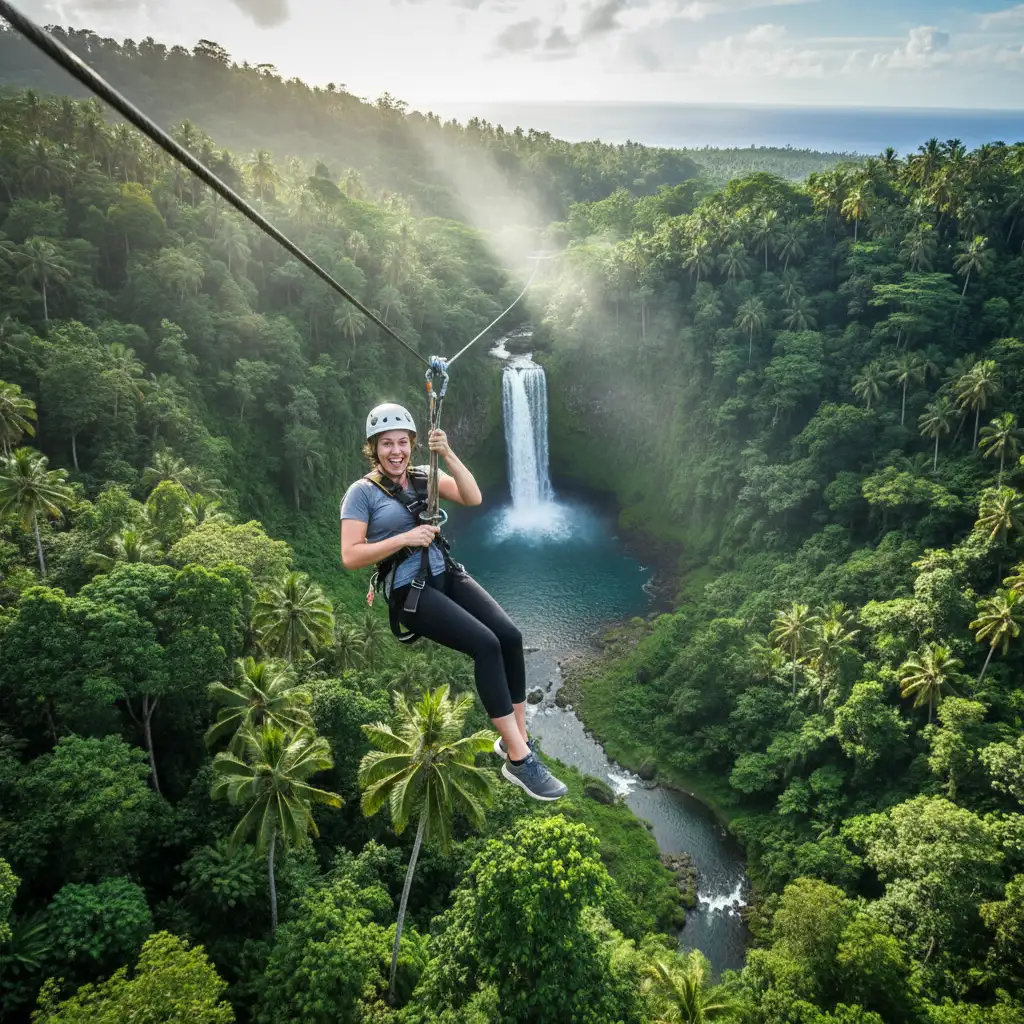
The premier zip line experience in Fiji’s Nadi region is the Sleeping Giant Zipline Safari. Located just 20 minutes from Nadi Airport, this eco-adventure features ten distinct lines spanning over 1.3 kilometers through tropical rainforests, offering speeds of up to 60km/h and panoramic views of pristine waterfalls and the Sabeto Valley.
For New Zealand travelers, Fiji has long been the go-to destination for relaxation, pristine beaches, and family-friendly resorts. However, beyond the poolside cocktails and Kids’ Clubs of Denarau, Nadi serves as the gateway to a thriving eco-adventure scene. With a flight time of under four hours from Auckland, adrenaline junkies can transition from the tarmac to the tree canopy in record time. Whether you are looking to soar above the orchids or tear through the mud in the Nausori Highlands, Nadi offers world-class commercial adventure tourism.
The Sleeping Giant Zipline: Nadi’s Crown Jewel
When searching for “zip line Fiji Nadi,” the search results predominantly—and rightfully—point to the Sleeping Giant Zipline Safari. Nestled deep within the Sabeto Valley, this operation has set the benchmark for adventure activities on Viti Levu. Unlike many tourist traps that offer a single, short ride, this is a comprehensive eco-tour that immerses you in the Fijian jungle.
For the Kiwi market, accustomed to the high adventure standards of Queenstown and Rotorua, the Sleeping Giant holds its own. It combines the raw, humidity-soaked beauty of the tropics with a professionally managed course. The facility spans 35 acres of lush rainforest, providing not just a thrill ride, but a botanical tour from a bird’s-eye view.
Course Details and What to Expect
The Sleeping Giant course is meticulously designed to escalate in intensity. It consists of ten unique zips, ranging from 80 meters to 160 meters in length. The total circuit covers 1.3 kilometers, allowing for significant airtime. The engineering allows for speeds of up to 60km/h, which, when suspended 30 meters above the forest floor, feels significantly faster.
The Experience Breakdown:
- The Ascent: The adventure begins with a hike up the mountain. While moderate, the humidity can make this a physical challenge, so hydration is key. The path winds through ancient rain trees and massive bamboo groves.
- The Zips: The first few lines are shorter, designed to get you comfortable with the harness and the braking systems. As you progress, the lines get longer and faster. The signature line takes you directly over a canopy of wild orchids.
- Orchid Falls: The tour concludes near Orchid Falls and Jungle Safari. A major selling point of this specific operator is the ability to cool off in the freshwater pools at the base of the waterfalls after the zipline course.
- Dining: Most packages for the Sleeping Giant Zipline include a deli-style lunch. This usually consists of fresh tropical fruits, sandwiches, and juice, enjoyed in a riverside setting.
Quad Bike Tours: Exploring Fiji’s Interior
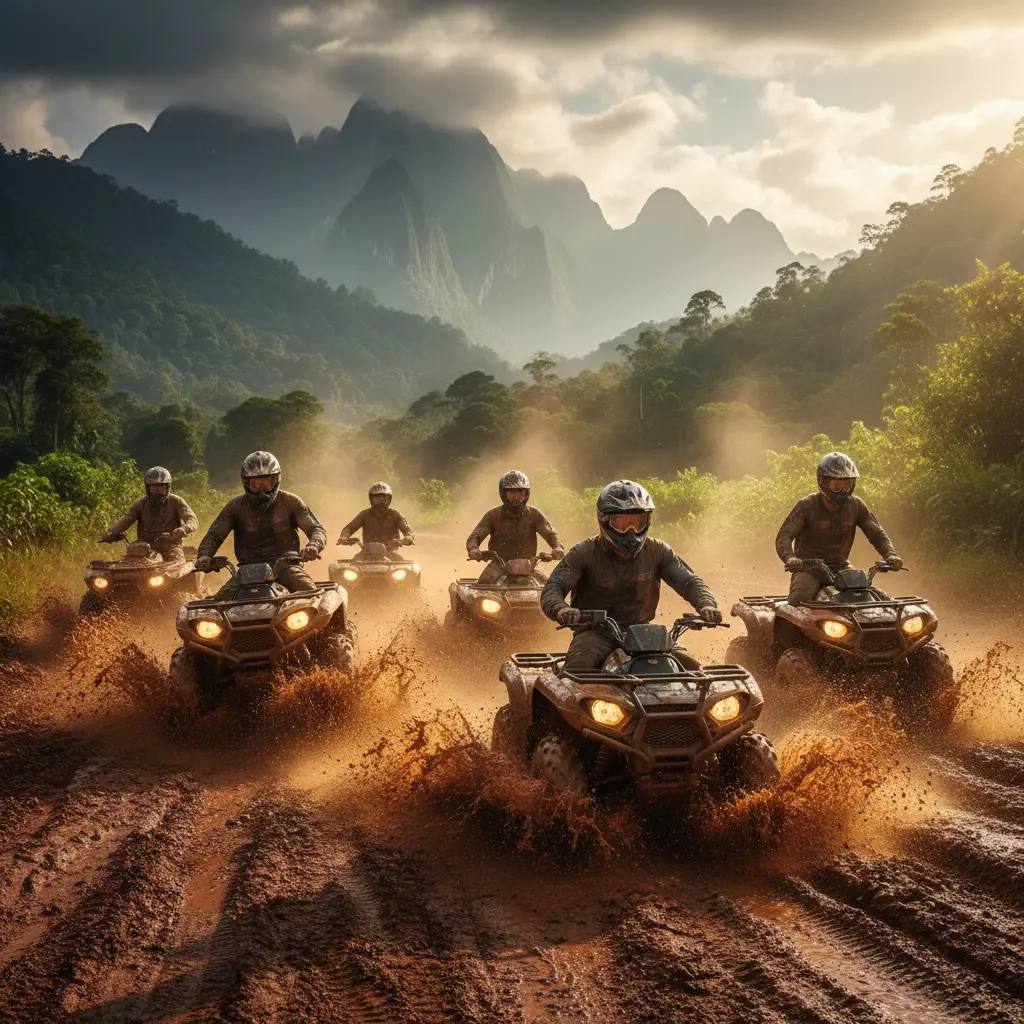
While the zip line dominates the aerial views, the terrestrial adrenaline is best found on four wheels. Quad biking (ATV) tours in Nadi offer a stark contrast to the manicured lawns of the resort islands. These tours are essential for travelers who want to see the “real” Fiji—the rugged interior, the cane fields, and the remote villages.
The Nausori Highlands and Mud Tracks
Several operators run out of the Nadi area, typically offering half-day or full-day excursions. The terrain varies from dusty gravel roads used by sugar cane trucks to technical, muddy tracks that require 4WD engagement.
Key Highlights of Nadi Quad Tours:
- Village Visits: Many tours incorporate a cultural element, stopping at remote villages in the Nausori Highlands. Here, riders often participate in a Kava ceremony. For New Zealanders, this cultural exchange adds significant value to the petrol-fueled excitement.
- Scenic Lookouts: The tracks often lead to high-altitude plateaus offering 360-degree views of Nadi Bay and the Mamanuca Islands.
- The Mud Bath: A popular combination tour involves riding quads to the Sabeto Hot Springs and Mud Pool. After a hot, dusty ride, caking yourself in therapeutic mud is the ultimate cool-down.
Jet Ski Safaris: Island Hopping with Horsepower
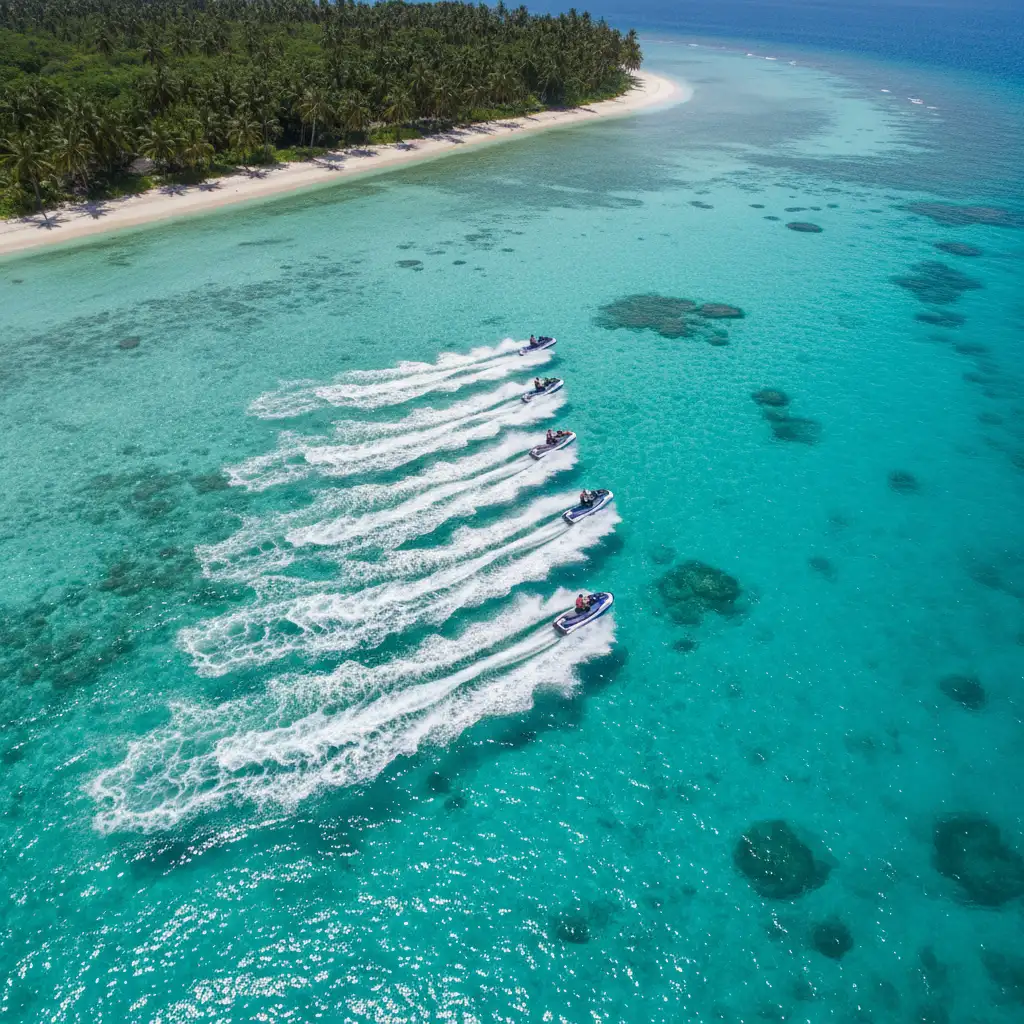
Fiji is famous for its water, and while snorkeling is passive, a Jet Ski Safari is decidedly active. Departing primarily from Wailoaloa Beach or Denarau Marina in Nadi, these tours allow you to captain your own vessel out to the Mamanuca Islands.
Unlike a simple 30-minute rental within a buoyed zone, a safari is a guided expedition. These trips can range from 3 to 6 hours and cover significant nautical miles. This is the closest experience to being a pilot of your own adventure, navigating the crystal-clear channels between reefs.
Popular Routes and Destinations
Cloud 9 and Beachcomber: Advanced tours often make a run for the famous floating platform, Cloud 9, or the party island of Beachcomber. Riding a jet ski across the open ocean to a floating bar is a bucket-list item for many Kiwi travelers.
Monuriki Island: Fans of the movie “Cast Away” can book longer safaris that reach Monuriki Island. The ability to pull your jet ski up onto the same beach where Tom Hanks was “stranded” provides an excellent photo opportunity and a connection to Hollywood history.
Safety Standards and Risk Management
For the New Zealand market, safety is often a primary concern when booking adventure activities abroad. New Zealand has rigorous adventure tourism regulations (WorkSafe), and Kiwis often expect similar standards overseas.
Zipline Safety Protocols:
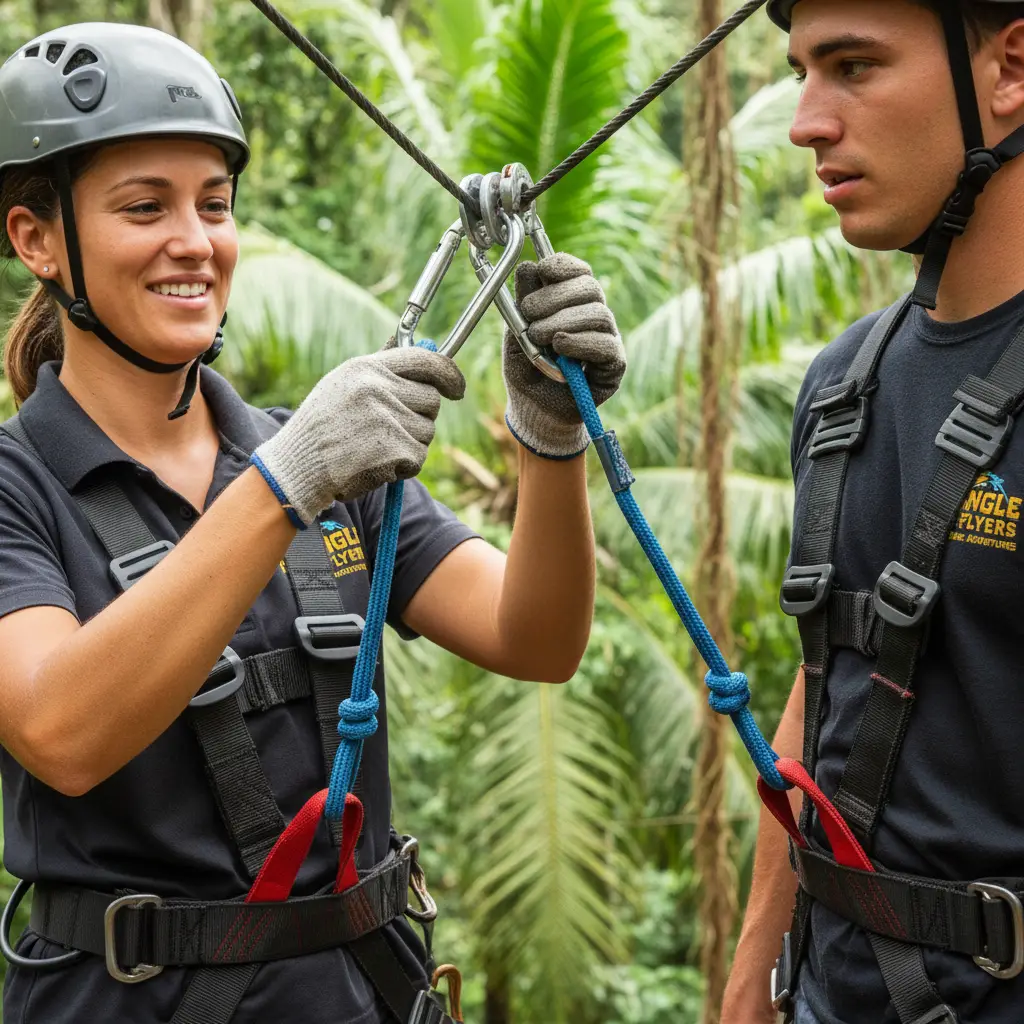
The Sleeping Giant Zipline and other reputable Nadi operators adhere to international safety standards. The equipment, including harnesses, carabiners, and pulleys, is typically sourced from certified climbing manufacturers (often Petzl or similar brands).
- Daily Inspections: Lines and anchor points undergo daily visual inspections by lead guides.
- Guide Training: Guides are trained in high-angle rescue and first aid. They operate a “hands-off” braking system on many lines, or a gravity-braking system, meaning the margin for user error is minimized.
- Weight Limits: Strict weight limits (usually max 120kg) are enforced to ensure the integrity of the braking systems and cable tension.
Quad Bike and Jet Ski Safety:
For motorized activities, the briefing is crucial. Operators in Nadi generally require a valid driver’s license for the driver of the quad bike or jet ski. Helmets are mandatory for quad biking, and life jackets are non-negotiable for jet skiing. It is worth noting that while safety standards are high, the terrain in Fiji is unpredictable. Travelers should always ensure their travel insurance policy (common providers like Southern Cross or Cover-More) specifically covers “adventure activities” or “motorcycling/quad biking,” as standard policies often exclude them.
Planning Your Adventure: Logistics for Kiwis
Booking your adrenaline fix in Nadi is straightforward, but timing is everything.
Best Time of Day
Fiji is tropical. Mid-day temperatures often exceed 30°C with high humidity.
* Ziplining: Book the morning slot (usually 9:00 AM pickup). You will beat the heat and the afternoon rain showers that are common in the interior.
* Quad Biking: Morning is also preferred for visibility, though afternoon “sunset” rides can be spectacular if the weather holds.
* Jet Skiing: Early morning offers the calmest water (glass-out conditions). The trade winds tend to pick up in the afternoon, making the ocean choppier and the ride physically more demanding.
What to Pack
When preparing for the zip line Fiji Nadi experience, function trumps fashion.
- Footwear: Closed-toe shoes are mandatory. Sneakers or hiking boots are ideal. Do not attempt this in jandals (flip-flops); they will fall off into the jungle.
- Clothing: Wear shorts that extend to the knee to prevent the harness leg loops from chafing. Athletic wear that wicks moisture is best.
- Insect Repellent: You are entering a rainforest. Mosquitoes are present. Apply repellent before you put on your harness.
- GoPro: Most helmets have mounts, or you can use a chest strap. Ensure it is tethered securely.
People Also Ask
How much does the Sleeping Giant Zipline cost?
Prices generally range from $130 to $160 FJD per person for adults. This typically includes hotel transfers from Nadi/Denarau, the full zipline course, the orchid garden tour, and a light lunch. Family packages are often available.
Is there a weight limit for ziplining in Fiji?
Yes, most operators, including Sleeping Giant, enforce a weight limit. The minimum weight is usually around 15-20kg (for children), and the maximum weight is typically 120kg (264lbs). This is strictly for safety regarding cable tension and braking speed.
Can children do the zip line in Nadi?
Yes, children as young as 4 or 5 years old can often participate, usually riding tandem with a guide or a parent if they are under the minimum weight for solo riding. It is a very family-friendly activity, provided the child is comfortable with heights.
How far is the Sleeping Giant Zipline from Denarau?
The Sleeping Giant Zipline is located in the Sabeto Valley, which is approximately a 35 to 45-minute drive from the resorts on Denarau Island. Most tour bookings include complimentary shuttle transfers from Denarau lobbies.
Do I need to book Fiji adventure tours in advance?
For the New Zealand school holiday periods (July, September/October, December/January), advance booking is highly recommended. These tours have limited capacity per time slot to ensure safety and flow. Booking 2-3 weeks out is advisable.
Is it safe to zipline in the rain in Fiji?
Yes, ziplining runs rain or shine. In fact, many tourists prefer it in the rain as it cools down the temperature and makes the waterfalls flow harder. Operations will only suspend in the event of lightning or dangerously high winds.