
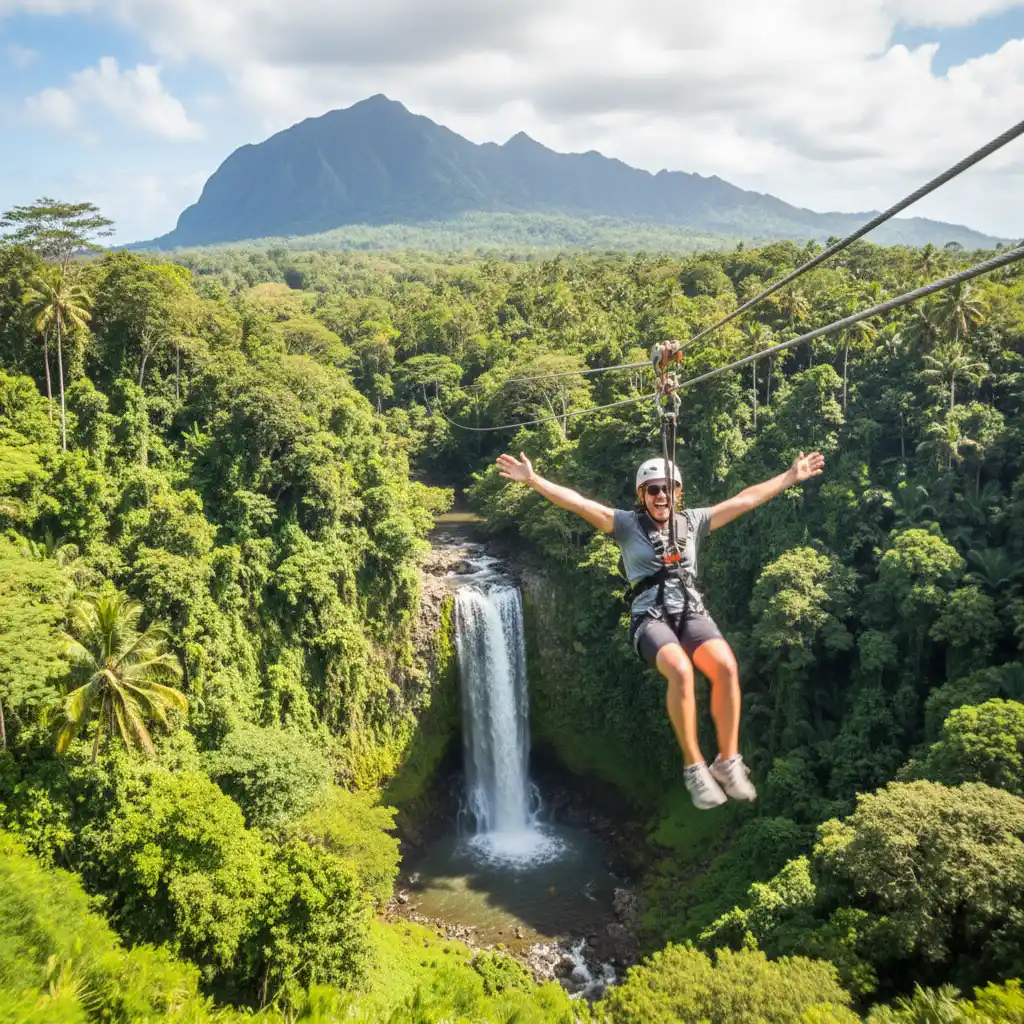
A zip line in Fiji Nadi offers an exhilarating aerial tour of the tropical jungle canopy, with the Sleeping Giant Zipline standing out as the premier attraction. Located just 20 minutes from Nadi Airport, this adventure features five distinct zip lines spanning 1.3 kilometers, passing over waterfalls and lush forests, making it an accessible thrill for visitors of all ages.
For New Zealand travelers seeking an escape from the cooler climates, Fiji represents the ultimate tropical playground. While the pristine beaches and luxury resorts of Denarau are legendary, the real magic of Viti Levu lies in its rugged interior. Nadi is not just a transit hub; it is the gateway to high-octane adrenaline activities that showcase the island’s raw beauty. From soaring above orchid gardens to tearing through mud tracks on a quad bike, the adventure tourism sector in Nadi has matured significantly, offering world-class experiences that adhere to rigorous safety standards.
The Sleeping Giant Zipline: Nadi’s Premier Aerial Adventure
When searching for a zip line in Fiji Nadi, the Sleeping Giant Zipline (often bundled with the Orchid Falls & Jungle Safari) is the undisputed market leader. Situated at the base of the Sabeto Mountains, this attraction offers a seamless blend of adrenaline and ecological education. For Kiwi families and thrill-seekers, it provides a full-day experience that justifies the ticket price.
What to Expect on the Course
The course is meticulously designed to build confidence. It typically starts with shorter, lower lines to get you accustomed to the harness and braking systems before graduating to the “mammoth” lines. The circuit spans approximately 1.3 kilometers across 35 acres of eco-friendly estate. The highlight for many is the transition over the waterfalls, offering a vantage point that is simply inaccessible on foot.
Unlike some singular zip lines found in other parts of the Pacific, this is a multi-stage tour. You aren’t just paying for one ride; you are engaging in a circuit that keeps the adrenaline pumping for over an hour. The velocity on the longer lines can reach up to 60 km/h, providing that requisite rush of wind and excitement.
The Jungle Safari and Waterfall Swim
The value proposition of the Sleeping Giant Zipline extends beyond the cables. The admission usually includes a guided trek through the jungle to two distinct waterfalls. After sweating it out in the harness, the opportunity to cool off in a natural freshwater pool is a major drawcard. For New Zealanders used to the chilly rivers of the South Island, the tepid, refreshing waters of a Fijian jungle stream are a welcome luxury.
Quad Bike Tours: Exploring the Interior
While the zip line conquers the air, quad bikes (ATVs) rule the ground. Many tour operators in Nadi, such as Go Dirty Tours or Westside Motorbike Rentals, offer packages that can be combined with zip lining for a full “land and air” combo.

The “Go Dirty” Experience
These tours are not for the faint-hearted or the clean-freaks. The terrain around the Nausori Highlands is rugged, muddy, and spectacular. Riders are typically equipped with 500cc quad bikes that are easy to operate but powerful enough to tackle steep inclines. The routes often weave through working sugar cane fields, pine forests, and remote villages.
Cultural Connection
A unique aspect of the Nadi quad bike tours is the cultural component. Many itineraries include a stop at a local village or a school. This isn’t a staged performance; it is often a genuine interaction where you can drink kava with the village chief or wave to school children. For Kiwi travelers, who often value authentic cultural exchange, this adds a layer of depth to the adrenaline activity.
Jet Ski Safaris to the Mamanucas
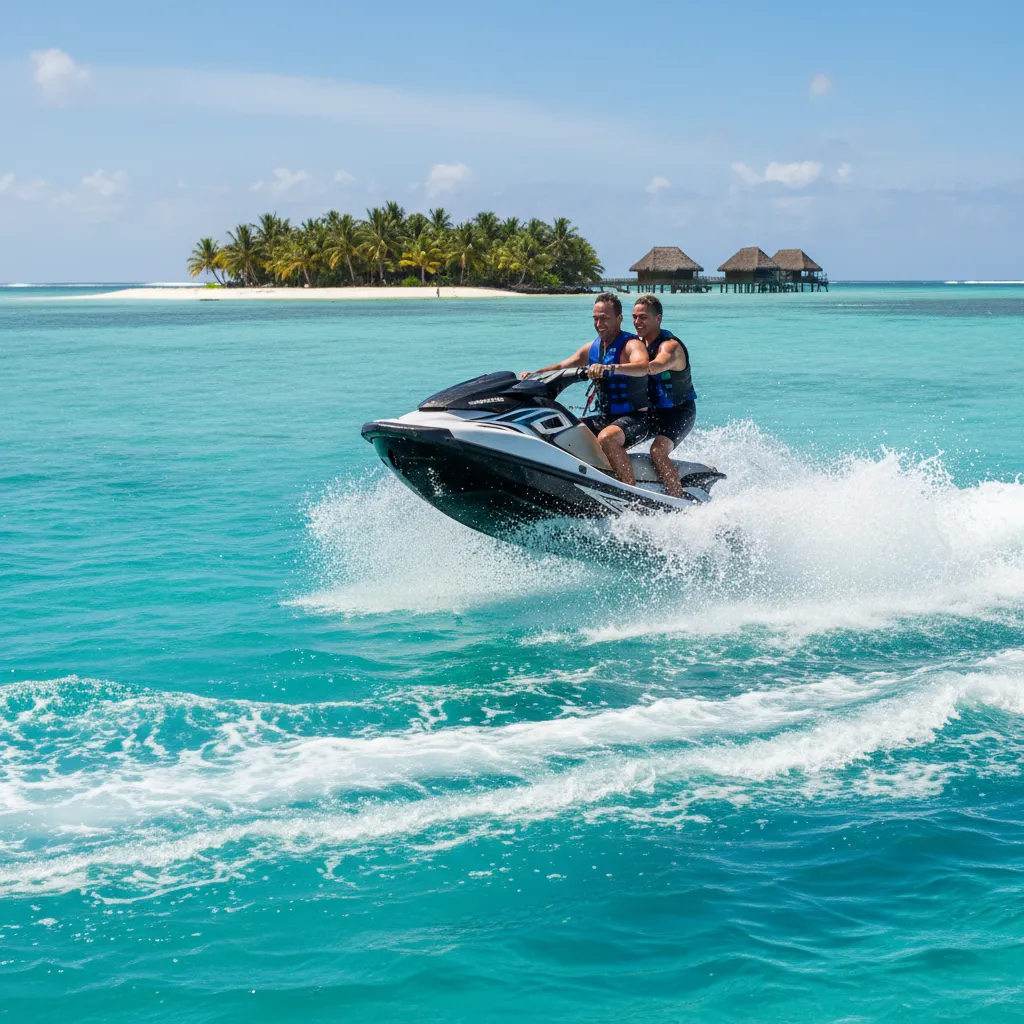
If you prefer the open ocean to the jungle, a Jet Ski safari is the logical next step. Departing from the Wailoaloa Beach or Denarau Marina areas in Nadi, these tours offer a high-speed gateway to the Mamanuca Islands.
Island Hopping on Adrenaline
Unlike a slow ferry transfer, a jet ski tour puts you in control. Guided safaris often lead groups to pristine sandbars, the famous Cloud 9 floating platform, or Beachcomber Island. The journey itself is the destination. Navigating the crystal-clear turquoise waters at 70 km/h offers a sense of freedom that is hard to replicate. Most tours include snorkeling stops at outer reefs where the marine life is far more abundant than near the mainland coast.
Solo vs. Tandem
Most operators offer the choice of solo riding or tandem. For couples traveling from NZ, tandem riding is cost-effective, but solo riding is recommended for the full experience. The water conditions in the morning are generally glassy and calm, making it the optimal time to book.
Safety Standards and Equipment
For the New Zealand market, safety is a non-negotiable priority. Historically, adventure tourism in developing nations has had varied reputations, but Fiji’s major operators in Nadi have aligned themselves with international standards to cater to the Australian and New Zealand markets.
Certification and Maintenance
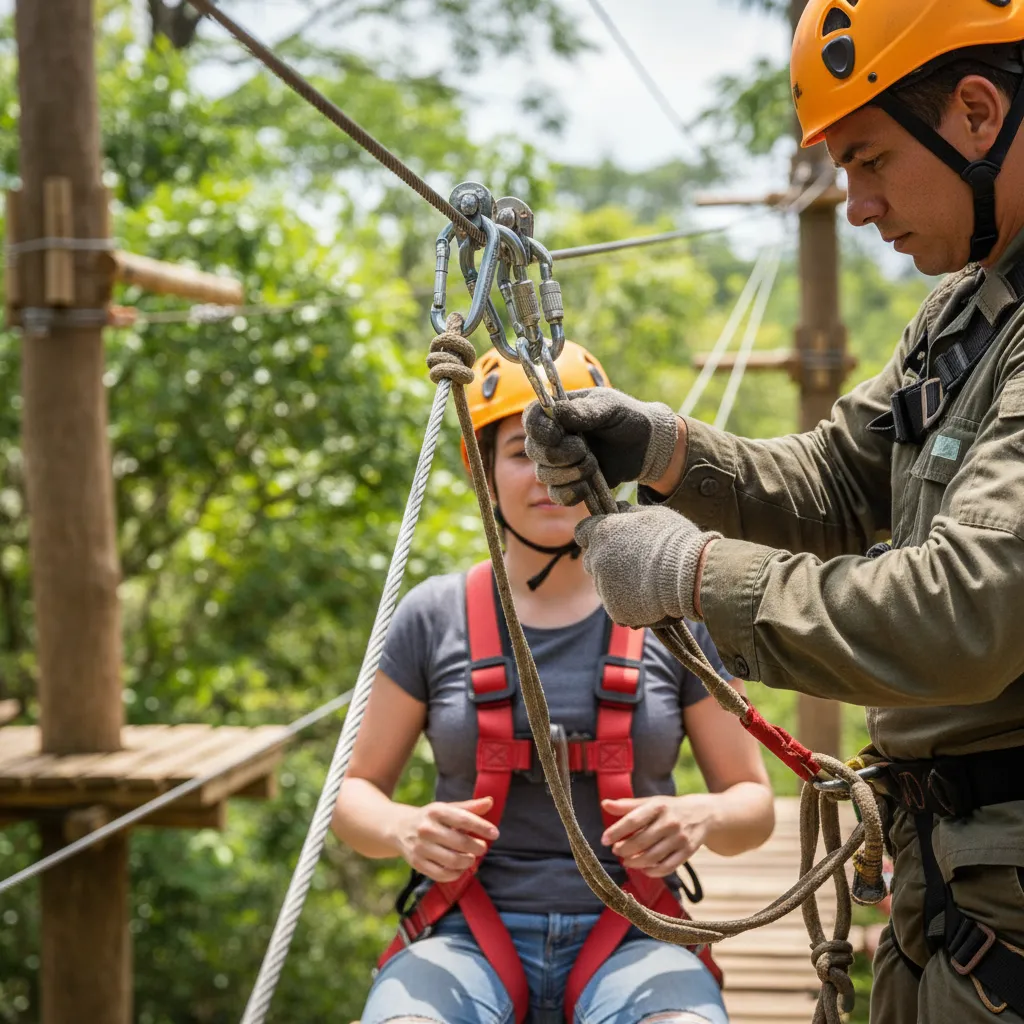
The Sleeping Giant Zipline, for instance, utilizes a proprietary braking system and double-line redundancy. This means if one cable were to theoretically fail (a statistical improbability), a second cable supports the rider. Harnesses and helmets are inspected daily and are typically sourced from reputable climbing brands like Petzl or Black Diamond.
Guide Training
Guides are local Fijians who have undergone rigorous training in first aid and rescue procedures. They are known for their “Bula Spirit”—friendly and joking—but they switch to serious professionals when clipping you in. Before any zip line or quad bike tour, a mandatory safety briefing is conducted. It is imperative to listen closely, even if you have done similar activities in Queenstown or Rotorua, as terrain and equipment specifics may differ.
Planning Your Adventure from New Zealand
Maximizing your time in Nadi requires strategic planning. Many travelers make the mistake of booking activities on their arrival or departure days, but flight delays can wreak havoc on tight schedules.
Booking in Advance
While you can book at hotel desks, booking online prior to departure from New Zealand often secures better rates and guarantees availability. During NZ school holidays (April, July, September), slots for the Sleeping Giant Zipline fill up days in advance.
What to Bring
- Footwear: Closed-toe shoes are mandatory for zip lining and quad biking. Do not bring jandals for these activities; you will be turned away or forced to rent dirty sneakers.
- Clothing: Wear shorts and a t-shirt that you don’t mind getting dirty, especially for the quad bikes.
- Insect Repellent: The jungle interior has mosquitoes. Apply a strong tropical-strength repellent before you start.
- GoPro: Most helmets have mounts, but bring your own chest strap just in case.
People Also Ask
How much does the Sleeping Giant Zipline cost?
Prices vary by season and package, but generally, a standard adult ticket ranges from $200 to $250 FJD (approx. $145-$180 NZD). This typically includes the zip line tour, the orchid garden walk, a deli lunch, and hotel transfers from Nadi or Denarau.
Is zip lining in Fiji safe for children?
Yes, the Sleeping Giant Zipline is family-friendly. The minimum age is usually around 6 years old, provided the child fits securely in the harness. Children under a certain weight may need to ride tandem with a guide to ensure they have enough momentum to reach the end of the line.
What is the weight limit for zip lining in Fiji?
The maximum weight limit is typically around 120kg to 135kg (265-300 lbs), depending on the specific operator’s harness specifications. There is also a minimum weight requirement for solo riding, usually around 30kg.
Do I need a driver’s license for quad biking in Fiji?
Yes, for the driver of the quad bike, a valid full driver’s license from your home country (e.g., New Zealand) is required. Passengers do not need a license but must meet minimum age requirements, usually 5-7 years old.
Can I go zip lining if it rains?
Yes, zip lining operates rain or shine. In fact, many tourists prefer it in the rain as the waterfalls are more spectacular and the jungle feels more alive. However, in the event of lightning or severe storms, operations will pause for safety.
How far is the Sleeping Giant Zipline from Nadi Airport?
The Sleeping Giant Zipline is very accessible, located approximately 20 to 25 minutes by car from Nadi International Airport and about 35 minutes from the Denarau Island resorts.