
Bula! For New Zealand travelers planning a tropical escape to Denarau Island, the choice often boils down to two heavyweights: the family-favorite Radisson Blu Resort and the sophisticated Sofitel Fiji Resort & Spa. Both offer world-class amenities, stunning sunsets, and easy access from Nadi International Airport, yet they cater to distinctly different holiday styles.
What is the main difference between Radisson Blu and Sofitel Fiji?
The primary difference between Radisson Blu and Sofitel Fiji lies in their target demographic and atmosphere. Radisson Blu is the superior choice for families, featuring climate-controlled lagoon pools, spacious suites with kitchenettes, and the popular whitewater tunnel slide. Conversely, Sofitel Fiji Resort & Spa offers a more refined, French-luxury experience, highlighted by the exclusive, adults-only Waitui Beach Club and sophisticated dining options.
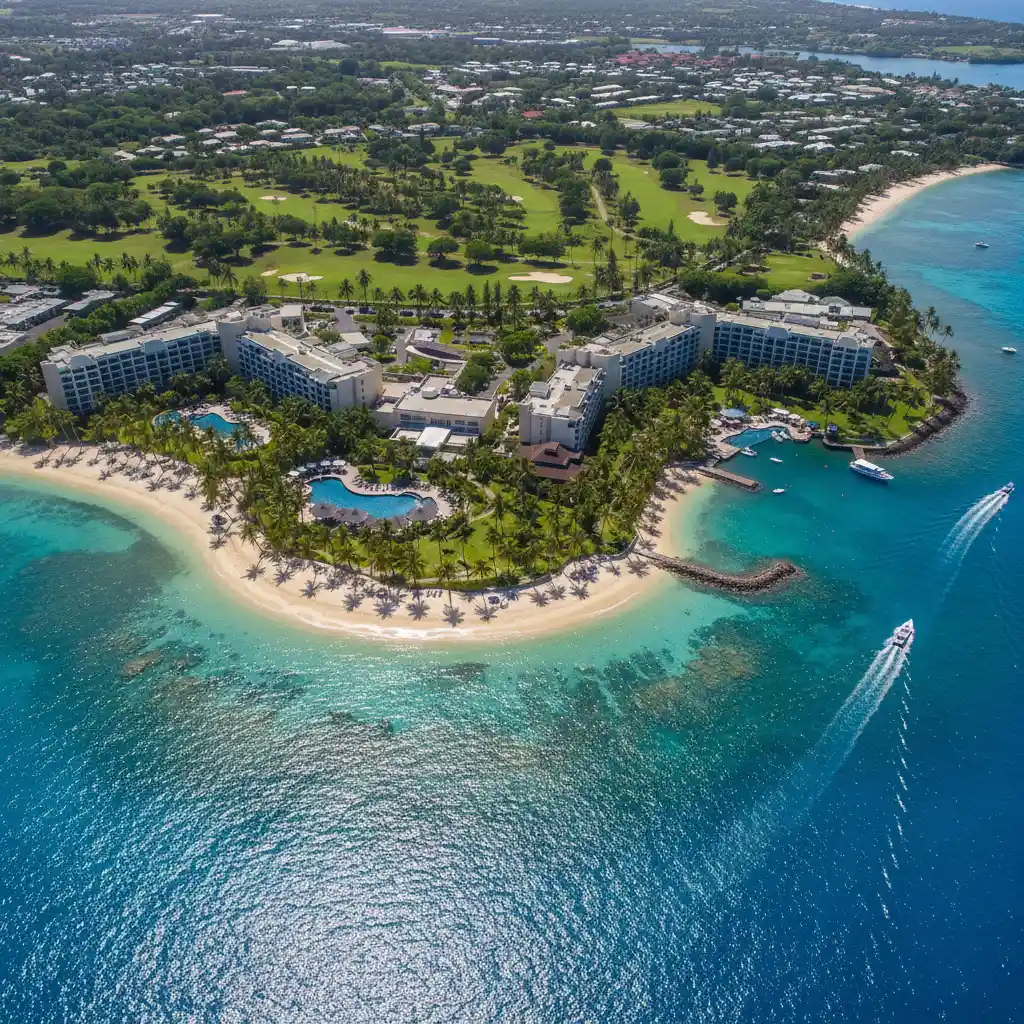
Vibe and Atmosphere: Action vs. Chic
When you step into the lobby of these two resorts, the difference in atmosphere is palpable immediately. Understanding the “vibe” is crucial for Kiwis who want to ensure their holiday matches their energy levels.
Radisson Blu: Energetic and Social
The Radisson Blu Resort Fiji Denarau Island is undeniably energetic. From the moment you arrive, there is a sense of movement and activity. It is designed as a social hub, perfect for families who want to be in the mix. The layout encourages interaction, with the pools acting as the central nervous system of the resort. If you are looking for a holiday where the kids can make friends instantly and the parents can chat by the swim-up bar, Radisson is the place. It feels robust, fun, and unpretentious—very much aligned with the relaxed Kiwi style of travel.
Sofitel Fiji: French Elegance meets Island Time
The Sofitel Fiji Resort & Spa recently underwent a massive renovation, and the result is a distinct step up in sophistication. The “Bonjour meets Bula” greeting sets the tone. The lobby is grander, quieter, and smells of lemongrass and luxury. While it is certainly family-friendly (especially on the family side of the resort), the overall ambiance leans towards a chic, resort-style elegance. It is popular with couples, honeymooners, and families with older children who appreciate a calmer aesthetic. If you prefer reading a book under a cabana over participating in pool volleyball, the Sofitel vibe will resonate more with you.
Pool Wars: Slides vs. Beach Club
For most New Zealanders heading to Fiji, the pool complex is the most critical amenity. The ocean at Denarau is darker and less swimmable than the outer islands, making the resort pools the primary water activity source.
Radisson Blu: The Family Water Park
Radisson Blu wins the “fun” category hands down. It boasts four climate-controlled lagoon pools. This is a significant feature; in the height of the Fijian summer, the water is cooled, and in the cooler months (July/August), it is heated—guaranteeing a perfect swim regardless of the season.
The crown jewel for children is the Whitewater Tunnel Slide. It is not just a small plastic chute; it is a proper slide that keeps kids occupied for hours. Additionally, there is a dedicated toddlers’ pool with shade sails, ensuring the little ones are safe from the fierce Fijian sun. The main family pool features a swim-up bar that is often bustling with activity.
Sofitel: The Waitui Beach Club Factor
Sofitel takes a different approach. They have one massive, free-form lagoon pool that winds through the property, featuring a deep end for diving and a shallow end for children, complete with a smaller slide. However, the Sofitel’s ace in the hole is the Waitui Beach Club.
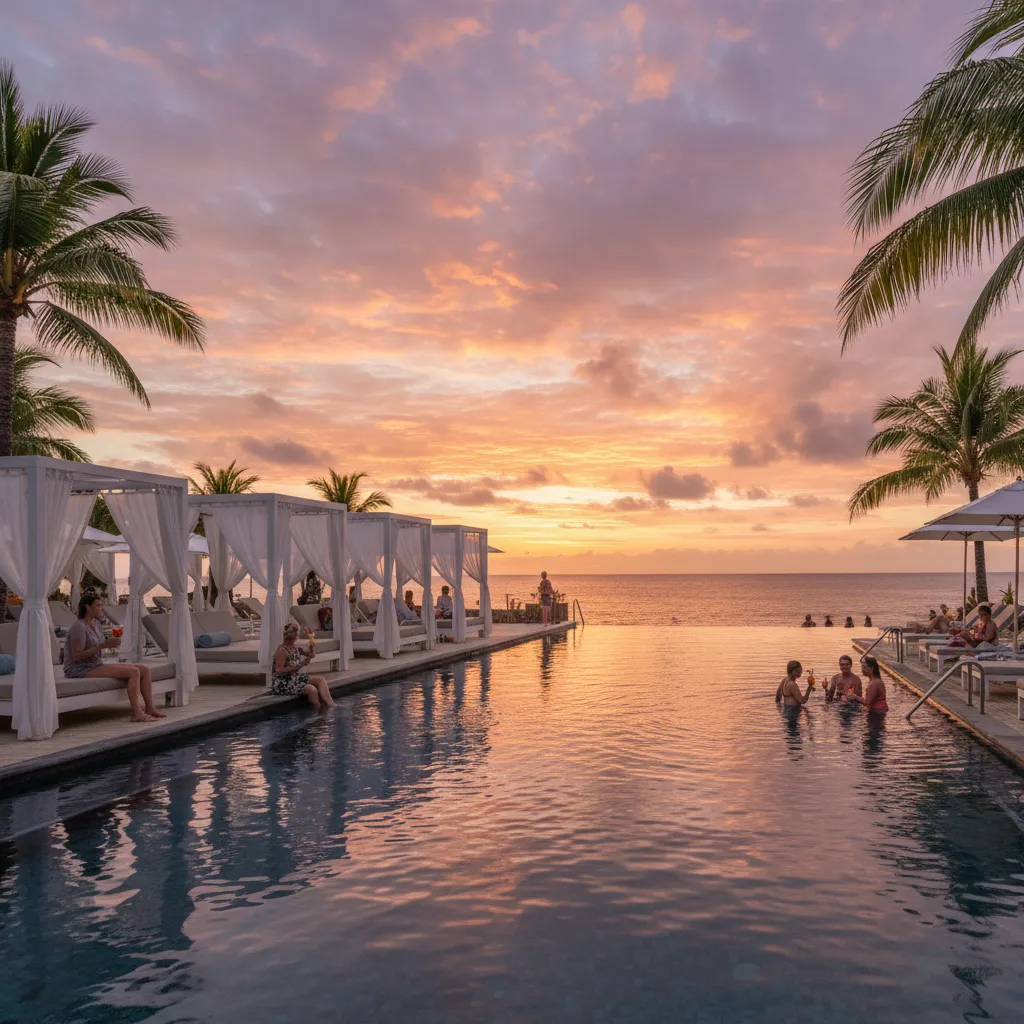
The Waitui Beach Club is an exclusive, adults-only sanctuary within the resort. Access usually comes with an extra cost (or is included in specific room types). It features its own infinity pool, private cabanas, a swim-up bar, and a dedicated restaurant. For parents traveling without kids, or those utilizing the nanny service, this area offers a level of luxury that Radisson Blu cannot match. It feels like a resort within a resort.
Room Configurations: Suites vs. Luxury Rooms
This section is often the deciding factor for Kiwi families, particularly those staying for 7 nights or more.
Radisson Blu: The Self-Catering Advantage
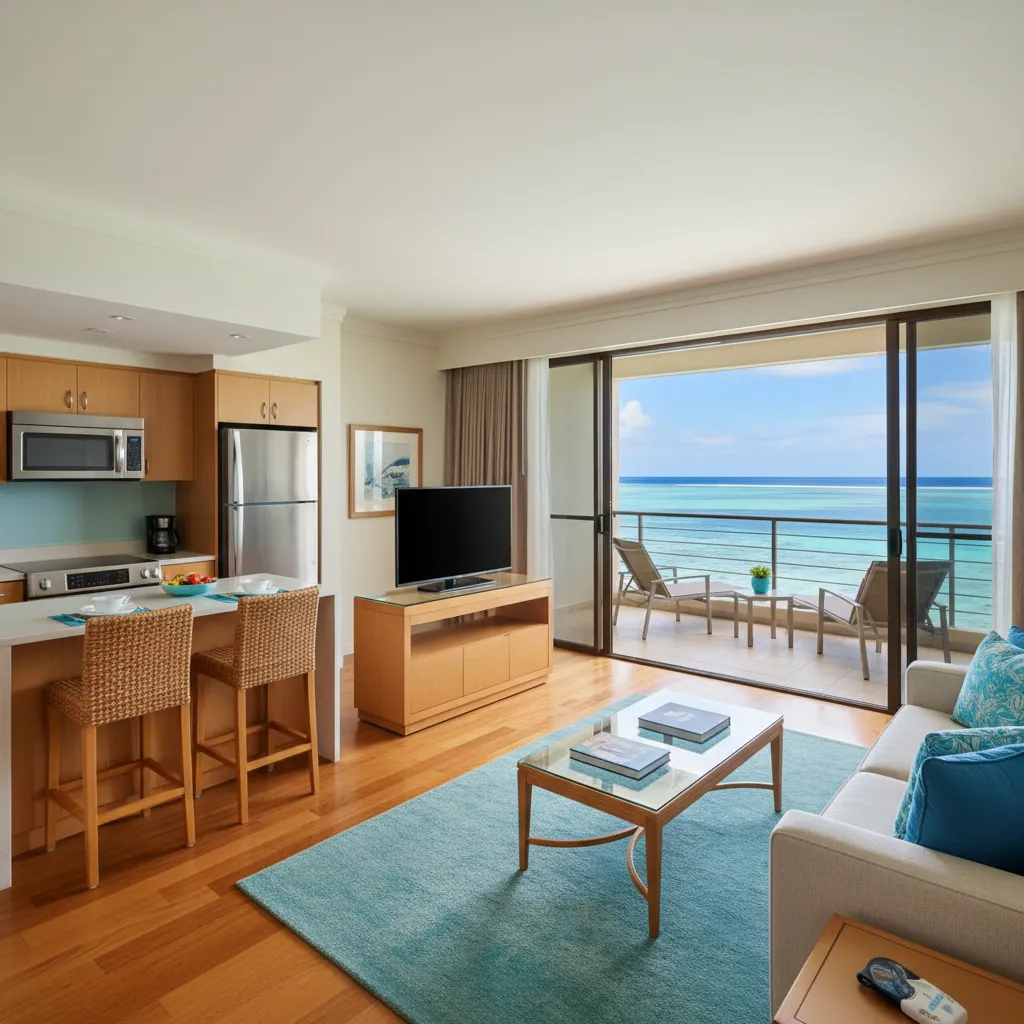
Radisson Blu is famous for its One-Bedroom and Two-Bedroom Suites. These are not just connecting rooms; they are full apartments. Crucially, they include:
- Full Kitchenettes: Cooktop, microwave, full-sized fridge, and dishwasher.
- Laundry Facilities: A washer and dryer inside the suite.
- Separate Living Areas: The kids can sleep in the lounge (or separate bedroom) while parents have their own space.
For a family of four or five, having a washing machine means packing less, and the kitchen allows for simple breakfasts and lunches in the room, saving hundreds of dollars on dining over the course of a week.
Sofitel: Traditional Luxury
Sofitel offers more traditional hotel room configurations. Their standard luxury rooms are beautifully appointed with French amenities and signature MyBeds (which are incredibly comfortable). Following their renovation, they introduced a dedicated Family Room category which features a separate nook with bunk beds for children. This is a great improvement, but it lacks the full kitchen and laundry facilities found at the Radisson. If you prefer full-service luxury where you never lift a finger (or a frying pan), Sofitel is the choice.
Dining Options: Buffet and Fine Dining Analysis
Both resorts offer high-quality dining, but the execution differs.
Radisson Blu Dining
Radisson offers variety with four main restaurants:
- Blu Bar & Grill: The main buffet location. It is extensive and features themed nights (Fijian Lovo, Indian, Seafood).
- Chanting Lobster: A dedicated seafood restaurant.
- Byblos: A unique Lebanese dining experience right on the waterfront—a rarity in Fiji and highly rated.
- Teppanyaki: Interactive Japanese dining which is a hit with families.
The “Lomani Wai” experience involves dining in the water of the lagoon pool, which is a unique romantic option.
Sofitel Dining
Sofitel elevates the culinary experience, leveraging its French heritage.
- Bazaar Kitchen & Bar: This is an interactive buffet with six live cooking stations. The quality of food here is generally considered slightly superior to the standard resort buffet, with a wider array of international cheeses and pastries.
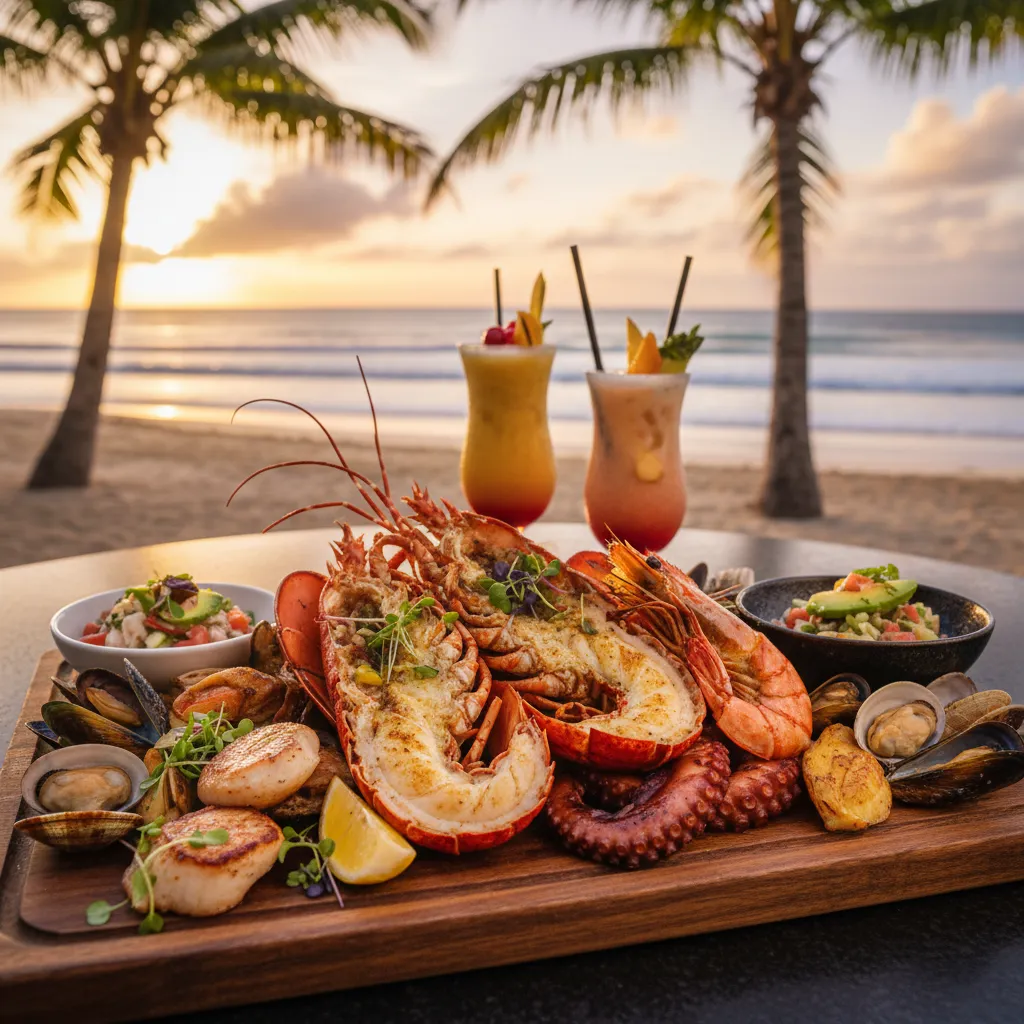
- Solis Restaurant: Located beachside, offering Mediterranean seafood. The ambiance here is sophisticated.
- Waitui Bar & Grill: Exclusive to the beach club, offering premium steaks and nutrition-focused meals.
If you are a foodie, the Sofitel’s bakery items and buffet quality usually edge out the competition.
Kids Clubs: Blu Bananas vs. Niu Kids
New Zealand parents know that a good Kids Club is the secret to a relaxing holiday.
Radisson: Blu Bananas
The Blu Bananas Kids Club is legendary. It is split into tiered age groups to ensure activities are relevant. They offer evening sessions which allow parents to have a dinner date. The activities are action-packed: torch lighting ceremonies, pool volleyball, and crab hunting. It feels like a traditional Kiwi holiday camp.
Sofitel: Niu Kids Beach Club
Sofitel’s Niu Kids Beach Club is a newer addition. It is aesthetically beautiful, resembling a mini beach club for children. It features a splash pad, a climbing wall, and even a trampoline area on the beach. The focus here is on creative play and Fijian culture. It is slightly more “contained” than the sprawling nature of the Radisson activities.
Price Point Analysis for NZ Travelers
When comparing costs in New Zealand Dollars (NZD), distinct patterns emerge depending on the season and group size.
Value for Families (Radisson Blu)
While the nightly rate at Radisson Blu can be high, the value proposition is better for larger families. Because you can book a suite that sleeps 2 adults and 3 children comfortably, you avoid the need for booking two interconnecting rooms, which is often required at other hotels. Furthermore, the ability to self-cater for lunch and breakfast significantly reduces the total cost of the trip.
The Luxury Premium (Sofitel)
Sofitel generally commands a higher nightly rate for standard rooms compared to Radisson’s standard rooms. If you opt for Waitui Beach Club access, the price increases further. However, Sofitel often includes generous resort credits or breakfast inclusions in their packages for NZ travelers. For couples, the price difference is often negligible, and the premium paid at Sofitel delivers a higher standard of room finish and tranquility.
The Verdict: Which Should You Choose?
Choose Radisson Blu Fiji if:
- You have active kids: The whitewater slide and climate-controlled pools are unbeatable for children aged 4-14.
- You want apartment living: The washer/dryer and kitchenette are essential for long stays.
- You prefer a high-energy vibe: You want a bustling, social atmosphere.
Choose Sofitel Fiji if:
- You are a couple or have older teens: The atmosphere is more relaxed and chic.
- You want the Beach Club experience: The Waitui Beach Club is the best adults-only facility on Denarau.
- You appreciate fine dining: The French influence on food and wine is evident.
- You want a modern, renovated room: The recent renovations make the rooms feel brand new.
People Also Ask (PAA)
Which resort is closer to Nadi International Airport?
Both resorts are located on Denarau Island and are essentially the same distance from the airport. The transfer takes approximately 20 to 30 minutes by taxi or private transfer. They are located just a few minutes apart along the main Denarau beach strip.
Can I use the facilities of one resort if I stay at the other?
Generally, pool facilities and kids clubs are reserved strictly for staying guests. However, you are welcome to visit the other resort to use their restaurants and bars. Many guests stroll along the beach path to try different dining options in the evening.
Which resort has a better beach?
Both resorts share the same stretch of Denarau beachfront. The sand is darker (volcanic) and the water is not the crystal clear turquoise found in the Mamanuca islands. However, Sofitel has utilized the beachfront slightly better with the Waitui Beach Club layout, offering more luxurious lounging options directly on the sand.
Are there adults-only areas at Radisson Blu?
Yes, Radisson Blu has an adults-only pool area, but it is not as extensive or secluded as the Sofitel’s Waitui Beach Club. It is a quiet pool section, whereas Waitui is a comprehensive club with its own bar, restaurant, and entertainment.
Do these resorts offer All-Inclusive packages?
Neither resort is a traditional “All-Inclusive” in the Caribbean sense. However, both offer packages that can include breakfast, dinner, and drinks credits. Radisson Blu is known for offering generous “Food and Beverage Credit” deals to the NZ market during travel expos.
Which is better for a honeymoon?
Sofitel Fiji is widely considered the better option for a honeymoon. The Waitui Beach Club (adults-only) provides a romantic sanctuary away from the noise of families, and the overall aesthetic is more romantic and upscale compared to the family-centric energy of the Radisson.