
Fiji is best for travelers seeking large-scale luxury resorts, diverse island-hopping adventures, and world-class family amenities. In contrast, Rarotonga offers a laid-back, intimate atmosphere where the New Zealand dollar is used, making it ideal for couples and those wanting a hassle-free, self-contained beach holiday without the need for boat transfers.
Choosing between a holiday in Fiji or Rarotonga is a common dilemma for New Zealand travelers. Both destinations offer pristine turquoise waters, warm Polynesian hospitality, and a quick escape from the New Zealand winter. However, the experience on the ground is distinctly different. Fiji offers a vast archipelago of over 300 islands, providing diverse experiences from bustling Denarau to the secluded Yasawas. Rarotonga, the hub of the Cook Islands, is a single, accessible island encircled by a protective reef, offering a distinctively relaxed, “small-town” vibe where no building is taller than a coconut tree.
Which Destination is Right for You: Fiji or Rarotonga?
When comparing Fiji vs Rarotonga for a holiday, the decision often comes down to the scale of the experience you desire. Fiji is a large destination with a highly developed tourism infrastructure catering to every demographic, particularly families seeking all-inclusive kids’ clubs and adventure seekers looking for diving and surfing.
Rarotonga is significantly smaller and more intimate. It feels like a home away from home for Kiwis, largely due to the currency union and the ease of navigation. You can drive around the entire island of Rarotonga in 45 minutes, whereas driving from Nadi to Suva in Fiji takes several hours. If you want a holiday where you stay in one spot but have easy access to restaurants and beaches via a scooter, Rarotonga is superior. If you prefer the “resort bubble” experience where you never need to leave the hotel grounds, or conversely, a multi-island adventure, Fiji is the winner.
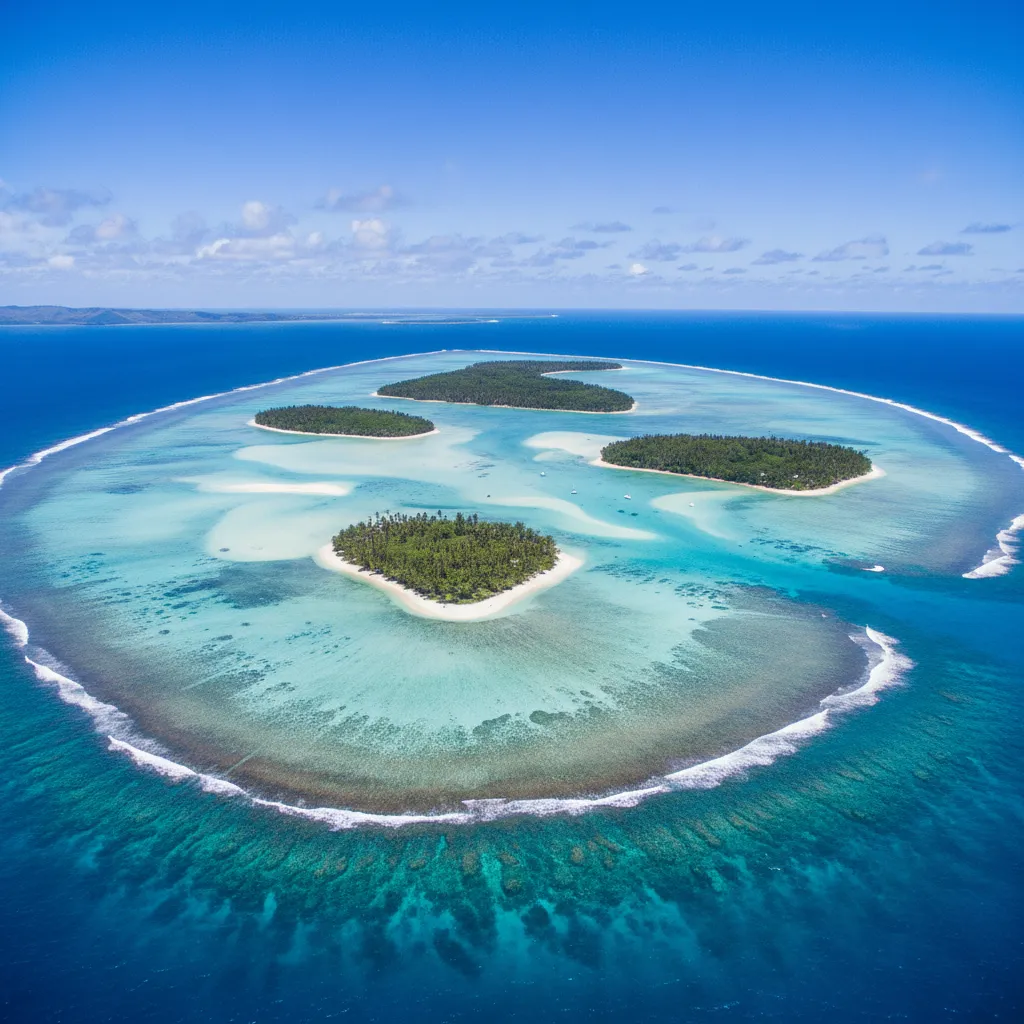
How easy are the flights from New Zealand?
For New Zealanders, accessibility is a major factor in the decision-making process. Both destinations are well-serviced, but there are nuances in frequency and flight duration.
Flight Times to Fiji vs Rarotonga
Fiji is slightly closer to New Zealand. A direct flight from Auckland (AKL) to Nadi (NAN) takes approximately 3 hours and 15 minutes. This short hop makes it incredibly attractive for families with young children who may struggle on longer flights. Flights are frequent, with Air New Zealand and Fiji Airways offering multiple daily connections.
Rarotonga is a bit further east. The flight from Auckland to Rarotonga (RAR) takes approximately 4 hours. While the difference is negligible for adults, that extra 45 minutes to an hour can be significant for toddlers. Air New Zealand and Jetstar service this route, though frequencies can sometimes be lower than the high-volume Nadi route depending on the season.
Arrival Experience
Nadi International Airport is a bustling hub. Upon arrival, you may face longer immigration queues due to the sheer volume of tourists. Furthermore, unless you are staying in Denarau (20 minutes away), you may face a 1-2 hour bus or taxi ride to the Coral Coast, or a boat transfer to the islands.
Rarotonga International Airport is tiny and efficient. You are often out of the airport and at your accommodation within 20 to 30 minutes of landing. The transfer times in Rarotonga are almost non-existent compared to Fiji, which maximizes your actual holiday time.
Is it cheaper to use NZD in Rarotonga or FJD in Fiji?
One of the most compelling reasons Kiwis choose Rarotonga is the currency. The Cook Islands use the New Zealand Dollar (NZD). This eliminates the need for currency exchange fees, mental math conversions, and the worry of leftover foreign cash at the end of the trip. The prices you see on menus are exactly what you pay, which provides a sense of financial comfort and ease.
Fiji operates on the Fijian Dollar (FJD). While the exchange rate has historically been favorable for Kiwis (often around $1 NZD to $1.30-$1.40 FJD), inflation and resort pricing can erode this benefit. In major resorts, food and beverage prices are often comparable to, or higher than, Auckland prices once converted. Additionally, you must account for bank fees and exchange commissions.
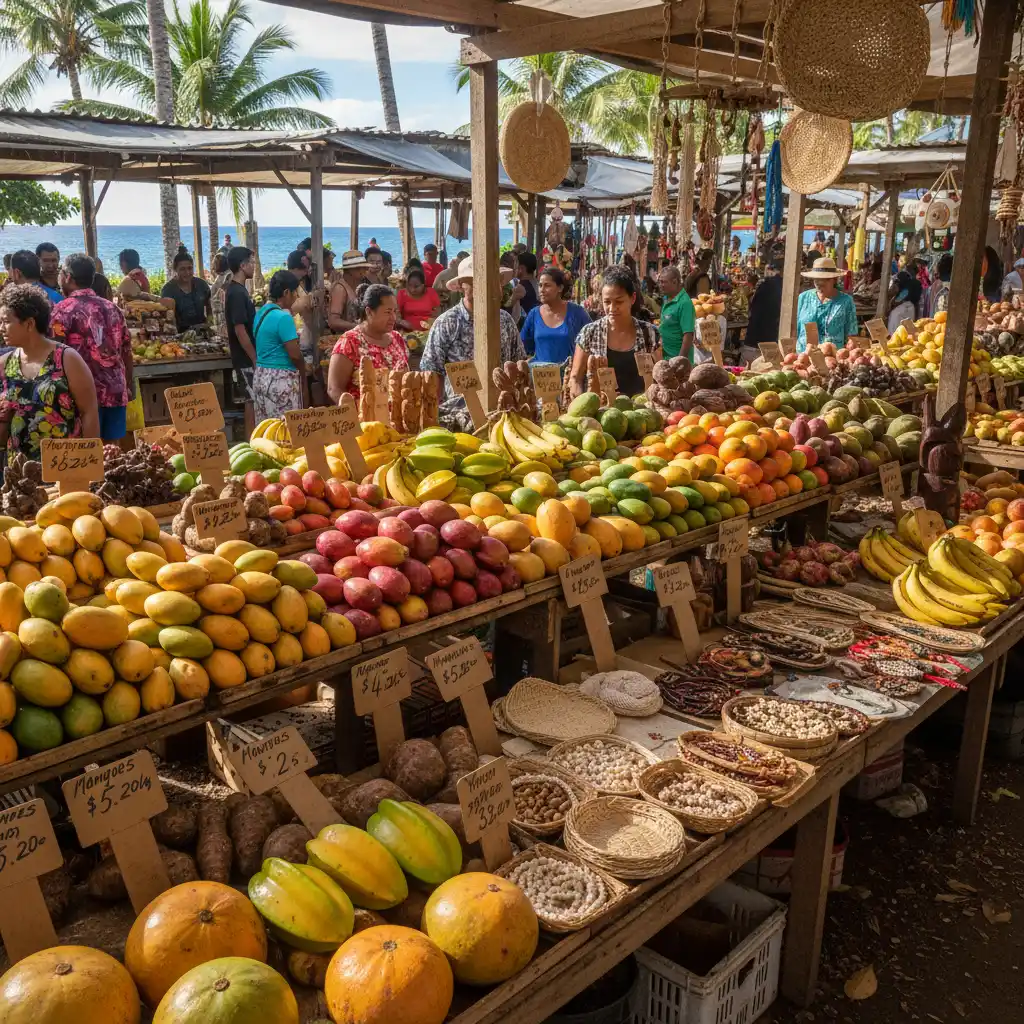
Resort Scale vs Boutique Villas: What is the difference?
The accommodation landscape is perhaps the most defining difference between Fiji and Rarotonga.
Fiji: The Land of Mega-Resorts
Fiji is famous for its large, integrated resorts. Brands like Sheraton, Hilton, and InterContinental have massive properties here. These resorts are destinations in themselves, featuring multiple swimming pools, several restaurants, expansive kids’ clubs, golf courses, and spas. If you are looking for a “flop and drop” holiday where you are pampered and entertained without leaving the gate, Fiji excels.
Fiji also offers the unique option of private island resorts (like those in the Mamanucas and Yasawas), offering a level of seclusion and luxury that is harder to find in Rarotonga.
Rarotonga: Boutique and Self-Catering
Rarotonga prohibits buildings taller than a coconut tree. Consequently, you won’t find high-rise hotels or massive resort complexes. Accommodation here leans towards boutique resorts, beachfront bungalows, and a very strong market for holiday homes and villas.
This structure encourages travelers to venture out. Because your hotel might not have five restaurants, you are more likely to explore the local dining scene. It creates a more immersive, community-integrated holiday experience. For families or groups who prefer cooking their own breakfast or having a BBQ on the deck, Rarotonga’s vast selection of rental holiday homes is superior.
Which island has better beaches and snorkeling?
When analyzing Fiji vs Rarotonga for holiday activities involving the water, geography plays a huge role.
Rarotonga’s Accessible Lagoon
Rarotonga is surrounded by a fringing reef, creating a calm, turquoise lagoon that wraps around the island. The most famous spot, Muri Lagoon, allows you to wade out to small islets (motus). The snorkeling is accessible directly from the beach in many places (especially the southern coast near the Fruits of Rarotonga marine reserve). You do not need a boat to see fish; you just step into the water. However, the lagoon can be shallow at low tide, making swimming difficult in certain areas.
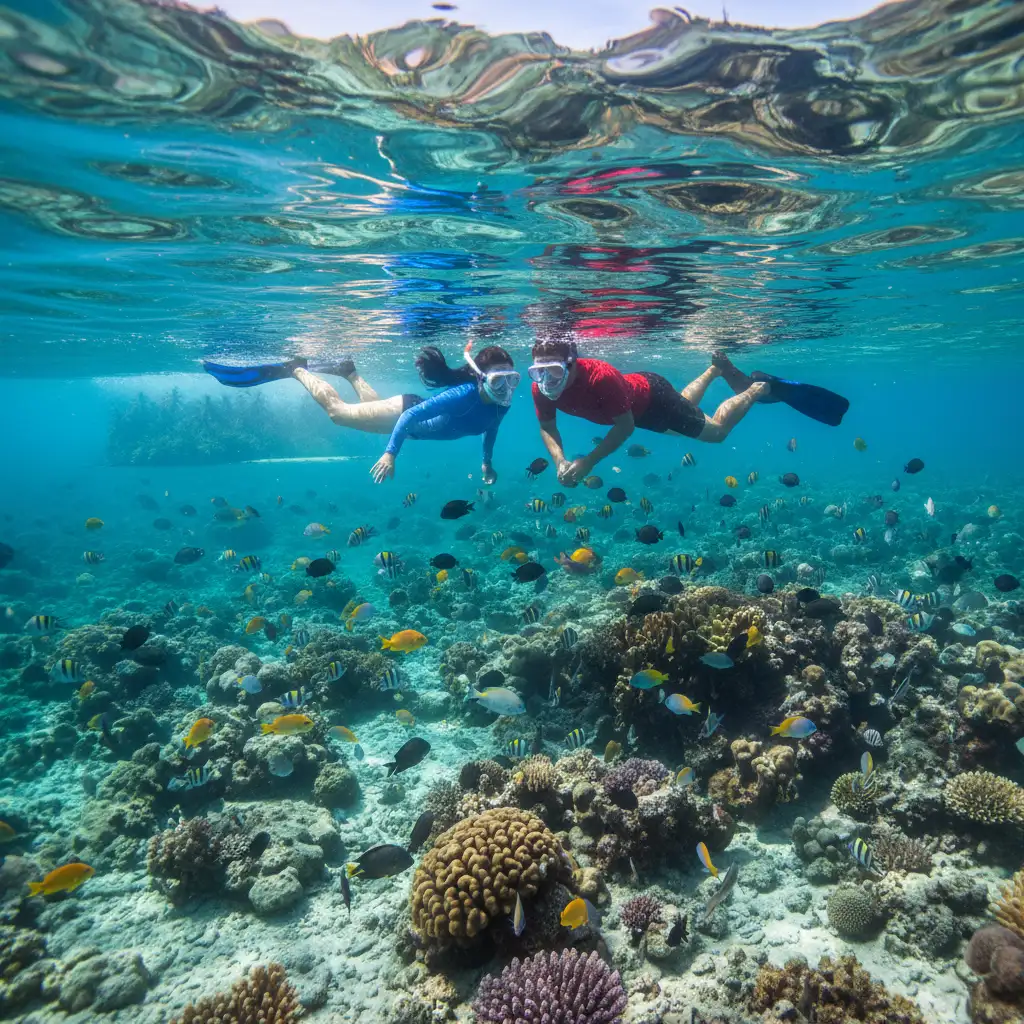
Fiji’s Tidal Mainland vs. Island Paradise
A critical distinction in Fiji is between the mainland (Viti Levu) and the outer islands. The beaches on the mainland, particularly around Nadi and the Coral Coast, are often tidal. At low tide, the water recedes significantly, revealing mudflats or coral shelves that are not swimmable. To get the postcard-perfect white sand and all-tide swimming, you generally need to travel to the Mamanuca or Yasawa islands.
However, once you are in the Fijian islands, the snorkeling and diving are world-class—generally superior to Rarotonga in terms of coral diversity and marine life volume. If you are a serious diver, Fiji (specifically the Bligh Water or Taveuni) wins hands down.
Getting Around: Scooters vs Taxis
The vibe of transportation reflects the overall atmosphere of the islands.
The Rarotonga Scooter Culture
In Rarotonga, renting a scooter is the standard way to get around. There is one main road circling the island (32km total). You can drive the whole loop in under an hour. There is also a convenient bus service: one bus goes “Clockwise” and the other “Anti-Clockwise.” It is impossible to get lost. This freedom allows for spontaneous exploration of cafes, beaches, and galleries.
Fiji’s Transfer Logistics
In Fiji, distances are vast. You generally rely on resort shuttles, private taxis, or organized tours to leave your hotel. If you are on an island resort, you are boat-bound unless you pay for a transfer to another island. This makes Fiji feel more segmented; you are either “at the resort” or “on a tour,” whereas in Rarotonga, you are simply “on the island.”
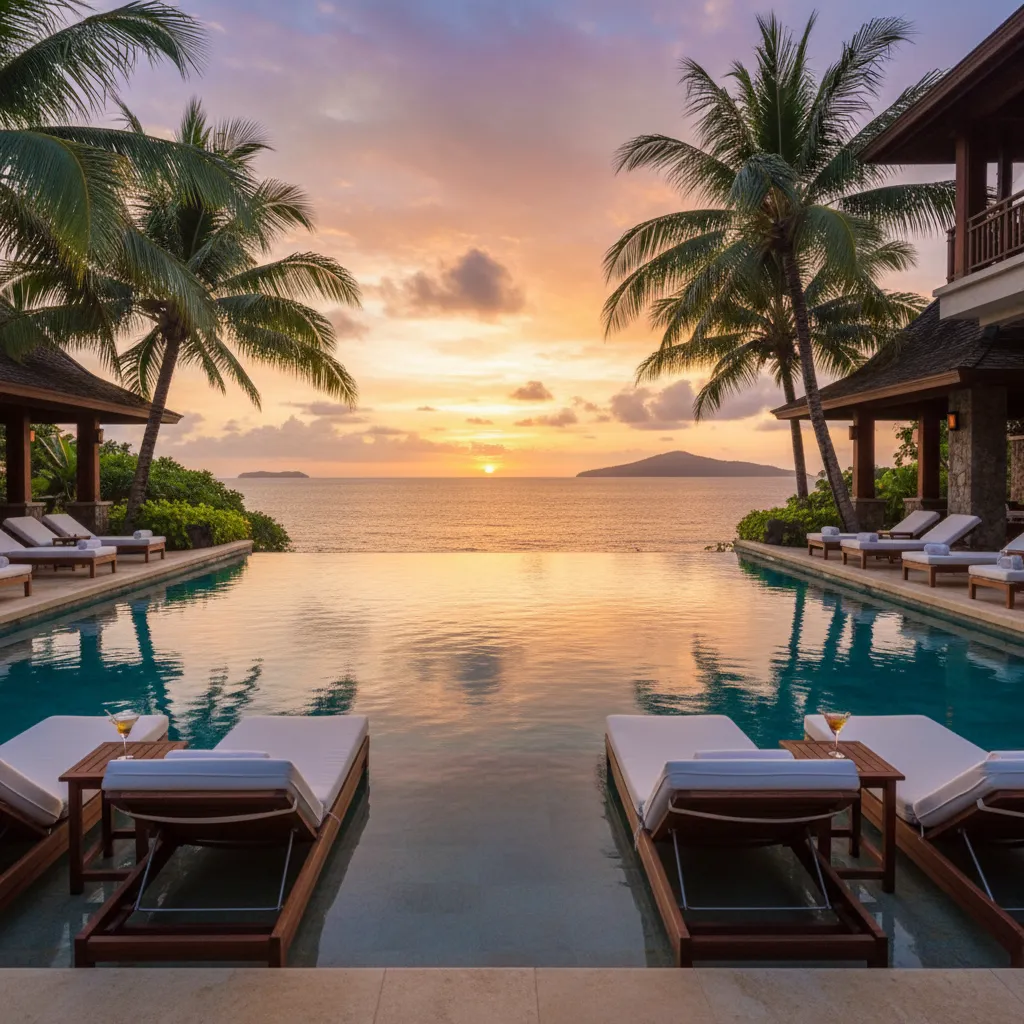
What is the best time to visit?
Both nations share a similar tropical climate, but Rarotonga is further south, making it slightly cooler.
- Fiji: generally hotter and more humid. The wet season is from November to April (cyclone season). The dry season (May to October) is perfect for Kiwis escaping the cold, with temps ranging from 25°C to 30°C.
- Rarotonga: slightly cooler evenings, especially in July and August. You might need a light jumper at night. This can be refreshing for those who find high humidity oppressive. The peak season aligns with Fiji (NZ winter).
Final Verdict
Choose Fiji if: You want a classic resort holiday with extensive amenities, you have active kids who love kids’ clubs, you are a scuba diver, or you want the adventure of island hopping.
Choose Rarotonga if: You want a relaxed, self-paced holiday, you prefer the ease of using NZ currency, you enjoy exploring independently on a scooter, and you prefer boutique accommodation over mega-resorts.
People Also Ask
Is Fiji or Rarotonga cheaper for a holiday?
Rarotonga can often be cheaper for on-the-ground costs because you can use New Zealand currency and self-cater easily. However, Fiji often has more competitive flight and accommodation packages due to the higher volume of tourism and large resorts competing for business.
Which is better for families: Fiji or Rarotonga?
Fiji is generally considered better for families who want structured entertainment, thanks to its world-renowned “Bula Clubs” (kids’ clubs) and nanny services. Rarotonga is excellent for families who want a low-key, quality-time holiday where they explore beaches and lagoons together.
Do I need a visa for Fiji or Rarotonga from NZ?
New Zealand passport holders do not need a visa for short tourist stays in either Fiji or the Cook Islands (Rarotonga). However, you must have a valid passport and a return ticket.
Is the food better in Fiji or Rarotonga?
Rarotonga has a fantastic café culture and accessible high-quality dining options scattered around the island. Fiji’s dining is often centered within resorts, which can be excellent but expensive. For street food and markets, Rarotonga is more accessible.
Can you swim in the ocean in Fiji?
Yes, but on the main island (Viti Levu), many beaches are tidal, meaning swimming is difficult at low tide. For the best all-tide swimming beaches, you should travel to the outer islands like the Mamanucas or Yasawas.
How long is the flight from NZ to Fiji vs Rarotonga?
Auckland to Fiji (Nadi) is approximately 3 hours and 15 minutes. Auckland to Rarotonga is approximately 4 hours.