
The optimal method to book Fiji holidays depends on itinerary complexity. For simple point-to-point travel, booking Air NZ flights directly offers control and immediate confirmation. However, for multi-stop itineraries, large groups, or luxury packages, using a bonded Kiwi travel agent provides consumer protection, wholesale pricing access, and dedicated support during disruptions.
For New Zealanders dreaming of a tropical escape, Fiji remains the undisputed champion of holiday destinations. Short flight times, warm hospitality, and pristine waters make it the ultimate backyard getaway. However, the logistics of securing that dream trip can be daunting. Should you scour the internet for the best deals yourself, or entrust your hard-earned savings to a professional?
The landscape of travel booking has shifted dramatically. With the rise of Online Travel Agencies (OTAs) and user-friendly airline apps, the barrier to entry for DIY travel is lower than ever. Yet, the horror stories of lost reservations and non-existent customer service persist. This comprehensive guide breaks down the pros, cons, and financial realities of how to book Fiji flights Air NZ offers, select resorts, and finalize your itinerary.
Booking Fiji Flights: Air NZ Direct vs. Aggregators
For most Kiwis, the journey begins with securing the flight. When you look to book Fiji flights Air NZ is the primary carrier of choice, offering frequent connections from Auckland, Wellington, and Christchurch to Nadi. The debate here is whether to book via the airline’s official portal or through a third-party flight aggregator.
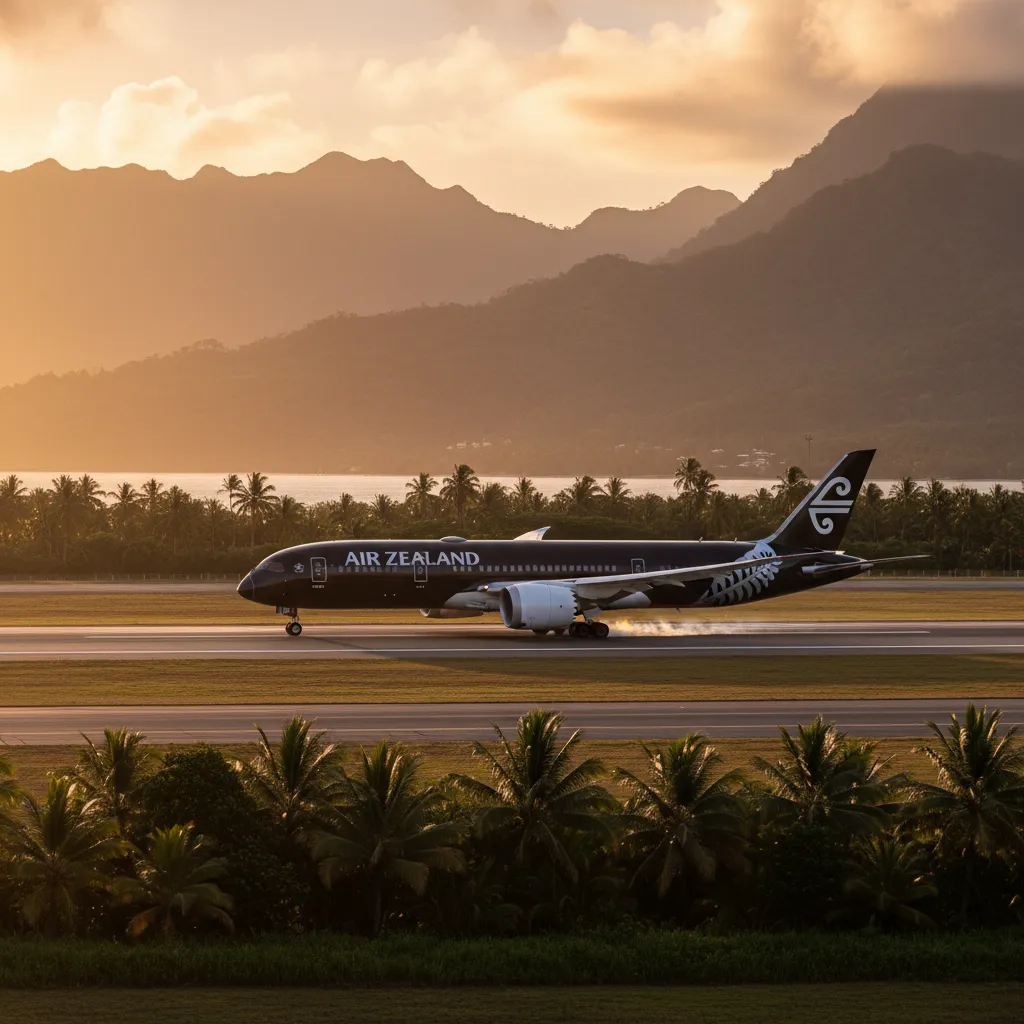
Why Book Directly with Air New Zealand?
Booking directly through the Air New Zealand website or app is generally the safest route for flight-only purchases. The primary advantage is ownership of the booking. If a cyclone delays your flight or operational issues cause a cancellation, dealing directly with the airline cuts out the middleman.
- Immediate Communication: You receive updates, gate changes, and delay notifications instantly via the Air NZ app.
- Seat Selection & Upgrades: Managing your booking, including upgrading to Skycouch or Premium Economy using Airpoints, is seamless on the direct platform.
- Fare Transparency: You can clearly see the difference between ‘Seat’, ‘Seat + Bag’, and ‘The Works’. Third-party sites often default to ‘Seat only’ to appear cheaper, resulting in shock baggage fees at the airport.
The Role of Flight Aggregators (Skyscanner, Webjet)
Aggregators are excellent for research but risky for transactions. They allow you to compare Air NZ against Fiji Airways or Qantas quickly. However, booking through them means the aggregator owns the PNR (Passenger Name Record). If you need to change your flight, Air NZ often cannot help you directly; they will refer you back to the aggregator, whose call centre might be overseas and difficult to reach.
The Case for Booking Direct with Resorts
Once the flights are sorted, the accommodation is the next major hurdle. In the post-pandemic travel era, a strong trend has emerged: booking directly with the property. This is particularly relevant for Fiji’s high-end island resorts and Denarau staples.
VIP Treatment and Room Allocation
Hotels prioritize direct bookings. When a resort manager reviews the arrivals list, guests who booked directly via the hotel’s website are often first in line for complimentary upgrades or superior room placement (e.g., a bure closer to the water rather than the garden path). This is because the hotel retains 100% of the revenue, rather than paying 15-25% commission to a third party.
Flexible Cancellation Policies
Direct bookings often come with more lenient cancellation terms. While an OTA might lock you into a “Non-Refundable” rate to save $20, the resort’s own policy might allow cancellation up to 14 days before arrival. In a tropical destination prone to weather events, this flexibility is invaluable.

Direct Perks
Many Fijian resorts offer “Book Direct” incentives that aren’t available elsewhere. These often include:
- Free airport transfers (which can cost hundreds of dollars if arranged separately).
- Resort credits for food and beverage.
- Complimentary spa treatments or nanny services.
When to Use a Kiwi Travel Agent
Despite the ease of the internet, the traditional travel agent is far from obsolete. In fact, for specific types of travellers, a TAANZ (Travel Agents’ Association of New Zealand) bonded agent is the smartest investment you can make.
Complex Itineraries and Group Travel
If you are planning a multi-generational family reunion, a destination wedding, or a trip that involves island hopping between the Mamanucas and Yasawas, the logistics can become a nightmare. Coordinating ferry transfers (like the Yasawa Flyer) with flight arrivals and accommodation check-ins requires precise timing. Agents handle this synchronization, ensuring you aren’t left stranded on a dock.
Access to Wholesale Rates
Travel agents have access to Global Distribution Systems (GDS) and wholesale wholesalers (like Infinity Holidays or Go Holidays) that the general public cannot see. While a hotel might show as “Sold Out” on Booking.com, a wholesaler might hold a block of rooms specifically for agents. Furthermore, agents can often package flights and accommodation at a “bulk” rate that is cheaper than the sum of the individual parts.
The “Fixer” Factor
The true value of an agent is realized when things go wrong. If a cyclone hits or a flight is cancelled, DIY travellers spend hours on hold with call centres. Clients of travel agents make one phone call or send one email to their agent, who then spends the hours on hold fixing the problem while the client relaxes.

The Hidden Dangers of Expedia, Booking.com & Others
Online Travel Agencies (OTAs) are marketing giants. They dominate search results and promise the “Best Price Guarantee.” However, for the New Zealand market travelling to Fiji, there are distinct pitfalls to be aware of.
The “Ghost” Booking Phenomenon
There is often a lag between an OTA’s inventory and the hotel’s live system. You might book and pay for a “Beachfront Villa” on a third-party site, receive a confirmation email, and arrive in Fiji only to find the hotel has no record of your booking—or that the room type was actually sold out days ago. This is known as a ghost booking.
Currency Conversion Fees
Many OTAs appear to offer lower prices, but the final charge is often processed overseas. This triggers international transaction fees from your NZ bank (usually 2-3%) and potentially poor exchange rates. A deal that looked $50 cheaper can quickly become $100 more expensive once the bank statement arrives.
Lack of Accountability
If you have a complaint about the hotel standard, the hotel will tell you to contact the OTA. The OTA will tell you they are just a platform and you must contact the hotel. This circular lack of accountability is frustratingly common. Furthermore, many OTAs have stripped back their customer service to AI chatbots, making it nearly impossible to speak to a human.
Financial Breakdown: Package vs. Separate Booking
Is it cheaper to bundle? Let’s analyze the costs. Generally, bundling (Flight + Hotel) works best for standard 5-7 night stays at large resorts (like the Sheraton, Hilton, or Shangri-La). For boutique experiences or off-the-beaten-path travel, separate bookings often yield better value.

The “Invisible” Savings of Packages
A travel agent or an airline package holiday (like Air New Zealand Holidays) often utilizes “opaque” airfares. These are flight prices that are significantly lower than public rates but can only be sold when hidden inside a package with accommodation. You cannot see the individual breakdown, but the bottom line is lower.
The Cost of DIY flexibility
Booking separately gives you maximum control. If you find a cheap flight sale (e.g., Grabaseat) and pair it with a “Stay 7, Pay 5” deal directly from a resort, you can beat package prices. However, this requires constant monitoring of sales and quick action.
Summary of Cost Effectiveness
- Budget Travellers: DIY Separate bookings (Wait for Grabaseat + Hostel/Budget OTA).
- Families/Couples (Standard): Package deal via Agent or Airline Holidays (Convenience + bundled savings).
- Luxury/Honeymoon: Specialist Agent or Direct with Resort (Value adds like upgrades outweigh small price differences).
Frequently Asked Questions
Is it cheaper to book flights and hotel separately for Fiji?
Not always. While booking separately allows you to snipe specific sales (like Air NZ Grabaseat), package deals often access wholesale rates that are unavailable to the public. For standard 7-day holidays at major resorts, packages are usually more cost-effective.
Do travel agents charge a fee in New Zealand?
Some agents charge a service fee or a consultation fee (typically $50-$100), which may be redeemable against your booking. However, many agents earn their commission from the hotels and airlines, meaning their service is effectively free to you while providing added security.
Can I use Airpoints to book a package holiday?
Yes, if you book through the Air New Zealand Holidays portal, you can often use Airpoints Dollars to pay for part or all of the package, including the accommodation and rental car components.
What is the best day to book flights to Fiji?
Historically, mid-week bookings (Tuesday or Wednesday) often yield better flight prices. For Fiji specifically, keep an eye out for Air New Zealand’s “Pacific Island sales” which frequently occur during shoulder seasons (May and October).
Are OTA bookings refundable?
This depends entirely on the specific rate class you selected. Many “cheapest available” rates on sites like Booking.com are strictly non-refundable. Always read the fine print before clicking pay, especially for tropical destinations where weather can affect travel.
Why do hotels prefer direct bookings?
Hotels prefer direct bookings because they do not have to pay commissions (often 15-25%) to third-party sites. They often pass some of these savings back to the guest in the form of free Wi-Fi, resort credits, or room upgrades.