
Is Fiji all-inclusive worth it? Generally, yes, for families with active teenagers and travelers who plan to consume more than three alcoholic beverages daily. With resort buffet dinners averaging $90 FJD and cocktails around $25 FJD, an all-inclusive supplement under $200 NZD per day usually offers superior value. However, pay-as-you-go is financially smarter for light eaters, foodies wanting local variety, or those staying near Denarau Marina.
For New Zealand travelers, Fiji represents the ultimate tropical escape, just a short flight from Auckland. However, the relaxation of island time often comes with a side of financial anxiety when faced with resort menu prices. The debate between booking an all-inclusive package versus opting for a pay-as-you-go (PAYG) model is one of the most common dilemmas for Kiwi holidaymakers. This guide dissects the math, the menus, and the hidden details to help you decide which option maximizes your holiday budget.
The Economics of Fiji Resort Dining
To determine if an all-inclusive upgrade is “worth it,” you must first understand the baseline costs of dining in Fiji. Unlike Southeast Asia, where street food is abundant and cheap, Fiji—particularly the outer islands and the Coral Coast—is a resort-centric destination. If you are staying on an island in the Mamanucas or Yasawas, you are a captive audience. There are no local taverns or supermarkets down the road; the resort is your only source of sustenance.
For a standard 4-star resort, current average prices (in Fiji Dollars) are roughly:
- Continental Breakfast: $35 – $50 FJD
- Lunch (Burger/Wrap): $30 – $45 FJD
- Dinner (Buffet Theme Night): $85 – $110 FJD
- Dinner (A La Carte Mains): $45 – $75 FJD
- Soft Drinks: $8 – $12 FJD
- Local Beer (Fiji Gold/Bitter): $12 – $18 FJD
- Cocktails: $22 – $35 FJD
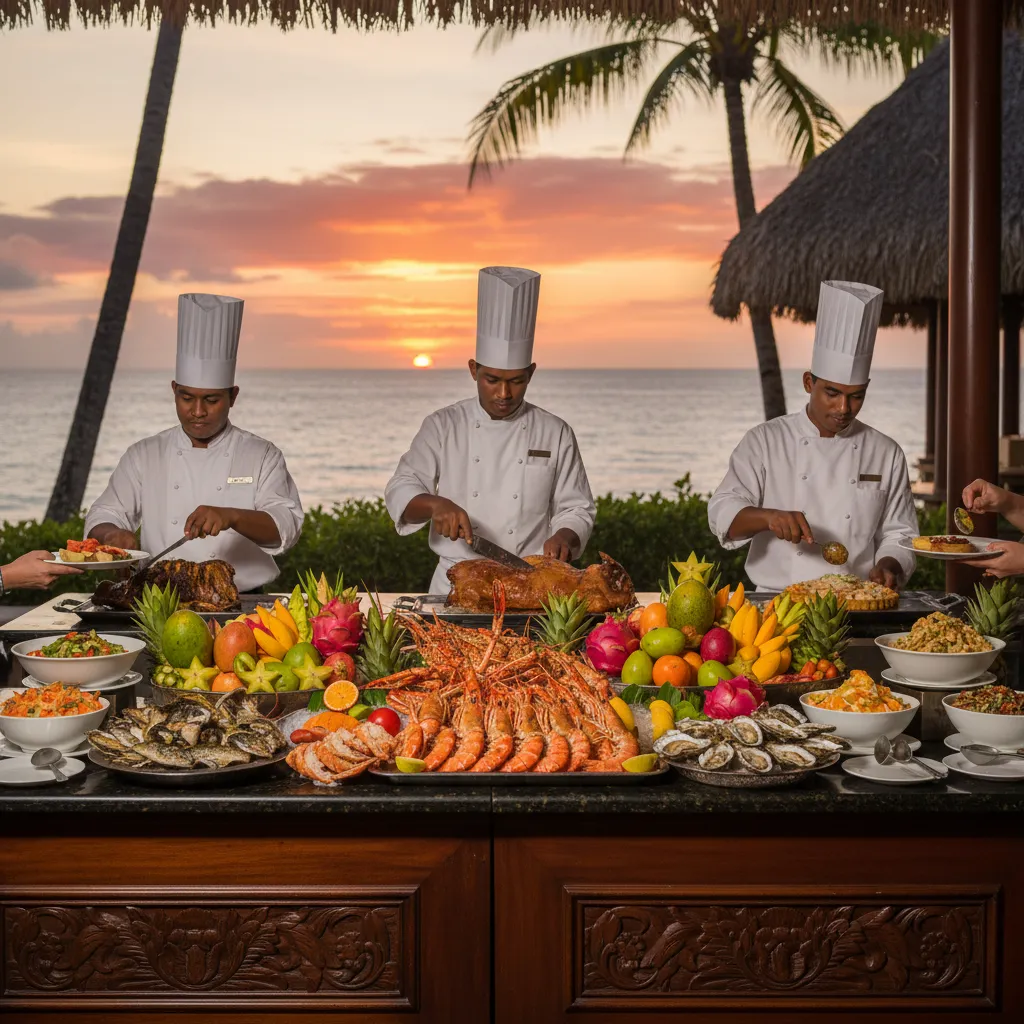
For a New Zealand couple, a modest day of eating and drinking (breakfast included in room rate, light lunch, dinner, 2 beers, and 2 cocktails each) can easily total $350 – $450 FJD (approx. $250 – $320 NZD) without an all-inclusive plan. If the all-inclusive add-on is priced below this threshold, the value proposition becomes clear.
Analyzing Meal Plan Costs: The Breakdown
Resorts typically offer tiered meal plans: Half Board (Breakfast & Dinner), Full Board (Breakfast, Lunch, Dinner), and All-Inclusive (All meals + Drinks). Analyzing the cost requires looking at your consumption habits honestly.
The “Full Board” Trap
Full Board often presents the least value for money for sedentary travelers. In the tropical heat, many guests find a heavy buffet breakfast and a three-course dinner sufficient, rendering a paid lunch unnecessary. If you upgrade to Full Board but only eat a salad for lunch, you are effectively overpaying. However, for families with active teenagers who spend hours swimming and snorkeling, the caloric needs are higher, and Full Board becomes a money-saver.
The Buffer vs. A La Carte Quality Gap
A critical factor often overlooked is the type of food included. All-inclusive plans rely heavily on buffet dining to manage costs. While quantity is guaranteed, quality can vary. A la carte restaurants within the resort often attract a surcharge even for all-inclusive guests. If you are a foodie who prefers a quiet, high-quality steak or seafood platter over a noisy themed buffet, the all-inclusive pass might restrict your culinary experience or force you to pay extra supplements.
Drink Packages Explained: The Alcohol Equation
For many Kiwis, the “worth it” factor hinges entirely on the beverage package. Alcohol in Fiji is not cheap due to import taxes and resort markups. This is where the math swings wildly in favor of the all-inclusive guest—provided they drink enough.
The Breakeven Point:
Most beverage packages cost the equivalent of roughly $120–$150 NZD per person per day. To break even, you need to consume approximately:
- 6-8 Beers OR
- 5-6 Glasses of Wine OR
- 4-5 Cocktails
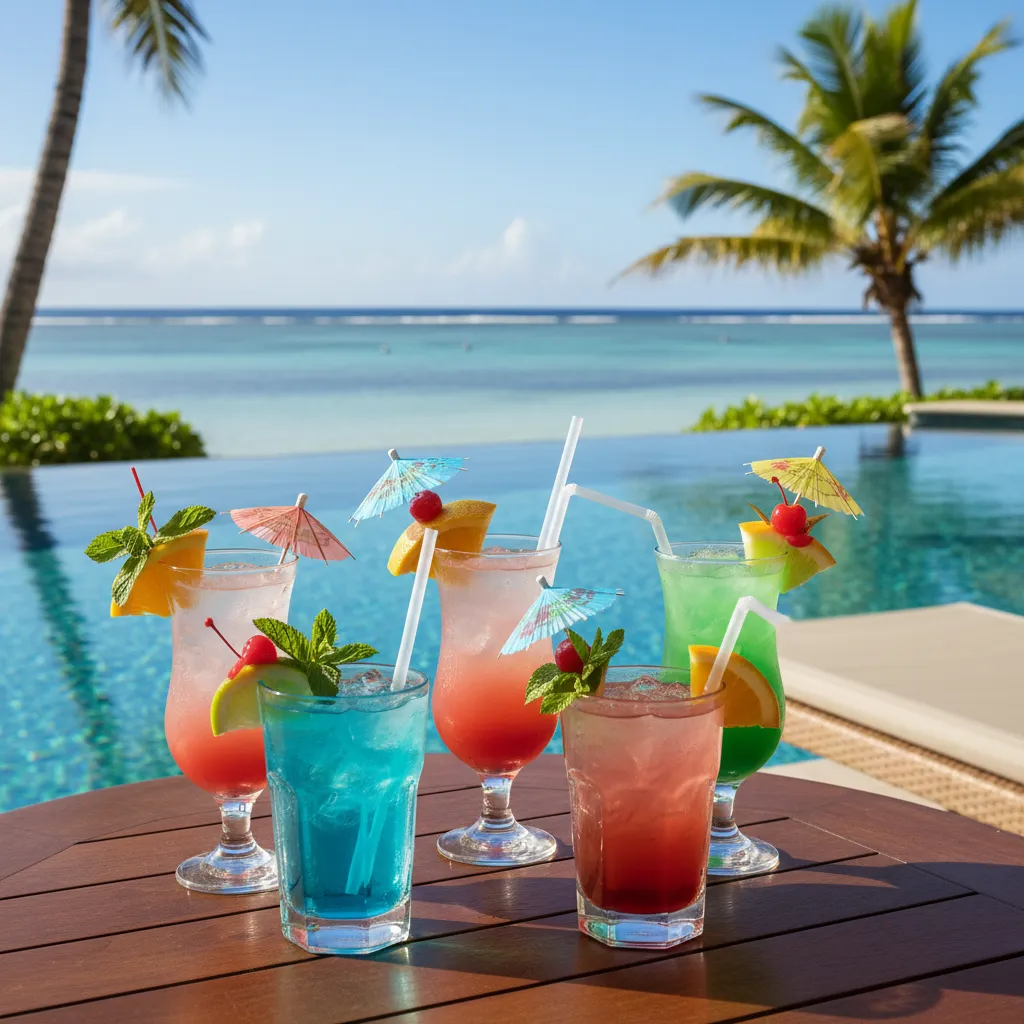
If you enjoy a mimosa at breakfast, a beer with lunch, a cocktail by the pool, wine with dinner, and a nightcap, you are well into the “profit” zone. However, if you are a light drinker or prefer premium brands, be careful. Standard all-inclusive packages usually cover local spirits (Bounty Rum, Czarina Vodka) and local beers (Fiji Gold). If you only drink top-shelf whiskey or French champagne, these are almost never included and will be charged to your room regardless of your package status.
Hidden Costs in ‘All-Inclusive’ Deals
The term “All-Inclusive” is rarely all-encompassing. When booking from New Zealand, it is vital to read the fine print to avoid bill shock at checkout. Here are the most common exclusions that can turn a budget holiday into an expensive one:
1. The “Premium” Surcharge
We touched on alcohol, but this applies to food too. Lobster nights, private beach dinners, and Teppanyaki bars often incur a surcharge of $40-$80 FJD per person, even for all-inclusive guests. If you plan to dine at the resort’s signature restaurant every night, the meal plan may only cover a portion of the bill.
2. Mini-Bar and Room Service
Standard all-inclusive packages usually apply only to bars and restaurants. The Pringles and beer in your mini-bar? Chargeable. Ordering a club sandwich to your room at 11 PM? Chargeable plus a tray fee. True “24-hour all-inclusive” is rare in Fiji compared to destinations like Mexico.
3. Activities and Transfers
Unlike some Caribbean resorts where motorized water sports are included, Fiji resorts often charge for jet skis, diving, and island-hopping excursions. Your package likely covers non-motorized gear like kayaks and snorkels, but don’t assume the sunset cruise is free.
When Pay As You Go is the Smarter Choice
Despite the allure of an upfront price, the Pay As You Go (PAYG) model is superior for specific types of travelers.
The Denarau Advantage
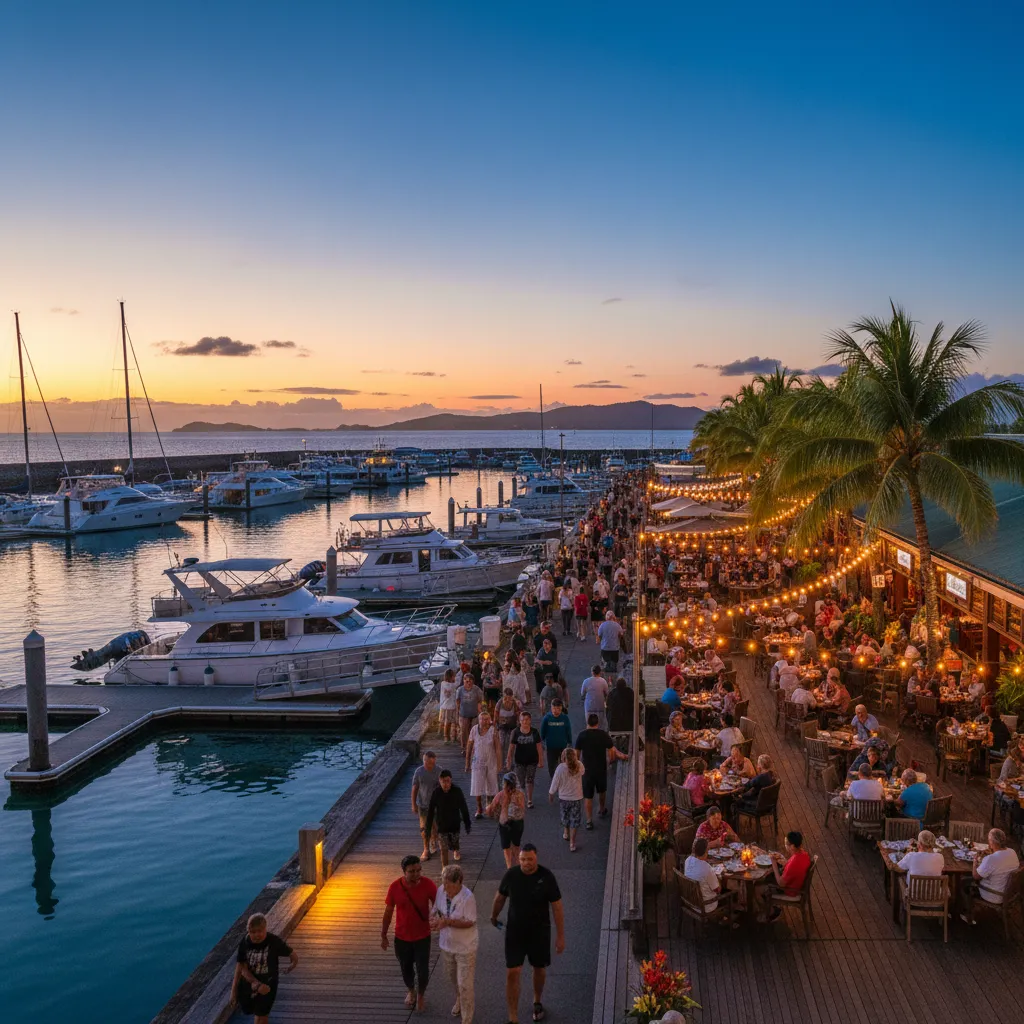
If you are staying at Port Denarau (Sofitel, Hilton, Sheraton, Radisson), an all-inclusive package is almost always a bad financial decision. You are walking distance (or a $7 Bula Bus ride) from the Port Denarau Marina, which hosts exceptional independent restaurants like Cardo’s, Bonefish, and Hard Rock Cafe. Dining at the Marina is often 30-40% cheaper than resort prices, and the variety is vastly superior. Locking yourself into a resort meal plan here means missing out on the local dining scene.
The Explorer Traveler
If you plan to spend 3 out of 7 days on day trips (Cloud 9, Malamala Beach Club, Tivua Island), you will be eating lunch and drinking off-site. You are essentially paying for meals at the resort that you aren’t eating. For explorers, a simple Bed & Breakfast rate is the most economical approach.
Light Eaters
In the humidity, many travelers find their appetite suppressed. A late buffet breakfast often keeps adults full until dinner, with perhaps just a fruit platter in between. Paying $150+ NZD per day for food you physically cannot eat is a waste. PAYG allows you to pay for exactly what you consume.
Best Value All-Inclusive Resorts for Kiwis
If you have decided that All-Inclusive is the way to go for peace of mind, these resorts currently offer the best value-for-money packages for the New Zealand market.
1. The Naviti Resort (Coral Coast)
Best for: Families on a Budget.
The Naviti is legendary among Kiwi families for its comprehensive all-inclusive offering. It includes all meals, unlimited local drinks (beer, wine, spirits), and even ice cream for the kids. Crucially, it includes a daily round of golf, which is a massive value add. While the rooms are older, the value is unbeatable.
2. Plantation Island Resort (Mamanucas)
Best for: Classic Island Experience.
Plantation allows you to purchase meal plans upon arrival or beforehand. Their buffet is extensive and caters heavily to Kiwi and Aussie palates. Because you are on an island, the meal plan here is highly recommended to control costs.
3. Fiji Hideaway Resort & Spa (Coral Coast)
Best for: Social Atmosphere.
The Hideaway’s all-inclusive package is robust, covering meals at the main restaurant and a generous drinks menu. The communal nature of the resort makes the bar a central hub, so having the drinks package encourages socializing without worrying about the tab.
4. Likuliku Lagoon Resort (Adults Only)
Best for: Luxury.
Unlike the family resorts, Likuliku includes meals in the tariff but excludes alcohol. However, the quality of the food (3-course a la carte lunches and dinners) is world-class. Here, you are paying for gourmet dining, not a bulk buffet.
The Final Verdict: Which Style Suits You?
Ultimately, the decision comes down to your “Holiday Psychology.”
Choose All-Inclusive if:
- You want zero financial stress during the trip (the “wallet-free” experience).
- You are traveling with hungry teenagers.
- You plan to enjoy cocktails and beers throughout the day, not just at dinner.
- You are staying on an outer island with no other dining options.
Choose Pay As You Go if:
- You are staying in Denarau and want to dine at the Marina.
- You are a light eater or non-drinker.
- You plan to be off-resort for excursions most days.
- You prefer high-end a la carte dining over rotational buffets.
For the average Kiwi family heading to the Coral Coast for a week of pool time, the All-Inclusive package usually wins on value and relaxation. For the couple heading to Denarau for a mix of relaxation and adventure, Pay As You Go is the smarter financial play.
Is food expensive in Fiji for tourists?
Yes, food inside resorts is comparable to high-end restaurant prices in New Zealand. A burger can cost $35 NZD and a buffet dinner around $75 NZD. Supermarket prices for snacks are reasonable, but resort dining is priced at a premium due to importation costs.
Can you drink tap water in Fiji resorts?
Generally, tap water at major resorts and in Nadi/Suva is safe to drink. However, to avoid any risk of ‘Fiji Belly,’ many tourists prefer bottled water. All-inclusive packages usually provide bottled water, whereas pay-as-you-go guests may be charged for it at meals.
Do Fiji all-inclusive packages include alcohol?
Most “All-Inclusive” packages in Fiji include local beer (Fiji Gold/Bitter), local spirits, and house wines. Premium international brands, cocktails using top-shelf liquor, and champagne are usually excluded or attract a surcharge.
Is it cheaper to upgrade to all-inclusive upon arrival?
Rarely. It is almost always cheaper to pre-purchase meal plans through your travel agent or as part of a package deal from New Zealand. Resorts charge a premium for on-site upgrades, and you lose the ability to bundle costs into your initial holiday payment.
What is the best currency to use in Fiji?
The Fijian Dollar (FJD) is the official currency. While resorts accept credit cards (often with a 2-3% surcharge), you will need cash for local markets and small vendors. It is best to exchange some NZD for FJD before leaving or at the Nadi airport.
Do kids eat free in Fiji?
Many family-friendly resorts (like The Naviti, Shangri-La, and Outrigger) have “Kids Eat Free” policies, usually applicable to children under 12 dining from the kids’ menu or buffet when accompanied by a paying adult. This significantly reduces the value of buying a full meal plan for young children.