
To plan a cheap Fiji holiday, New Zealand travelers should prioritize travel during shoulder seasons (May, June, or October) and book flights during Air New Zealand or Fiji Airways sales. Significant savings are achieved by staying on Viti Levu or utilizing ‘flashpacker’ resorts in the Yasawas, eating at local cafes instead of resort restaurants, and using public transport or shared shuttles rather than private transfers.
For Kiwi travelers dreaming of white sands and turquoise waters, Fiji remains the ultimate Pacific escape. However, the perception of Fiji as exclusively a high-end luxury destination often deters budget-conscious families and couples. The reality is that Fiji offers a versatile spectrum of experiences, ranging from affordable adventure to opulent seclusion. By strategically mixing budget hacks with targeted splurges, you can curate a world-class experience without the five-star price tag.
What is the difference between Budget and Luxury Fiji travel?
Understanding the layout of the Fijian archipelago is crucial for budgeting. Generally, the main island of Viti Levu (home to Nadi and Suva) offers the most competitive pricing due to accessibility and competition. In contrast, the outer islands—specifically the Mamanucas and Yasawas—offer that quintessential postcard experience but come with higher logistics costs.
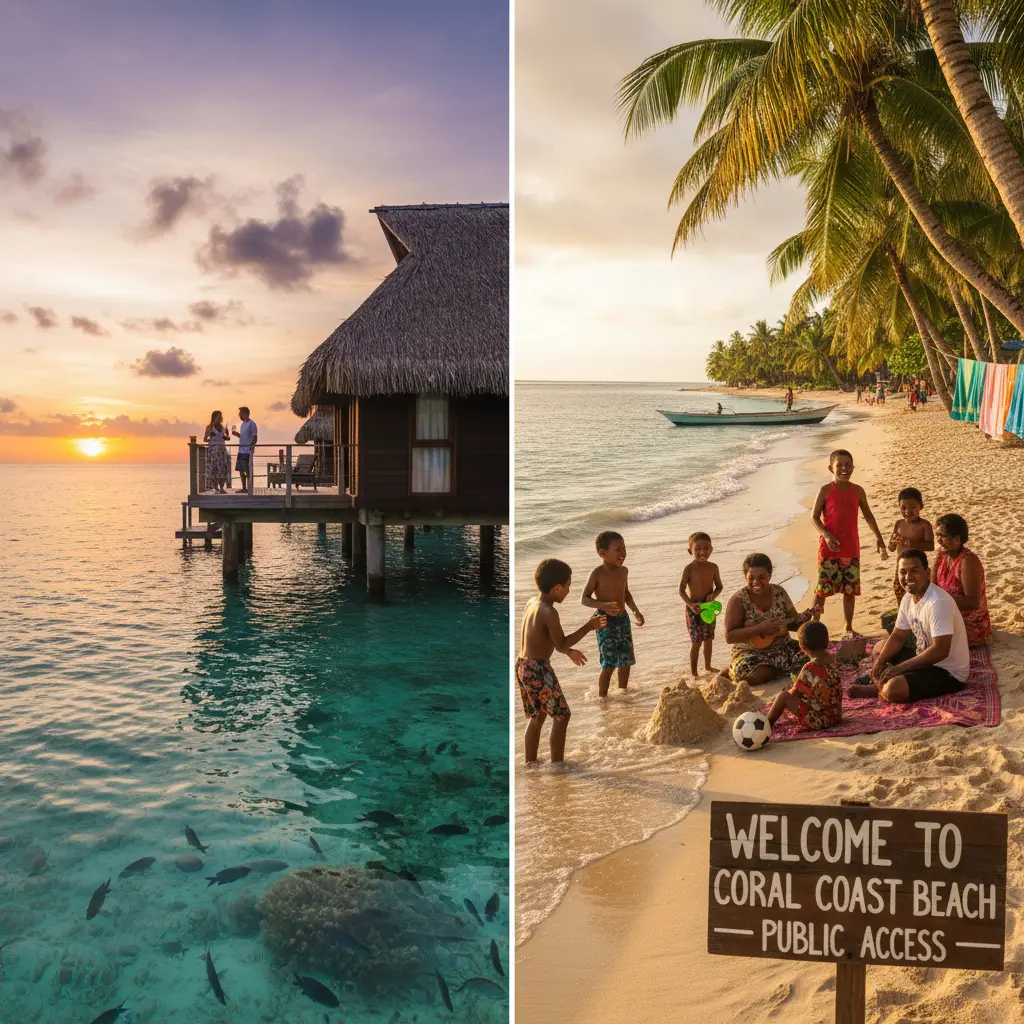
A luxury itinerary typically involves private helicopter transfers, exclusive island buyouts, and all-inclusive meal plans that can exceed NZD $1,000 per night. Conversely, a budget itinerary focuses on the mainland (Coral Coast), utilizes the “Bula Bus” or public transport, and takes advantage of the booming “flashpacker” market—upscale backpacking resorts that cater to families and couples looking for vibe over vanity.
How can you save money on food and transfers in Fiji?
The two biggest expenses after accommodation are invariably dining and transport. For New Zealanders used to the convenience of EFTPOS and Uber, Fiji requires a different approach.
Strategic Dining: Beyond the Resort Walls
Resort food in Fiji is notoriously expensive, often priced to subsidize room rates. A burger and chips at a 5-star resort can easily cost FJD $45 (approx. NZD $33). To mitigate this:
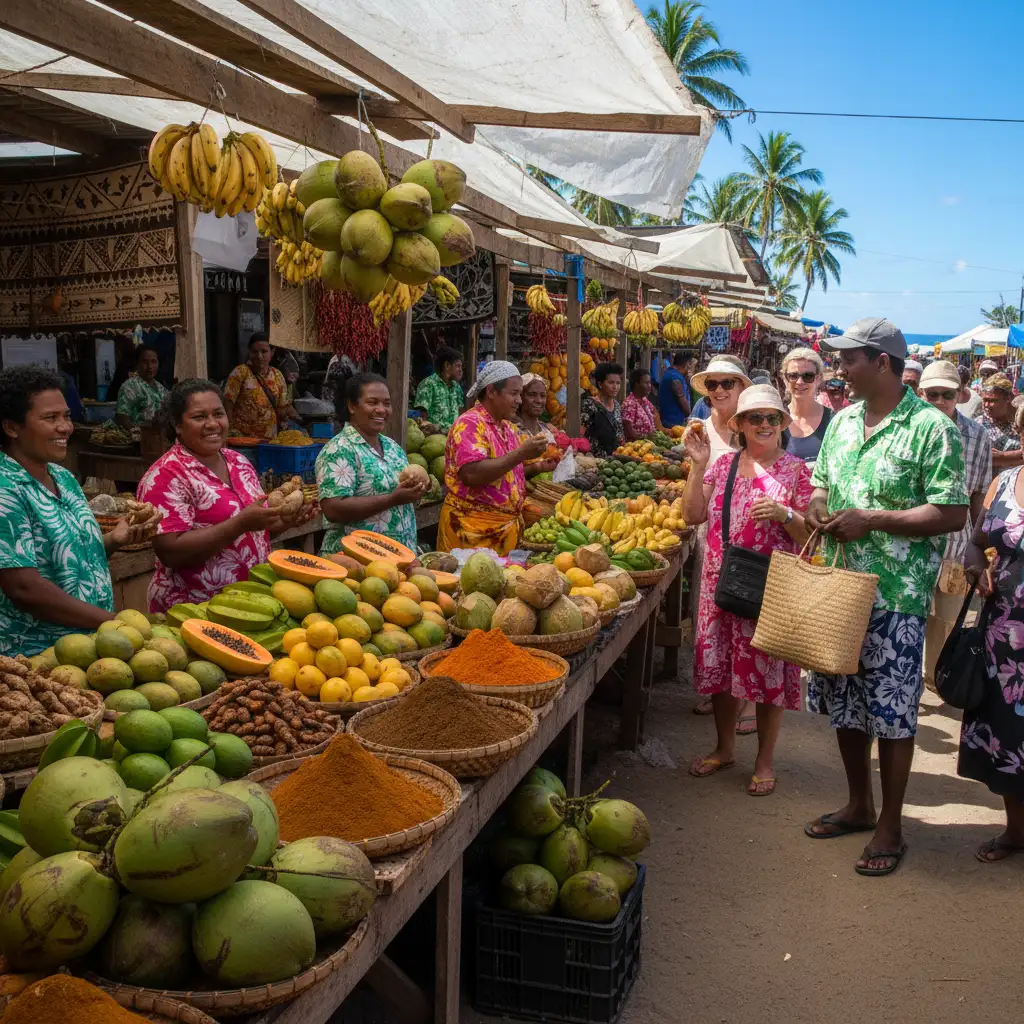
- Shop Local: If your accommodation has a fridge, stop at a supermarket in Nadi or Sigatoka before heading to your hotel. Stock up on water, snacks, New Zealand wine (which is marked up heavily in resorts), and breakfast essentials.
- Denarau Marina & Nadi Town: If you are staying on Denarau Island, do not eat at your hotel every night. The Bula Bus costs a few dollars and takes you to the Port Denarau Marina, where dining options are competitive. Better yet, take a local bus into Nadi Town for authentic Indo-Fijian curry at a fraction of the price.
- Meal Plans with Caution: Analyze meal plans carefully. Unless you are a heavy eater, pay-as-you-go is often cheaper. However, look for “Kids Eat Free” deals, which are standard in many family-friendly Fijian resorts and offer massive savings.
Transfer Hacks
Arriving at Nadi International Airport can be chaotic. Avoid the stress of haggling with unmetered taxis by pre-planning:
- Shared Shuttles: Companies like Tourist Transport Fiji (TTF) offer seat-in-coach transfers to Denarau and the Coral Coast. This is significantly cheaper than a private transfer.
- The Public Bus: For the adventurous solo traveler or couple, the public bus system is incredibly cheap. A trip from Nadi to the Coral Coast can cost less than FJD $10. It is an open-window experience (no air conditioning), but it is authentic and scenic.
- Uber Equivalent: Fiji doesn’t have Uber, but they have local taxi apps and reliable metered taxis. Always ask for the meter to be turned on. If they refuse, negotiate the price before getting in.
What experiences in Fiji are worth the splurge?
Saving on the basics allows you to allocate funds where they create memories. In Fiji, the ocean is the main attraction, and accessing pristine marine environments is worth the cost.
Day Trips to the Outer Islands
If you are staying on the mainland to save money, you must splurge on at least one day trip to the Mamanuca or Yasawa islands. The water clarity and sand quality on the mainland simply do not compare to the outer islands.
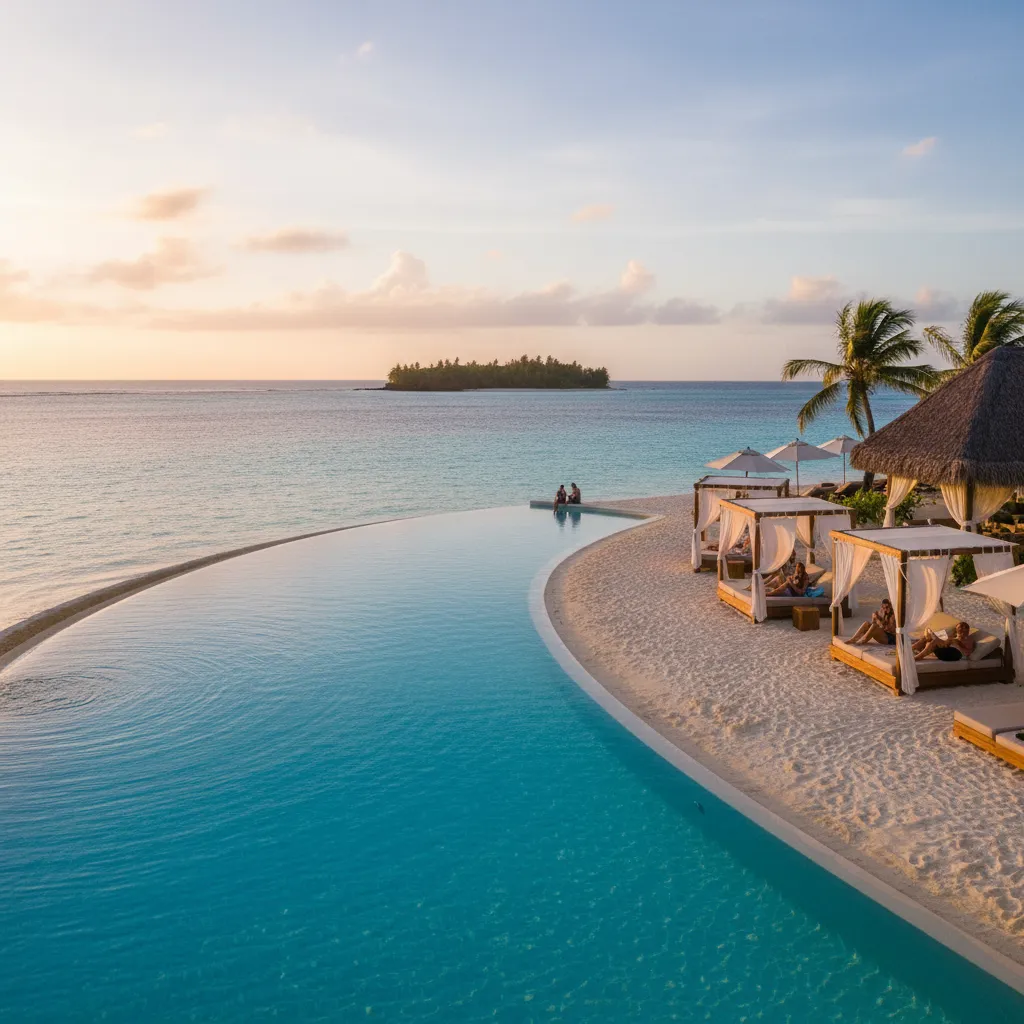
Top Recommendation: The Malamala Beach Club. It is the world’s first island beach club. For a set price, you get boat transfers and access to a private island with an infinity pool, cabanas, and exceptional snorkeling. It provides a “millionaire for a day” feeling for roughly NZD $170 per person.
Cloud 9
Another worthy splurge is Cloud 9, a floating pizza bar and sundeck in the middle of the ocean near Ro Ro Reef. The experience of swimming off a floating platform in crystal clear turquoise water is unique to Fiji.
Authentic Spa Treatments
While resort spas are expensive, the quality of Fijian massage (Bobo) is world-class. Look for spas that use Pure Fiji products. A 60-minute massage is a worthy investment for the relaxation factor, which is the primary goal of a Fiji holiday.
Are backpacker resorts suitable for families?
This is one of the best-kept secrets for cheap Fiji holiday tips. In New Zealand, “backpackers” implies hostels with bunk beds and shared bathrooms. in Fiji, the definition is different.
Many “backpacker” resorts in the Yasawa Islands are actually 3-star boutique resorts that offer dormitory accommodation alongside private family bures. These resorts are often situated on beaches that are superior to the 5-star resorts on Denarau.
The “Flashpacker” Phenomenon
Resorts like Octopus Resort, Blue Lagoon Beach Resort, and Paradise Cove offer a high standard of accommodation. They feature kids’ clubs, swimming pools, and excellent dining.
Why it works for families:
- Price: A family bure at these resorts can be 30-40% cheaper than a Sheraton or Hilton equivalent.
- Culture: The vibe is communal and friendly. You are more likely to meet other Kiwi families and interact with the local staff in a genuine way.
- Location: These resorts are usually located on incredible reefs where you can snorkel directly off the beach, saving money on boat trips.
How can you get luxury for less in Fiji?
If you are determined to have the 5-star experience without the 5-star invoice, timing and package selection are everything.
Shoulder Season Travel
Avoid the New Zealand school holidays (July, September/October, December/January) if possible. The “shoulder seasons” of May, June (early), and late October/November offer the sweet spot. The weather is warm, the humidity is manageable, and resort rates can drop by up to 40%.
Package Deals via NZ Agents
Kiwi travelers have a distinct advantage due to the volume of travel between NZ and Fiji. Keep an eye on “Grabaseat” for flights, but more importantly, monitor package deals from agencies like House of Travel or Flight Centre. They often secure “stay 7, pay 5” deals or packages that include transfers and breakfast, which are difficult to book independently.
Duty-Free Strategy
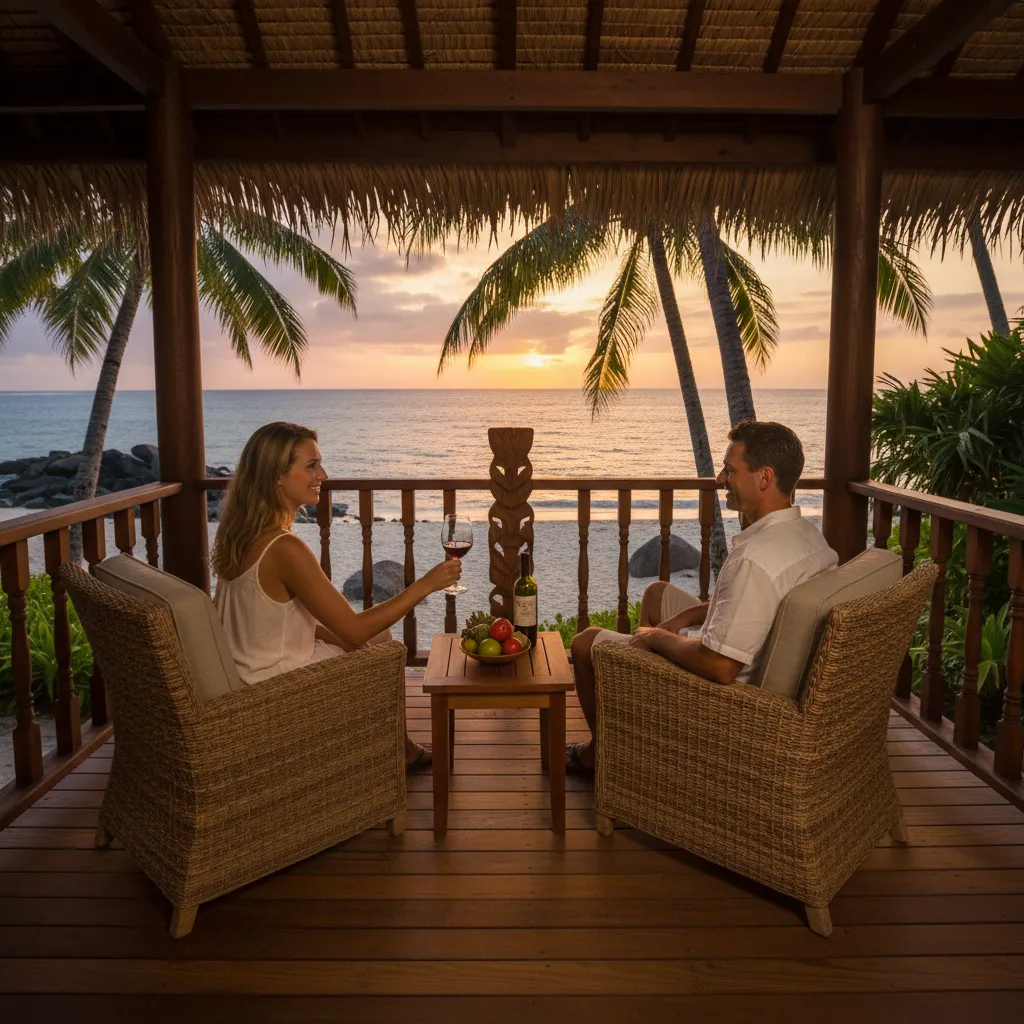
Alcohol in Fiji is heavily taxed. A cocktail at a resort bar is comparable to Auckland viaduct prices. To enjoy luxury sunsets for less, maximize your duty-free allowance upon arrival at Nadi Airport (before you clear customs). You can buy premium spirits and wine there. Enjoying a pre-dinner drink on your own balcony before heading to dinner can save a couple hundreds of dollars over a week.
People Also Ask
What is the cheapest month to go to Fiji?
February and March are typically the cheapest months to visit Fiji as this is the height of the wet season (cyclone season). However, for a balance of good weather and low prices, May and November are the best options for New Zealand travelers.
Is Fiji expensive for food and drink?
Yes, eating inside resorts is expensive, comparable to high-end dining in New Zealand. You can reduce costs significantly by eating at local restaurants in Nadi, Denarau Marina, or buying supplies from local supermarkets.
How much spending money do I need for 7 days in Fiji?
For a budget-conscious trip, budget around NZD $100-$150 per person per day for food, drinks, and minor activities (excluding accommodation). For a luxury experience involving spa treatments and fine dining, budget NZD $300+ per day.
Is it worth getting an all-inclusive package in Fiji?
All-inclusive packages are worth it if you plan to drink alcohol regularly and eat three full meals a day at the resort. If you plan to spend days out on excursions or are light eaters, a pay-as-you-go approach is usually cheaper.
Can you drink the tap water in Fiji?
In most major resorts and hotels in Nadi and Suva, tap water is generally safe to drink, but the taste may differ from New Zealand water. To be safe, many tourists stick to bottled water or boiled water, especially in rural areas or outer islands.
Do I need cash in Fiji?
While resorts accept cards, cash (Fijian Dollars) is essential for local markets, village visits, taxis, and small souvenir shops. It is best to withdraw cash at Nadi Airport ATMs upon arrival.