
When determining what to pack for a Fiji holiday, prioritize lightweight, breathable clothing like linen and cotton suitable for tropical heat. Essential items include reef-safe sunscreen (SPF 50+), high-strength insect repellent containing DEET or Picaridin, reef shoes for coral protection, and modest attire covering shoulders and knees for village visits. New Zealand travelers do not need power adapters as Fiji uses the same Type I outlets.
What are the absolute essentials for a Fiji packing list?
Preparing for a trip to the Fijian islands requires balancing the relaxed resort lifestyle with the practical necessities of a tropical environment. For New Zealand travelers, the transition from a temperate climate to high humidity requires specific fabric choices and protective gear. The following sections break down exactly what you need to ensure your island getaway is stress-free.
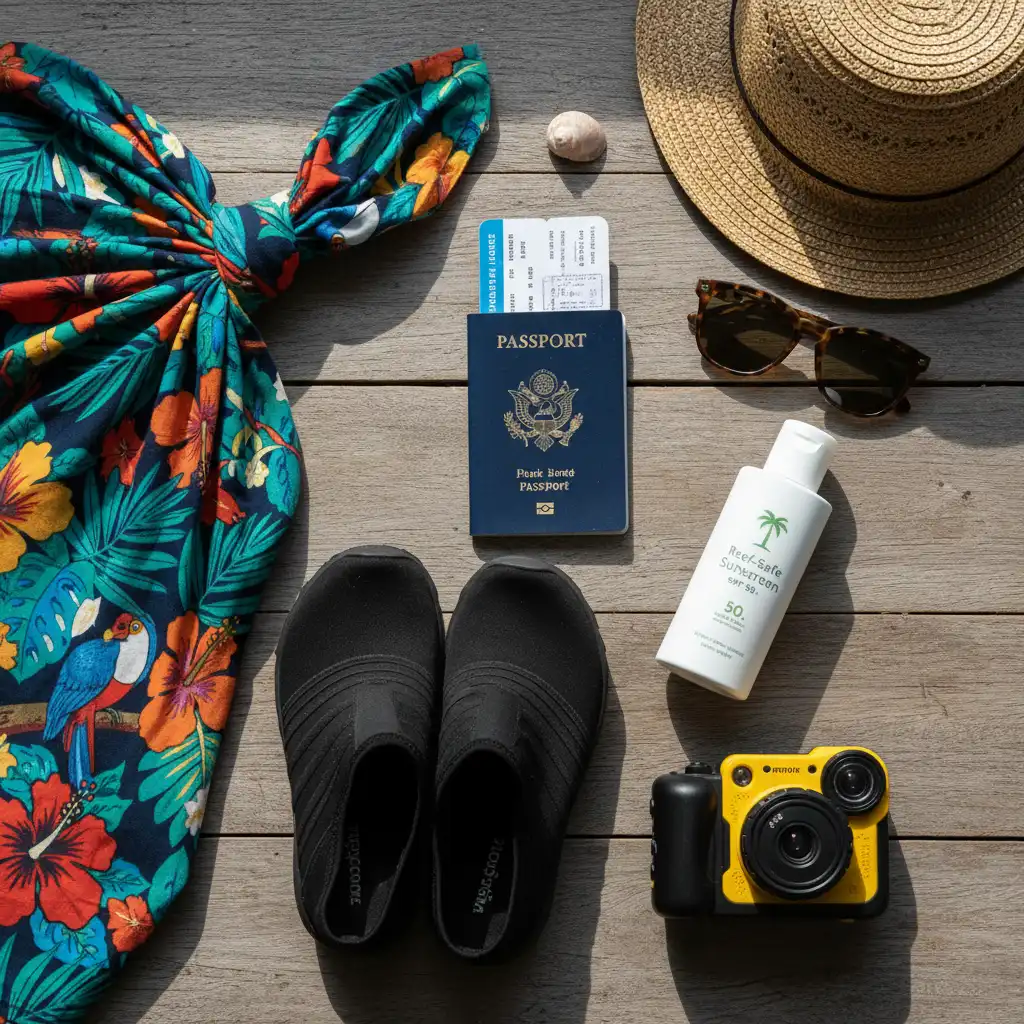
Clothing Essentials: Resort vs. Village Wear
Fiji operates on “island time,” and the dress code generally reflects this relaxed attitude. However, there is a distinct difference between what is acceptable within the confines of a resort and what is culturally appropriate when visiting local villages or towns.
What clothes should I pack for the resort?
Resort wear is casual and comfortable. The humidity in Fiji averages between 70% and 90%, so synthetic fabrics that trap heat should be avoided. Instead, pack the following:
- Swimwear: Bring at least three pairs of swimwear. Due to the humidity, things take longer to dry, so having a rotation ensures you always have a dry set.
- Cover-ups and Kaftans: Perfect for transitioning from the pool to the lunch buffet.
- Breathable Fabrics: Pack T-shirts, singlets, and shorts made from cotton, linen, or bamboo.
- Evening Wear: “Smart casual” is the standard for dinner. For men, collared shirts (Bula shirts are popular) and dress shorts are acceptable. For women, maxi dresses or sundresses are ideal. High heels are generally impractical due to sandy paths and wooden decking; opt for dressy sandals instead.
What is appropriate clothing for village visits?
Fijian culture is conservative, particularly in rural villages. Showing respect to the local customs is paramount for any visitor.
When venturing outside the resort, strictly adhere to these modesty guidelines:
- Cover Shoulders and Knees: Both men and women should ensure their shoulders and knees are covered. Tank tops and short shorts are considered disrespectful in a village setting.
- The Sulu (Sarong): It is highly recommended to carry a Sulu (sarong). This can be quickly wrapped around your waist over shorts to cover your legs before entering a village.
- No Hats or Sunglasses: It is customary to remove hats and sunglasses when entering a village or speaking to a Chief, as the head is considered sacred.

Sun Protection and Water Gear
The Fijian sun is significantly stronger than what many New Zealanders are accustomed to, even compared to the height of a Kiwi summer. Burn times can be as short as 10 minutes.
Why must I pack reef-safe sunscreen?
Fiji is home to some of the world’s most spectacular coral reefs. Standard sunscreens often contain chemicals like Oxybenzone and Octinoxate, which are toxic to coral larvae and contribute to coral bleaching.
Packing Tip: Look for mineral-based sunscreens containing Zinc Oxide or Titanium Dioxide. Brands labeled “Reef Safe” are essential not just for your skin, but to protect the marine ecosystem you are there to enjoy. You will need a high SPF (50+) and it should be water-resistant.
Do I need reef shoes?
Yes, reef shoes are non-negotiable. While many beaches look sandy, the intertidal zones often contain sharp coral fragments, stonefish, and sea urchins. A cut in the tropics can easily become infected. Reef shoes protect your feet while snorkeling, kayaking, or simply wading in the shallows.
Toiletries and First Aid Kit
While major resorts have medical centers and towns like Nadi and Suva have pharmacies, supplies can be expensive or limited on outer islands. It is best to bring a comprehensive kit from home.
What first aid items are essential for Fiji?
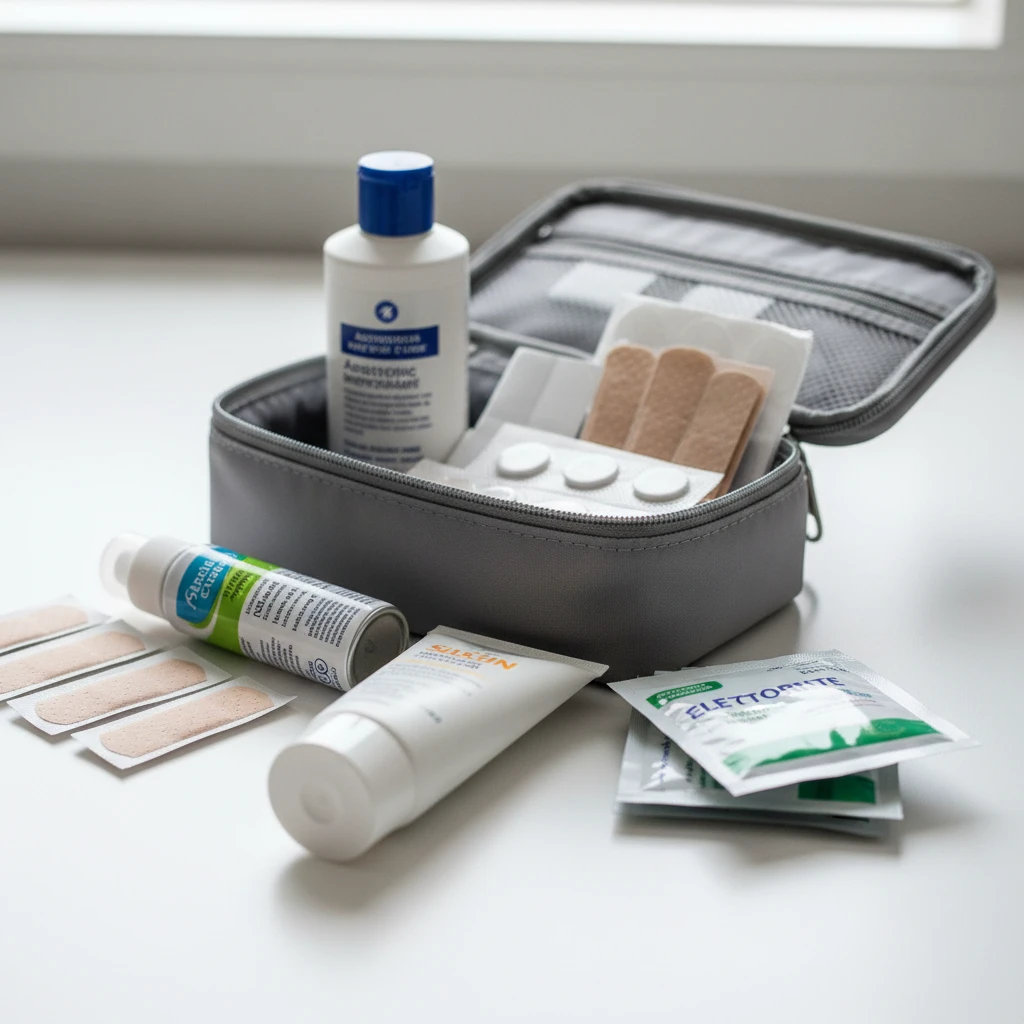
Prepare for minor ailments that commonly affect travelers in the tropics:
- Insect Repellent: Mosquitoes in Fiji can carry Dengue Fever. Pack a repellent containing DEET, Picaridin, or Oil of Lemon Eucalyptus. Apply it strictly at dawn and dusk.
- Gastro-Stop / Imodium: Dietary changes can sometimes lead to an upset stomach.
- Electrolyte Powder: Dehydration is a major risk due to heat and potential stomach bugs. Sachets of electrolyte powder (like Enerlyte) are vital for recovery.
- Antiseptic Cream and Plasters: Due to the humidity, small cuts (especially coral cuts) can get infected quickly. Treat every scratch immediately with antiseptic (Betadine is excellent) and cover it.
- Sea Sickness Medication: If you plan on island hopping or taking day cruises, the ocean swells can be significant.
- Hand Sanitizer: Essential for hygiene before meals, especially when traveling between islands.
Electronics and Connectivity
Capturing memories is a huge part of the Fiji experience, but keeping your devices charged requires a little planning.
What power adapter do I need for Fiji?
For travelers from New Zealand and Australia, this is good news. Fiji uses the Type I plug, which is identical to the standard outlet used in NZ and Australia. You do not need a travel adapter for your wall plugs.
However, if you are traveling from the UK, USA, or Europe, you will need a Universal Travel Adapter. The voltage is 240V, 50Hz.
Should I bring a power bank?
A high-capacity power bank (10,000mAh or higher) is highly recommended. If you are on a day trip to an uninhabited island or a long boat transfer, you won’t have access to wall outlets. Ensure your power bank is packed in your carry-on luggage, as they are prohibited in checked baggage.
Travel Documents and Money
Before you zip up your suitcase, ensure your paperwork is in order. Fiji has specific entry requirements.
- Passport: Must be valid for at least 6 months beyond your intended stay.
- Return Ticket: You may be asked to prove you have a flight booked out of the country.
- Travel Insurance: While no longer mandatory for COVID-19 entry, comprehensive travel insurance is crucial. Medical evacuations to New Zealand or Australia for serious incidents can cost tens of thousands of dollars.
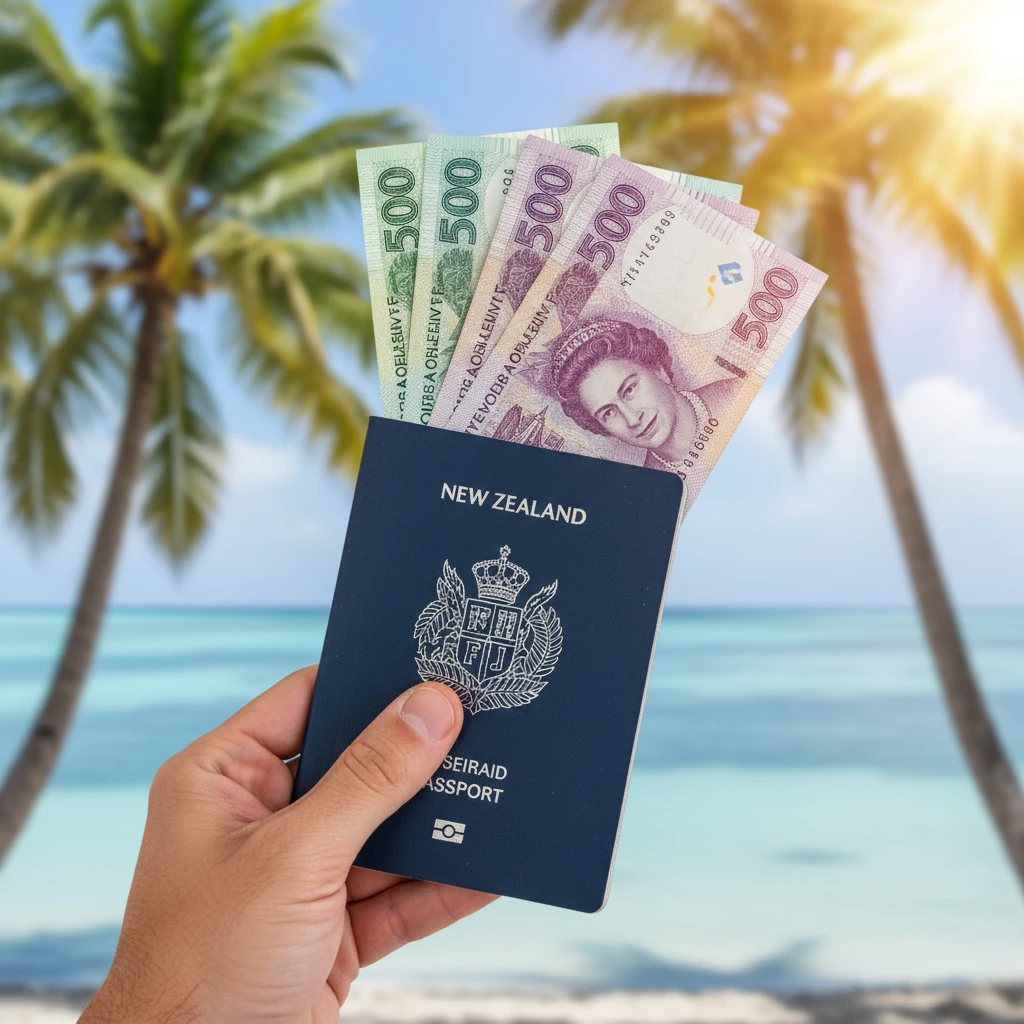
- Currency: The currency is the Fijian Dollar (FJD). While resorts accept cards, cash is king for local markets, village donations, and small tips. It is often cheaper to exchange a small amount of currency in New Zealand before departure or withdraw from ATMs in Nadi upon arrival.
What Not to Pack
To save space and respect local laws, leave these items at home:
- Single-Use Plastics: Fiji is dedicated to environmental preservation. Avoid bringing single-use plastic bags if possible.
- Heavy Winter Clothing: Even in the “cooler” months (July/August), temperatures rarely drop below 19°C at night. A light cardigan or hoodie is sufficient.
- Camouflage Clothing: In many Pacific nations, camouflage clothing is reserved for the military and can be illegal or culturally frowned upon for civilians to wear.
- Expensive Jewelry: Flashy jewelry is unnecessary at resorts and inappropriate in villages. It also makes you a target for theft, however rare that may be.
People Also Ask
Do I need to bring my own snorkel gear to Fiji?
Most major resorts offer complimentary snorkel gear hire. However, if you are particular about hygiene or mask fit, or if you plan to snorkel off-grid away from the resort, packing your own mask and snorkel is recommended. Fins take up a lot of space, so it is usually better to borrow those.
What is the luggage allowance for inter-island flights in Fiji?
If you are flying with carriers like Fiji Link or Pacific Island Air to smaller islands, luggage allowances are strict. They often cap checked bags at 15kg (33lbs). You may need to pay for excess baggage or store large suitcases at Nadi Airport if you have overpacked.
Can I drink the tap water in Fiji?
Tap water is generally safe to drink at major resorts and in Nadi and Suva, but it may taste different due to chlorination. To be safe and avoid “Fiji Belly,” many tourists opt for bottled water or use a filtered water bottle (like a LifeStraw) when traveling to outer islands or rural areas.
What shoes should I wear for hiking in Fiji?
If you plan to hike the Bouma Waterfalls or the Sigatoka Sand Dunes, pack sturdy sneakers or trail runners. Flip-flops (jandals) are dangerous on slippery, muddy jungle tracks. Ensure your shoes have good grip.
Is it cold in Fiji at night?
During the dry season (May to October), evening temperatures can drop to around 19-20°C (66-68°F). While not “cold” by New Zealand standards, the sea breeze can feel cool after a hot day. A light sweater or windbreaker is a smart addition to your packing list.
What should I pack for a baby or toddler in Fiji?
Pack more nappies (diapers) and swim nappies than you think you need; they are expensive and hard to find on outer islands. Also, bring a high-SPF baby sunscreen, a broad-brimmed hat, insect repellent patches (safer for skin), and baby food pouches if your child is fussy, as local brands differ from NZ options.