
Big Bula Water Park prices typically range from $85 FJD (approx. $60 NZD) for adults and $45 FJD (approx. $32 NZD) for children for a full-day pass. The park operates daily from 10:00 AM to 5:00 PM, featuring giant inflatables and fiberglass slides located centrally on Denarau Island, making it a top destination for Kiwi families.
For New Zealand families planning a tropical getaway, Fiji remains the ultimate backyard escape. Beyond the pristine beaches and friendly locals, the water activities available—specifically the water parks—are a major drawcard for traveling parents. Whether you are staying on Denarau Island or venturing to the Coral Coast, understanding the costs and logistics of these attractions is essential for budgeting your holiday.
This comprehensive guide details everything from the current Big Bula Water Park prices to the best resorts featuring splash pads, ensuring your itinerary is packed with aquatic fun without breaking the bank.
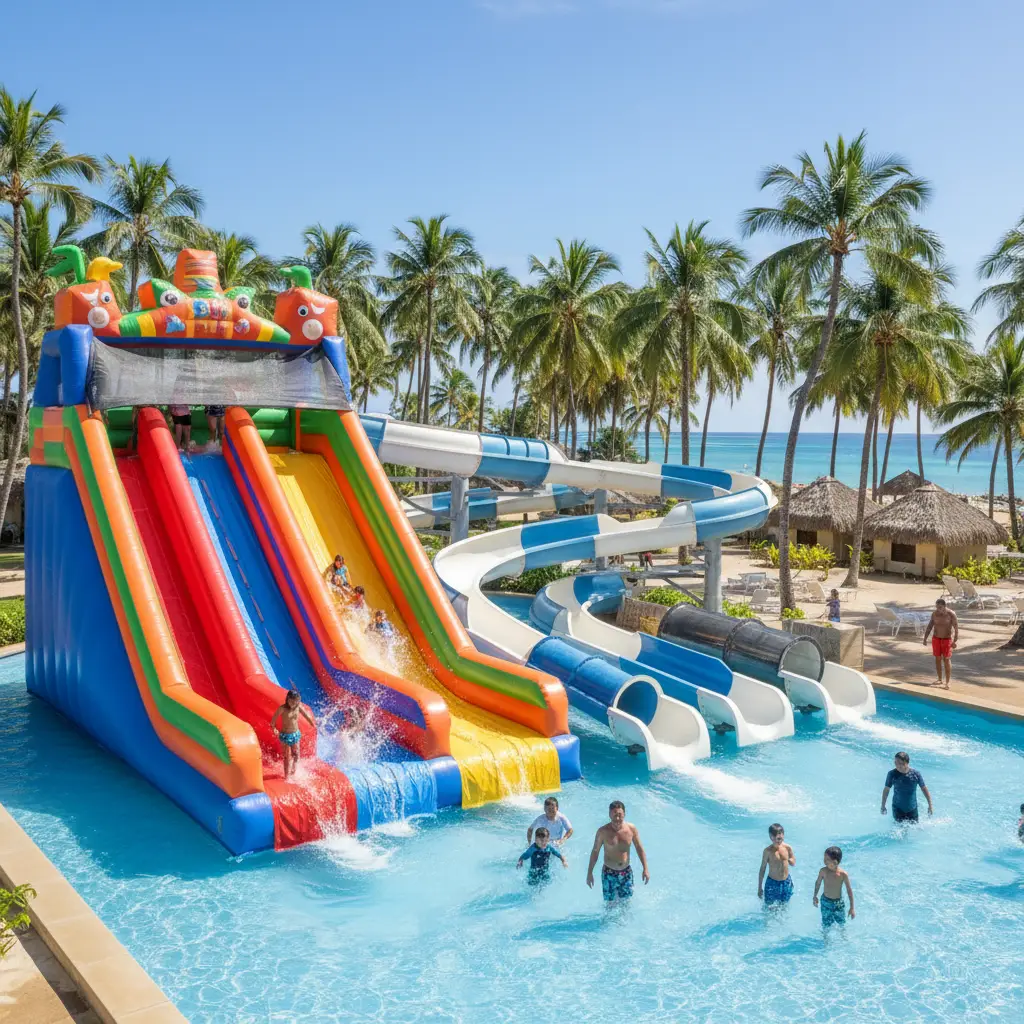
Big Bula Water Park: Prices, Hours, and What to Expect
Located in the heart of Denarau Island, the Big Bula Water Park is arguably the most convenient aquatic attraction for families staying at nearby resorts like the Sheraton, Hilton, or Radisson Blu. It is a standalone attraction that requires an entry fee, distinct from resort-exclusive water parks.
What are the Big Bula Water Park Prices?
Understanding the entry fees is crucial for your holiday budget. Prices are generally quoted in Fijian Dollars (FJD), so New Zealand travelers should account for the exchange rate (typically around 1 NZD = 1.4 FJD, though this fluctuates).
- Adult Full Day Pass: Approximately $85 FJD ($60 NZD).
- Child Full Day Pass (Under 12): Approximately $45 FJD ($32 NZD).
- Family Combos: Often available for 2 Adults and 2 Children, ranging around $240 FJD ($170 NZD).
- Spectator Fee: If you do not intend to use the slides, a lower fee (around $20-$30 FJD) may apply, allowing you to supervise children from the sidelines.
Note: Prices are subject to change based on seasonality and management updates. Always check the official ticket booth or website for the most current rates upon arrival.
Operating Hours and Best Times to Visit
The park is open daily from 10:00 AM to 5:00 PM. For Kiwi families, the best time to visit is right at opening time (10:00 AM). The Fiji sun is intense between 12:00 PM and 2:00 PM, so hitting the slides early allows you to enjoy the park before the peak heat and the mid-day crowds arrive.
The Experience: Inflatables vs. Fiberglass Slides
Big Bula is unique because it combines traditional permanent water slides with massive inflatable obstacle courses.
- The Inflatable Zone: This area features giant bouncy slides and obstacle courses. It requires a fair amount of physical exertion to climb up, making it excellent for tiring out energetic kids.
- Fiberglass Slides: These are the faster, traditional water park slides. There are height restrictions for these, usually requiring children to be over 1.2 meters tall.
- Toddler Area: There is a dedicated gated area for smaller children with gentler slides and shallow water, ensuring safety for the little ones.
Top Fiji Resorts with Slides and Splash Pads
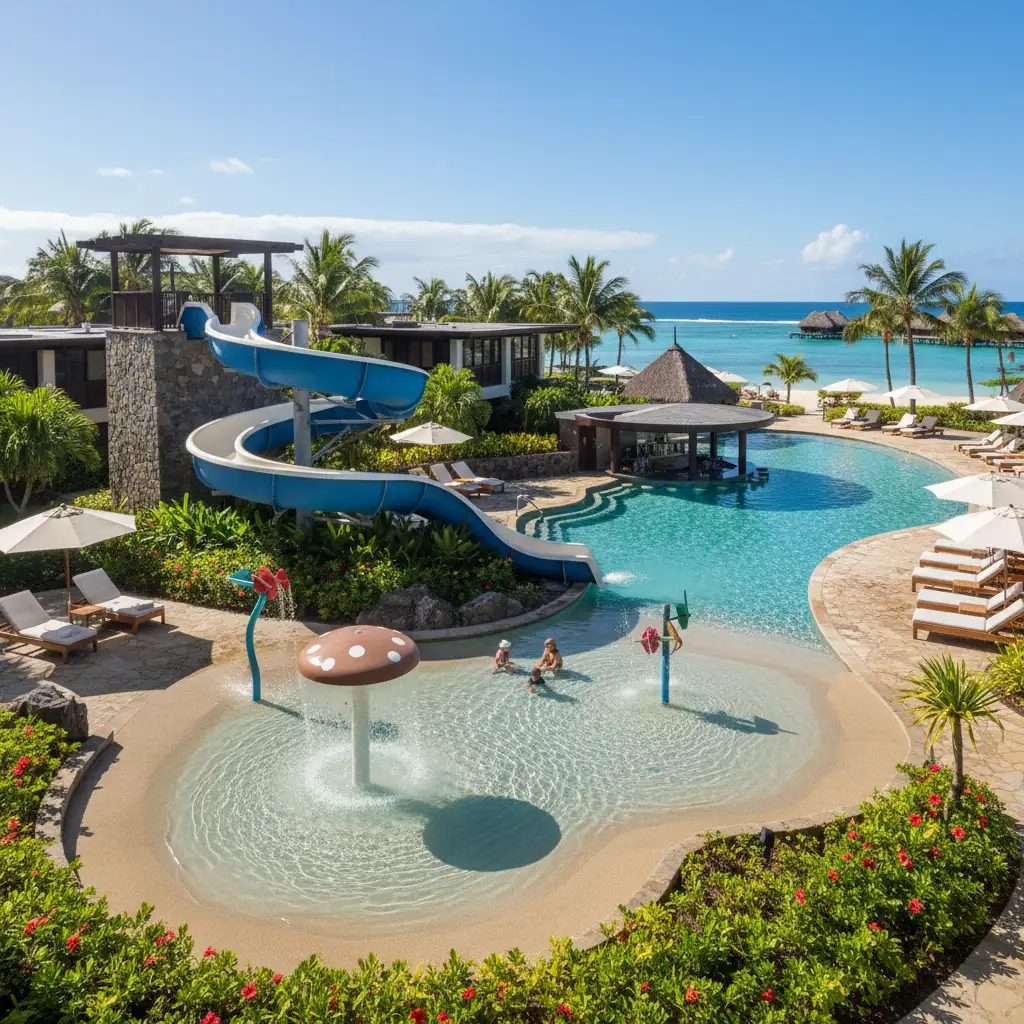
If you prefer not to pay separate admission fees daily, booking a resort that includes water park facilities is a strategic move for New Zealand travelers. Many resorts in Fiji have recognized the demand for “wet” playgrounds and have upgraded their pools significantly.
Plantation Island Resort (Mamanuca Islands)
Plantation Island is a favorite among NZ families for good reason. Their inflatable water park sits directly in the ocean (lagoon). While technically not a “pool” slide, this floating obstacle course provides hours of entertainment. Additionally, the resort features swimming pools with smaller slides suitable for younger children. The ocean park requires a life jacket, which is provided, ensuring safety while kids scramble over the obstacles.
Radisson Blu Resort Fiji Denarau Island
For those staying on the mainland, the Radisson Blu boasts one of the best climate-controlled lagoon pools on Denarau. It features a whitewater tunnel slide that is a hit with older kids and teenagers. The resort also has a shaded kids’ pool with smaller features, making it ideal for families with mixed age groups. The benefit here is that access is included in your room rate.
Shangri-La Yanuca Island
Located on the Coral Coast, the Shangri-La has heavily invested in family amenities. They feature a substantial inflatable water park in their lagoon, similar to Plantation Island. The resort creates a safe, cordoned-off area in the ocean where children can jump, slide, and climb under the supervision of resort staff. This is often a highlight for children aged 7 and up.
Naviti Resort
Also on the Coral Coast, the Naviti is famous for its “All-Inclusive” packages popular with Kiwis. Their pool area includes a swim-up bar for adults and a designated kids’ area. While the slides are more modest compared to Big Bula, the all-inclusive nature means ice cream and drinks are on tap alongside the pool activities.
Glass Bottom Boat Tours for Kids
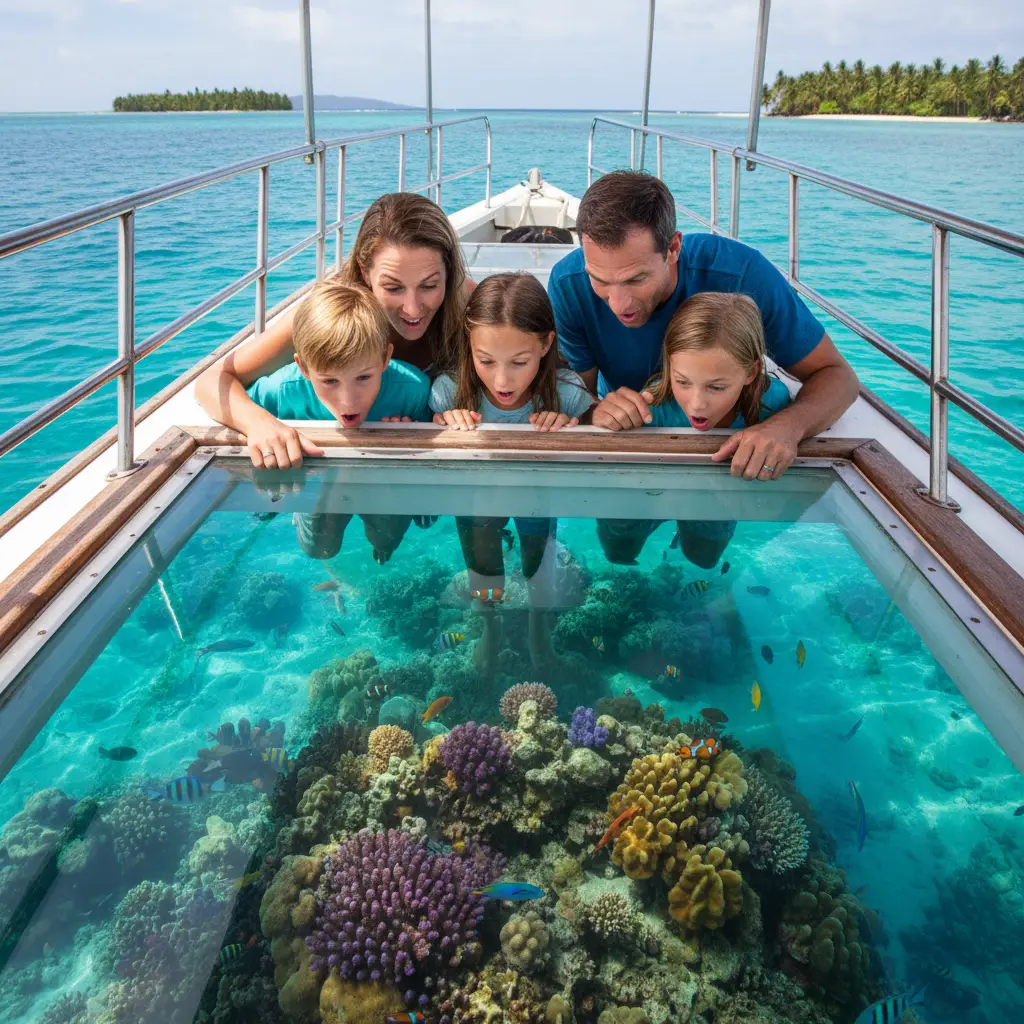
For children who may be too young for snorkeling or are hesitant about deep water, glass-bottom boat tours offer the perfect window into Fiji’s underwater world. This activity allows toddlers and young children to see vibrant coral and fish without getting wet.
Why Choose a Glass Bottom Boat?
The primary advantage is accessibility. Parents don’t need to worry about fitting masks or managing breathing tubes. It is also a safer option for infants. Tours usually depart from Port Denarau or directly from island resorts like Malolo or Castaway.
What Will You See?
Fiji’s reefs are teeming with life. Expect to see:
- Blue Starfish: Iconic to Fijian waters and easily spotted against the sand.
- Parrotfish: Brightly colored and often seen nibbling on coral.
- Soft Corals: Fiji is the “Soft Coral Capital of the World,” and even shallow reefs display amazing colors.
Top Operators
Many day cruises, such as South Sea Cruises, include glass-bottom boat rides as part of their island day trips. When booking a day trip to South Sea Island or Bounty Island, check if the semi-submersible or glass-bottom boat option is included in the package price.
Snorkeling Safety for Children in Fiji
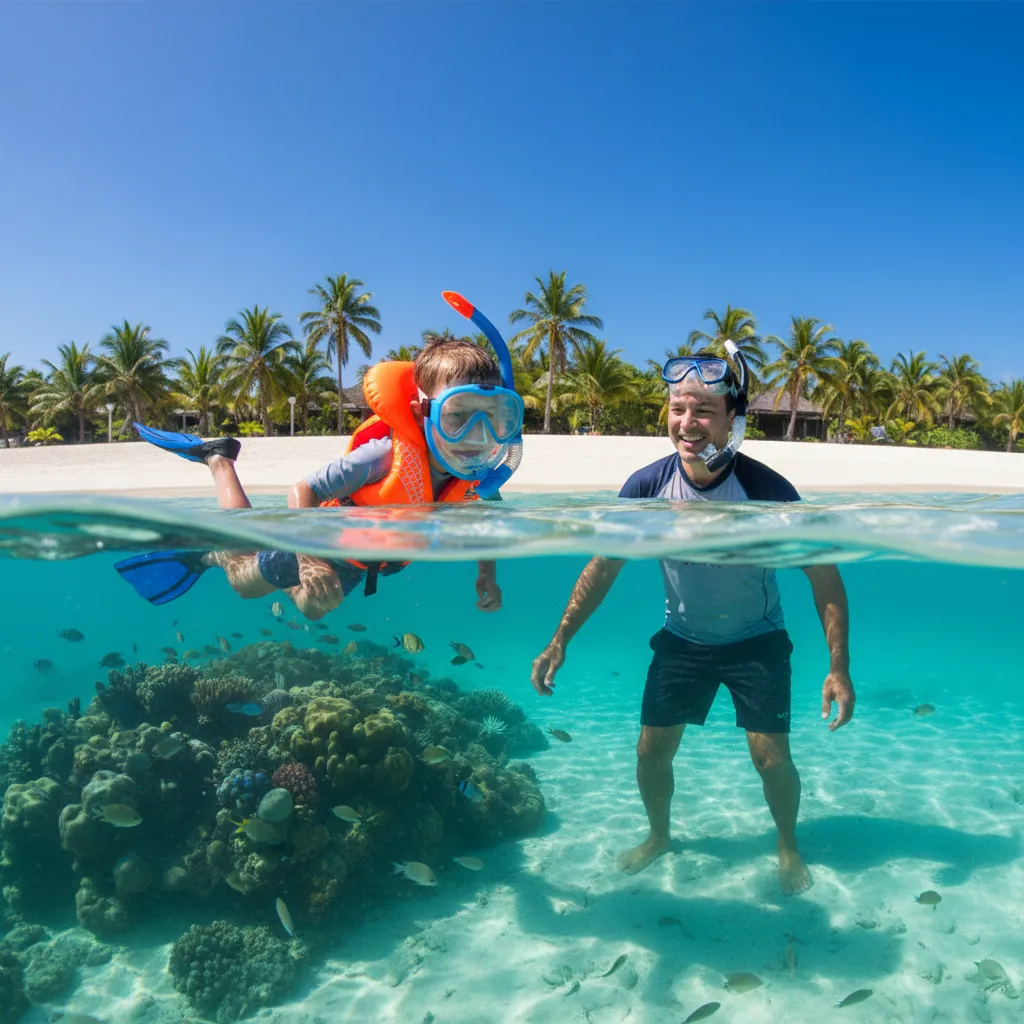
Transitioning from the boat to the water is a big step for many Kiwi kids. Fiji’s warm, calm waters are the perfect classroom for learning to snorkel, but safety must be the priority.
Essential Gear for Kids
Do not rely solely on rental gear. While resorts provide masks, they are often “one size fits all” and may leak on small faces, causing panic. We strongly recommend bringing a properly fitted mask and snorkel from New Zealand.
Furthermore, reef shoes are non-negotiable. Coral cuts can easily become infected in tropical climates, and stonefish (though rare in swimming zones) are a risk on the seabed. Protective footwear prevents injuries.
The “Noodle” Technique
Even if your child is a strong swimmer in a pool, the ocean is different. Saltwater buoyancy helps, but currents can be tiring. Encourage children to use a pool noodle or wear a life jacket (PFD) while snorkeling. This allows them to float effortlessly and focus on looking down without the fatigue of treading water. It also makes them highly visible to boats and jet skis.
Sun Safety in the Water
The Fijian sun is deceptive when you are submerged in cool water. Water washes away standard sunscreen and acts as a magnifier for UV rays.
Requirement: Kids should wear a long-sleeved rash guard (rashie) with UPF 50+ protection. Do not rely on sunscreen alone for their backs and shoulders during a 45-minute snorkel session.
Best Beginner Snorkel Spots
- Blue Lagoon (Nanuya Lailai): Calm, clear waters with fish right at the shoreline.
- Mana Island (North Beach): A designated marine sanctuary with no boat traffic, making it very safe for children.
- Jean-Michel Cousteau Resort: Offers a dedicated marine biologist program for kids, teaching them to snorkel with educational context.
People Also Ask
Is Big Bula Water Park suitable for toddlers?
Yes, Big Bula Water Park has a dedicated gated area specifically for toddlers. This zone features shallow water, smaller slides, and gentle play equipment, ensuring that children under 5 can play safely away from the larger, faster slides and older children.
Can you bring your own food to Big Bula Water Park?
Generally, outside food and drink are not permitted inside the park, as there is a cafe on-site serving burgers, chips, and drinks. However, exceptions are sometimes made for baby food or specific dietary requirements. It is best to bring a water bottle and check with security at the gate.
How much is entry to Big Bula Water Park in NZD?
Based on current exchange rates, an adult entry of $85 FJD is approximately $60 NZD, and a child entry of $45 FJD is approximately $32 NZD. Prices fluctuate with currency exchange rates, so it is wise to budget slightly more.
Which Fiji resort has the best water slide?
The Radisson Blu Resort on Denarau Island is widely considered to have the best resort-based water slide (the “Whitewater Tunnel”). For ocean-based inflatable parks, Plantation Island Resort and Shangri-La Yanuca Island offer the best floating obstacle courses.
Are life jackets provided at Fiji water parks?
Yes, safety is a priority. At ocean-based inflatable parks (like Plantation Island), life jackets are mandatory and provided. At Big Bula Water Park, life jackets are available, and lifeguards are stationed throughout the park to monitor all pools and slides.
Do I need to book Big Bula Water Park tickets in advance?
Booking in advance is usually not required for Big Bula Water Park; you can purchase tickets at the gate. However, during peak NZ school holiday periods, arriving early (at 10:00 AM) is recommended to secure a good spot and avoid long queues.