Travelling to Fiji with toddlers is an ideal holiday choice for New Zealand families due to the short flight duration (approximately three hours from Auckland), malaria-free status, and world-renowned childcare. Success requires packing specific formula brands from home, choosing stroller-accessible resorts in Denarau or the Coral Coast, and utilizing private transfers with car seats for safety.
Why Fiji is the Ultimate Toddler Destination for Kiwi Families
For parents based in New Zealand, Fiji represents the “Holy Grail” of overseas travel with young children. Unlike long-haul trips to Asia or the Americas, Fiji offers a tropical paradise that is practically on your doorstep. But beyond the proximity, it is the culture that makes travelling to Fiji with toddlers so unique.
The Fijian concept of family, or Vuvale, is deeply ingrained in the hospitality sector. You will often hear that Fijians love children, but until you arrive, it is hard to understand the extent of this affection. It is not uncommon for resort staff to pick up your toddler during dinner so you can eat with two hands, or for a crying baby on a flight to be soothed by a Fijian flight attendant as if it were their own.
However, travelling with a toddler (specifically between the ages of 1 and 3) presents a unique set of challenges compared to travelling with an infant or a school-aged child. They are mobile, opinionated, prone to tantrums, and have specific dietary and sleep needs. This guide covers everything you need to know to navigate the islands smoothly.

Buying Nappies and Formula in Fiji: Nadi vs. Resorts
One of the most common questions Kiwi parents ask is: “Should I bring all my nappies and formula from home, or buy them there?”
The short answer is: Bring as much as you can from New Zealand.
The Cost and Availability Reality
While Fiji is a developed tourist destination, supply chains can be inconsistent, and prices for imported goods are significantly higher than at your local Pak’nSave or Countdown.
Nappies (Diapers)
You can find nappies in Fiji, but the quality and branding differ from what you are used to.
- Resort Shops: Expect to pay an exorbitant premium (sometimes triple the NZ price) for a small pack of generic nappies. This is an emergency option only.
- Nadi Supermarkets: Major supermarkets like New World, Morris Hedstrom, and Tappoo in Nadi or Sigatoka stock Huggies and Treasures. However, they may not stock the specific “Ultra Dry” or “Nappy Pants” variety your toddler prefers. If your child has sensitive skin, sticking to your known brand from NZ is crucial to avoid holiday rash.
- Swim Nappies: These are incredibly hard to find in Fiji. Bring a reusable swim nappy plus a disposable pack from home.
Formula and Milk
Toddlers can be notoriously fussy about the taste of their milk.
- Formula: If your toddler is still on formula (like Karicare, Aptamil, or S-26), bring your entire supply from New Zealand. While you might find tins in Nadi, stock levels fluctuate, and formulations can vary between countries even for the same brand.
- Fresh Milk: Fresh cow’s milk is available in supermarkets and resorts, but it is often UHT (Long Life) milk due to the climate. If your toddler relies on fresh blue or green top milk, try to transition them to UHT milk a week before you leave NZ to get them used to the taste.
Stroller Friendly Resorts: Denarau vs. The Islands
When travelling to Fiji with toddlers, your choice of location dictates whether a stroller is a lifesaver or a burden. Fiji is geographically diverse, and not all resorts are built on flat ground.
Denarau Island: The Stroller Haven
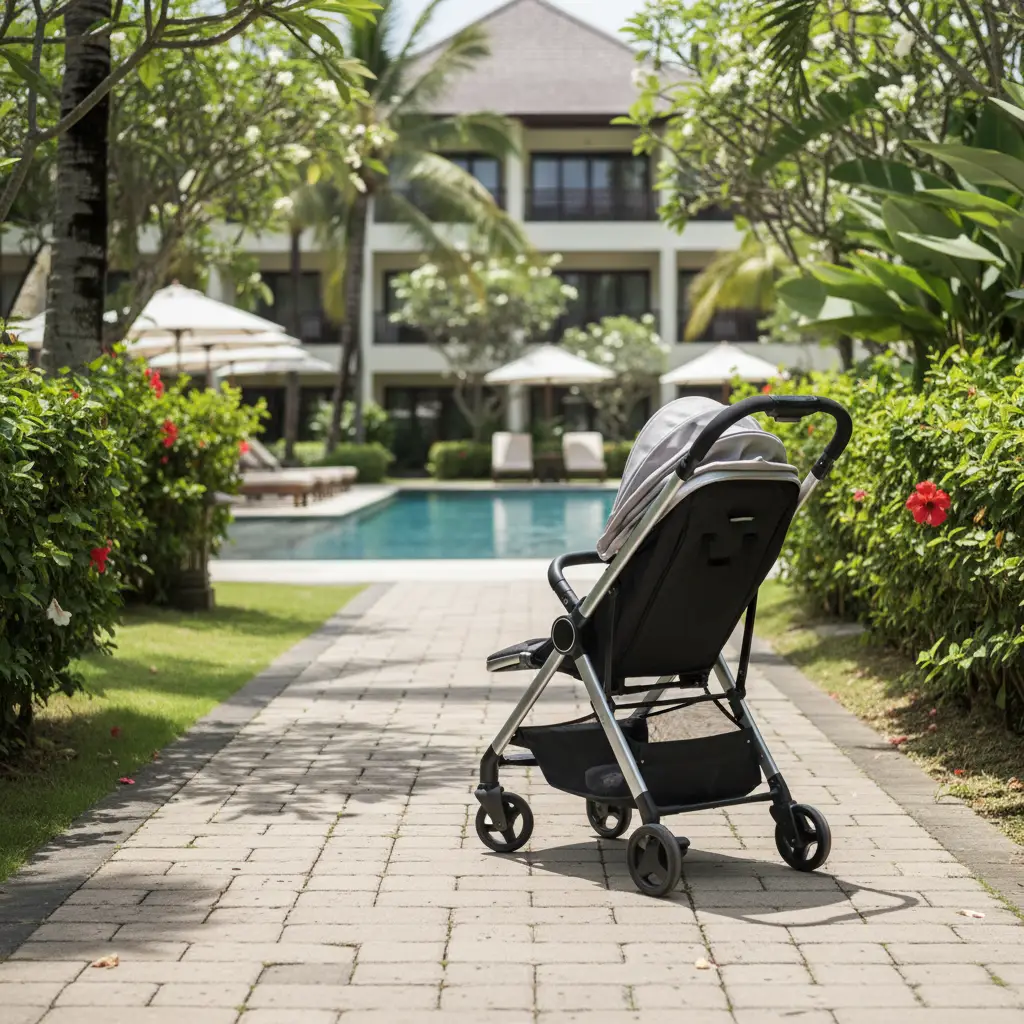
If you plan to use a stroller heavily for naps or evening walks, Denarau Island is your best option. It is essentially a man-made, flat island connected to the mainland by a causeway. Resorts like the Sofitel Fiji Resort & Spa, Hilton Fiji Beach Resort, and the Radisson Blu are connected by paved concrete paths. You can push a stroller from one resort to another along the waterfront without lifting it once. The “Bula Bus” (open-air bus) that loops the island is also accessible.
The Mamanuca and Yasawa Islands
The outer islands offer the quintessential white-sand experience, but they are challenging for wheels. Paths are often sandy, uneven, or non-existent.
- Plantation Island Resort: Very popular for families, but paths are sandy. A stroller with large, air-filled tires (like a Mountain Buggy) can work, but a cheap umbrella stroller will get stuck.
- Castaway Island: Mostly sand paths.
The Coral Coast
Located on the main island’s southern coast, these resorts (like the Outrigger Fiji Beach Resort or Shangri-La Yanuca Island) are large and sprawling. The Outrigger, specifically, is built on a hill. While they have “Bula Buggies” (golf carts) to transport guests, waiting for one with a tired toddler can be frustrating. If staying here, a lightweight collapsible stroller is better than a heavy pram.
Managing the Heat and Mosquitoes
Fiji is tropical, hot, and humid. For a toddler coming from a New Zealand winter, the shock can be intense. Managing their physical comfort is key to avoiding meltdowns.
Mosquito Protection (Dengue Awareness)
Fiji is malaria-free, which is a huge plus for Kiwi parents. However, Dengue Fever is present and is transmitted by mosquitoes. Toddlers have thinner skin and are more prone to scratching bites until they bleed.
- Repellent: Bring a toddler-safe insect repellent from NZ (look for formulations with lower DEET concentrations or Picaridin designed for kids). Apply it particularly at dawn and dusk.
- Clothing: Dress them in loose, light-coloured cotton clothing.
- Room Safety: Keep fly screens closed and use plug-in mosquito repellents in your hotel room (most resorts provide these, or you can buy the ‘Mortein’ brand at local shops).
Heat Management and Hydration
Toddlers dehydrate faster than adults. The combination of heat and swimming pool play can lead to exhaustion quickly.
- Midday Rest: Enforce a “siesta” or quiet time in the air-conditioned hotel room between 12:00 PM and 2:00 PM when the sun is fiercest.
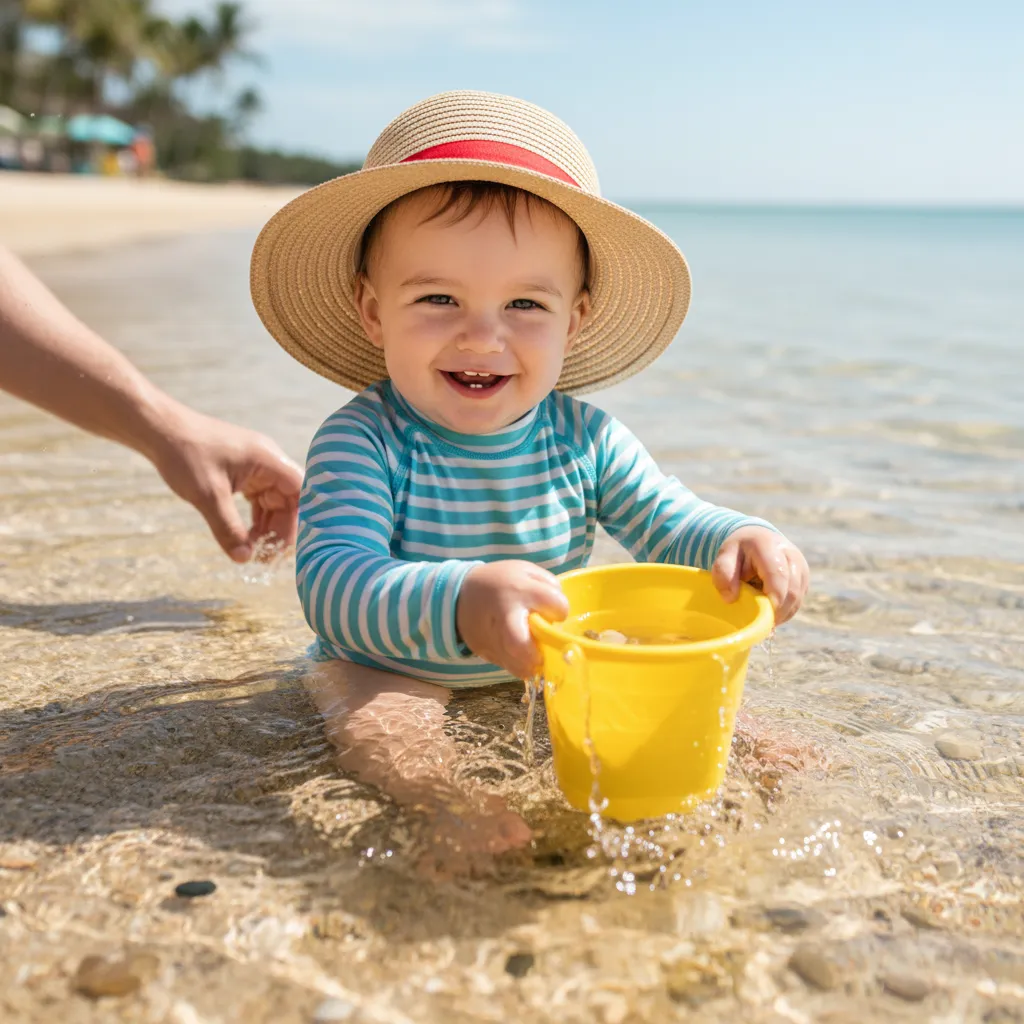
- Rash Vests: Ensure your toddler wears a long-sleeved UV rash vest and a hat with a neck flap (legionnaire style). The Fijian sun burns much faster than the NZ sun.
- Water: Do not let toddlers drink tap water. While tap water in major resorts is often treated, it contains different minerals that can upset a small tummy. Stick to bottled water for drinking and brushing teeth.
Short Flight Tips from New Zealand
The flight from Auckland (AKL) to Nadi (NAN) is roughly 3 hours and 45 minutes. Christchurch and Wellington flights are slightly longer. While short compared to Europe, three hours with a confined toddler can feel like an eternity.
Timing Your Flight
If possible, book a flight that coincides with your toddler’s nap time. Air New Zealand and Fiji Airways both fly this route frequently.
- Day Flights: Generally better for toddlers. They can look out the window, eat snacks, and play. Night flights on such a short route often result in an overtired child who falls asleep just as the plane lands.
Airline Specifics
- Fiji Airways: They are known for their family-friendly crew. They often provide activity packs, but don’t rely on them. Note that if you book a “Bula Bid” upgrade to business class, children are allowed.
- Air New Zealand: The “Works” package is essential to ensure you have a meal and movies for the little one. You can bring a car seat onboard if it is certified (check the sticker for the ‘S’ mark or FAA approval), but you must purchase a seat for the child to use it.
The “Customs” Hurdle
The hardest part of the journey is often arriving in Nadi. The immigration line can be long and hot.
Pro Tip: Dress your toddler in cool clothes for the plane arrival. If you are carrying food (like fruit pouches or snacks), you must declare it. Fiji has strict biosecurity similar to NZ. Packaged baby food is usually fine, but fresh fruit is a no-go.
Getting Around: Car Seats and Transfers
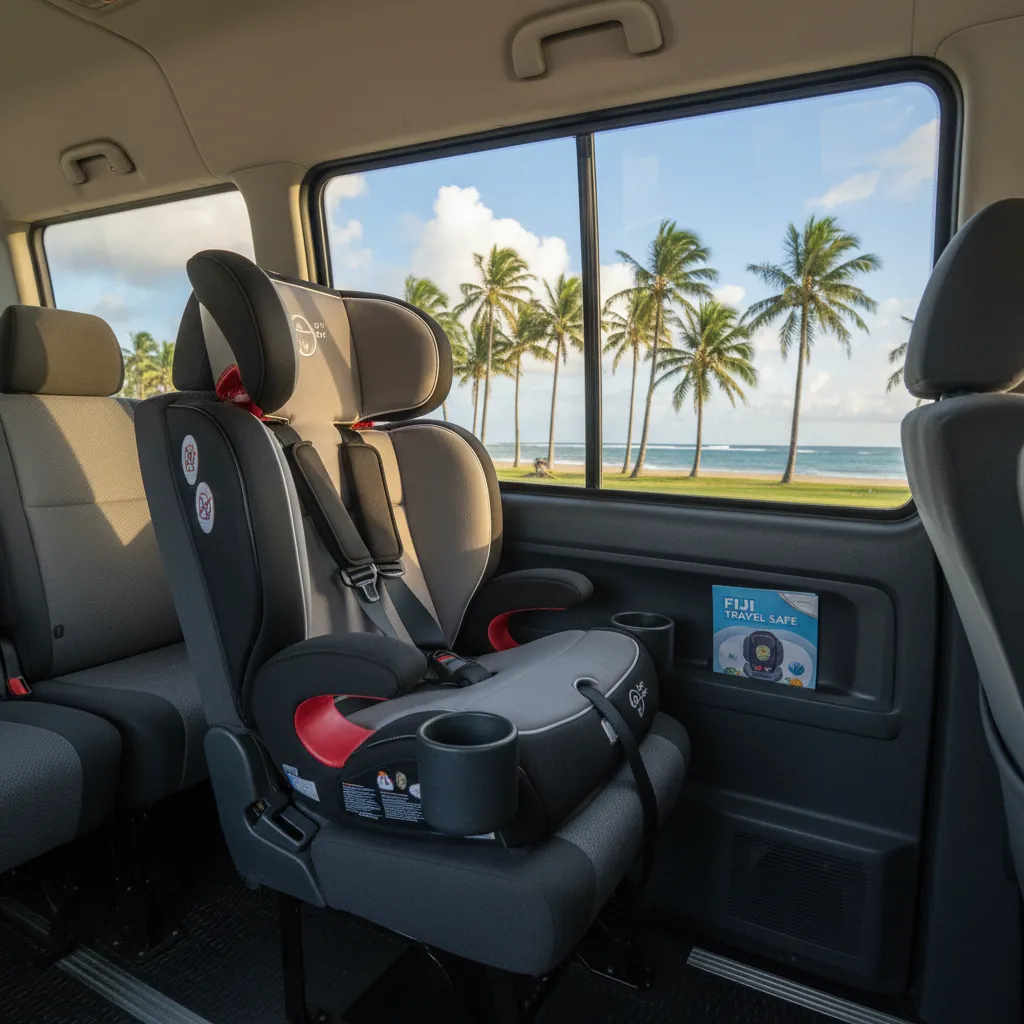
Transport safety standards in Fiji are different from New Zealand. Taxis often do not have functioning seatbelts in the back, and car seats are not mandatory by local law—but they are essential for your peace of mind.
Private Transfers
Do not rely on hailing a taxi at the airport if you need a car seat. Pre-book a private transfer through a reputable company like Tourist Transport Fiji (TTF) or Rosie Holidays. When booking, explicitly request a baby seat (capsule) or toddler seat. Re-confirm this 24 hours before arrival.
Bring Your Own Car Seat?
If you are planning to hire a car or explore outside the resort frequently, bring your own car seat. Most airlines allow you to check two baby items (stroller and car seat) for free. It is a hassle to carry, but guarantees safety.
The Ultimate Toddler Packing List for Fiji
To wrap up this guide, here is a checklist tailored for the NZ parent:
- Medication: Baby Panadol/Nurofen (liquid), thermometer, rehydration sachets (Gastrolyte), antihistamine, antiseptic cream, and plasters.
- Food: Marmite (essential!), favourite crackers, pouches for on-the-go, and formula.
- Gear: Life jacket (resorts have them, but they might not fit a small toddler perfectly), floaties, sand toys (cheaper to bring from The Warehouse than buy at the resort).
- Clothing: UV Rash shirts, multiple hats, reef shoes (coral can cut small feet), and light cotton pyjamas.
Travelling to Fiji with toddlers requires preparation, but the payoff is immense. Watching your little one dance to the “Bula Song” or play in the gentle waves of the South Pacific creates memories that last a lifetime. Vinaka!
Do toddlers need a visa for Fiji from New Zealand?
New Zealand passport holders do not need a visa for tourist stays of up to 4 months. However, your toddler must have their own valid passport with at least 6 months of validity remaining beyond the intended period of stay.
Is the tap water in Fiji safe for toddlers to drink?
It is generally recommended that toddlers and young children do not drink tap water in Fiji. While water at major resorts is treated, the mineral content differs from NZ water and can cause stomach upsets. Stick to bottled water for drinking and mixing formula.
Can I buy familiar baby food brands in Fiji?
Major supermarkets in Nadi and Suva stock some international brands like Heinz and Wattie’s, but the range is limited compared to NZ supermarkets. It is highly recommended to bring enough pouches and specific snacks to last the duration of your trip.
Are there babysitting services available at Fiji resorts?
Yes, Fiji is famous for its “Bula Nannies.” Almost all family-friendly resorts offer babysitting services. Some resorts, like the Jean-Michel Cousteau Resort, include a dedicated nanny for each child under 6 in the room rate. Rates are generally very affordable compared to NZ.
What is the best time of year to visit Fiji with a toddler?
The best time to visit is during the dry season, from May to October. The humidity is lower, and the temperatures are milder (around 25°C – 29°C), making it more comfortable for toddlers. The wet season (November to April) can be very hot and humid.
Do I need to bring a travel stroller?
If you are staying on Denarau Island, a stroller is very useful. If you are staying on an island resort in the Mamanucas or Yasawas, a stroller may be difficult to use due to sandy paths. In those cases, a high-quality baby carrier or hip seat is often more practical.