
Choosing between Denarau and the Coral Coast depends on your family’s priorities: convenience versus adventure. Denarau Island offers proximity to Nadi Airport, calm waters, and walkable resort hopping, making it ideal for toddlers. The Coral Coast provides authentic cultural experiences, superior snorkeling, and secluded resorts, better suited for active families and older children.
For New Zealand families seeking winter warmth or a school holiday escape, Fiji remains the undisputed champion of tropical getaways. However, the most common dilemma facing Kiwi parents booking their first (or fifth) trip is the geographical tug-of-war: Denarau vs Coral Coast for families. Do you choose the polished, ultra-convenient enclave of Denarau Island, or do you venture south to the rugged, authentic beauty of the Coral Coast?
This comprehensive guide breaks down every logistical, aesthetic, and practical difference to help you decide which destination suits your whānau best.
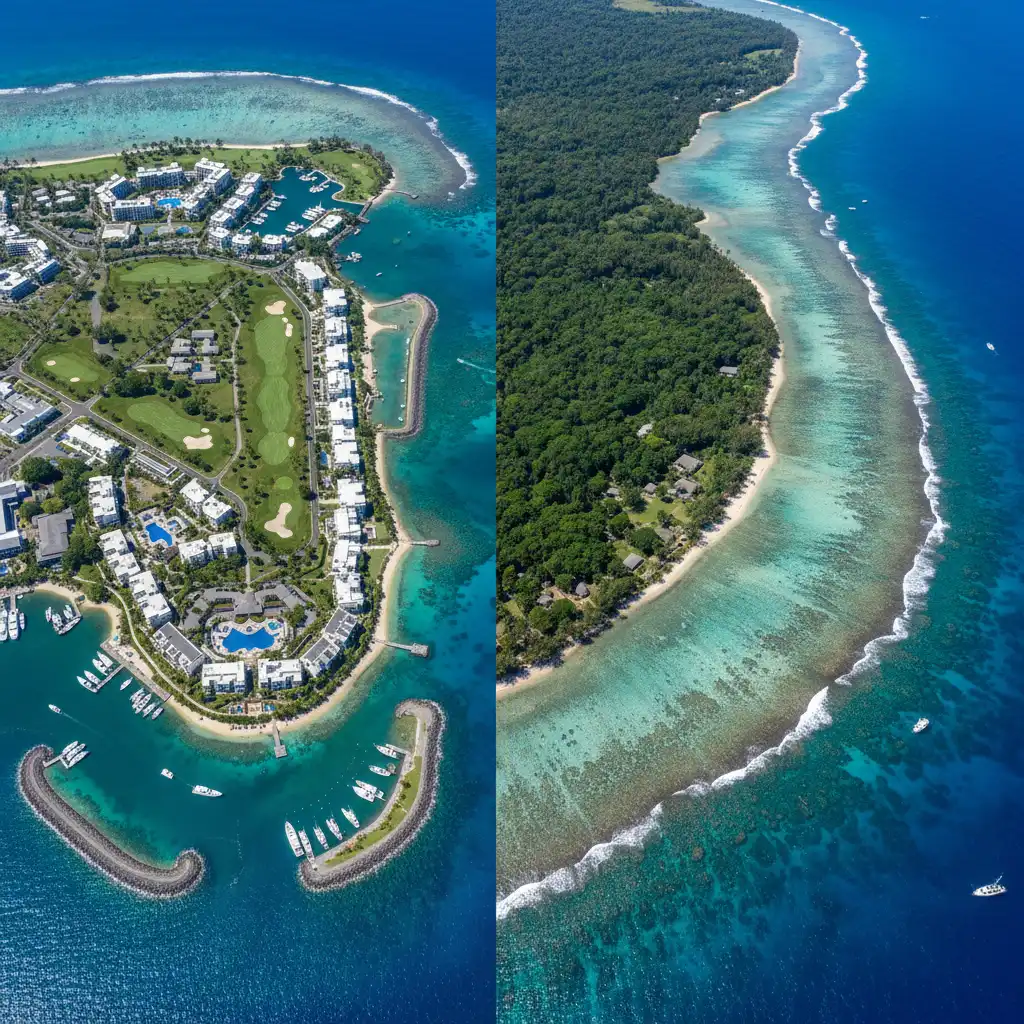
The Logistics: Transfer Times from Nadi Airport
When travelling with children—especially infants or over-tired toddlers—the journey from the airport to the hotel lobby is often the most stressful leg of the trip. After a three to four-hour flight from Auckland, Christchurch, or Wellington, the tolerance for a long car ride varies significantly between families.
Denarau Island: The 20-Minute Breeze
Denarau Island is essentially a suburb of Nadi. It is connected to the mainland by a short causeway. The transfer time from Nadi International Airport is roughly 20 to 30 minutes depending on traffic.
For parents with babies requiring scheduled naps or those prone to car sickness, Denarau is the clear winner. You can land, clear customs, grab a transfer, and be swimming in the pool within an hour of touchdown. This proximity also makes departure day significantly less chaotic, as you don’t need to leave your resort hours in advance.
Coral Coast: The Scenic Trek
The Coral Coast is not a single location but a stretch of coastline extending roughly 80km along the southern shores of Viti Levu. Depending on where your chosen resort is located (from the Shangri-La near Sigatoka to the Warwick further east), transfer times range from 1 hour to 2 hours and 15 minutes.
While the drive is scenic, passing through local villages and lush landscapes, it can be a trial for young children. If you choose the Coral Coast, we highly recommend booking a private transfer rather than a shared coach, which may stop at multiple resorts along the way, turning a 90-minute drive into a 3-hour marathon.
The Sands: Beach Quality Comparison
This is arguably the most contentious point of comparison. Managing expectations regarding the ocean is crucial to avoiding disappointment.
What are the beaches like in Denarau?
Denarau Island is man-made, built on reclaimed mangrove swamps. Consequently, the sand is darker (grey/brown), and the water, while clean and safe, is often murky due to the sediment. It does not offer the quintessential “South Pacific turquoise” look that you see on postcards.
However, for families, the water is calm, flat, and generally free of coral, making it safe for wading toddlers. Most families in Denarau spend 90% of their time in the massive resort pools rather than the ocean. If snorkeling is a priority, you will need to take a day trip to the Mamanuca Islands from Port Denarau.
What are the beaches like on the Coral Coast?
The Coral Coast offers the natural, white-sand experience many Kiwis crave. The water is clearer, and the scenery is spectacular with fringing reefs.
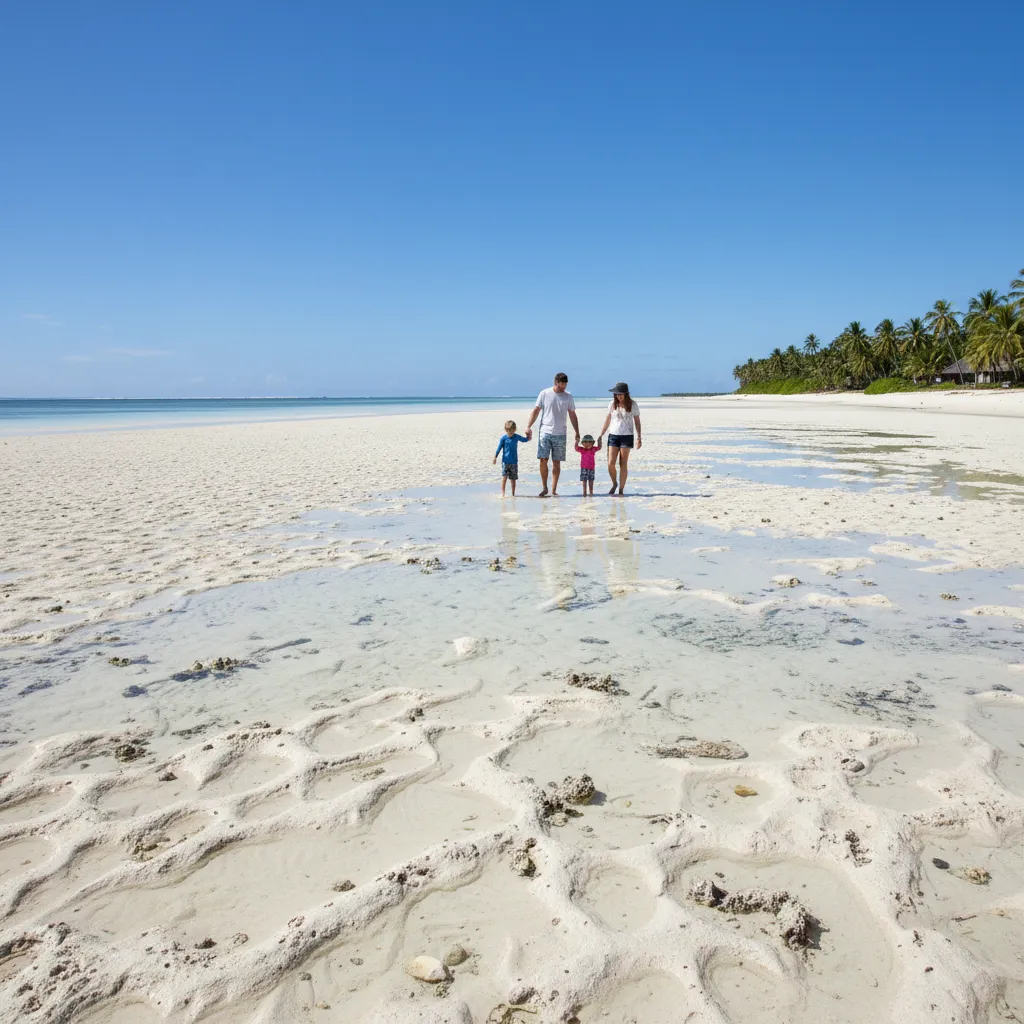
However, there is a catch: the tides. The Coral Coast is heavily tidal. At low tide, the water recedes significantly, revealing vast flats of coral and rock. Swimming is often impossible during low tide. Furthermore, because of the coral, reef shoes are absolutely essential for both adults and children to avoid cuts. The snorkeling right off the beach, however, is vastly superior to Denarau. You can see blue starfish and tropical fish just metres from the shore at high tide.
Resort Density and Dining Options
The “vibe” of your holiday is largely dictated by whether you want a bustling, connected atmosphere or a secluded retreat.
Denarau: The Connected Resort Hub
Denarau is characterized by high density. Nine major resorts (including Sofitel, Sheraton, Radisson Blu, and Hilton) are lined up side-by-side. This creates a highly social, energetic atmosphere.
The Bula Bus: A major highlight for kids is the open-air “Bula Bus” that loops around the resorts and the Port. It allows you to stay at one resort but easily dine at another. This “resort hopping” ability means you are not trapped by your hotel’s menu prices.
Port Denarau: The marina complex offers a supermarket, pharmacy, Hard Rock Cafe, bakery, and various mid-range restaurants. This is a massive budget-saver for families who want to stock up on snacks or eat a cheaper dinner outside the hotel environment.
Coral Coast: The All-Inclusive Feel
Resorts on the Coral Coast are generally standalone destinations. Once you are there, you are there. There is no walking to the resort next door because the next resort might be 15km away.
This isolation fosters a more relaxing, immersive experience. You are more likely to engage with the resort staff and enjoy the on-site entertainment. However, it also means you are captive to the resort’s dining pricing. Many families opt for “All-Inclusive” packages (like those often offered at the Naviti or Warwick) to cap their spending, as popping out for a cheap pizza is not really an option.

Accessibility for Strollers and Toddlers
For parents pushing buggies or managing toddlers with wobbly legs, the physical layout of the destination matters.
Is Denarau stroller friendly?
Yes, exceptionally so. Denarau is flat, paved, and manicured. You can push a stroller from your room, along the boardwalk, onto the Bula Bus (mostly), and around the Marina without encountering mud, steep hills, or uneven terrain. It is the most accessible location in Fiji for those with mobility issues or heavy prams.
Is the Coral Coast stroller friendly?
It varies by resort. The Coral Coast topography is hilly. Resorts like the Outrigger Fiji Beach Resort are built into a hillside. While they offer “Bula Buggies” (golf carts) to transport guests, navigating a stroller up and down steep paths can be tiresome. Other resorts like the Warwick are flatter, but the general infrastructure outside the resorts is not designed for walking. You won’t be taking a casual stroller walk outside the hotel grounds.
Micro-Climates: Weather Differences
Fiji is tropical, but distinct micro-climates exist even within Viti Levu.
- Denarau (Nadi side): Generally drier and sunnier. If you are travelling during the “wet season” (November to April), Denarau often escapes the heavy afternoon showers that hit the interior.
- Coral Coast: Being further south and exposed to the trade winds, it can be windier and slightly wetter. The breeze is often welcome in the heat of January, but in the cooler months (July/August), the wind can make the pools feel a bit chilly for little ones.
Activities and Excursions
Denarau: The Gateway to the Islands
Denarau is the maritime hub of Fiji. If your dream holiday involves day trips to Cloud 9, Malamala Beach Club, or island hopping in the Mamanucas, Denarau is the strategic choice. The boats leave from your doorstep (Port Denarau). Staying on the Coral Coast would require a 90-minute transfer just to get to the boat departure point.
Coral Coast: Adventure and Culture
The Coral Coast is the adventure capital. It is home to:
- Kula Wild Adventure Park: A must-do for families, featuring local wildlife, water slides, and canopy walks.
- Sigatoka River Safari: A jet boat experience into the heart of Fiji to visit authentic villages.
- Sigatoka Sand Dunes: Historical and physical excursions.
- Ecotrax: The electric bicycle railway tour (highly popular with families).
If you stay in Denarau, visiting these attractions requires a long drive south. If you stay on the Coral Coast, they are in your backyard.
Final Verdict: Which is Right for You?
To summarize the debate of Denarau vs Coral Coast for families, here are our specific recommendations based on family type:
Choose Denarau Island if:
- You are travelling with infants or toddlers and want minimal travel time.
- You rely on a stroller.
- You want a variety of dining options outside your hotel.
- You plan to do multiple boat day-trips to the outer islands.
- You prefer a polished, predictable, resort-style environment.
Choose the Coral Coast if:
- You have active school-aged children or teens who enjoy snorkeling and adventure activities.
- You want a more authentic, lush Fijian environment.
- You prefer an “all-inclusive” style holiday where you stay put and relax.
- You want better snorkeling directly off the beach (reef shoes required).
- You want to visit the Kula Eco Park or do the River Safari without long transfers.
Ultimately, both destinations offer the world-famous Fijian hospitality that Kiwis love. Whether you choose the convenience of the marina or the wild beauty of the coast, the “Bula Spirit” remains the constant highlight.
People Also Ask
Is Denarau or Coral Coast better for toddlers?
Denarau is generally better for toddlers due to the short 20-minute transfer from the airport, flat terrain for strollers, and calm (non-tidal) waters suitable for paddling. The proximity to medical facilities in Nadi also provides peace of mind for parents of very young children.
Can you swim in the ocean at Denarau?
Yes, you can swim in the ocean at Denarau, but the water is often darker and murkier than the outer islands due to the dark volcanic sand. It is clean and safe, but most tourists prefer swimming in the resort pools or taking a day trip to the nearby islands for crystal-clear blue water.
How much is a taxi from Nadi Airport to Coral Coast?
A taxi from Nadi Airport to the Coral Coast varies by resort location but typically costs between $100 and $180 FJD (approx. $70-$130 NZD). It is highly recommended to pre-book a private transfer to ensure a fixed price and a vehicle with working seatbelts and air conditioning.
Does the Coral Coast have white sand?
Yes, the Coral Coast generally has lighter, whiter sand compared to Denarau’s grey sands. However, the beaches are often rocky with coral fragments, so while they look beautiful, they require protective reef shoes for walking and swimming.
Which part of Fiji has the best weather?
The Nadi and Denarau side of the main island is typically the driest and sunniest part of Viti Levu. The Coral Coast is slightly wetter and windier, while the Suva side is the wettest. For winter sun (June-August), Denarau is often the safest bet for clear skies.
Is it worth staying in Denarau?
Denarau is worth it for families seeking convenience, high-standard accommodation, and easy access to island day trips. While it lacks the “wild” feel of Fiji, the ability to dine at different restaurants and the short airport transfer make it a high-value option for stress-free holidays.